🔋💥 FutureMobility | YR2035 | Sodium-Ion, Aluminium-Ion & FuelCells – Who’s Winning the Charge?
💡 KtalystInsights
> “Sodium keeps it cheap, Aluminium keeps it dense, and FuelCells keep it going. It’s not one vs the other—it’s horses for courses.
Lithium is so last decade.
The future of clean energy is being recharged with new metals—and new mindsets.
At KtalystKeystone, we decoded the Top 3 Techs driving the race to Net Zero:
🧪 The 3Technologies You Should Know:
⚡ Sodium-Ion – Cheap, scalable, lithium-free
🔩 Aluminium-Ion / Aluminium-Air – Ultra-dense, recyclable
⛽ Fuel Cells (Hydrogen / Aluminium) – Long-range, zero-emission generators.
📊 Tech Showdown: Who Fits Where?
🔵 Sodium-Ion Battery
✅ Rechargeable
🔋 Energy: 100–160 Wh/kg
🌍 Cheap & abundant (Na from seawater)
🎯 Best for 2W EVs, telecom, grid
💰 Cost Target: $40–60/kWh
⚠️ Not ideal for long-range
⚙️ Aluminium-Ion / Aluminium-Air
🔄 Al-ion: Rechargeable | Al-air: Replaceable plates
🔋 Energy: Up to 2,000 Wh/kg
🪨 Abundant, recyclable aluminium
🎯 Best for long-range EVs, drones, defense
💰 Cost: $20–80/kWh
⚠️ Al-air = single-use, corrosion cleanup needed
⛽ Fuel Cells (Hydrogen / Aluminium)
❌ Not rechargeable | ⛽ Refuel in 5 mins
🔋 Energy: 2,000+ Wh/kg
💧 Zero-emission output (H₂O or Al₂O₃)
🎯 Best for buses, trains, backup power
💰 Cost: $30–150/kWh (Al FC cheaper than H₂ FC)
⚠️ Hydrogen infra = complex, safety matters
🚀 Strategic Take for NamasteIndia 🇮🇳
India is: 🧂 Sodium-rich
🪨 Aluminium-ready
⛽ Hydrogen-aware
With smart policy + scale, we could lead this clean-tech revolution—not follow it:
🔹 Sodium-Ion – Perfect for cost-sensitive EVs & grid
🔹 Aluminium-Air – 1,000+ km range? Game on.
🔹 Aluminium Fuel Cells – Quick-swap, Made-in-India ready
🔹 Hydrogen – Critical for heavy transport & export future
👀 Which one would you bet on?
Drop a 🔋 for Sodium, 🪨 for Aluminium, and ⛽ for Fuel Cells in the comments!
Originally published on LinkedIn on 2025-07-02 05:17:43: https://www.linkedin.com/feed/update/urn%3Ali%3AgroupPost%3A2474261-7346044381847552000
🔋💥FutureMobilty YR2035 Sodium_Ion, Aluminium_Ion, & FuelCells?
💡 KtalystInsights
> “Sodium keeps it cheap, aluminium keeps it dense, and fuelcells keep it going. It’s not one vs the other—it’s horses for courses.
Lithium is so last decade!
The future of clean energy is being recharged with new metals—and new mindsets.
Ktalyst, decoded the top 3 contenders powering the race to Net Zero:
🧪 The 3Technologies You Should Know:
⚡ Sodium-Ion: Cheap, scalable, lithium-free
🔩 Aluminium-Ion / Aluminium-Air: Ultra-dense, recyclable
⛽ FuelCells (Hydrogen / Aluminium): Long-range, zero-emission generators
📊 TechShowdown: Who Fits Where?
🔍 Metric 🧂 Sodium-Ion 🪨 Aluminium-Ion / Air 🔋 Fuel Cells (H₂ / Al)
🔵 Sodium-Ion Battery
Rechargeable: Yes; like lithium-ion but cheaper
Energy Density: Moderate (100–160 Wh/kg)
Materials: Sodium is abundant and eco-friendly
Cost Target (2030): $40–60/kWh
Cycle Life: Long (2,000–4,000 cycles)
Applications: 2W EVs, grid storage, telecom towers
Strength: Low-cost, safe, ideal for mass electrification
Weakness: Lower energy density, not_ideal_for_long_range
⚙️ Aluminium-Ion / Aluminium-Air Battery
Rechargeable:
Aluminium-ion: Yes (like traditional batteries)
Aluminium-air: No; requires anode replacement
Energy Density: Very high (up to 2,000 Wh/kg for Al-air)
Materials: Abundant, recyclable aluminium
Cost Target (2030): $20–80/kWh (lower for Al-air)
Cycle Life:
Al-ion: ~1,000–2,000 cycles
Al-air: One-time use (replaceable metal plates)
Applications: Long-range EVs, military drones, field power
Strength: Highest energy density, lightweight
Weakness: Al-air not truly rechargeable, corrosion issues.
⛽ FuelCells (H2 / Al)
Rechargeable: No; continuous power generation from fuel
Energy Density: Highest (up to 2,000+ Wh/kg)
Fuel Source: Hydrogen gas or aluminium metal
Refueling Time: Fast (~5 minutes)
Stack Life: 5,000–15,000 operating hours
Cost Target (2030):
Hydrogen FC: $120–150/kWh
Aluminium FC: $30–50/kWh
Applications: Buses, trains, backup power, export energy systems
Strength: Fast refueling, zero emissions, continuous power
Weakness: Hydrogen infra is costly; safety and logistics challenges
🚀 Strategic Take for NamasteIndia
🇮🇳 India is sodium-rich. Aluminium-ready. Hydrogen-aware.
With smart policy support and manufacturing scale, we could lead the next energy wave—not follow it.
🔹 Sodium-ion: Ideal for cost-sensitive storage, telecom, and 2-wheelers
🔹 Aluminium-air: 1,000+ km range? Game on.
🔹 Aluminium fuel cells: Quick-swap, Made-in-India ready
🔹 Hydrogen: Long road, but essential for heavy duty and export strategy
👀 Which one would you bet on?
Drop a 🔋 for Sodium, 🪨 for Aluminium, and ⛽ for Fuel Cells in the comments!
Originally published on LinkedIn on 2025-07-02 05:08:14: https://www.linkedin.com/feed/update/urn%3Ali%3Ashare%3A7346041992579014659
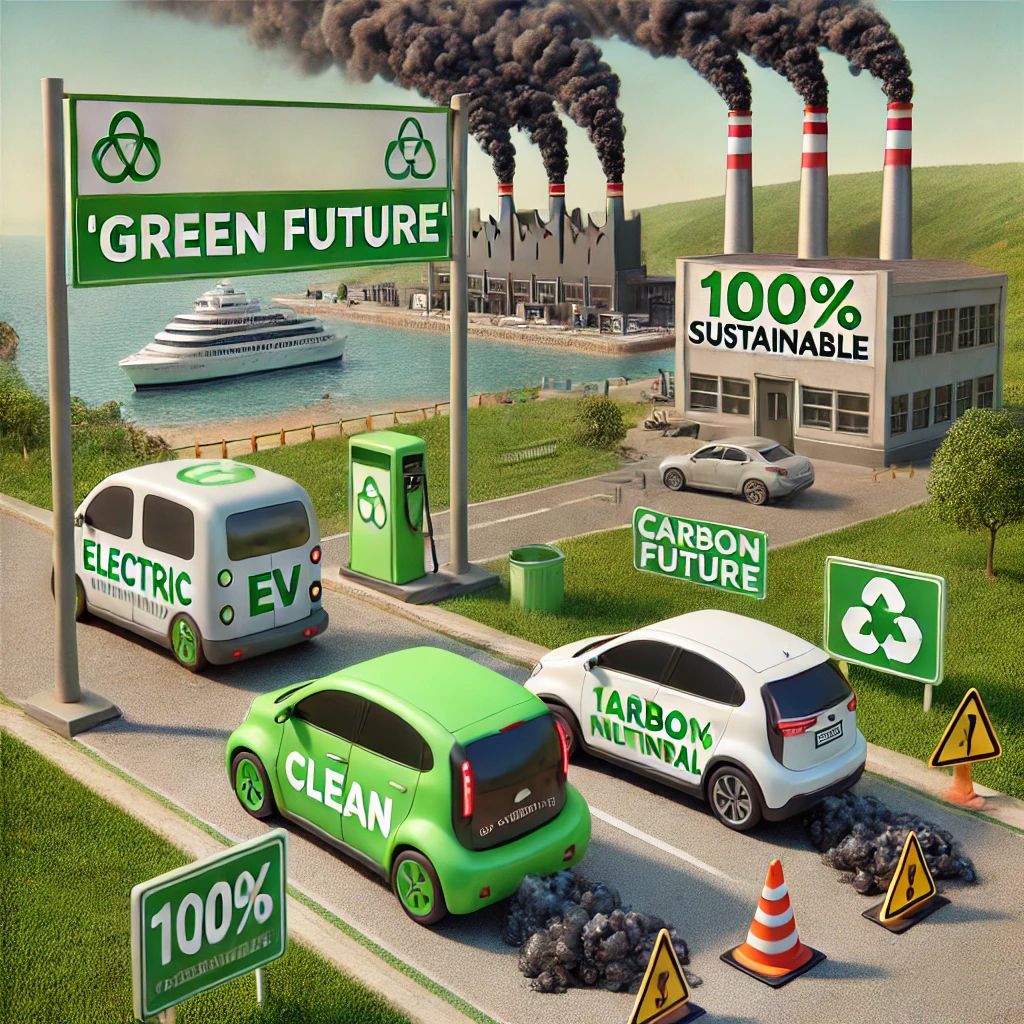
🚗⚡ YR2035’s Green_Auto_Mirage: Are EVs, Hydrogen Fuel Cells, and Synthetic Fuels Truly Sustainable or Just Greenwashing? 🌍💨
As we race toward 2035’s petrol-diesel ban, automakers push EVs, HFCVs, and SyntheticFuels as the future. But are these real solutions or clever marketing?
🔋 EVs: Cleaner or Just Elsewhere Emissions?
📌 Battery Production: An 80 kWh battery emits 2.4 – 16 metric tons of CO₂—equal to driving a gasoline car for 5-7 years. (MIT, 2024)
📌 Resource Impact: Each EV battery needs 63kg lithium, cobalt, & nickel, causing deforestation & water pollution. (GreenCars, 2024)
📌 Power Grid Dependence: An EV running on coal-based electricity emits more CO₂ per mile than hybrids. (EPA, 2024)
📌 Reality Check: EVs help only if powered by clean energy.
💧 Hydrogen: Clean Hype or Fossil Fuel Disguise?
📌 Production Problem: 96% of global hydrogen is made from natural gas & coal, emitting 830M metric tons of CO₂. (IEA, 2024)
📌 Efficiency Loss: HFCVs require 3x more renewable electricity than EVs. (US DOE, 2024)
📌 Reality Check: Unless made from renewables, hydrogen is just another fossil fuel.
⛽ Synthetic Fuels: Carbon-Neutral or Clever Greenwashing?
📌 Energy Guzzler: Producing 1L of synthetic fuel takes 6x more energy than refining petrol. (Fraunhofer, 2024)
📌 Still Polluting: Burns CO₂ and emits more NOx than conventional fuels. (MDPI, 2024)
📌 Reality Check: Synthetic fuels aren’t zero-emission—they just relocate pollution.
🚨 Greenwashing in the Auto Industry
🔻 BMW, Toyota, Honda exaggerated EV carbon savings by omitting battery emissions. (Greenpeace, 2024)
🔻 Porsche’s synthetic fuel plant claims zero emissions but runs on coal-powered electricity. (The Guardian, 2024)
🔻 India & U.S. promised 1M EV chargers by 2025, yet less than 20% installed. (BloombergNEF, 2024)
📌 Reality Check: Many automakers sell ‘green’ promises, but not real sustainability.
🏆 Key Takeaway: Hype or Hope?
🚘 EVs, HFCVs, & Synthetic Fuels could be clean if the supply chain is green.
♻️ They should be backed by strict sustainability policies.
⚠️ But they would be just another greenwashing scandal if industries don’t walk the talk.
👉 Are we truly heading toward sustainable mobility, or just another green illusion? 👇
Originally published on LinkedIn on 2025-02-18 11:22:14: https://www.linkedin.com/feed/update/urn%3Ali%3AgroupPost%3A82093-7297576141614190592

