EcoIndigestion When Growth Doesn’t Digest Its Waste.
Dr. Anju Sharma MrsSustainability
Food poisoning?
Acute. It passes.
Growth toxicity?
Chronic. It compounds.
We scale GDP.
We scale production.
We scale energy.
But we don’t scale digestion.
And undigested growth becomes systemic risk.
Here’s the 2026 reality check:
1️⃣ CarbonStack
38.1 billion tons fossil CO₂.
Still rising.
Still cumulative.
Carbon doesn’t reset annually.
It accrues like debt.
2️⃣ PlasticSurge
445 million tons produced.
~130 million tons leak into nature each year.
Plastic-related emissions already 2.7 GtCO₂e — projected 4.2 Gt.
That would make plastics the world’s 3rd largest emitter.
Circularity isn’t optional.
It’s atmospheric math.
3️⃣ ChemicalLegacy
140,000+ synthetic chemicals in commerce.
Millions of tons of persistent pollutants circulating globally.
Molecules outlive management teams.
Low carbon ≠ low toxicity.
4️⃣ AirToll
~7 million premature deaths annually.
Estimated $5 trillion economic drag.
Air quality isn’t an environmental issue.
It’s productivity economics.
5️⃣ WaterStress
~1.7–2.2 billion people without safely managed drinking water.
Water scarcity projected to worsen ~20% in high-risk regions.
Water remembers discharge long after quarterly earnings forget.
6️⃣ WasteEscalation
~2.3 billion tons municipal waste annually.
Projected near 3.8 billion by 2050.
Global cost already in the hundreds of billions.
Linear growth becomes landfill backlog.
7️⃣ BiodiversityCrash — 2026 Signal
~1 million species at risk of extinction.
Recent hotspot analysis shows ~26% species decline in biodiversity-rich regions driven by agriculture.
3,483 high-risk ecological zones identified — many unprotected.
That’s not abstract.
That’s:
Pollination instability
Crop yield volatility
Raw material disruption
Insurance repricing
Supply chain fragility
Nature loss is input risk.
Here’s the uncomfortable truth:
You cannot:
Unburn carbon
Unfragment plastics
Unleach persistent chemicals
Uncollapse ecosystems
Dashboards can look green.
But ecosystems don’t run on dashboards.
Portfolio indigestion becomes systemic risk.
I recovered in 24 hours.
The planet doesn’t.
Dr. Anju Sharma
MrsSustainability KtalystInsights CircularEconomy ClimateRisk Biodiversity2026 DataComa GreenLove
Originally published on LinkedIn on 2026-02-20 16:48:41: https://www.linkedin.com/feed/update/urn%3Ali%3AgroupPost%3A82951-7430654642163752961
The Watt Economy: Where Power, Not Paper, Rules?
In the Watt economy, waste isn’t watts lost — it’s watts the point.
(Pun Intended)
In 2025, the most valuable currency isn’t green paper, it’s green power. Dollars still grease markets, but watts now govern nations. Central banks can print liquidity; only electrons can fuel prosperity.
This shift is everywhere.
1. Finance Follows Watts, Not Wall Street
When the Fed cut rates by 25 bps, Wall Street cheered with a US$1.2 trillion rally. But the milestone was elsewhere: US$1.8 trillion in clean energy, overtaking fossil fuels for the first time. Liquidity can create markets; watts create futures.
2. Asia: From Workshop to Powerhouse
China: 220 GW solar built in a single year, larger than the rest of the planet combined.
India: 18 GW added, sprinting toward 500 GW by 2030.
ASEAN : A US$40 bn project pipeline making Southeast Asia the new energy frontier.
Once, Asia stitched textiles and assembled chips. Now, it manufactures tomorrow’s power.
3. Middle East: Betting Against Itself
Oil is still lifeblood, but Gulf petrodollars are hedging their own extinction.
Saudi Arabia: US$8.4 bn hydrogen gamble at NEOM.
Dubai : 5 GW solar park.
Sovereign funds 15% of assets now in clean tech?
Paradox? No. It’s planetary-scale portfolio hedging.
4. NamasteIndia: Laboratory of Growth vs Green
6.9% GDP forecast colliding with tariff wars.
Gujarat’s first greenhydrogen blending project.
EV sales 35% YoY rise.
SATAT Biogas plants multiplying.
US$120 bn approvals in EVs, AI, semiconductors in a state
5. Waste: The Watt Economy’s Blind Spot
Power generation is only half the story; power waste is the other half.
Transmission losses?
Data centers & AI: projected to consume 10% of global electricity by 2030, yet most waste their cooling energy.
E-waste & batteries: 62 million tonnes of electronic waste globally, with <20% recycled.
Circular fixes: Waste-to-energy plants in Europe now fuel 50M homes; India’s municipal waste-to-energy push (150+ projects) is nascent but growing.
Watts not used wisely are watts lost — and in this economy, waste is the new oil spill.
6. Fragility: The Price of Power
Supply chains stretched thin: polysilicon, lithium, rare earths.
Trade wars re-map grids with tariffs & carbon borders.
Climate shocks wipe hydro capacity in a single flood.
Watts bring resilience, but they also test it.
KtalystInsight
Renewables already supply 32% of global electricity. EV sales hit 17 million units this year. Carbon credit markets are racing toward US$1 trillion. Whoever controls watts will control wealth, sovereignty, and survival.
But whoever controls waste will control efficiency, margins, and trust.
Dr. Anju Sharma
KtalystInsights | MrsSustainability | NamasteIndia | WattEconomy | EnergyTransition | GreenGrowth | NetZero
Originally published on LinkedIn on 2025-09-18 11:09:18: https://www.linkedin.com/feed/update/urn%3Ali%3AgroupPost%3A82951-7374399113762631681
Biogas Boom: Why Investors Are Finally Paying Attention
KtalystKeystone Insight
Biogas is India’s triple-bottom-line jackpot—cutting imports, clearing waste, and creating jobs. When cow dung turns into cash flow, you’re not chasing a trend—you’re investing in a revolution.
FromPolicyToProfit — this sector is heating up. Here’s why:
MarketSize: Growing from USD 1.77B (₹14,750 Cr) in 2025 to USD 3.49B (₹29,000 Cr) by 2032.
RecentDeals:
₹200 Cr (USD 24M) committed at RenewX 2025.
₹1,600 Cr (USD 192M) lined up at REI Expo 2024.
CorporateMoves:
Maruti Suzuki investing ₹450 Cr (USD 54M) into renewables (including a biogas pilot at Manesar).
GovernmentPush:
SATAT aims for 5,000 CBG plants generating 15 MMT/year.
Up to ₹10 Cr (USD 1.2M) in Central Financial Assistance per project.
ESGReady: Aligned with carbon credit markets + GHG offset metrics.
WasteToWealth: Over 700 MMT of waste = fuel, fertiliser, and financials.
GloballySpeaking — Biogas is Booming Too
GlobalMarket: Expected to hit USD 88.79B by 2025 (CAGR 8.1%).
USLead: USD 3B in 2024 investments, 125+ new plants.
EuropePlays: Ørsted invests USD 30M in new biogas assets.
KtalystTake: Sunrise Sector Checklist
EnergySecurity ✔
DecentralisedInfra ✔
RuralLivelihoods ✔
CarbonRevenue ✔
GlobalValidation ✔
Don’tWait — the shift from stubble-burning to sustainable earnings is already underway.
https://lnkd.in/gQS673di
Download the TOI app now:
https://lnkd.in/dZigKD2s
Originally published on LinkedIn on 2025-05-02 14:50:24: https://www.linkedin.com/feed/update/urn%3Ali%3Ashare%3A7324082840797687811
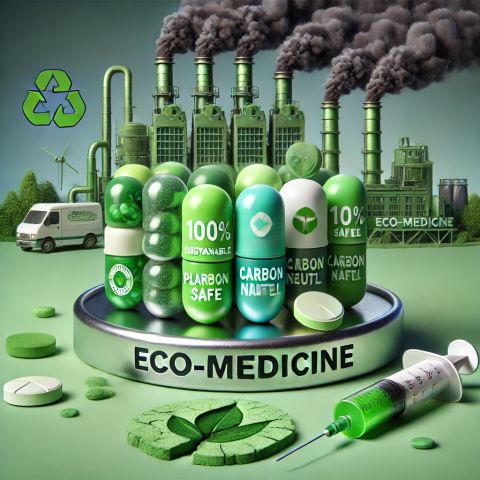
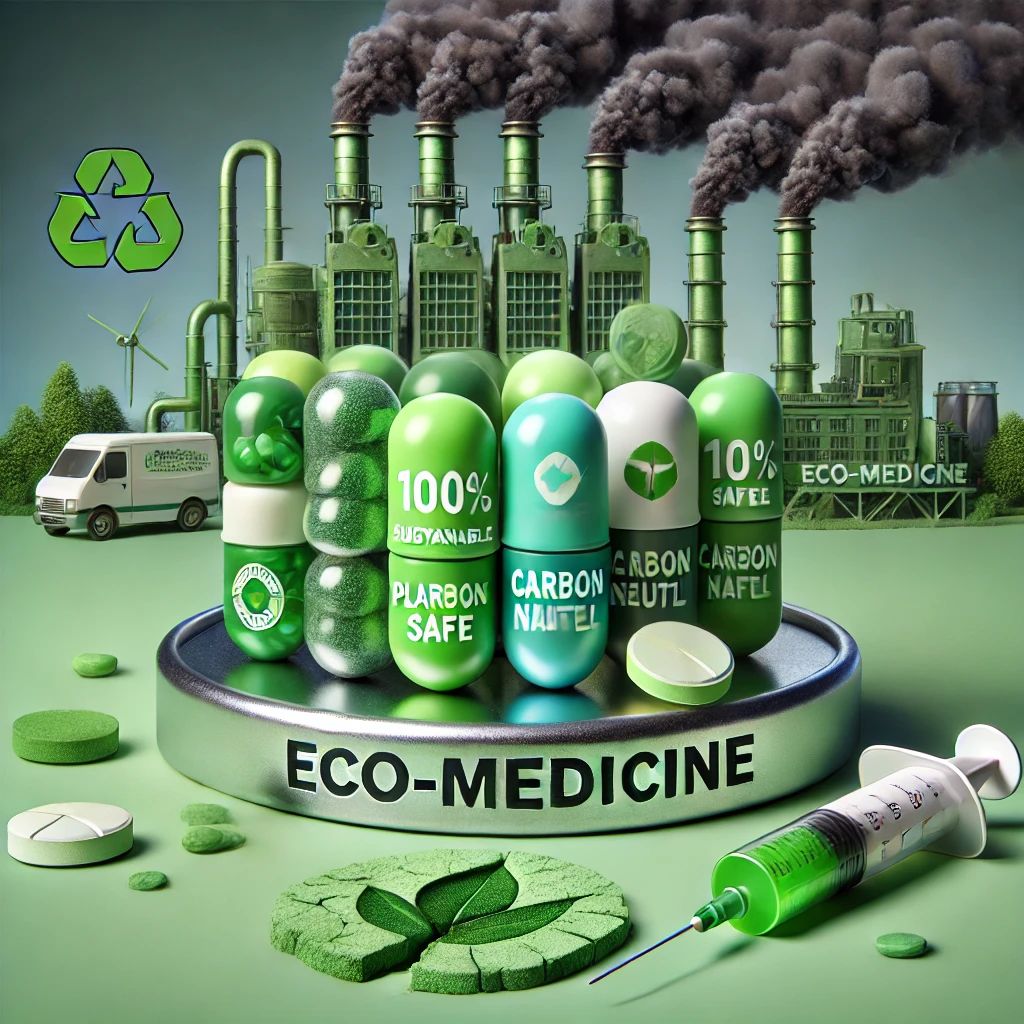
GreenwashedPills: When Pharma Prescribes Sustainability, But Swallows None of It
Green_lab_certified.
Eco_packaged.
Sustainably sourced APIs.
The claims sound clean—but the industry’s environmental footprint is anything but.
Welcome to GreenwashingInPharma, where glossy ESG reports hide toxic truths.
💊 The Industry Diagnosis:
🌍 Pharma emits 13% more CO₂ than the automotive sector (McMaster University, 2023)
🌊 Over 3,000 pharmaceutical compounds found polluting rivers globally (UNEP, 2022)
🧴 Billions of plastic blister packs are non-recyclable—despite “eco-packaging” claims
🔬 Waste incineration from expired drugs releases hazardous dioxins and furans
📉 Real Cases, Real Fines:
1. Teva Pharmaceuticals – Fined #$2.25M (USA, 2011) for violating Clean Air & Water Acts
2. Pfizer Inc. – Fined #$975K (USA, 2008) for hazardous air emissions at its Groton plant
3. Polypeptide Labs – Fined #$57K (USA, 2022) for improper waste and emission controls
4. Curia Global (AMRI) – Fined #$175K (USA, 2024) for unpermitted air emissions; also paid #$250K in community penalties
5. Merck & Co. – Fined #$1.5M (USA, 2011) for violations across air, water, and hazardous waste regulations
🚨 GreenwashingSymptoms:
🧾 CSR reports filled with offsets, not reductions
🌱 “Green APIs” with zero traceability in supply chain
⚕️ Hospitals praised for solar roofs—while sourcing drugs from polluting plants
📦 Biodegradable slogans on non-biodegradable packaging
🧠 Why This Matters:
⚠️ Greenwashing erodes public trust in an industry built on health
⛔ Improper waste disposal fuels antibiotic resistance
🌡️ Most pharma firms don’t disclose full environmental footprints
📊 70% of consumers feel misled by eco-claims in healthcare purchases
FinalThoughts:
In medicine, we demand efficacy backed by trials.
Shouldn’t we demand the same for sustainability claims?
If greenwashing becomes the prescription—
Trust is the patient we lose.
GreenwashingInPharma
CleanCuresNotCleanClaims
EcoEthicsInMedicine
ESGTransparency
PlanetOverPR
PharmaFootprint

Originally published on LinkedIn on 2025-03-25 16:59:09: https://www.linkedin.com/feed/update/urn%3Ali%3Ashare%3A7310344501275897856
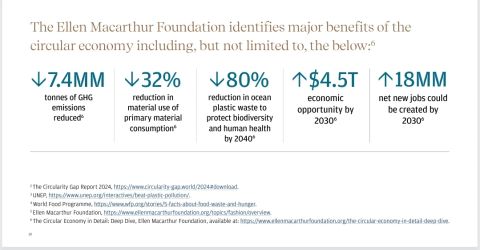
TheCircularEconomyBoom
📊 Market Growth: $339B → $712B (2030)
🛍 Key Sectors: ♻️ Recycling | 📦 Packaging | ⚡ Waste-to-Energy | 👕 Textile Circularity
💰 Big Investors: BlackRock | Goldman Sachs | Breakthrough Energy
Circular Economy vs. Traditional Returns
📈 ROI (5-year average):
🟢 Circular Economy: 8-12% CAGR
🔴 Traditional Markets: 5-7% CAGR
⚡ Waste-to-Energy IRR: 10-15% (Beats traditional waste management)
🛍 Consumer Trend: 73% willing to pay more for sustainability
VC & PrivateEquity Betting Big
🌎 Global Funding: $75B+ in Circular Startups
💰 Top-Funded Startups:
🔋 Northvolt – Battery Recycling
♻️ Loop Industries – Plastic Circularity
📦 Zume – Biodegradable Packaging
🚀 Major Investors: Sequoia | KKR | TPG Rise
Policy Tailwinds Driving Investments
📜 Global Incentives:
🇪🇺 EU Green Deal: €1T Sustainability Fund
🇺🇸 IRA: $370B in Climate Incentives
🇨🇳 China 5-Year Plan: $460B Circular Infra
📊 Policy-Driven Sectors: ⚡ EV Battery Recycling | 🔄 Industrial Waste Upcycling | 🌍 Carbon Markets
Circular Business Models Winning Capital
📊 High-Growth Revenue Models:
🔄 Product-as-a-Service (PaaS): 15-20% YoY
♻️ Recommerce & Reverse Logistics: 12-18% YoY
🌱 Upcycling & Material Innovation: 10-15% YoY
📌 Investment Hotspots:
🔹 Asia-Pacific – Fastest-Growing 🌏
🔹 Europe – Corporate Circular Leaders 🇪🇺
🔹 North America – VC & PE Capital Hub 💰
Impact Metrics Investors Track
📊 Data-Driven KPIs:
♻️ Material Recovery Rate – % Waste Reused
💰 Resource Productivity – GDP/kg Material
🌍 CO₂ Reduction Impact – Carbon Saved/$
📈 RoSI – Return on Sustainability Investment
🚀 Tech Game-Changers: AI & Blockchain in Circular Supply Chains
Future of Circular Investing (2025-2030)
🔮 Market Outlook:
📊 $4.5T+ Circular Economy by 2030
📈 VC/PE Capital to 3x by 2028
🔥 Fastest-Growing Sectors:
🏗 Circular Construction 💰 $500B+
⚡ Green Hydrogen 💰 $600B+
🧠 AI-Driven Waste Mgmt 💰 $100B+
🌍 InvestForImpact – High returns meet sustainability. 💰♻️
💬 Which sector interests you most? Drop a comment!
CircularEconomy ImpactInvesting SustainableFinance ClimateInvestment
Originally published on LinkedIn on 2025-03-05 14:01:17: https://www.linkedin.com/feed/update/urn%3Ali%3Ashare%3A7303051986592014336
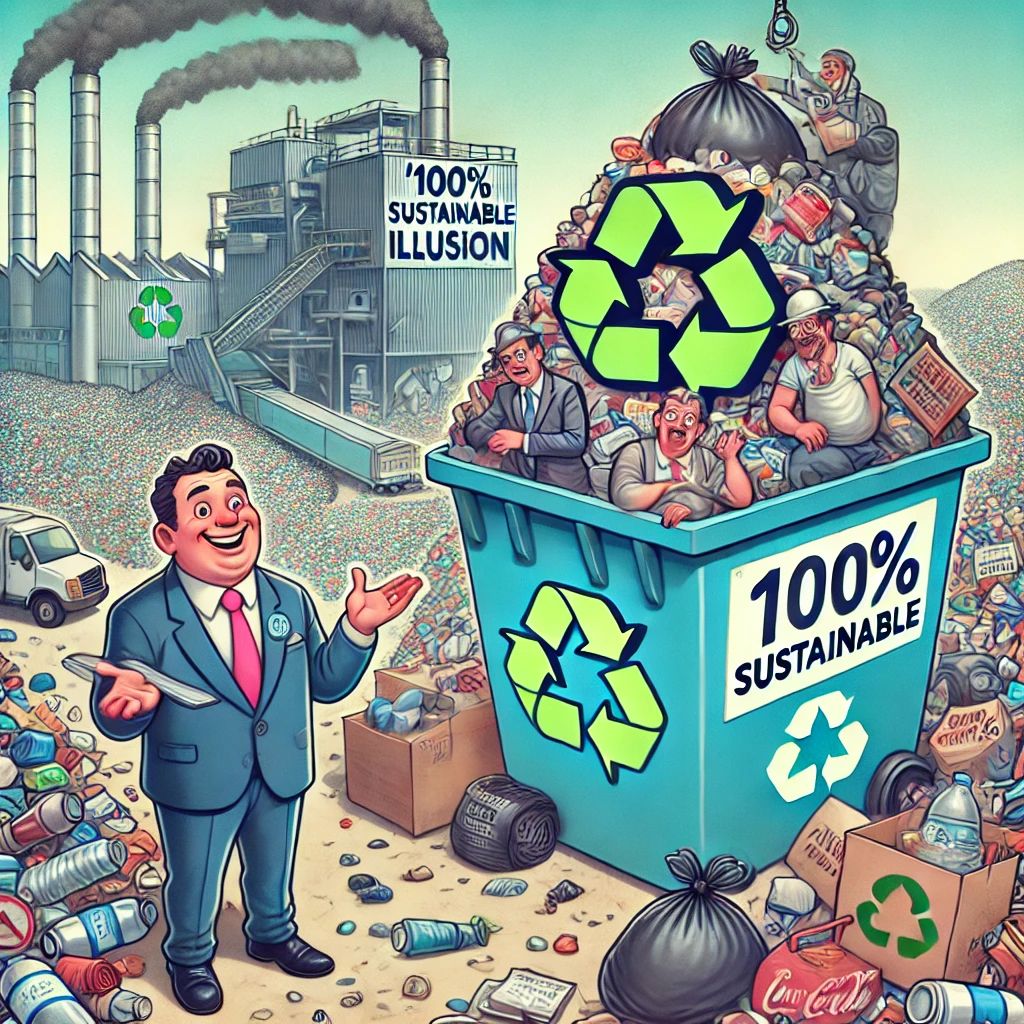
♻️ “The Waste Illusion: Is Sustainability Solving or Just Shifting_the_Problem?” 🌍🚮
Recycling alone won’t save the planet if we keep producing waste at record speed.
From plastic bans to circular economies, sustainability efforts often focus on waste reduction and recycling. But the truth? We’re generating_more_waste_than_ever_before.
🚨 Global waste production will hit 3.4 billion metric tons by 2050—a 70% increase from today. (WorldBank, 2025)
🚨 Only 9% of all plastic waste ever produced has been recycled. (UNEP, 2025)
🚨 Fashion waste alone contributes 92 million tons of landfill every year. (EllenMacArthurFoundation, 2025)
📌 RealityCheck: If sustainability isn’t fixing the waste cycle, are we just postponing the crisis?
🔄 The Waste Cycle: Are We Really Closing the Loop?
✅ Reduce – Brands promote low-waste lifestyles, yet global consumerism is at an all-time high.
✅ Reuse – Circular economies grow, but single-use culture dominates in food, fashion, and tech.
✅ Recycle – Waste sorting improves, but less than 20% of e-waste and plastics are ever recycled. (WEF, 2025)
🚨 RealityCheck: If new waste keeps outpacing recycling, how sustainable is our solution?
⚠️ Biggest Sustainability Loopholes in Waste Management
🔹 Plastic Offsets: Many brands buy plastic credits instead of reducing actual waste. (WWF, 2025)
🔹 Fast Fashion Recycling Myths: Less than 1% of clothing is truly recycled into new garments. (Greenpeace, 2025)
🔹 Food Waste Greenwashing: 30% of all food produced is still wasted despite “sustainable” sourcing. (FAO, 2025)
🔹 E-Waste Lies: Brands promote “recyclable electronics,” but 53.6M tons of e-waste were trashed last year. (UN, 2025)
📌 RealityCheck: A circular economy isn’t working if companies keep producing waste faster than we can recycle.
🏆 KeyTakeaway
♻️ Sustainability should be about eliminating waste at its source, not just recycling it later.
🚨 Greenwashing could be misleading us into thinking waste is under control.
🔄 A real circular economy would be about reducing overproduction, not just increasing recycling efforts.
👉 Are we solving waste or just shifting it around? Drop your thoughts below! 👇
Originally published on LinkedIn on 2025-02-19 05:44:35: https://www.linkedin.com/feed/update/urn%3Ali%3AgroupPost%3A9088131-7297853557188227072
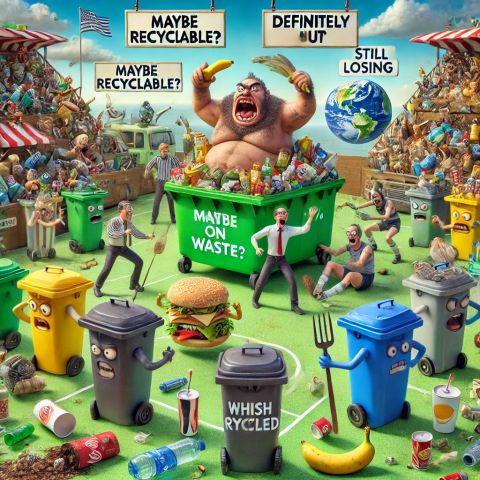
♻️ “The_War_on_Waste: Who’s Leading & Who’s Losing?” 🌍🚨
Governments ban plastics, promote recycling, and push circular economies, but is waste truly being reduced or just shifting elsewhere? Here’s the country-wise reality based on hard data.
🌎 Plastic_Waste: The Biggest Polluters
✅ Top Plastic Waste Generators (Million Tons Annually):
🇺🇸 USA – 42M tons (World Bank, 2023)
🇨🇳 China – 21M tons (Statista, 2024)
🇮🇳 India – 10M tons (CPCB, 2024)
🚨 Reality Check: 94 countries banned plastics, but only 9% is actually recycled. (UNEP, 2024)
🏆 Winners: 🇪🇺 EU Nations (strict bans & recycling laws)
❌ Losers: 🇺🇸 🇮🇳 🇨🇳 (high waste, low recycling rates)
👗 Fast_Fashion & E_Waste: The Hidden Trash Crisis
✅ Top Fast Fashion Waste Producers:
🇨🇳 China – 26M tons annually (Greenpeace, 2024)
🇺🇸 USA – 11.3M tons landfilled yearly (EPA, 2023)
🇪🇺 EU – 5.8M tons discarded (EU Commission, 2024)
🚨 Reality Check: Only 17% of global e-waste is properly recycled.
🏆 Winners: 🇯🇵 🇩🇪 🇰🇷 (advanced e-waste policies)
❌ Losers: 🇺🇸 🇮🇳 🇨🇳 (high waste, poor recycling infrastructure)
♻️ Recycling: Who’s Actually Doing It?
✅ Top Recycling Countries (% Recycled Waste):
🇩🇪 Germany – 67% (Highest global rate, Statista, 2024)
🇰🇷 South Korea – 59% (Strict sorting laws)
🇸🇪 Sweden – *50% recycling + 50% waste-to-energy
🚨 Worst Recycling Rates:
🇮🇳 India – 30% recycling rate (CPCB, 2024)
🇺🇸 USA – 32%, most plastic exported (EPA, 2023)
🇨🇳 China – 28% (Statista, 2024)
🏆 Winners: 🇩🇪 🇰🇷 🇸🇪 (high recycling & circular economy initiatives)
❌ Losers: 🇺🇸 🇮🇳 🇨🇳 (high waste, low recycling rates)
🌍 Circular Economy: Real Shift or Just Talk?
✅ EU Circular Economy Package: 65% recycling target by 2035 (EU Commission, 2024)
✅ China’s ‘Zero Waste Cities’: Pilot in 16 cities to cut landfill waste (China’s Environment Ministry, 2024)
✅ India’s EPR Policy: Firms must recover plastic waste they produce (CPCB, 2024)
🚨 Reality Check: Less than 10% of companies comply with waste responsibility laws. (Greenpeace, 2023)
🏆 Winners: 🇪🇺 EU Nations, 🇨🇳 China (pushing policy enforcement)
❌ Losers: 🇺🇸 USA (low producer responsibility laws)
🏆 KeyTakeaway
The War on Waste isn’t just about bans—it’s about holding corporations accountable, enforcing policies, and cutting overproduction.
🌍 Some nations lead, others drown in trash. Where does your country stand?
👉 Are we winning or just moving waste elsewhere?
WasteCrisis CircularEconomy PlasticPollution RecyclingMyths Sustainability NetZero


Originally published on LinkedIn on 2025-01-31 03:03:19: https://www.linkedin.com/feed/update/urn%3Ali%3AgroupPost%3A131340-7290927601190100992
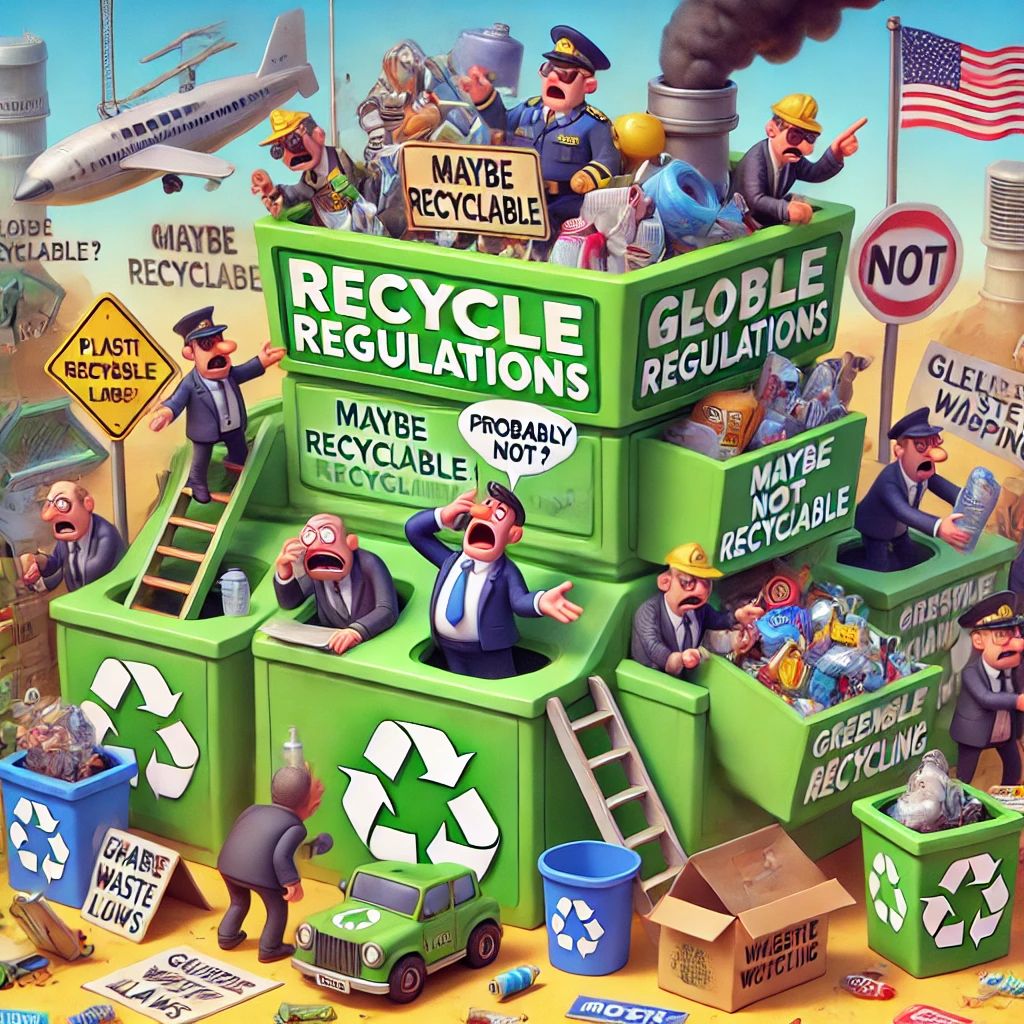
Recycle_Regulations: The New Gold Standard or a Global Mess?” ♻️🌍📜
Recycling isn’t just about throwing plastic into the right bin—it’s becoming a highly regulated industry with economic, environmental, and political implications. But are these recycle_regulations actually working, or are they just creating bureaucratic_chaos? Let’s break it down data-first.
📜 1. The Global Recycling Rulebook is Expanding
✅ Over 190 countries signed the Basel Convention, restricting plastic waste exports. (Source: UN, 2023)
✅ EU’s Circular Economy Package mandates 65% recycling targets by 2035. (Source: EU Commission, 2024)
✅ US States Are Taking the Lead: California’s SB 54 law requires 30% of plastic to be recyclable by 2028. (Source: CalRecycle, 2024)
🚨 The Problem? Many rules lack enforcement, and illegal waste dumping is still a #$10 billion global industry. (Source: Interpol, 2023)
⚖️ 2. Who’s Paying? The Battle Over EPR (Extended Producer Responsibility)
✅ Canada, EU & Japan require companies to fund recycling programs through EPR laws.
✅ India’s EPR Rules now hold businesses responsible for plastic recovery quotas. (Source: CPCB, 2024)
🚨 The Problem? Many companies shift costs to consumers, raising product prices.
🏆 Winner: Governments with strict accountability like Germany & South Korea.
❌ Loser: Developing nations drowning in imported plastic waste.
🛑 3. Greenwashing vs. Real Impact
✅ France bans ‘Recyclable’ labels unless companies prove 100% recyclability. (Source: French Gov, 2024)
✅ EU’s new Digital Product Passport tracks materials from production to disposal. (Source: EU Commission, 2024)
🚨 The Problem? 60% of ‘recyclable’ plastic isn’t actually recycled due to lack of infrastructure. (Source: Greenpeace, 2023)
🏆 Winner: Countries mandating transparency & product lifecycle tracking.
❌ Loser: Brands using misleading recycling claims.
🏗️ 4. The Future of Recycling Laws
📈 AI & Robotics to improve sorting efficiency & reduce contamination.
♻️ Chemical Recycling is gaining traction but faces cost & emissions concerns.
🚀 Global Agreements like the UN Plastics Treaty (2025) could reshape waste management worldwide.
🏆 Final Verdict: Recycling regulations are evolving, but enforcement is the real battle.
🏆 KeyTakeaway
Recycling isn’t just about being green—it’s about accountability. The future will belong to nations & businesses that get it right while others struggle with waste crises & regulatory chaos.
👉 Is your country leading or lagging in the recycling revolution?
RecycleRegulations CircularEconomy GreenLaws Sustainability PlasticCrisis NetZero
Originally published on LinkedIn on 2025-01-30 18:34:51: https://www.linkedin.com/feed/update/urn%3Ali%3AgroupPost%3A100646-7290799643045646336
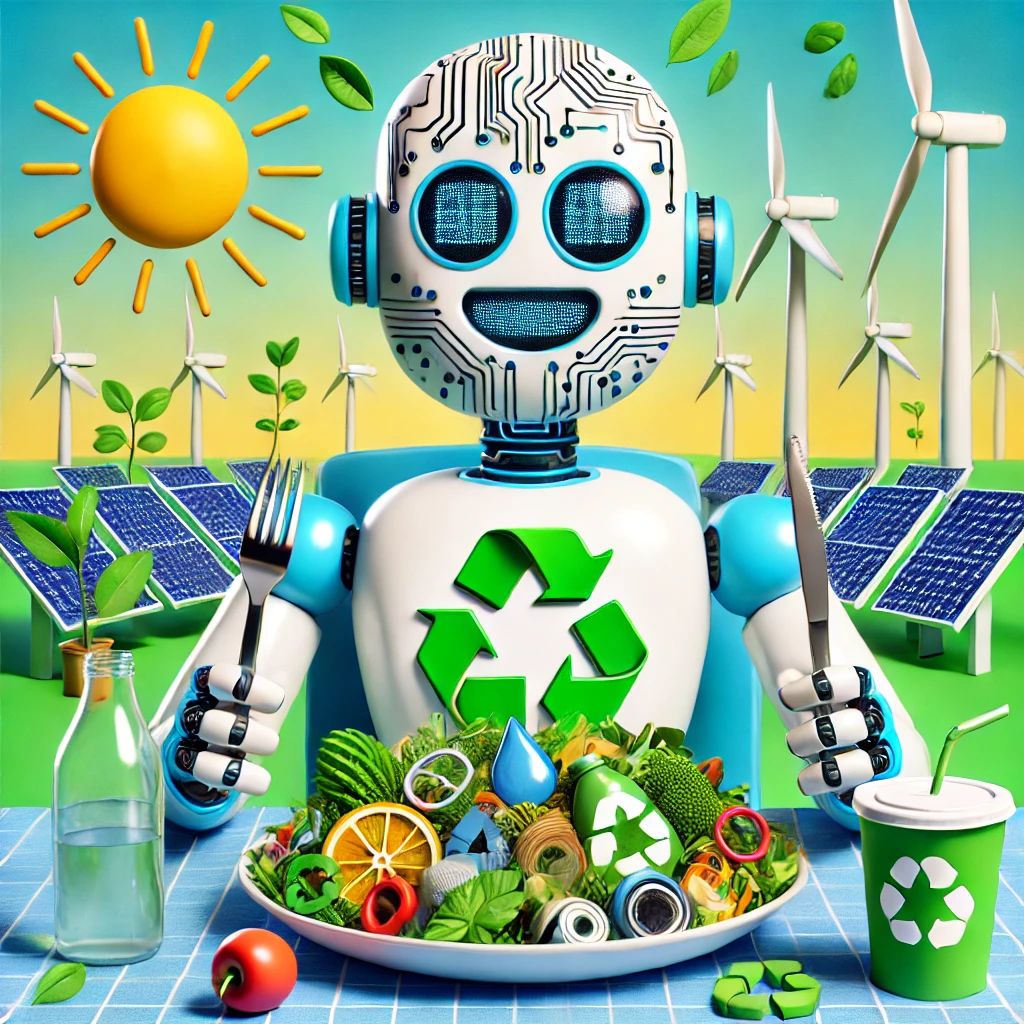
AI: The Secret Weapon for Smarter Sustainability” 🤖🌍
What if the solution to the planet’s biggest challenges was hidden in algorithms? AI (Artificial Intelligence) is quietly revolutionizing sustainability with its precision, speed, and insights. Here’s how:
1️⃣ Waste Reduction in Real Time
AI-powered sensors in factories now detect and prevent up to 30% of material waste, saving billions. (Source: WEF)
Example: Retail giants like Walmart use AI to predict stock demand, reducing food waste by 25%.
2️⃣ Smarter Energy Management
Smart grids using AI improve energy efficiency, saving 10-20% in electricity use. (Source: IEA)
Example: Google’s DeepMind AI slashed their data center energy use by 40% just by optimizing cooling systems.
3️⃣ Precision Farming
AI drones and sensors help farmers reduce water and pesticide usage by up to 50%, while boosting crop yields. (Source: FAO)
Example: Startups like Blue River Technology use AI to target weeds individually, cutting chemical use drastically.
4️⃣ Carbon Footprint Tracking
AI tools like Carbon Tracker analyze supply chains, helping companies cut emissions by up to 15%. (Source: McKinsey)
Example: Microsoft’s AI models identify carbon hotspots in operations for targeted intervention.
💡 TheTakeaway
AI isn’t just a tech trend—it’s the green engine transforming sustainability goals into actionable, measurable outcomes. Companies that embrace AI today are creating a smarter, greener tomorrow.
👉 Are you ready to let AI lead your sustainability journey?
AI Sustainability Innovation ClimateTech GreenFuture
Originally published on LinkedIn on 2025-01-27 07:48:50: https://www.linkedin.com/feed/update/urn%3Ali%3AgroupPost%3A60128-7289549903800758272
NamastCleanIndia Latest Amendments and Initiatives on Waste Management in India: Key Highlights
Swachh Survekshan_2024 (3rd Quarter Assessment)
Date: July 2024
📊 Achievements:
Conducted comprehensive evaluations of waste management practices among Bulk Waste Generators (BWGs), including a critical assessment of over 4,000 urban local bodies.
Successfully pushed for over 90% compliance with Plastic Waste Management Rules, showcasing stringent monitoring and impactful enforcement strategies.
Circular on Implementation of Plastic Waste Management Rules
Date: October 6, 2023
🌍 Impact:
Implemented mandatory EPR compliance reporting, influencing over 2,000 businesses across the plastics and packaging sectors.
Established ambitious goals to slash plastic waste generation by 30%, emphasizing robust recycling and waste management processes.
Plastic_Waste_Management (PWM) Rules, 2016 (Amendment)
Date: February 16, 2022
🔄 Outcomes:
Enforced a nationwide ban on single-use plastics, aiming to cut plastic waste in urban areas by more than 50%.
Spearheaded the development of over 100 Material Recovery Facilities (MRFs) to bolster the segregation and recycling of plastics effectively.
Guidelines on Extended Producer Responsibility (EPR)
Date: February 16, 2022
♻️ Results:
Mandated a minimum 70% recycling rate of plastic waste by producers and importers, integrating sustainability into corporate responsibility.
Facilitated the formal inclusion of over 5,000 informal waste collectors into the recycling economy, enhancing their livelihoods and sustainability.
Swachh_Bharat_Mission_Urban_2.0 (SBM-U 2.0)
Date: Launched October 1, 2021
🏙️ Goals:
Targeted to achieve zero landfill contributions by 2030 through cutting-edge waste processing technologies.
Committed to 100% source segregation of waste at the household and institutional levels across more than 4,000 cities.
Solid_Waste_Management (SWM) Rules, 2016
Date: April 8, 2016
🚮 Initiatives:
Instituted mandatory source segregation of biodegradable and non-biodegradable waste in over 500 cities.
Enabled the establishment of 300 new waste processing facilities, markedly improving urban waste management.
Ensured 80% compliance for scientifically approved sanitary waste disposal across municipal areas.
For more updates, visit the Ministry of Environment, Forest and Climate Change (MoEFCC) or Press Information Bureau (PIB).
https://lnkd.in/dYanzv3d
Download the TOI app now:
https://lnkd.in/dZigKD2s
Originally published on LinkedIn on 2024-12-16 22:42:21: https://www.linkedin.com/feed/update/urn%3Ali%3Ashare%3A7274554476114378752

