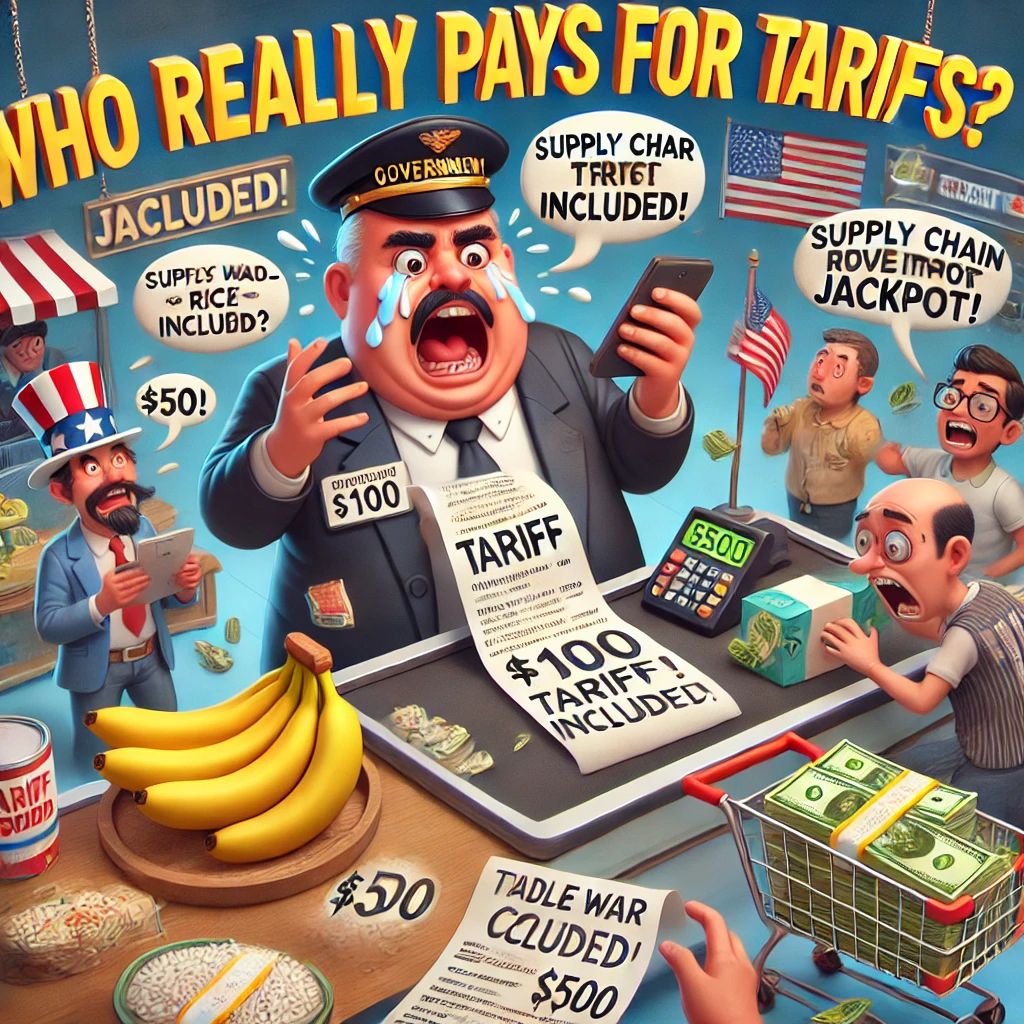
💰🌎 Tariff Wars: Who Really Pays the Price?
As governments escalate trade wars, businesses adjust supply chains, and consumers brace for price hikes, are tariffs truly protecting economies, or just shifting the cost?
🚨 Who Pays for Tariffs?
📉 Consumers Bear the Burden – 60% of tariff costs are passed on to consumers through higher prices. (IMF, 2024)
📉 Businesses Face Higher Costs – US companies paid $105B in tariffs since 2018, impacting supply chains. (USTR, 2024)
📉 Job Loss Risks – Tariffs on auto parts could cost 700K US jobs as production shifts. (Peterson Institute, 2024)
📉 Inflation Pressure – Every 10% tariff hike increases inflation by 0.5% globally. (World Bank, 2024)
📌 Reality Check: Tariffs aren’t just taxes on imports—they’re taxes on people.
🏆 Who Benefits?
✅ Governments Cash In – Tariffs generated $80B for the US Treasury in 2023. (USTR, 2024)
✅ Local Manufacturers Get Protection – Steel & aluminum industries saw a 20% production boost. (Reuters, 2024)
✅ Nearshoring Countries Profit – Mexico & Vietnam gained $65B in trade diversions from China. (IMF, 2024)
📌 Reality Check: While some industries win, the average consumer still loses.
🔮 What’s Next?
💡 Regional Trade Over Globalization – Supply chains are shifting closer to home to avoid tariff risks.
💡 Digital & AI Trade Solutions – Automated trade processing could reduce costs by 15%. (McKinsey, 2024)
💡 Green Tariffs Rising – Carbon-based tariffs will add new costs to imports, reshaping global trade. (EU CBAM, 2024)
📌 Reality Check: The cost of tariffs may outweigh the benefits if trade wars escalate.
🏆 KeyTakeaway
Tariffs could be a tool for protecting industries, should be used strategically, but would be an economic strain if prices keep rising.
👉 Who really pays for the trade war—governments, businesses, or you?
TradeWar Tariffs GlobalEconomy SupplyChainCrisis Inflation
Originally published on LinkedIn on 2025-02-05 16:37:39: https://www.linkedin.com/feed/update/urn%3Ali%3AgroupPost%3A2474261-7292944474018611204
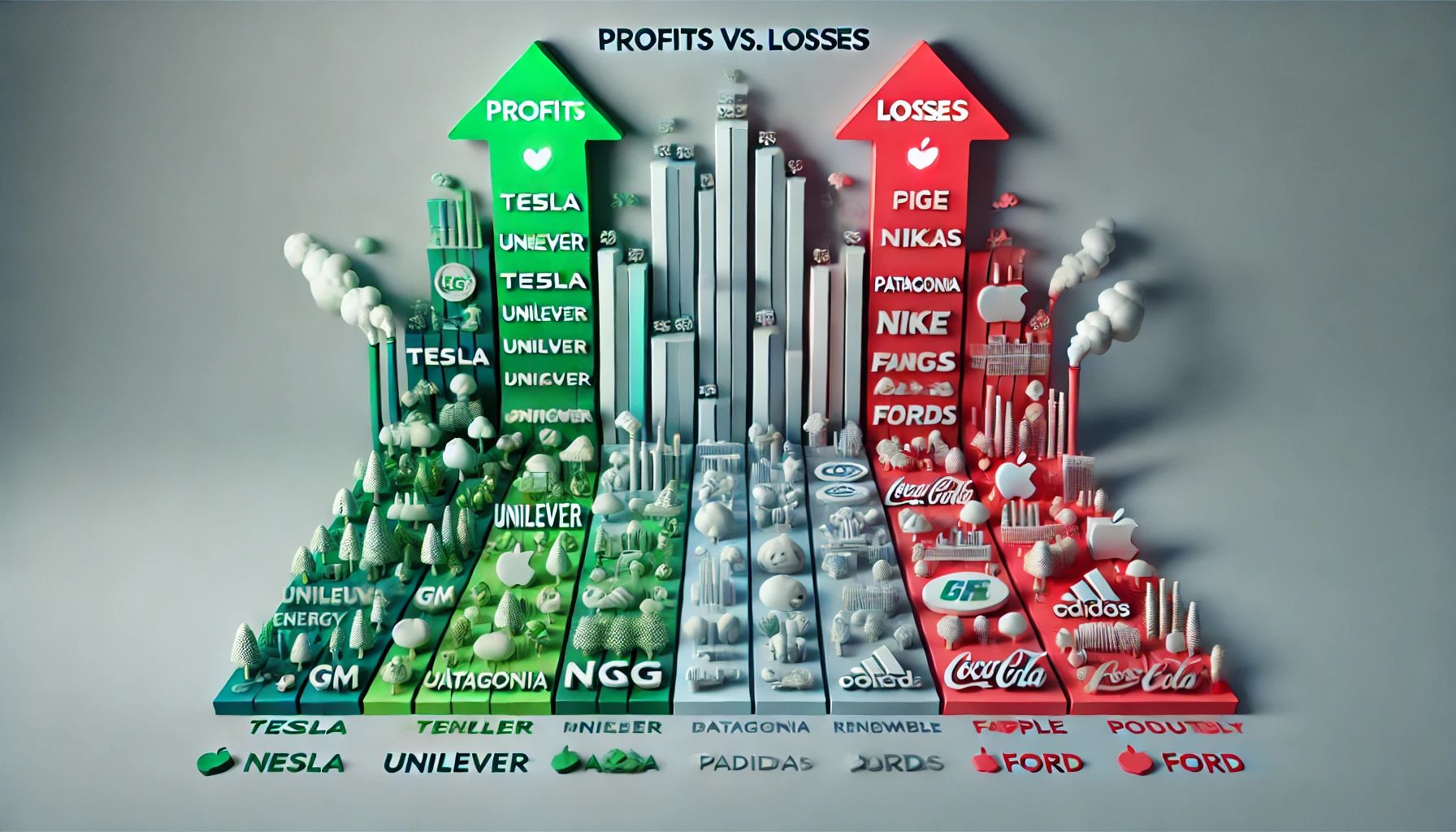
Sustainability Wars: Profits of the Bold, Losses of the Blind
Sustainability isn’t just a buzzword—it’s the defining strategy for profitability in modern business. These 10 examples showcase how companies that embraced sustainability secured financial success, while competitors who hesitated faced staggering losses and shrinking market share.
📊 1. Unilever vs. Procter & Gamble (P&G)
Unilever: Sustainable brands grew 69% faster, saving #€1 billion by 2020.
P&G: Lost #$8 billion in 2023, struggling to appeal to eco-conscious consumers in Europe.
📊 2. Tesla vs. General Motors (GM)
Tesla: EV dominance earned #$12.6 billion net income (2022) and an 800% valuation increase in 5 years.
GM: EVs accounted for just 2% of revenue (2022), causing a 25% market share drop in China.
📊 3. IKEA vs. Wayfair
IKEA: Renewable energy and circular practices saved #€2 billion and grew customer loyalty by 25%.
Wayfair: Suffered #$1.5 billion losses (2022) due to unsustainable operations.
📊 4. Patagonia vs. Columbia Sportswear
Patagonia: Eco-friendly initiatives helped achieve #$1 billion annual revenue and build brand trust.
Columbia: Lost 15% market share between 2020-2023 to Patagonia due to lack of sustainability focus.
📊 5. Walmart vs. Target
Walmart: Energy efficiency saved #$1 billion annually, cutting operational costs significantly.
Target: Reported a #$2 billion profit dip (2022) due to slower sustainability adoption.
📊 6. Nike vs. Adidas
Nike: Flyknit technology saved 60% material costs, generating #$3.5 billion in savings.
Adidas: Faced a #€500 million revenue loss (2023) from delayed sustainable innovations.
📊 7. Apple vs. Samsung
Apple: 100% renewable energy adoption fueled record #$394 billion revenue (2022) and 40% brand equity growth.
Samsung: Lost 15% EU market share, criticized for lagging in renewable energy initiatives.
📊 8. Microsoft vs. Oracle
Microsoft: Sustainability efforts drove 27% Azure growth (2023), securing eco-conscious enterprise clients.
Oracle: Missed #$1.2 billion in contracts, trailing in cloud services for sustainability-focused industries.
📊 9. PepsiCo vs. Coca-Cola
PepsiCo: Water-saving initiatives saved #$80 million annually, stabilizing global supply chains.
Coca-Cola: Lost #$2 billion (2022) due to water mismanagement protests and plant shutdowns in India.
📊 10. Toyota vs. Ford
Toyota: Sold 16 million hybrid vehicles, generating #$70 billion in cumulative profits.
Ford: Lost 10% market share (2020-2023) due to delayed EV and hybrid innovations.
The Bottom Line
Companies that lead with sustainability strategies not only maximize profits but also future-proof their business. Those that delay or ignore the shift face crippling losses in revenue, market share, and reputation.
SustainabilityWins GreenGrowth ProfitWithPurpose CorporateLeadership
Originally published on LinkedIn on 2025-01-24 05:11:11: https://www.linkedin.com/feed/update/urn%3Ali%3AgroupPost%3A82951-7288423065552609280

