🚨 Moody’s Shakes_Up_Credit_Ratings: The Green_Penalty & Reward_Effect!♻
With #$1.6T+ in ESG-linked financing, Moody’s is redefining creditworthiness, rewarding sustainability leaders & penalizing ESG laggards. 📉🚀 Companies failing on climate, social, & governance metrics are seeing their ratings cut—raising borrowing costs & investor risks.
📊 Companies Hit by Moody’s ESG_Based_Credit_Rating Adjustments
🟥 Nissan Motors – Downgraded 🚨
📌 Moody’s cut Nissan to junk due to weak sustainability integration & financial instability. (Source)
🟥 PG&E – Downgraded 🚨
📌 #$30B in wildfire liabilities led Moody’s to downgrade PG&E, linking climate risk to creditworthiness.
🟩 Royal Philips – Upgraded 🚀
📌 Green loan secured with ESG-linked interest rates, rewarding sustainability progress.
🟥 Thames Water – Downgraded 🚨
📌 Environmental violations & debt risks slashed its credit rating, as S&P flagged financial instability.
🟩 Casino Guichard-Perrachon – Upgraded 🚀
📌 Secured sustainability-linked loans, reducing interest rates based on ESG performance.
🟥 Enbridge – Downgraded 🚨
📌 Despite green loans, Moody’s questioned its carbon-heavy projects, impacting its rating.
🟩 Unibail-Rodamco-Westfield – Upgraded 🚀
📌 Green finance unlocked better credit conditions via ESG-tied loans.
🟥 Avangrid Gas Subsidiaries – Downgraded 🚨
📌 Regulatory ESG concerns lowered its credit ratings, citing fossil fuel dependency.
🟩 Drax Group – Under Review 🔍
📌 Sustainability-linked loans triggered scrutiny over carbon intensity goals.
🟥 Southern Water – Downgraded 🚨
📌 Environmental fines & governance risks led Moody’s to cut its credit rating.
🔥 The Takeaway: Moody’s Is Now Pricing in Sustainability Risks
🟢 17% of Moody’s rated firms see ESG risks impact their credit scores.
🟢 Companies with poor sustainability scores pay up to 15% higher borrowing costs.
🟢 Sustainability-linked finance = Lower interest rates & stronger credit ratings.
📢 Is this the wake-up call for businesses ignoring ESG? Let’s discuss below! 👇

Originally published on LinkedIn on 2025-02-27 12:45:56: https://www.linkedin.com/feed/update/urn%3Ali%3AgroupPost%3A82951-7300858693879799809
GoogleDropsDEITargets: What Does It Mean for the Future of Inclusive Hiring?
📢 BreakingNews: Google has officially ended its diversity hiring targets, stating it will no longer have #”aspirational goals” for workforce representation. This move follows legal and political pressures around DEI (Diversity, Equity, and Inclusion) initiatives, particularly for federal contractors.
📊 TheBackdrop
🔹 DEI hiring practices aimed to increase representation across underrepresented groups in the workforce.
🔹 90% of Fortune 500 companies have dedicated DEI programs.
🔹 Diversity-driven companies outperform industry benchmarks by 35% in financial returns (McKinsey).
🔹 75% of job seekers consider workforce diversity an important factor in choosing an employer (Glassdoor).
🔄 WhatChanges at Google?
📌 No more workforce representation targets → Google will stop setting hiring quotas based on diversity metrics.
📌 Reviewing DEI programs → Existing policies and hiring practices are under internal review.
📌 Retaining inclusion efforts → Google states that it will continue supporting employee resource groups and build inclusive products.
⚖️ TheLargerDebate
✅ Proponents say:
✔️ Encourages merit-based hiring rather than diversity quotas.
✔️ Reduces legal risks amid growing scrutiny on DEI initiatives.
⚠️ Critics argue:
❌ DEI targets hold companies accountable for inclusive hiring.
❌ Without targets, diversity progress may slow down in male-dominated sectors like tech.
🚀 WhatNext?
With Google redefining its diversity strategy, will other tech giants follow?
👥 Is this a step toward equal opportunity or a setback for workplace diversity?
Drop your thoughts below! ⬇️
DiversityMatters HiringTrends WorkplaceInclusion CorporateStrategy
Originally published on LinkedIn on 2025-02-06 11:43:22: https://www.linkedin.com/feed/update/urn%3Ali%3Ashare%3A7293232805738651649
Climate_Change_Disrupting_Global Supply Chains: A Call for Immediate Action
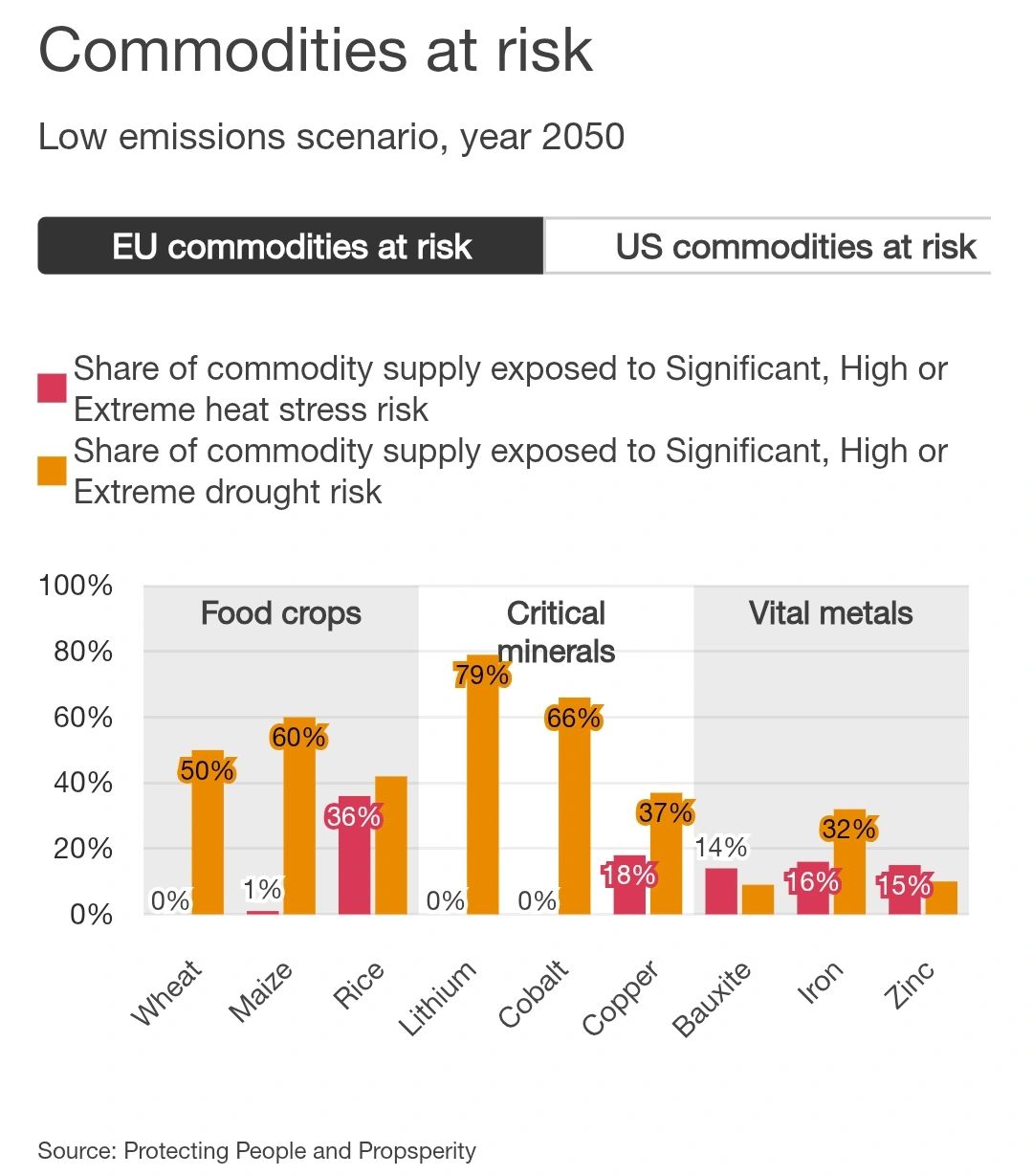
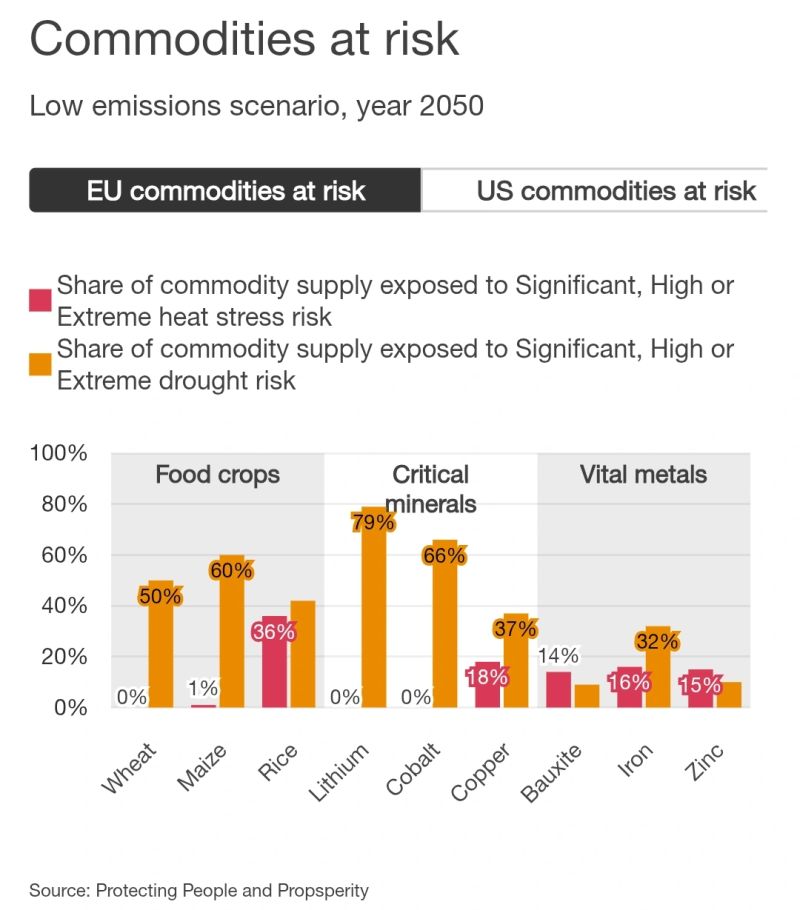
As the world grapples with escalating climate challenges, the ability to secure essential commodities is under threat. PwC’s insights reveal how heat_stress and drought could profoundly impact industries and communities, emphasizing the need for proactive measures.
Critical_Minerals at Risk: Heat stress and drought threaten the supply of cobalt, copper, and lithium—key to electronics, green energy, and transportation sectors.
Food Security Challenges: Maize, rice, and wheat, which provide 42% of human calories, are vulnerable to production instability, jeopardizing global food supplies.
Vital Metals Under Pressure: Iron, zinc, and bauxite (used in aluminum production) face disruption due to mining challenges caused by extreme weather.
Industries in Peril: Transportation, construction, and manufacturing sectors heavily reliant on these commodities risk operational breakdowns.
Impact on Producers and Communities: Farmers and miners are already experiencing hardships from extreme heat and water scarcity, reducing productivity and health safety.
Supply Chain Resilience is Critical: PwC highlights the urgency for businesses to assess climate-related vulnerabilities and mitigate risks to prevent supply chain disruptions.
Call for Proactive Action: The cascading effects of climate change demand swift preventive strategies to safeguard commodities and ensure industrial continuity.
PwC’s report serves as a stark reminder of the growing vulnerabilities within global supply chains. Businesses must act now to incorporate sustainable practices, enhance resilience, and mitigate climate-related risks.
For a detailed analysis, explore PwC’s full report here.https://https://lnkd.in/d_9bwcRn
Originally published on LinkedIn on 2024-12-25 03:55:16: https://www.linkedin.com/feed/update/urn%3Ali%3AgroupPost%3A3880479-7277532326702534656

