Sunburn or SunBoom?
U.S. Slaps 3,521% Tariffs on Solar Imports — The SolarSector Feels the Heat (and Opportunity)
When the sun shines too bright on unfair play, tariffs bring the shade.” — KtalystInsight
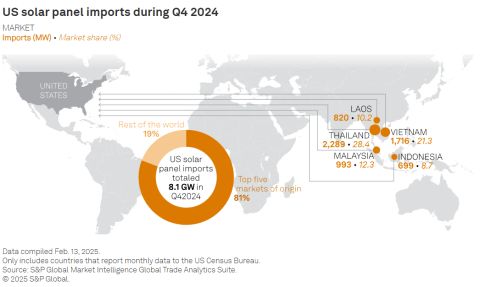
The UnitedStates has swung a solar sledgehammer — imposing tariffs as high as 3,521% on solar panel imports from Cambodia, Vietnam, Thailand, and Malaysia.
This stems from a Department of Commerce finding that Chinese companies were rerouting solar products through Southeast Asia to dodge existing duties.
Winners Emerging:
FirstSolar, Qcells, and other U.S. manufacturers celebrating a MadeInAmerica solar boom.
SolarBank CEO Dr. Richard Lu shared a sharp pivot — expanding domestic community solar and energy storage solutions, especially to feed the AI-driven data center boom.
SolarBank’s new 2.9 MW Gainesville, New York project is already under development.
Losers Worried:
Renewable project developers predict a 20–30% rise in project costs.
Supply chains could see 6–12 months delays, impacting Biden’s climate goals.
Global Echoes: Solar Under Trade Siege
EuropeanUnion’s CBAM (Carbon Border Adjustment Mechanism):
Though solar isn’t covered yet, solar supply chains are preparing for impact.
CBAM rollout from 2026 may push solar module prices up by ~10% if embedded carbon costs get added.
Manufacturers are already shifting wafer and polysilicon production to cleaner-energy countries like Canada and Brazil to avoid CBAM penalties.
India’s Solar Firewall:
Imposed 40% Basic Customs Duty on solar modules from April 2022 to promote Atmanirbhar Bharat.
Indian players like Adani Solar and Tata Power Solar are scaling local module capacity aggressively.
Canada’s Quiet Defense:
Continuing antidumping duties on Chinese modules, aiming to build a resilient domestic clean energy base.
Money Moves: Follow the Smart Investors
Brookfield Renewable Partners and BlackRock are pivoting funds into localized solar manufacturing and battery storage ecosystems.
NextEra Energy eyes major gains by scaling U.S.-based clean energy supply chains.
Ktalyst Perspective:
This tariff wave, plus the CBAM ripple effect, isn’t protectionism — it’s market redesign by climate necessity.
The winners will be solar companies that decarbonize supply chains, invest in local resilience, and pivot toward clean manufacturing clusters in NorthAmerica and India.

Originally published on LinkedIn on 2025-04-26 18:06:28: https://www.linkedin.com/feed/update/urn%3Ali%3AgroupPost%3A2153908-7321957853764677632
LithiumLocked: Are US. Tariffs Powering Sustainability—or Just Political Theater?
You can’t claim to save the planet while fencing off the minerals it runs on.
KtalystView
KtalystTake
While Uncle Trump champions GreenGoals, it’s also drawing tariff lines in lithium sand.
The question isn’t who refines more—it’s who’s refining the narrative.
#⚡ The Lithium Iron-y
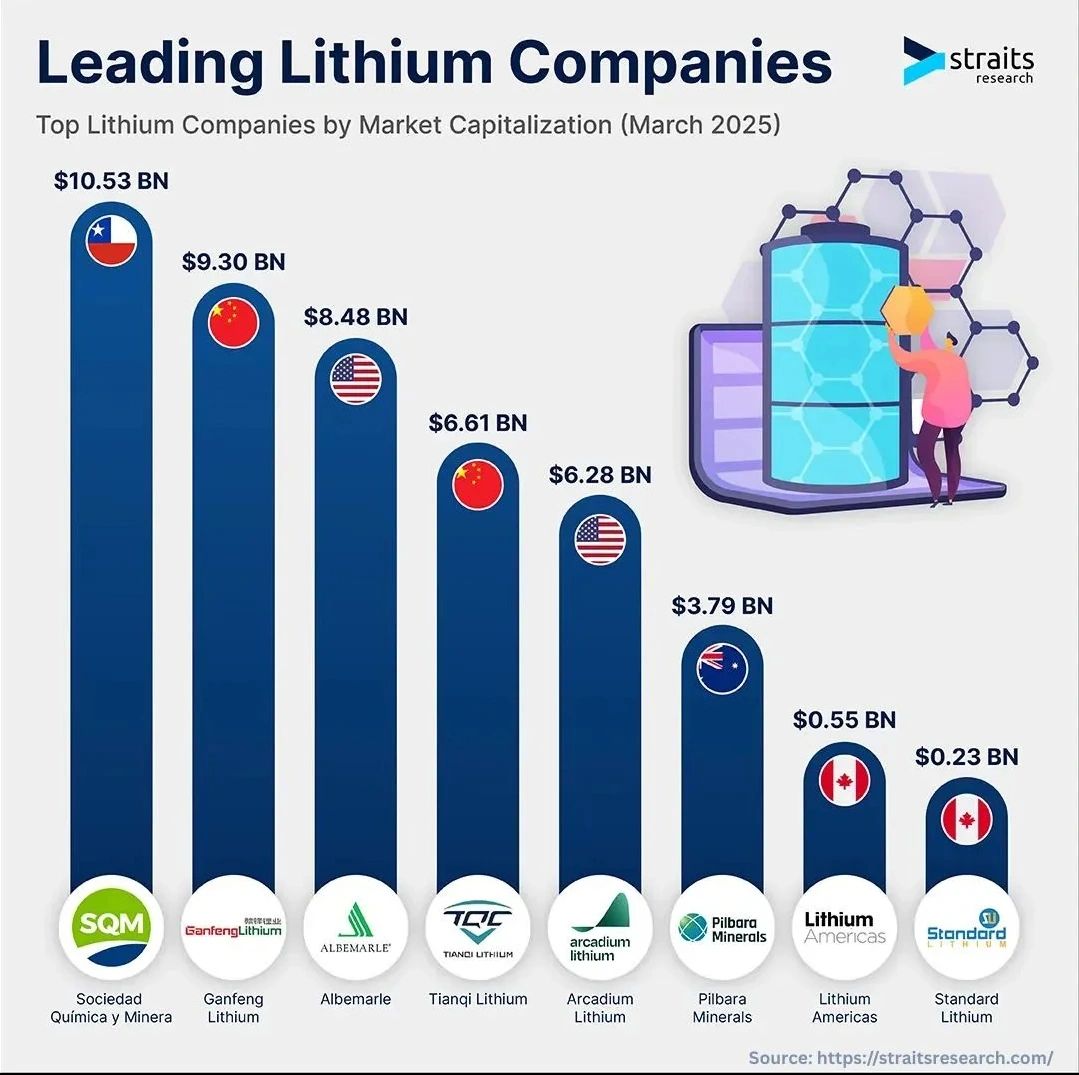
70% of global lithium refining still happens in China—and that’s where the new U.S. tariffs bite.
Chile’s got the salt, but not the smelting muscle.
The U.S.? Big on policies, small on processing plants.
ESG or MSG? (Make Sustainability Geopolitical)
Blocking lithium from China = slowing down EVs, solar grids, battery storage.
Greenwashing 2.0: Wrap it in ESG, sell it as strategy, ignore the emissions from delays.
Is this climate leadership or supply chain sabotage?
Winners & Whiners
Winners:
Albemarle (stock says thank you)
Chilean lithium kings (Viva el Tariff!)
Lobbyists (gold medal in green gymnastics)
Losers:
EV affordability (price tags just got electric)
Startups (still waiting on IRA credit reality checks)
The planet (remember the Net Zero deadline? It doesn’t either.)
Around the Battery World in 80 Sanctions
Canada? Chill on delivery.
Australia? Mining yes, processing meh.
Africa? The new lithium darling—but watch out for GreenColonialism.
India? The quiet observer, prepping its next policy plot twist.
KtalystBurn
We’re taxing the bridge to Net Zero—and wondering why it’s collapsing.
KtalystView | TariffTantrum | LithiumIrony | GreenIsTheNewGold | PolicyVsPlanet | BatteryBattles | SupplyShockShow

Originally published on LinkedIn on 2025-04-18 07:56:06: https://www.linkedin.com/feed/update/urn%3Ali%3AgroupPost%3A2474261-7318905147248513024
TARIFF SHOCKWAVES: INDIA AT THE CROSSROADS OF TRADE & STRATEGY
The 26% blow to Indian exports isn’t just a trade shock—it’s a wake-up call to diversify, digitize, and diplomatically reset our global strategy before the door to developed markets narrows further.
AnjuSharma, MD, KtalystKeystone
What Happened?
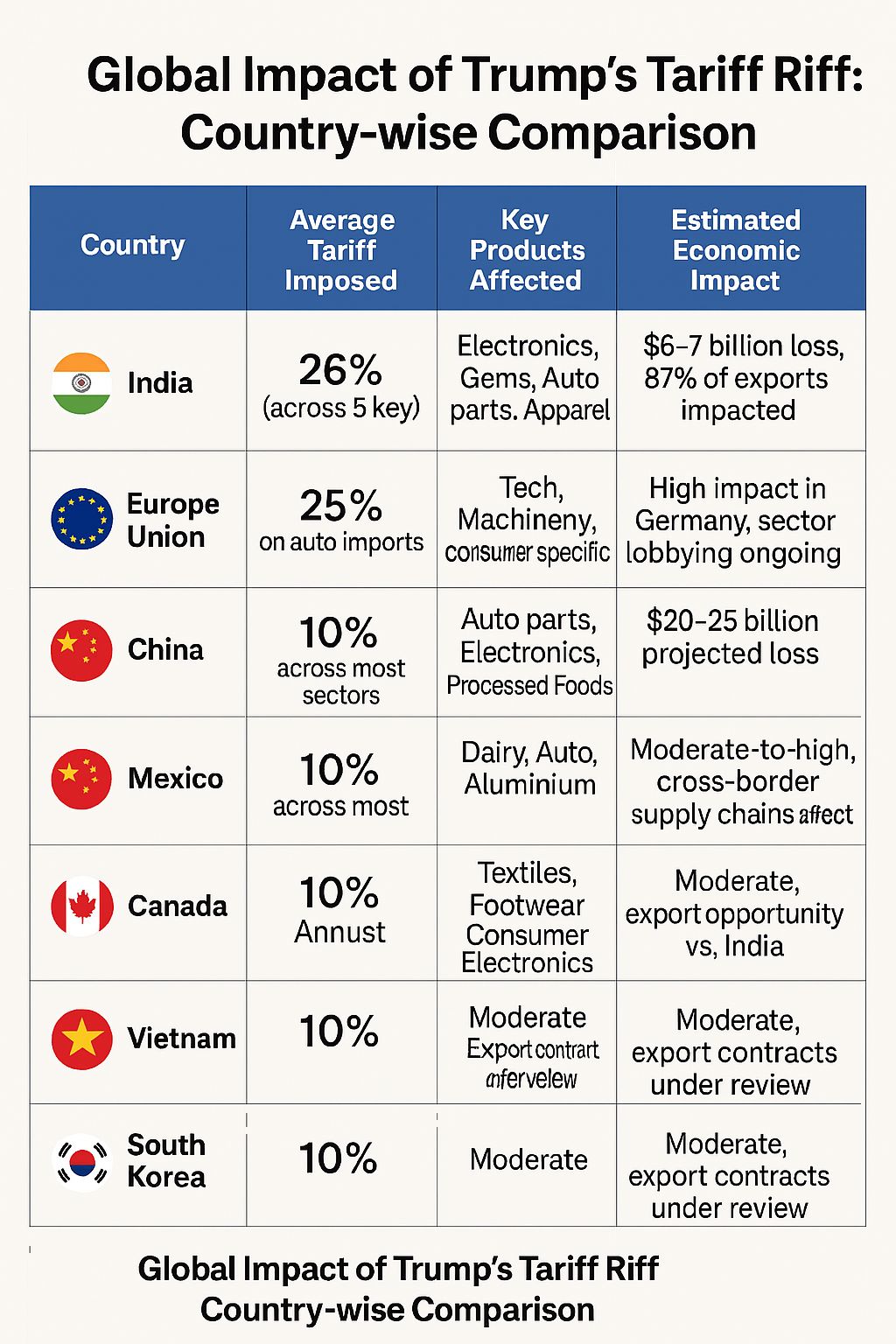
📌 10% universal tariff on all U.S. imports announced by President Trump
📌 India hit with 26% tariff on electronics, auto parts, gems, textiles & aluminium
📌 87% of India’s $66B U.S. exports impacted
📌 Estimated annual loss: $6–7 billion
Big 4 Speak Out
💬 PwC: “Tariff retaliation could balloon from $76B to $697B globally
💬 KPMG: “This isn’t trade policy—it’s political performance
💬 EY: “India must restructure global sourcing strategy immediately
💬 Deloitte: “Tariffs will inject stagflation into already strained supply chains
Financial Titans React
💸 Goldman Sachs:
Auto and textile exporters will bleed
Kroger, Valvoline may survive — India’s top B2B exporters will face margin heat
💹 Bloomberg Intelligence:
India risks losing emerging export edge to Vietnam & Mexico
📰 Wall Street Journal:
U.S. tariffs may trigger a regional pivot — India’s FTA urgency just jumped five notches
Market Pulse: Dalal Street Feels the Heat
📉 GIFT Nifty down 350+ pts
📉 Auto, IT, Jewellery, Aluminium stocks see heavy selling
📈 Shift towards domestic FMCG & retail as safe havens
What’s Next for India?
⚙️ Bilateral trade deal in pipeline by Fall 2025
🌍 Explore Middle East, Africa & ASEAN for export realignment
🛠️ Invest in supply chain localization + logistics infrastructure
📜 Fast-track FTA negotiations with EU, UK & Pacific allies
Final Takeaway
🚨 Tariffs aren’t just taxes—they’re tectonic shifts.
India must act with policy agility, strategic diversification, and bold diplomacy to stay ahead in a reshuffled global order.
Total Estimated Exposure
Indian Exports to U.S. Affected: ~$57–60 billion
Percentage of Total Indian Exports to U.S. Affected: ~87%
Estimated Annual Economic Loss: $6–7 billion
Trade Response & Outlook
Commerce Ministry View: “It’s a mixedbag, not a setback
Negotiation Status: Bilateral trade agreement targeted for Fall 2025
Market Impact:
GIFT Nifty: -350 pts (near 23,000)
Auto & IT stocks: Broad selling
Export-heavy stocks (like Titan, Motherson, Hindalco): Underperforming
Originally published on LinkedIn on 2025-04-03 04:42:34: https://www.linkedin.com/feed/update/urn%3Ali%3Ashare%3A7313420627510464512
SustainabilityTariff2025: The New Trade War – Green or Gone?
💡 “Sustainability is no longer a choice; it’s the cost of doing business.
As the world accelerates toward net_zero, 2025 is shaping up to be a watershed moment for global industries. Sustainability tariffs are no longer just policies on paper—they are reshaping trade, investment, and corporate strategy.
🚀 What’s Changing?
📉 Carbon-based tariffs are being enforced across key trade blocs.
⚡ Green energy mandates are now linked to export competitiveness.
📊 Transparency in ESG reporting is mandatory for global businesses.
🌍 Top5EmittingCountries (2023) & Their Exposure to Tariffs
📌 🇨🇳 China – 12,667 Mt CO₂ | Facing increased U.S. tariffs on EVs & batteries.
📌 🇺🇸 United States – 5,007 Mt CO₂ | Implementing 25% tariffs on steel & aluminum.
📌 🇮🇳 India – 2,654 Mt CO₂ | Under pressure to align with EU’s Carbon Border Tax.
📌 🇷🇺 Russia – 1,711 Mt CO₂ | Facing trade barriers due to high fossil fuel dependency.
📌 🇯🇵 Japan – 1,162 Mt CO₂ | Investing in hydrogen economy to offset future tariff risks.
(Source: Greenmatch UK)
⚖️ KeySustainabilityTariffPolicies in 2025
📌 🇪🇺 European Union – CBAM (Carbon Border Adjustment Mechanism) to tax carbon-heavy imports.
📌 🇺🇸 USA – Higher import duties on non-sustainable steel & aluminum.
📌 🌏 ACCTS (New Zealand, Costa Rica, Iceland, Switzerland) – Eliminating tariffs on green goods.
📌 🇨🇳 China – Facing U.S. import restrictions on EVs & solar panels.
(Source: Reuters, Le Monde)
🔍 IndustriesatRisk
🏗️ Steel & Cement – Carbon-heavy production under scrutiny.
🛢️ Petrochemicals – High emissions & regulatory risks.
👕 Textiles & Apparel – Forced transparency in sustainable sourcing.
📱 Electronics – E-waste accountability & circular economy mandates.
🎯 WhoWillWin?
🏆 Sustainable Leaders – Lower tariffs, premium market positioning, ESG-driven investments.
🚨 Unprepared Companies – Higher operational costs, supply chain disruptions, and lost competitiveness.
📊 What’sNext?
✅ Green energy adoption – Lowering carbon footprints.
✅ Digital ESG tracking – Ensuring compliance.
✅ Circular economy strategies – Turning waste into value.
💬 Is your industry prepared for the 2025 sustainability tariff shift?
Drop your thoughts in the comments! Let’s discuss the road ahead.


Originally published on LinkedIn on 2025-03-12 16:10:09: https://www.linkedin.com/feed/update/urn%3Ali%3AgroupPost%3A82951-7305621129530896385
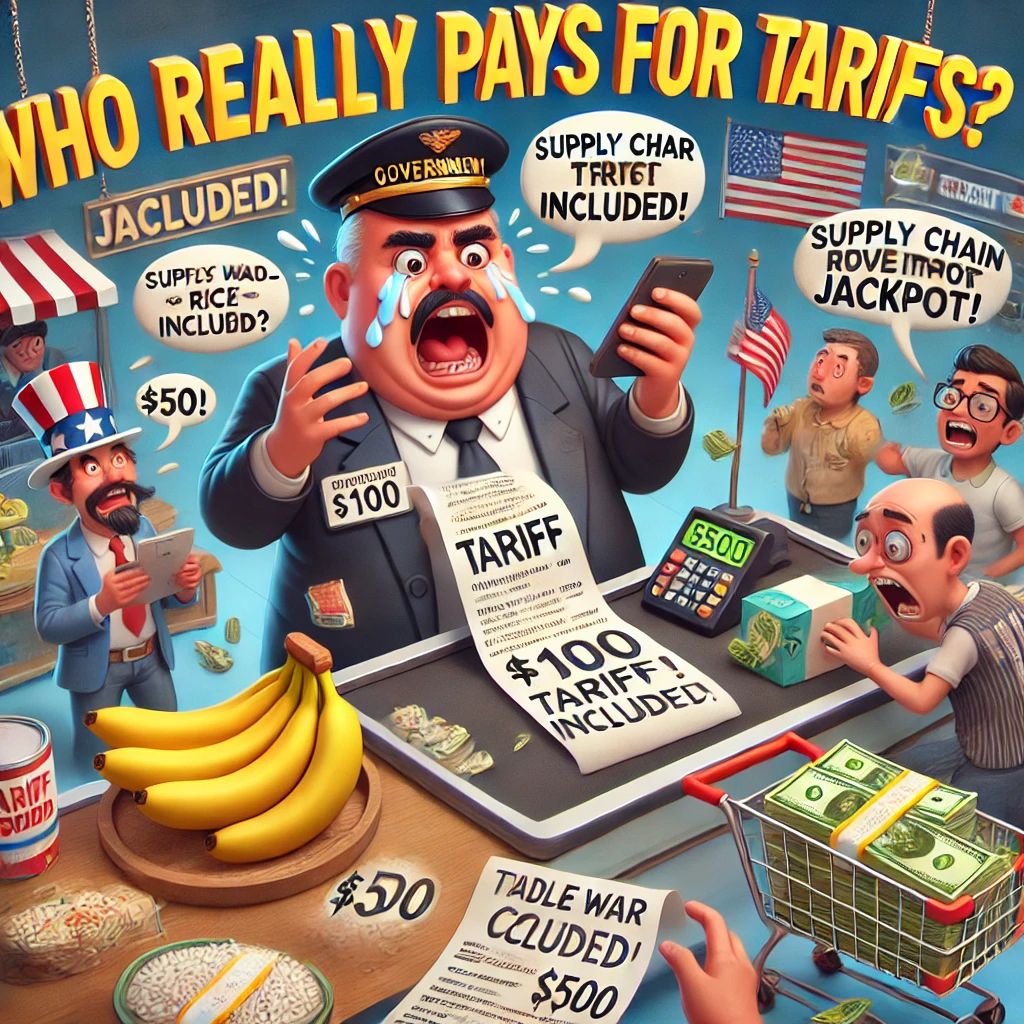
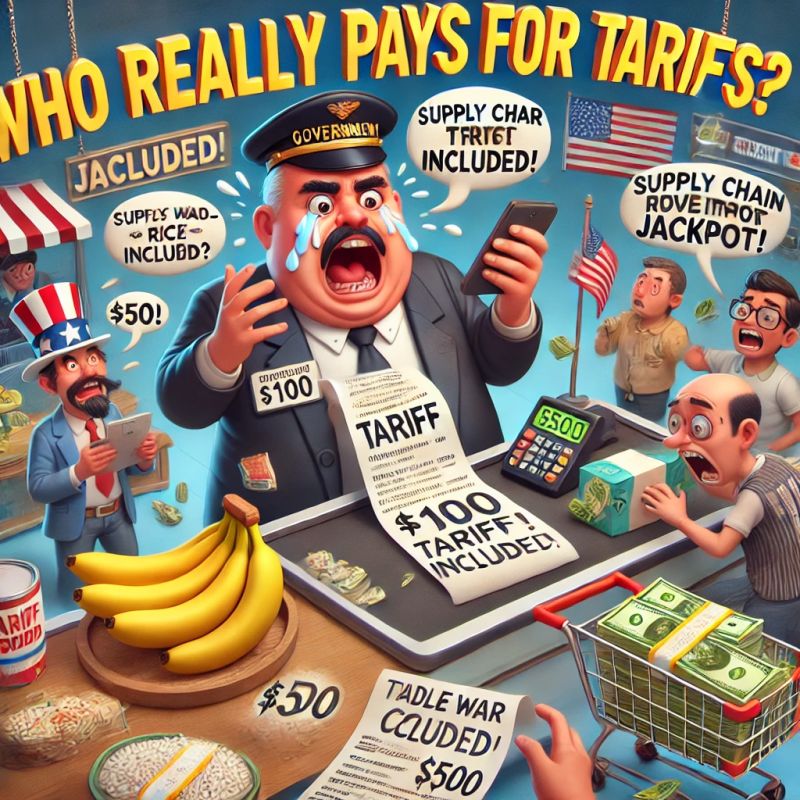
💰🌎 Tariff Wars: Who Really Pays the Price?
As governments escalate trade wars, businesses adjust supply chains, and consumers brace for price hikes, are tariffs truly protecting economies, or just shifting the cost?
🚨 Who Pays for Tariffs?
📉 Consumers Bear the Burden – 60% of tariff costs are passed on to consumers through higher prices. (IMF, 2024)
📉 Businesses Face Higher Costs – US companies paid $105B in tariffs since 2018, impacting supply chains. (USTR, 2024)
📉 Job Loss Risks – Tariffs on auto parts could cost 700K US jobs as production shifts. (Peterson Institute, 2024)
📉 Inflation Pressure – Every 10% tariff hike increases inflation by 0.5% globally. (World Bank, 2024)
📌 Reality Check: Tariffs aren’t just taxes on imports—they’re taxes on people.
🏆 Who Benefits?
✅ Governments Cash In – Tariffs generated $80B for the US Treasury in 2023. (USTR, 2024)
✅ Local Manufacturers Get Protection – Steel & aluminum industries saw a 20% production boost. (Reuters, 2024)
✅ Nearshoring Countries Profit – Mexico & Vietnam gained $65B in trade diversions from China. (IMF, 2024)
📌 Reality Check: While some industries win, the average consumer still loses.
🔮 What’s Next?
💡 Regional Trade Over Globalization – Supply chains are shifting closer to home to avoid tariff risks.
💡 Digital & AI Trade Solutions – Automated trade processing could reduce costs by 15%. (McKinsey, 2024)
💡 Green Tariffs Rising – Carbon-based tariffs will add new costs to imports, reshaping global trade. (EU CBAM, 2024)
📌 Reality Check: The cost of tariffs may outweigh the benefits if trade wars escalate.
🏆 KeyTakeaway
Tariffs could be a tool for protecting industries, should be used strategically, but would be an economic strain if prices keep rising.
👉 Who really pays for the trade war—governments, businesses, or you?
TradeWar Tariffs GlobalEconomy SupplyChainCrisis Inflation
Originally published on LinkedIn on 2025-02-05 16:37:39: https://www.linkedin.com/feed/update/urn%3Ali%3AgroupPost%3A2474261-7292944474018611204

