Sodium_Ion “Third Lane”: Why Range Is a Lazy Metric
Dr. Anju Sharma | MrsSustainability | KtalystKlues™
The EV industry is still flexing range, but range is a showroom metric.
DiggingDeeper:
Chemistry → Heat → Charging → Degradation → Lifecycle Carbon
Sodium-ion is not here to “kill” lithium.
It is here to build the Third Lane:
not premium range,
not lowest-cost compromise, thermal-carbon discipline for high-cycle, hot-climate mobility.
1. MineralMath: The Mine Comes Before the Mile
A battery’s carbon story starts before the vehicle moves.
✓ LFP / NMC: lithium, nickel, cobalt, graphite dependency
✓ Sodium-ion: abundant sodium, hard-carbon anodes, aluminium current collectors
✓CATL’s Naxtra sodium-ion platform has reported 170–175 Wh/kg energy density.
That means Na-ion is no longer a “low-density side quest.
It is becoming an LFP-adjacent contender.
Cross to watch:
✗ lower energy density than premium lithium chemistries
✓ stronger supply-chain optionality
✓ lower mineral-intensity logic
2. ThermalStack: Heat Is Silent Depreciation
India, Southeast Asia, and the Middle East do not test EVs gently.
They test them in heat.
Cooling is not free.
It adds:
✗ weight
✗ cost
✗ power draw
✗ pack complexity
✗ carbon load
Na-ion signal: reported operating window around -40°C to 70°C.
A cooler, more stable pack is not only safer.
It is better system economics:
✓ less cooling stress
✓ lower degradation risk
✓ longer battery life
✓ lower replacement carbon
3. 10KCycleQuestion: Fast Charging Has a Cost
Fast charging is not just convenience.
It can be a degradation event.
For fleets, the money is not in one heroic range claim.
It is in pack behaviour after:
1,000 cycles. 3,000 cycles. 5,000 cycles. Real roads. Real heat. Real charging abuse.
CATL claims Naxtra can deliver 10,000 cycles, if proven, this shifts the EV metric from:
✗ cost per kWh
to
✓ carbon per useful kilometre
4. 60GWhSignal: BESS Proves, Mobility Scales
Sodium-ion is no longer just a lab story. CATL has signed a 60 GWh, three-year sodium-ion supply deal with Beijing HyperStrong.
Why it matters:
✓ storage validates safety
✓ storage tests cycle life
✓ storage builds manufacturing confidence
✓ storage improves bankability
✓ mobility then scales the learning
BESS proves the system.
EVs monetise the chemistry.
TheThirdLane Equation
Sustainable EV = Lower Mineral Intensity × Thermal Stability ÷ Replacement Probability
Where Na-ion could win first:
✓ 2W / 3W
✓ city EVs
✓ last-mile logistics
✓ depot-charged fleets
✓ hot-climate mobility
✓ EV + charging + storage ecosystems
High-sweat. High-cycle. High-carbon-impact.
KtalystKlue
Lithium gave EVs range.
LFP gave EVs cost discipline.
Sodium-ion may give EVs thermal-carbon discipline. A smarter system.
KtalystEVSlates™ KtalystInsights™ KtalystKeystone KtalystKlues™ KtalystGreenLove SodiumIon EVBattery ThermalManagement CarbonFootprint SustainableMobility EnergyTransition CleanMobility
Originally published on LinkedIn on 2026-05-02 01:38:47: https://www.linkedin.com/feed/update/urn%3Ali%3Ashare%3A7456155194465243136
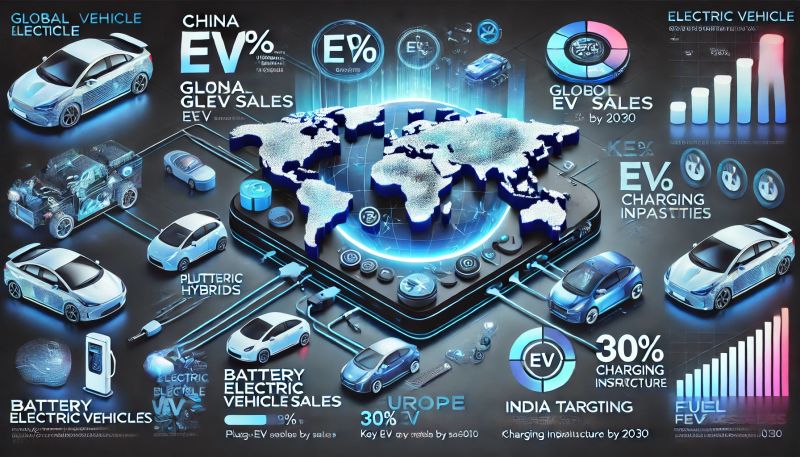
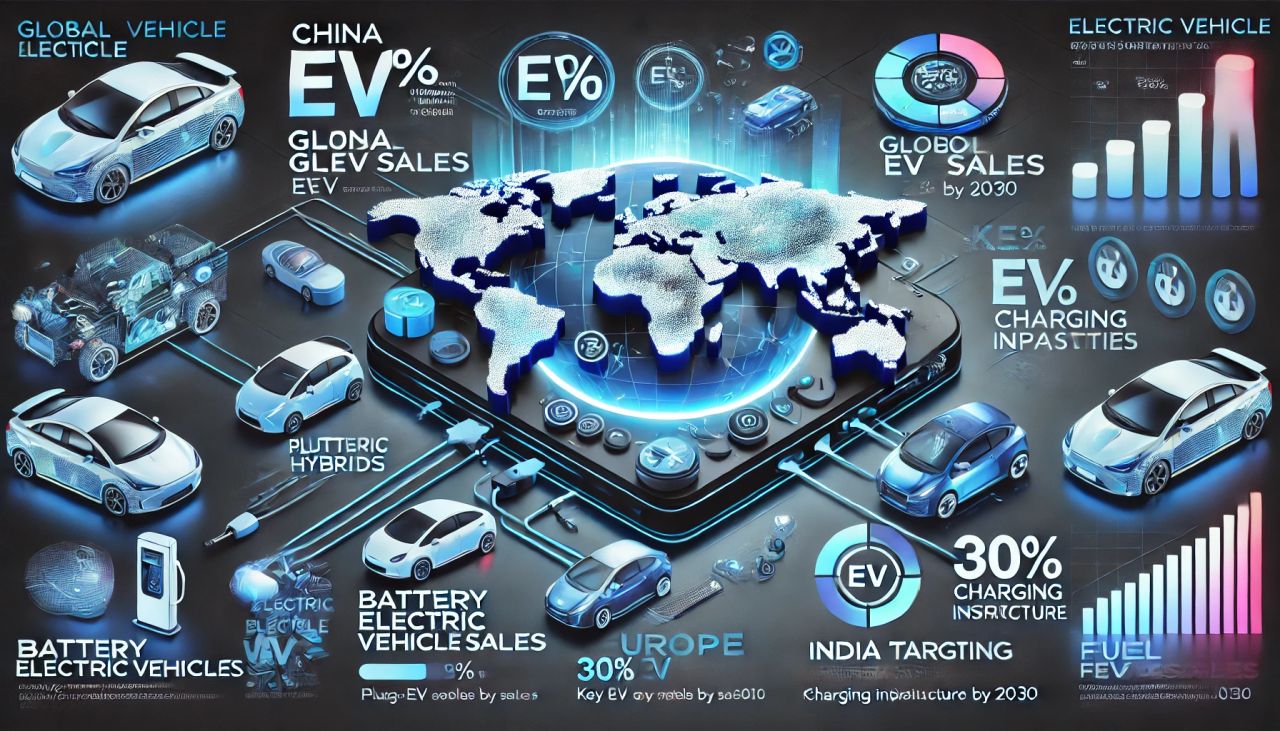
🚗⚡ EV KnowledgeSeries – Global_Perspective
🔋 What is an EV?
🔹 Uses electric motors for propulsion, reducing fossil fuel dependency.
🔹 Lowers carbon footprint, improves energy efficiency.
🔌 Types of EVs
🔋 BEVs: Fully electric, no fuel. ⚡ Tesla Model 3, Nissan Leaf
🔋 HEVs: Fuel + electric motor, self-charging. 🚗 Toyota Prius, Honda City e:HEV
🔋 PHEVs: Can be externally charged + fuel engine. 🔌 BMW 330e, Mitsubishi Outlander PHEV
🔋 FCEVs: Hydrogen fuel cell-powered. 💧 Toyota Mirai, Hyundai Nexo
📈 Global EV Market Trends
🔹 #🌍 Market Share (2024)
🔋 China: 🇨🇳 60% global EV sales.
🔋 Europe: 🇪🇺 30%+ EV adoption, Norway 80% EV sales.
🔋 USA: 🇺🇸 Rapid Tesla-led expansion.
🔋 India: 🇮🇳 5% market share, 30% target by 2030.
🔹 #🚘 Top EV Brands (2024)
🔋 #🥇 BYD (China) – 3.0M units.
🔋 #🥈 Tesla (USA) – 2.5M units.
🔋 #🥉 Volkswagen (Germany) – 1.5M units.
🔋 #🏅 Hyundai-Kia (Korea) – 1.2M units.
🔋 #🎖 Tata Motors (India) – 200K units.
⚡ EV Charging Infrastructure
🔹 #🚀 Charging Types
🔋 AC Slow Charging: ⏳ 6-12 hours (home, public).
🔋 DC Fast Charging: ⚡ 30-60 mins (public stations).
🔋 Ultra-Fast Charging: 🚀 <15 mins (Tesla Superchargers).
🔹 #🌍 Global Charging Stats
🔋 China: 🇨🇳 5M+ chargers (largest).
🔋 Europe: 🇪🇺 2.5M+ chargers.
🔋 USA: 🇺🇸 800K+ chargers.
🔋 India: 🇮🇳 10K+ chargers, 1M target by 2030.
🏛 Government Policies & Incentives
🔹 #💰 EV Incentives (2024)
🔋 #🇺🇸 USA: $7,500 tax credit.
🔋 #🇨🇳 China: Subsidies + free EV license plates.
🔋 #🇪🇺 EU: CO₂ limits, ICE ban 2035.
🔋 #🇮🇳 India: FAME-II, 5% GST, state subsidies.
🔹 #🚫 Emission Regulations
🔋 EU: ICE ban by 2035.
🔋 California: 100% ZEVs by 2035.
🔋 China: 40% EV target by 2030.
🚧 EV Challenges & Solutions
🔹 #⚠️ Challenges
🔋 Battery Cost & Supply – Lithium shortage.
🔋 Charging Infra – Insufficient fast chargers.
🔋 Range Anxiety – Fear of running out of charge.
🔋 High Cost – EVs costlier than ICE cars.
🔋 Grid Strain – Rising power demand.
🔹 #💡 Solutions
🔋 #✅ Battery Innovation – Solid-state tech.
🔋 #✅ Faster Charging – Ultra-fast networks.
🔋 #✅ Policy Push – More subsidies & infra funding.
🔮 Future of EVs – What’s Next?
🔹 #📌 2030+ Predictions
🔋 #🔹 EVs = 40-50% of new sales.
🔋 #🔹 50% cheaper batteries.
🔋 #🔹 Hydrogen FCEVs for trucking.
🔋 #🔹 V2G tech: EVs power grids.
🔋 #🔹 Solar-powered EVs.
🚀 TheEVRevolutionIsNow SustainableMobility TheFutureIsElectric
Originally published on LinkedIn on 2025-03-10 13:29:07: https://www.linkedin.com/feed/update/urn%3Ali%3Ashare%3A7304855827301961729
🚨 India’s EVRegulations 2025: What’s New & What It Means for the Industry? ⚡🚗
With EV sales in India growing 49% YoY, new regulatory shifts are shaping the future of the sector. The latest policies focus on local manufacturing, safety standards, & market expansion while setting new rules for charging infrastructure & import incentives. Here’s what’s changing:
📊 Key EV Policy Updates & Their Impact
🔹 Investment Caps on Charging Infrastructure
📌 The Indian Government now limits EV manufacturers to count only 5% of their total investment in charging networks toward the #$500M minimum investment required for lower import tariffs.
📌 Why It Matters? This ensures priority to local EV production, reducing reliance on imports. (Source)
🔹 Tesla’s Entry & Market Implications
📌 Tesla is setting up showrooms in Mumbai & New Delhi and exploring local production. However, high import duties (up to 100%) could push Tesla’s pricing into the luxury segment, making affordability a challenge.
📌 EV Market Reality: The average car price in India is #$10,000-$15,000, while a Tesla Model 3 would cost over #$50,000 without local assembly. (Source)
🔹 Stricter Safety & Battery Standards
📌 BIS (Bureau of Indian Standards) introduces new EV safety rules, requiring all EVs to meet upgraded performance & fire safety benchmarks.
📌 Battery Regulation: EV battery makers must obtain AIS 156 certification from ARAI (Automotive Research Association of India) to ensure safety compliance.
📌 Why It Matters? India aims to reduce EV fire risks, ensuring consumer safety and boosting market confidence. (Source)
🔹 Union Budget 2024-25: EV Industry Boost
📌 Customs duty exemptions on 25 critical minerals used in EV battery production will lower manufacturing costs.
📌 PLI (Production-Linked Incentive) expansion aims to reduce import dependency & boost domestic production.
📌 FAME III (Faster Adoption & Manufacturing of Electric Vehicles) is expected to focus on charging infrastructure expansion. (Source)
⚡ The Takeaway: What’s Next for India’s EV Industry?
🚀 EV penetration in India is at 2% but projected to hit 30% by 2030.
🚀 Government policies favor local EV manufacturing over imports.
🚀 Safety & compliance measures will shape consumer trust & adoption.
📢 Will these new regulations accelerate India’s EV transition or slow global players like Tesla? Let’s discuss! 👇
Source / shared link: https://m.economictimes.com/industry/renewables/govt-set-to-notify-new-ev-policy-with-new-investment-rules-as-tesla-prepares-for-india-entry/articleshow/118415610.cms
Originally published on LinkedIn on 2025-02-27 06:19:45: https://www.linkedin.com/feed/update/urn%3Ali%3AgroupPost%3A82093-7300761508139974656
🌍 NamasteBharatMobility Global Expo 2025: Driving_India_Towards_a_Greener_Future 🚗⚡
Inaugurated by Prime Minister Narendra Modi, the BharatMobilityExpo 2025 is setting the stage for India to shine as a global leader in sustainablemobility and innovation. This landmark event aligns with the nation’s vision of ‘Viksit Bharat by 2047’, showcasing the latest advancements in electricvehicles, renewableenergyintegration, and cuttingedgeinfrastructure.
🚀 Key Highlights from Day 1
📌 Maruti Suzuki e Vitara
🛻 Electric SUV with 500+ km range
💡 Features: 10-way powered driver’s seat, 7 airbags
📅 Launch: March 2025
📌 Hyundai Creta Electric
💰 Introductory Price: ₹17.99–₹23.50 lakh (approx. $21,700–$28,400 USD)
🔋 Range: 473 km
📱 Advanced Features: Digital key, memory settings for the driver’s seat
📌 Toyota Urban Cruiser BEV Concept
🚗 Futuristic design, built on the Maruti e Vitara platform
🔌 Developed to cater to India’s green mobility goals
📌 Tata Motors: Electrifying the Spotlight
Sierra EV: Near-production model
Harrier EV: Showcasing sustainable luxury
Special Editions: Bandipur and Stealth Editions
📌 BMW iX1 LWB
🚙 Long-wheelbase luxury EV with a 531 km range
🌟 Catering to India’s growing demand for premiumelectricSUVs
🌟 Why Bharat Mobility Global Expo Matters
🔋 Sustainability at its Core:
Reinforcing India’s commitment to reducing carbon emissions and driving green technology adoption.
🌐 Global Collaboration:
Over 1,000 brands from 13 global markets unite to showcase the future of mobility.
🏛️ World-Class Venues:
Bharat Mandapam
Yashobhoomi
India Expo Centre & Mart
🚗 A Glimpse into the Future:
The event is more than a showcase—it’s a movement towards a cleaner, greener, and innovative India.
💡 India: The Mobility Powerhouse
With a focus on electricvehicles, renewableenergy, and futurereadyinfrastructure, this expo isn’t just about unveiling vehicles; it’s about redefining mobility and creating opportunities for businesses and investors to be part of India’s growth story.
👉 Let’s lead the charge together toward a sustainable tomorrow!
Originally published on LinkedIn on 2025-01-17 17:35:18: https://www.linkedin.com/feed/update/urn%3Ali%3AgroupPost%3A82951-7286073612950790145

