🌍 NamasteIndia Series: Bioplastic Asia vs West in the GreenPackagingRace ♻️
KtalystInsights BioPlasticAsia NamasteIndia CircularEconomy GreenMyths SustainableMaterials PolicyToPlastic
🔬 Japan 🇯🇵
Marine-degradable PHA (Polyhydroxyalkanoates), seaweed-based plastics
¥6.3B biomass R&D (2023)
Clean design meets ocean-safe mindset
🌱 India 🇮🇳
PLA (Polylactic Acid), starch blends, bagasse-based films
Single-use plastic ban (2022)
Only ~5% of cities with compost infra ⚠️
High startup energy, but systems lag
🔁 SouthKorea 🇰🇷
Cellulose acetate and biodegradable blends
EPR (Extended Producer Responsibility) enforcement
Target: 20% landfill reduction by 2030
🏙️ China 🇨🇳
PBAT (Polybutylene Adipate Terephthalate), cassava-starch blends
Plastic bans in 80+ cities
Scaling fast, but traceability gaps remain
🌊 Indonesia 🇮🇩
Seaweed to sachets & foams (e.g., Evoware)
Addressing 650K tons/year marine waste
Local solutions, global promise
🧪 Thailand 🇹🇭
Leading exporter of PLA (Polylactic Acid)
Target: 30% bio-based plastic production by 2030
Composting infrastructure growing with state support
🧬 USA 🇺🇸
PHA, PBAT, PLA (NatureWorks, Danimer Scientific)
$400M+ bioplastic investment (2022–24)
Regulation varies across states
♻️ EU (Germany, France, Italy) 🇪🇺
EN13432-certified PLA, bio-PET (Bio-based Polyethylene Terephthalate)
Plastic taxes, harmonized EPR policies
High consumer awareness + policy pressure
🎯 Decode the Label (with full forms):
✅ Biodegradable
Includes: PLA (Polylactic Acid), PHA (Polyhydroxyalkanoates), PBAT (Polybutylene Adipate Terephthalate)
Decomposes with microbes—but only under industrial composting conditions
♻️ EcoFriendly
Includes: Bio-PET (Bio-based Polyethylene Terephthalate), Cellulose acetate, long-life recyclable polymers
Designed for reuse, recycling, or low emissions—not necessarily biodegradable
🚫 PromotedPlastic
Often marketed with vague terms like “earth-safe” or “bio-enhanced
May be fossil-based with no proven lifecycle benefit
💡 India has the biomass, brains, and business base to lead this revolution.
👇 Who’s leading the real bioplastic breakthrough in your view—Japan’s deep-tech, Europe’s policy power, or India’s startup spirit? Drop a tag. Let’s unbox the buzz and build true circularity.
Originally published on LinkedIn on 2025-06-21 04:26:24: https://www.linkedin.com/feed/update/urn%3Ali%3AgroupPost%3A82951-7342045200246042624
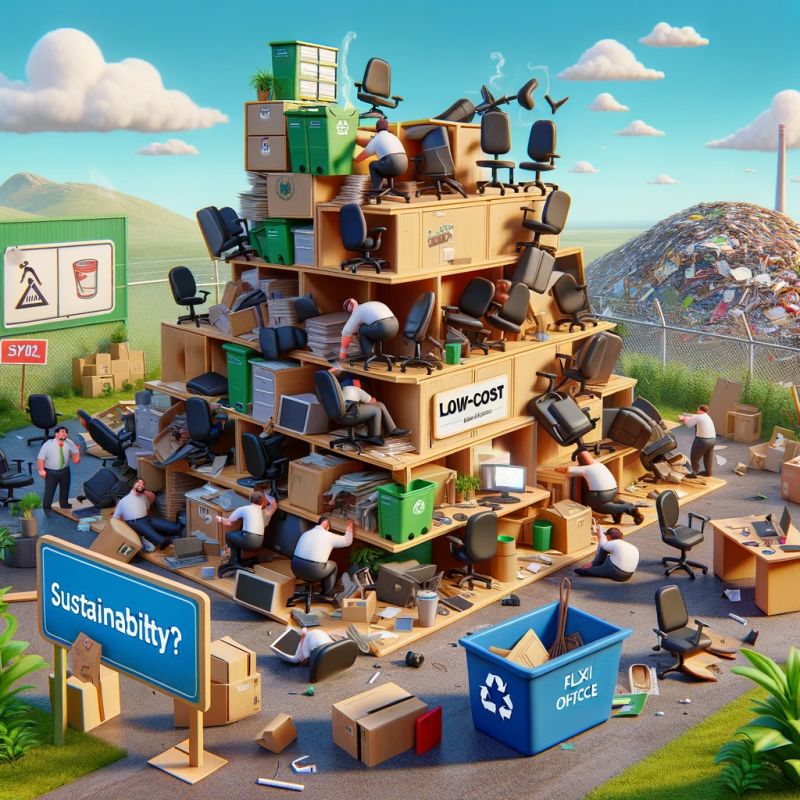
Knowledge Series: “Flexi Offices & Low_Cost Furniture – The Hidden Sustainability Crisis
You wouldn’t throw away your office every year—so why do we treat office furniture as disposable?
As FlexiOffices and coworking spaces boom, so does the demand for low-cost, fast furniture. While these setups are great for cost-cutting, they come with a massive environmental price tag—landfill waste, deforestation, and rising carbon emissions.
📊 The Hidden Environmental Cost of Flexi Office Trends
🔹 Furniture Waste Explosion
✔️ Over 12 million tons of furniture end up in landfills yearly in the US alone. (EPA, 2024)
✔️ 90% of discarded office furniture is non-recyclable due to toxic glues and laminates. (Circular Economy Report, 2024)
✔️ RealityCheck: The average lifespan of cheap office furniture? Just 5 years.
🔹 Deforestation & Resource Drain
✔️ The furniture industry drives 60% of illegal logging globally. (WWF, 2024)
✔️ One desk = One tree (50+ years to grow), yet most desks are discarded within 3-5 years. (FAO, 2024)
✔️ RealityCheck: The “cost-effective” furniture trend is accelerating deforestation and biodiversity loss.
🔹 Carbon Footprint & Toxic Chemicals
✔️ Many budget office setups rely on MDF and particleboard, releasing formaldehyde, a known carcinogen. (Environmental Health Report, 2024)
✔️ The furniture industry contributes 5% of global carbon emissions. (Carbon Trust, 2024)
✔️ RealityCheck: That “affordable” office setup could be an environmental nightmare.
🛠️ What Needs to Change?
✅ CircularEconomy Approach – Promote furniture leasing, second-hand markets, and repair initiatives.
✅ SustainableMaterials – Choose solid wood, bamboo, or recycled materials over disposable MDF.
✅ DesignForLongevity – Furniture should be modular, durable, and repairable—not landfill-bound.
🏆 KeyTakeaway
🌍 FlexiOffices could be both cost-efficient and sustainable with better material choices.
📉 They should be designed for reuse, not rapid disposal.
🚨 But they would be an environmental crisis if businesses prioritize cheap over green.
👉 Would you pay more for sustainable office furniture? Let’s discuss! 👇
Originally published on LinkedIn on 2025-02-21 14:47:52: https://www.linkedin.com/feed/update/urn%3Ali%3AgroupPost%3A2474261-7298715054588239872

