KnowledgeKtalyst BorderlineEconomics
TariffTantrums: Dishoomm! Wrackkkk! Welcome to
Tariffs don’t just tax goods—they throw punches across borders and rewrite the rules of global rivalry.
KtalystKeystone
⚔️ BAM! TariffsAsTactics
No longer boring fiscal tools—tariffs are now actionheroes of geopolitics. From steelslugfests to solarsmashes, every hike is a headline.
🌐 CRASH! GlobalSupplyGridlock
Container reroutes, productdelays, pricingchaos. When giants clash, supplychains duck and dive to survive.
💼 ZAP! BusinessUnusual
Margins shrink, strategies flip! Businesses now redesignproducts, repriceSKUs, and shift entire geographies overnight.
♻️ WHOOOSH! GreenTariffsGrow
CBAM enters the ring! Carbon is the new currency—polluterspay, innovatorsplay. A sustainable slugfest begins.
⚖️ CLANG! WTOWatch
WTO courts are buzzing. From sugar to semiconductors, the number of disputes is breaking records—and patience.
BOOM! 2025 in Numbers
134percent avg hike in India’s retaliatoryduties
125percent max UStariff on Chinesegoods
EUR75–90/ton CBAM impact on EU-bound cement & steel
78 active WTOdisputes—highest in a decade
So What?
This isn’t just trade—it’s globaldrama on a fiscalbattlefield. The world isn’t building walls—it’s erecting tarifftowers.
Stay tuned as KtalystKeystone unpacks the next plot twist in BorderlineEconomics


Originally published on LinkedIn on 2025-04-11 18:20:30: https://www.linkedin.com/feed/update/urn%3Ali%3AgroupPost%3A4023031-7316525567799918592
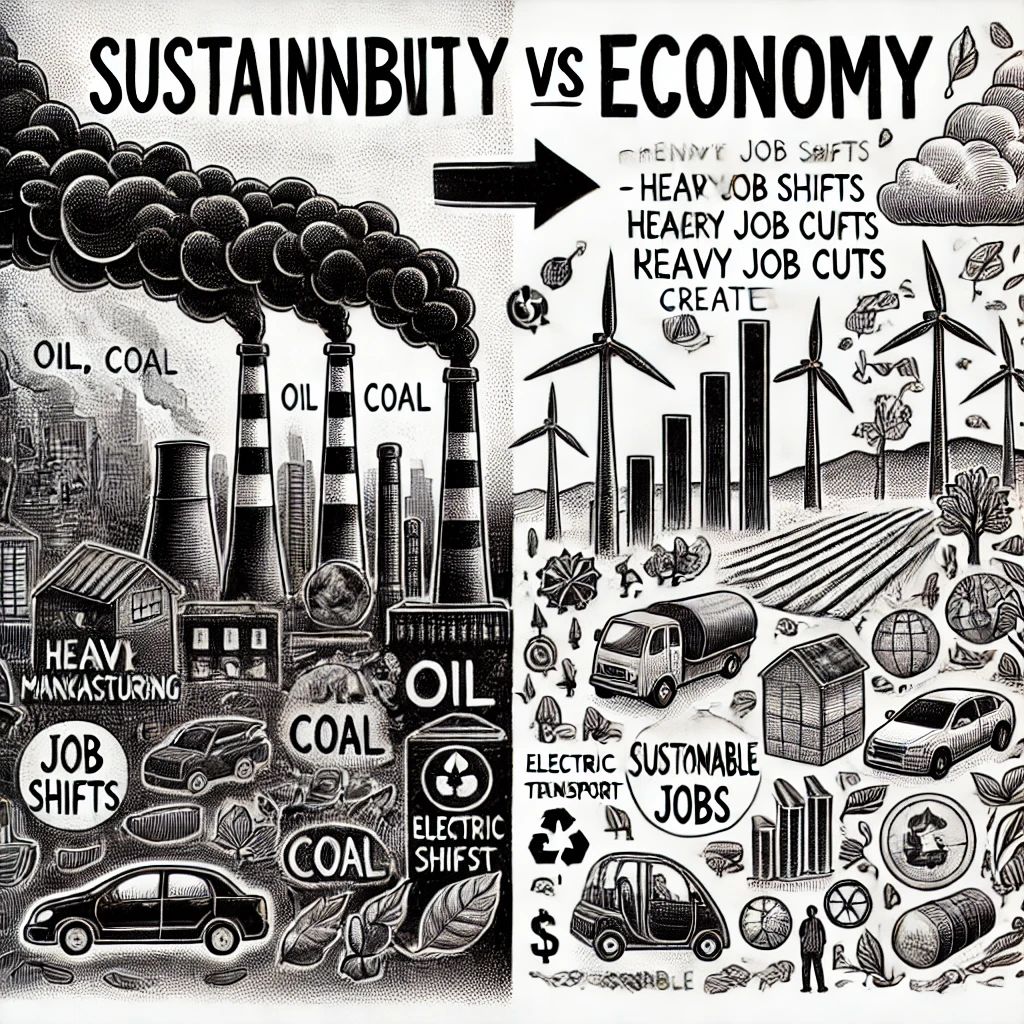
🚨 “TheGreenParadox: If the Top100 Polluters Go Green, Do Economies Go Red?” 🌍💸🔥
71% of global emissions come from just Just100 companies—but what happens if they actually go green?
📊 TheHardNumbers: Who’s Driving Emissions?
🔹 100Companies = 71% of Global Emissions (CDP Carbon Majors Report, 2025)
🔹 TotalMarketValue = $15.4 Trillion (Forbes, 2025)
🔹 Sectors Dominating Emissions:
✔️ Oil & Gas (ExxonMobil, Shell, Aramco, BP, Reliance) – 52% of global industrial CO₂.
✔️ Coal Giants (ChinaEnergy, Peabody, Glencore) – 14% of all emissions, powering entire nations.
✔️ Steel & Cement (ArcelorMittal, Holcim, TataSteel, JSW) – 8% of emissions, critical to infrastructure.
✔️ Shipping & Aviation (Maersk, Boeing, Delta, Emirates) – 5% of emissions, enabling global trade.
🚨 RealityCheck: Transitioning these industries overnight would shake economies to the core.
💰 TheEconomicCrashPotential
🔻 JobLosses in FossilFuel Sectors – 34M jobs globally depend on oil, coal, and heavy industries. (ILO, 2025)
🔻 GDPImpact on EmergingMarkets – India, China, and Indonesia rely on fossilfuels for 20-35% of GDP. (World Bank, 2025)
🔻 SupplyChain Disruptions – 42% of global logistics, steel, and chemicals are tied to high-emission industries. (McKinsey, 2025)
🔻 EnergyTransition Costs – Full decarbonization needs #$275T investment by 2050—but who’s paying? (IEA, 2025)
📌 TheDilemma: Accelerating sustainability risks a financialcrisis, while delaying it fuels climate disaster.
🔄 IsThereAMiddlePath?
🏆 IndustriesFindingBalance:
✅ SaudiAramco’s CarbonCapture Push – #$50B invested, but still expanding fossilfuel extraction.
✅ Tesla & BYD’s EVRevolution – EVs now 18% of global carsales, but lithiummining is a sustainability disaster.
✅ GreenSteel Investments (Hybrit, H2GreenSteel) – Promising tech, but adoption is too slow.
🚨 TheProblem: Green initiatives often don’t move fast enough—or they create new environmental costs.
🏆 KeyTakeaway: The TradeOff No One Wants to Talk About
📌 GoingGreen could be an economic revolution if planned strategically.
📌 ItShouldBe a shift that protects jobs, not eliminates them overnight.
📌 ItWouldBe an economicdisaster if industries collapse before sustainable alternatives scale.
👉 CanTheWorldAffordToDecarbonize without crashing economies? Drop your insights below! 👇
Originally published on LinkedIn on 2025-02-20 03:57:07: https://www.linkedin.com/feed/update/urn%3Ali%3AgroupPost%3A82951-7298188896939479040
🌍 Agriculture & Deforestation: The_Silent_Climate_Bomb
💡 NetZero is impossible without fixing Food & Land Use.
🔥 AFOLU (Agriculture, Forestry & Land Use) fuels 18-20% of global emissions—outpacing global transport, steel, and cement.
🚨 Yet, it’s under_discussed. The world’s biggest climate culprit is on your plate.
🌲 Deforestation – 10% of Global CO₂ Emissions
🟢 Tropical forests store 7.6B metric tons of CO₂ annually.
🔴 Clearing them releases 1.5B metric tons/year—more than Japan’s total emissions.
⚠️ 80% of Amazon deforestation is for cattle grazing & soy farming.
🐄 Livestock Methane – 6% of Global Emissions
🐂 1.5B cows = 100M metric tons of methane annually—more than all planes, cars & ships combined.
🔥 Methane is 28x stronger than CO₂ and rising fast.
🚨 Beef production alone is responsible for 41% of all livestock-related emissions.
🌾 Fertilizers & Soil_Emissions – 2-4% of Global GHGs
💥 N₂O is 265x worse than CO₂. It lingers for over 100 years.
🌎 China & India = 30% of global N₂O emissions—driven by excessive synthetic fertilizers.
💧 Runoff pollutes rivers, destroys soil, and creates oceanic dead zones.
✅ Climate Solutions with Real Impact
🌱 Reforestation & Agroforestry → Could offset 10-15% of global CO₂ annually.
🐄 Seaweed Feed for Cows → Reduces methane by 30-80%.
🌾 Precision Farming & Organic Alternatives → Cuts fertilizer emissions by 50%.
🍽️ DietShift (10% Less_Meat Globally) → Slashes methane by 60M metric tons.
📢 The food system is broken. The solution isn’t just electric cars—it’s on your plate.
🚀 Policy, investment & consumer choices must change—NOW.

Originally published on LinkedIn on 2025-02-12 14:43:03: https://www.linkedin.com/feed/update/urn%3Ali%3Ashare%3A7295452348695388160
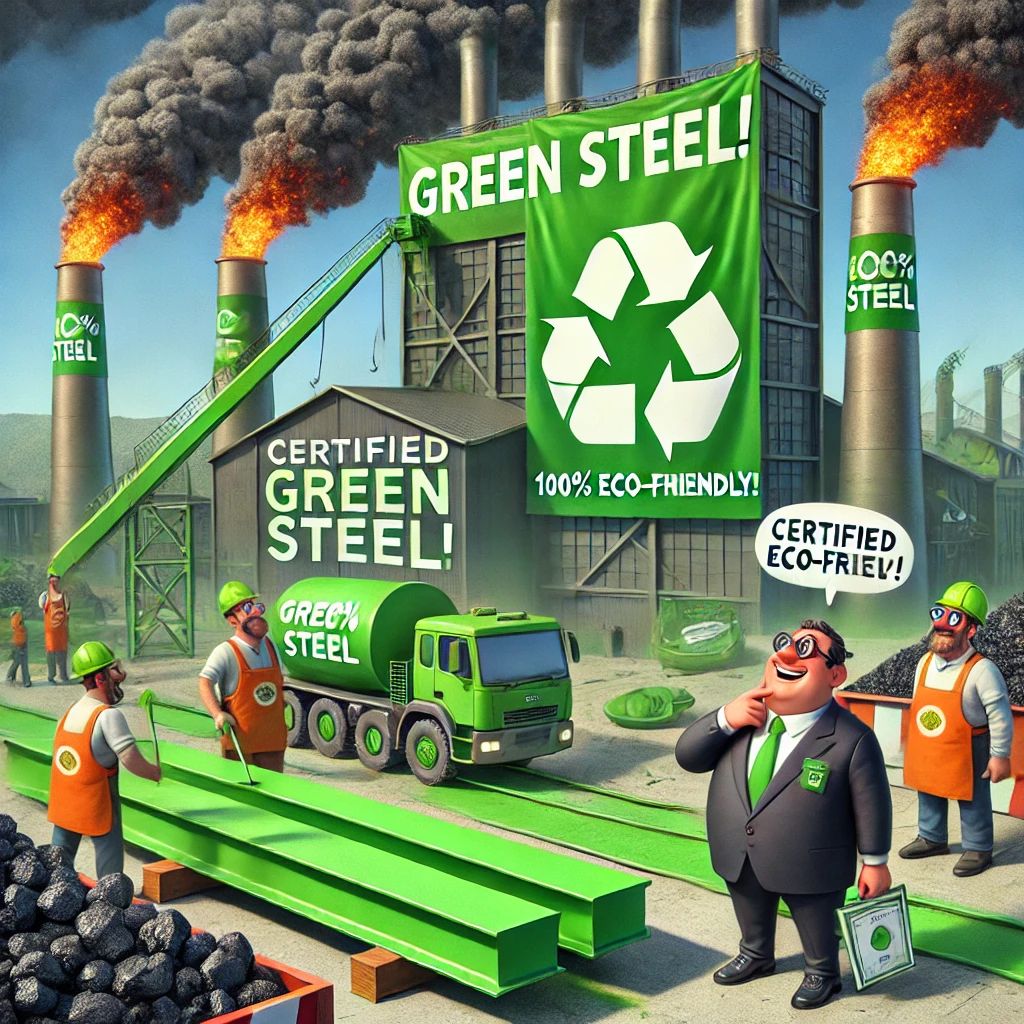
🚨 “The Great Green Steel Confusion: Real Sustainability or Just a Carbon Mirage?” 🌍🔥🔩
The steel industry contributes 8% of global CO₂ emissions, yet companies rush to brand their products as “green steel” while still running on coal. With 2030 and 2050 net-zero targets, is this real progress or just a well-marketed illusion?
📊 Green Steel: Who’s Leading & Who’s Greenwashing?
🔹 United States 🇺🇸 – U.S. Steel & Nucor claim sustainability, yet 74% of production relies on coal, delaying carbon neutrality until 2055. (IEA, 2025)
🔹 European Union 🇪🇺 – Net-zero by 2050, but only 10% of steel plants are transitioning to hydrogen, with heavy reliance on carbon offsets. (World Steel Association, 2025)
🔹 China 🇨🇳 – Produces 55% of global steel, pledged net-zero by 2060, yet 92% of operations still run on coal. (OECD, 2025)
🔹 India 🇮🇳 – Tata & JSW Steel target 2045 net-zero, but 80% of India’s steel output remains carbon-intensive, with <3% green investment. (IEA, 2025)
📌 RealityCheck: Most “green steel” claims lack real emission cuts.
📉 The Hard Truth About Green Steel
🚨 70% of global steel production still relies on coal, emitting 2.2 tons of CO₂ per ton of steel. (IEA, 2025)
🚨 Carbon offsets cover just 5% of emissions; most reductions exist only on paper. (Carbon Market Watch, 2025)
🚨 Hydrogen-based steel is <1% of production, requiring $500B+ investment to scale. (World Steel Association, 2025)
🚨 Fossil-free steel won’t be widely available before 2070, delaying net-zero goals. (OECD, 2025)
📌 RealityCheck: Green steel is still mostly a marketing play.
🏆 Who’s Actually Delivering?
✅ H2 Green Steel (Sweden 🇸🇪) – 100% hydrogen-powered plant launching 2026. (WEF, 2025)
✅ Thyssenkrupp (Germany 🇩🇪) – €2B hydrogen investment, aiming for 3.5M ton CO₂ cuts/year by 2040. (IEA, 2025)
✅ SSAB (Nordics 🇸🇪🇫🇮🇳🇴) – 100% fossil-free steel in pilot phase, hitting markets by 2026. (World Steel Association, 2025)
📌 RealityCheck: Few are pushing real decarbonization—most are just branding.
🏆 KeyTakeaway
The steel industry could be the backbone of a clean revolution, should be scaling hydrogen steel, but would be one of the biggest greenwashing culprits if action doesn’t match promises.
👉 Is ‘green steel’ real progress or just a carbon mirage? Drop your thoughts below! 👇
Originally published on LinkedIn on 2025-02-11 13:56:37: https://www.linkedin.com/feed/update/urn%3Ali%3AgroupPost%3A82951-7295078278359322625
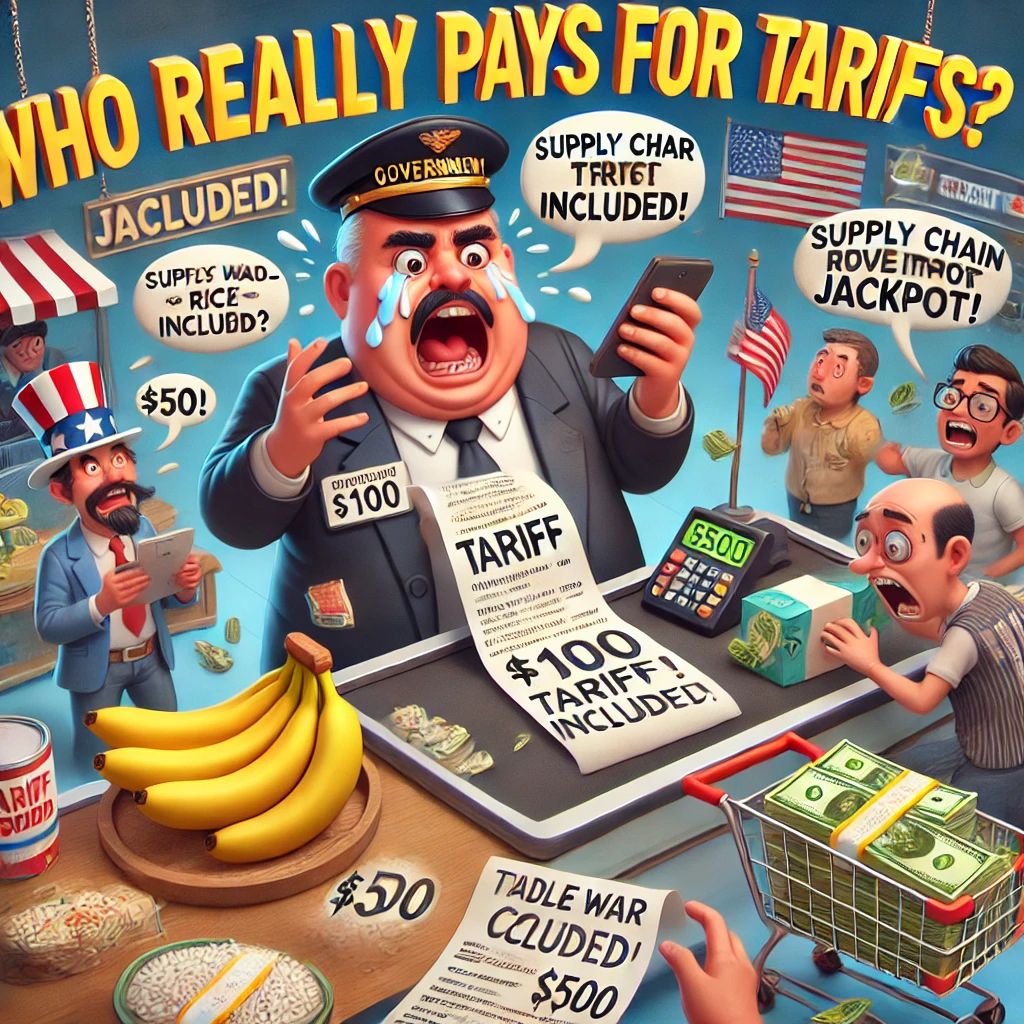
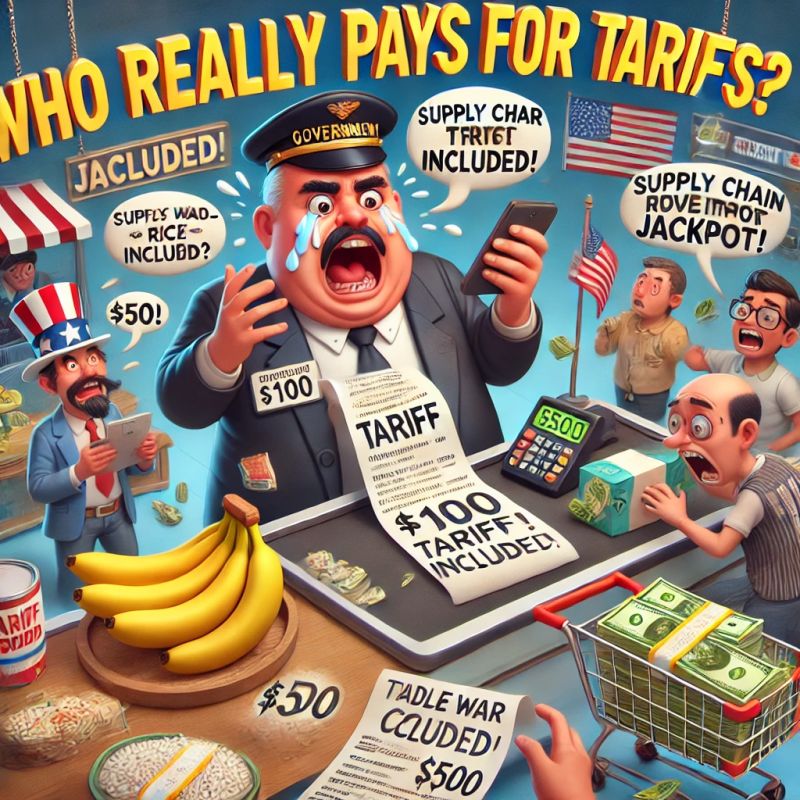
💰🌎 Tariff Wars: Who Really Pays the Price?
As governments escalate trade wars, businesses adjust supply chains, and consumers brace for price hikes, are tariffs truly protecting economies, or just shifting the cost?
🚨 Who Pays for Tariffs?
📉 Consumers Bear the Burden – 60% of tariff costs are passed on to consumers through higher prices. (IMF, 2024)
📉 Businesses Face Higher Costs – US companies paid $105B in tariffs since 2018, impacting supply chains. (USTR, 2024)
📉 Job Loss Risks – Tariffs on auto parts could cost 700K US jobs as production shifts. (Peterson Institute, 2024)
📉 Inflation Pressure – Every 10% tariff hike increases inflation by 0.5% globally. (World Bank, 2024)
📌 Reality Check: Tariffs aren’t just taxes on imports—they’re taxes on people.
🏆 Who Benefits?
✅ Governments Cash In – Tariffs generated $80B for the US Treasury in 2023. (USTR, 2024)
✅ Local Manufacturers Get Protection – Steel & aluminum industries saw a 20% production boost. (Reuters, 2024)
✅ Nearshoring Countries Profit – Mexico & Vietnam gained $65B in trade diversions from China. (IMF, 2024)
📌 Reality Check: While some industries win, the average consumer still loses.
🔮 What’s Next?
💡 Regional Trade Over Globalization – Supply chains are shifting closer to home to avoid tariff risks.
💡 Digital & AI Trade Solutions – Automated trade processing could reduce costs by 15%. (McKinsey, 2024)
💡 Green Tariffs Rising – Carbon-based tariffs will add new costs to imports, reshaping global trade. (EU CBAM, 2024)
📌 Reality Check: The cost of tariffs may outweigh the benefits if trade wars escalate.
🏆 KeyTakeaway
Tariffs could be a tool for protecting industries, should be used strategically, but would be an economic strain if prices keep rising.
👉 Who really pays for the trade war—governments, businesses, or you?
TradeWar Tariffs GlobalEconomy SupplyChainCrisis Inflation
Originally published on LinkedIn on 2025-02-05 16:37:39: https://www.linkedin.com/feed/update/urn%3Ali%3AgroupPost%3A2474261-7292944474018611204
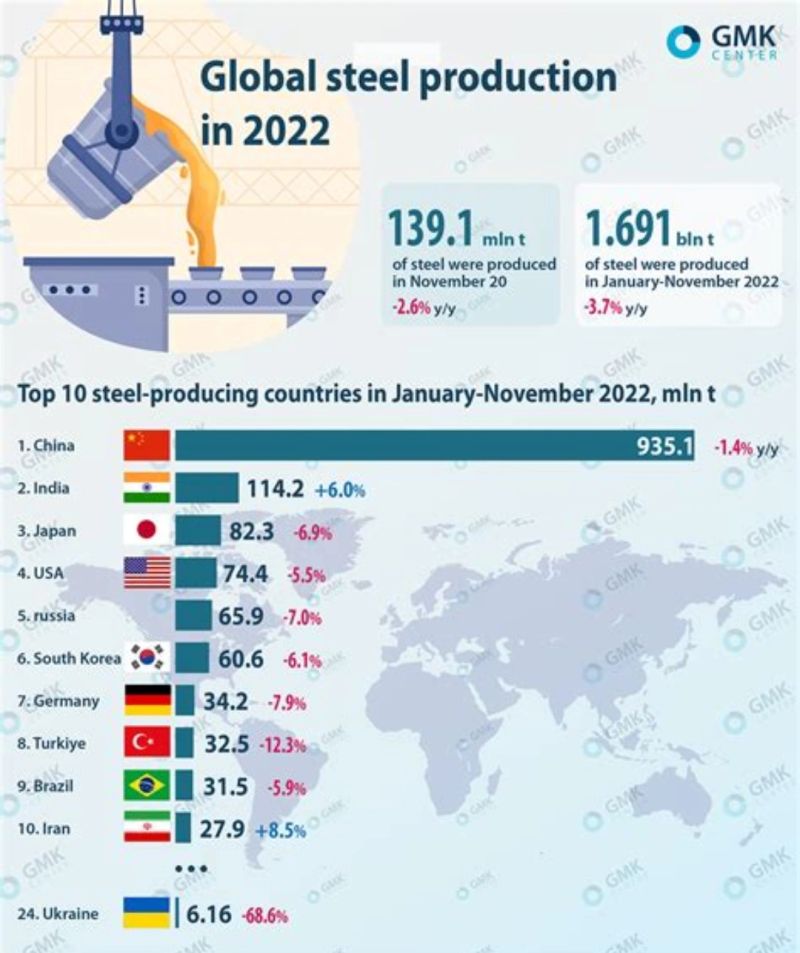
Protecting Local Steel: Malaysia’s Stand Against Unfair Trade Practices
Malaysia’s Strategic Move
Malaysia has taken decisive action to safeguard its domestic steel industry by imposing anti-dumping duties on imports of flat-rolled iron or non-alloy steel from four major exporting nations. Here’s what you need to know:
Key Highlights:
🌏 Targeted Nations:
🇨🇳 China: Duty up to 36.80%
🇮🇳 India: Duty between 2.52% – 36.80%
🇯🇵 Japan: Duty between 2.52% – 36.80%
🇰🇷 South Korea: Duty up to 36.80%
#🛠️ Affected Products:
Flat_rolled iron or non-alloy steel products, >600mm width
#📅 Effective Date:
January 11, 2025, for a 120-day provisional period
#🕒 Final Decision:
Expected by May 10, 2025
#🚨 Why This Matters
#📉 Unfair Trade Practices:
Imports were allegedly priced below production costs in their home countries, causing harm to Malaysian manufacturers.
#🏗️ Protecting Local Industry:
These duties aim to level the playing field and shield local businesses from unfair pricing.
#📊 Key Statistics on Anti-Dumping Measures:
Malaysia has enforced 9 anti-dumping actions between 2015 and 2023.
Currently investigating 4 ongoing cases targeting steel and plastic products.
#🌟 Impact on Trade
#🇨🇳 China: Frequent subject of anti-dumping investigations in Malaysia.
#🇮🇳 India: Faces growing scrutiny for its export practices.
#🇯🇵 Japan: High-quality steel imports challenge local markets.
#🇰🇷 South Korea: A competitive player in Malaysia’s steel sector.
Malaysia’s commitment to fair trade sends a strong message to global exporters. By imposing these duties, the government is safeguarding local industries, ensuring economic stability, and fostering long-term growth.
#💬 What are your thoughts on these measures? Let’s discuss below.

Originally published on LinkedIn on 2025-01-14 11:28:07: https://www.linkedin.com/feed/update/urn%3Ali%3AgroupPost%3A2368335-7284894047507206146
NamasteIndia – Reasons for India’s High Anti-Dumping Cases**:
Market Size: India’s large consumer market attracts foreign suppliers, leading to increased trade volume and potential disputes.
Domestic Industry Protection**: India uses anti-dumping measures to safeguard local industries from unfair competition by imported goods.
Global Trade Dynamics: As a major player in international trade, India encounters more instances of dumping practices.
Sector-Specific Issues: Certain sectors, such as steel, chemicals, and textiles, face intense competition and are prone to anti-dumping actions.
Originally published on LinkedIn on 2024-07-27 13:34:14: https://www.linkedin.com/feed/update/urn%3Ali%3AgroupPost%3A60128-7222957457717792768
NamasteIndia – Reasons for India’s High Anti-Dumping Cases**:
Market Size: India’s large consumer market attracts foreign suppliers, leading to increased trade volume and potential disputes.
Domestic Industry Protection**: India uses anti-dumping measures to safeguard local industries from unfair competition by imported goods.
Global Trade Dynamics: As a major player in international trade, India encounters more instances of dumping practices.
Sector-Specific Issues: Certain sectors, such as steel, chemicals, and textiles, face intense competition and are prone to anti-dumping actions.
Originally published on LinkedIn on 2024-07-27 13:34:07: https://www.linkedin.com/feed/update/urn%3Ali%3Ashare%3A7222957429288783872
NamasteIndia applauds Tata Steel as it becomes first Indian steel company to complete fully loaded voyage from Australia to India on B24 biofuel. Also sending a Hurray to Tata Steel for setting a benchmark for super sustainable efforts for the industry!!!
Download Economic Times App to stay updated with Business News –
https://lnkd.in/gvCUBh-r
Originally published on LinkedIn on 2024-05-13 16:44:47: https://www.linkedin.com/feed/update/urn%3Ali%3Ashare%3A7195826322147848192

