🚨 “TheGreenParadox: If the Top100 Polluters Go Green, Do Economies Go Red?” 🌍💸🔥
71% of global emissions come from just Just100 companies—but what happens if they actually go green?
📊 TheHardNumbers: Who’s Driving Emissions?
🔹 100Companies = 71% of Global Emissions (CDP Carbon Majors Report, 2025)
🔹 TotalMarketValue = $15.4 Trillion (Forbes, 2025)
🔹 Sectors Dominating Emissions:
✔️ Oil & Gas (ExxonMobil, Shell, Aramco, BP, Reliance) – 52% of global industrial CO₂.
✔️ Coal Giants (ChinaEnergy, Peabody, Glencore) – 14% of all emissions, powering entire nations.
✔️ Steel & Cement (ArcelorMittal, Holcim, TataSteel, JSW) – 8% of emissions, critical to infrastructure.
✔️ Shipping & Aviation (Maersk, Boeing, Delta, Emirates) – 5% of emissions, enabling global trade.
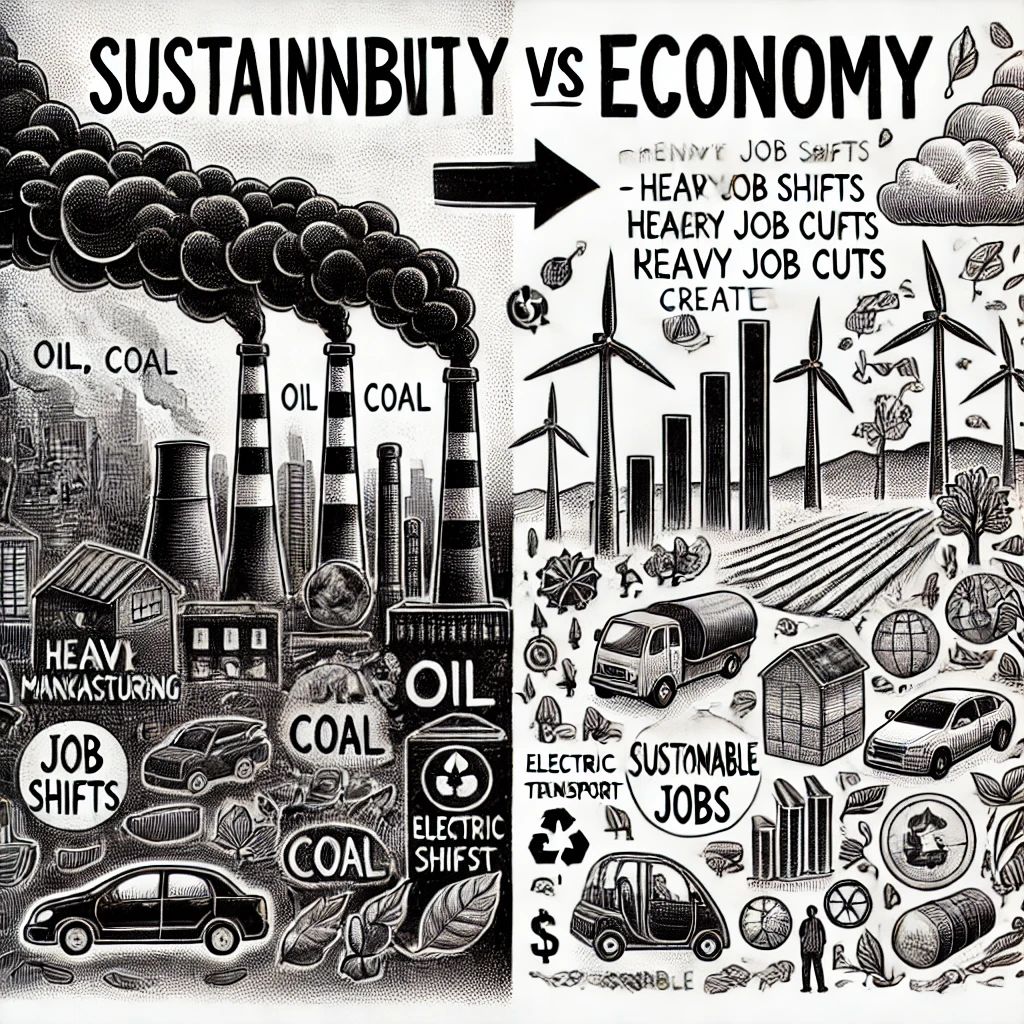
🚨 RealityCheck: Transitioning these industries overnight would shake economies to the core.
💰 TheEconomicCrashPotential
🔻 JobLosses in FossilFuel Sectors – 34M jobs globally depend on oil, coal, and heavy industries. (ILO, 2025)
🔻 GDPImpact on EmergingMarkets – India, China, and Indonesia rely on fossilfuels for 20-35% of GDP. (World Bank, 2025)
🔻 SupplyChain Disruptions – 42% of global logistics, steel, and chemicals are tied to high-emission industries. (McKinsey, 2025)
🔻 EnergyTransition Costs – Full decarbonization needs #$275T investment by 2050—but who’s paying? (IEA, 2025)
📌 TheDilemma: Accelerating sustainability risks a financialcrisis, while delaying it fuels climate disaster.
🔄 IsThereAMiddlePath?
🏆 IndustriesFindingBalance:
✅ SaudiAramco’s CarbonCapture Push – #$50B invested, but still expanding fossilfuel extraction.
✅ Tesla & BYD’s EVRevolution – EVs now 18% of global carsales, but lithiummining is a sustainability disaster.
✅ GreenSteel Investments (Hybrit, H2GreenSteel) – Promising tech, but adoption is too slow.
🚨 TheProblem: Green initiatives often don’t move fast enough—or they create new environmental costs.
🏆 KeyTakeaway: The TradeOff No One Wants to Talk About
📌 GoingGreen could be an economic revolution if planned strategically.
📌 ItShouldBe a shift that protects jobs, not eliminates them overnight.
📌 ItWouldBe an economicdisaster if industries collapse before sustainable alternatives scale.
👉 CanTheWorldAffordToDecarbonize without crashing economies? Drop your insights below! 👇
Originally published on LinkedIn on 2025-02-20 03:57:07: https://www.linkedin.com/feed/update/urn%3Ali%3AgroupPost%3A82951-7298188896939479040
💰 “Green Fines or Green Profits? Are Environmental Penalties Just Revenue Generators?” 🌍⚖️
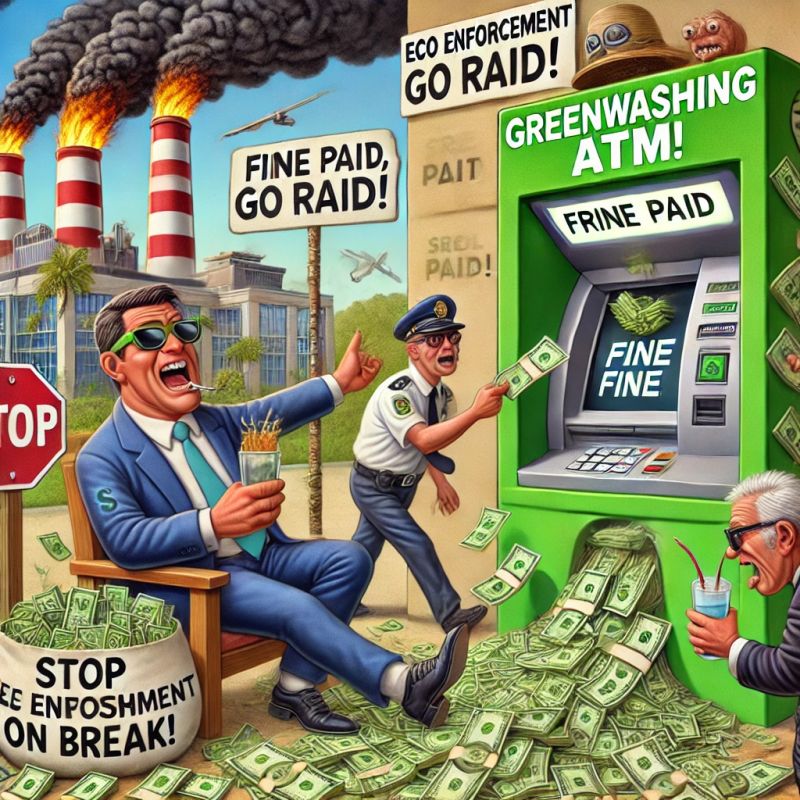
Fining a corporation for destroying the planet without enforcing change is like giving a speeding ticket to a getaway car—profitable, but pointless.
Governments claim to enforce environmental protection, but are penalties truly about holding polluters accountable—or just another way to boost state revenues without real impact? Let’s look at the numbers.
📊 Who Pays the Most?
✅ 1. Big Oil & Fossil Fuel Giants 🛢️
✔️ BP, ExxonMobil, Shell – Fined $35B+ globally in the last decade. (Reuters, 2024)
✔️ India: Reliance & ONGC collectively paid ₹8,000 crore ($960M) in pollution fines. (CPCB, 2024)
🚨 Reality Check: Despite massive fines, fossil fuel subsidies still exceed $7 trillion globally. (IMF, 2024)
✅ 2. Mining & Deforestation 🌲🏗️
✔️ Brazil’s Amazon Deforestation Fines – Over $2.3B in penalties, yet deforestation rates hit record highs in 2024. (Greenpeace, 2024)
✔️ Vedanta & Adani Mining (India) – Paid ₹12,500 crore ($1.5B) in fines but continue large-scale mining. (MoEFCC, 2024)
🚨 Reality Check: Fines are often a fraction of profits. Most mining firms budget for environmental penalties instead of stopping damage.
✅ 3. Chemical & Industrial Waste 🏭
✔️ Dow Chemicals, BASF, Bayer – $8B+ in global penalties for toxic leaks. (EU Commission, 2024)
✔️ India’s Ganga Pollution Cases – Over ₹1,500 crore ($180M) in fines, but pollution still rising. (NGT, 2024)
🚨 Reality Check: Only 30% of fines are actually collected, and cleanup rarely happens. (UNEP, 2024)
⚠️ Who Gets Away?
❌ Agribusiness & Pesticides – Massive groundwater depletion, but minimal regulation.
❌ Fast Fashion & E-Waste – Textile & electronics giants rarely fined for pollution.
❌ Shipping Industry – 1,000+ oil spills yearly, but most fines are under $1M. (IMO, 2024)
📌 Reality Check: Governments focus on fining profitable industries while ignoring sectors with long-term damage.
🏆 KeyTakeaway: Are Green Fines Just A Cost of Doing Business?
✔️ Fines need to be reinvested in cleanup & prevention—not just govt revenue.
✔️ Penalties should scale with profits—polluters shouldn’t budget for damage.
✔️ Transparency matters—where do these billions in environmental fines actually go?
👉 Should penalties be about revenue or real accountability? Let’s discuss! 👇
Originally published on LinkedIn on 2025-02-17 13:35:21: https://www.linkedin.com/feed/update/urn%3Ali%3AgroupPost%3A4385073-7297247251947556864
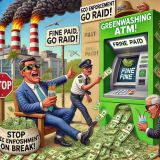
💰 “Green_Fines_or_Green_Profits? Are Environmental Penalties Just Revenue Generators?” 🌍⚖️
Fining a corporation for destroying the planet without enforcing 2change is like giving a speeding ticket to a getaway car—profitable, but pointless.
Governments claim to enforce environmental protection, but are penalties truly about holding polluters accountable—or just another way to boost state revenues without real impact? Let’s look at the numbers.
📊 Who Pays the Most?
✅ Big_Oil & Fossil Fuel Giants 🛢️
✔️ BP, ExxonMobil, Shell – Fined $35B+ globally in the last decade. (Reuters, 2024)
✔️ India: Reliance & ONGC collectively paid ₹8,000 crore ($960M) in pollution fines. (CPCB, 2024)
🚨 Reality Check: Despite massive fines, fossil fuel subsidies still exceed $7 trillion globally. (IMF, 2024)
✅ Mining_Deforestation 🌲🏗️
✔️ Brazil’s Amazon Deforestation Fines – Over $2.3B in penalties, yet deforestation rates hit record highs in 2024. (Greenpeace, 2024)
✔️ Vedanta & Adani Mining (India) – Paid ₹12,500 crore ($1.5B) in fines but continue large-scale mining. (MoEFCC, 2024)
🚨 Reality Check: Fines are often a fraction of profits. Most mining firms budget for environmental penalties instead of stopping damage.
✅ Chemical_Industrial_Waste 🏭
✔️ Dow Chemicals, BASF, Bayer – $8B+ in global penalties for toxic leaks. (EU Commission, 2024)
✔️ India’s Ganga Pollution Cases – Over ₹1,500 crore ($180M) in fines, but pollution still rising. (NGT, 2024)
🚨 Reality Check: Only 30% of fines are actually collected, and cleanup rarely happens. (UNEP, 2024)
⚠️ Who Gets Away?
❌ Agribusiness & Pesticides – Massive groundwater depletion, but minimal regulation.
❌ Fast Fashion & E-Waste – Textile & electronics giants rarely fined for pollution.
❌ Shipping Industry – 1,000+ oil spills yearly, but most fines are under $1M. (IMO, 2024)
📌 Reality Check: Governments focus on fining profitable industries while ignoring sectors with long-term damage.
🏆 KeyTakeaway: Are Green Fines Just A Cost of Doing Business?
✔️ Fines need to be reinvested in cleanup & prevention—not just govt revenue.
✔️ Penalties should scale with profits—polluters shouldn’t budget for damage.
✔️ Transparency matters—where do these billions in environmental fines actually go?
👉 Should penalties be about revenue or real accountability? Let’s discuss! 👇
Originally published on LinkedIn on 2025-02-17 13:29:00: https://www.linkedin.com/feed/update/urn%3Ali%3AgroupPost%3A9088131-7297245653515079680

