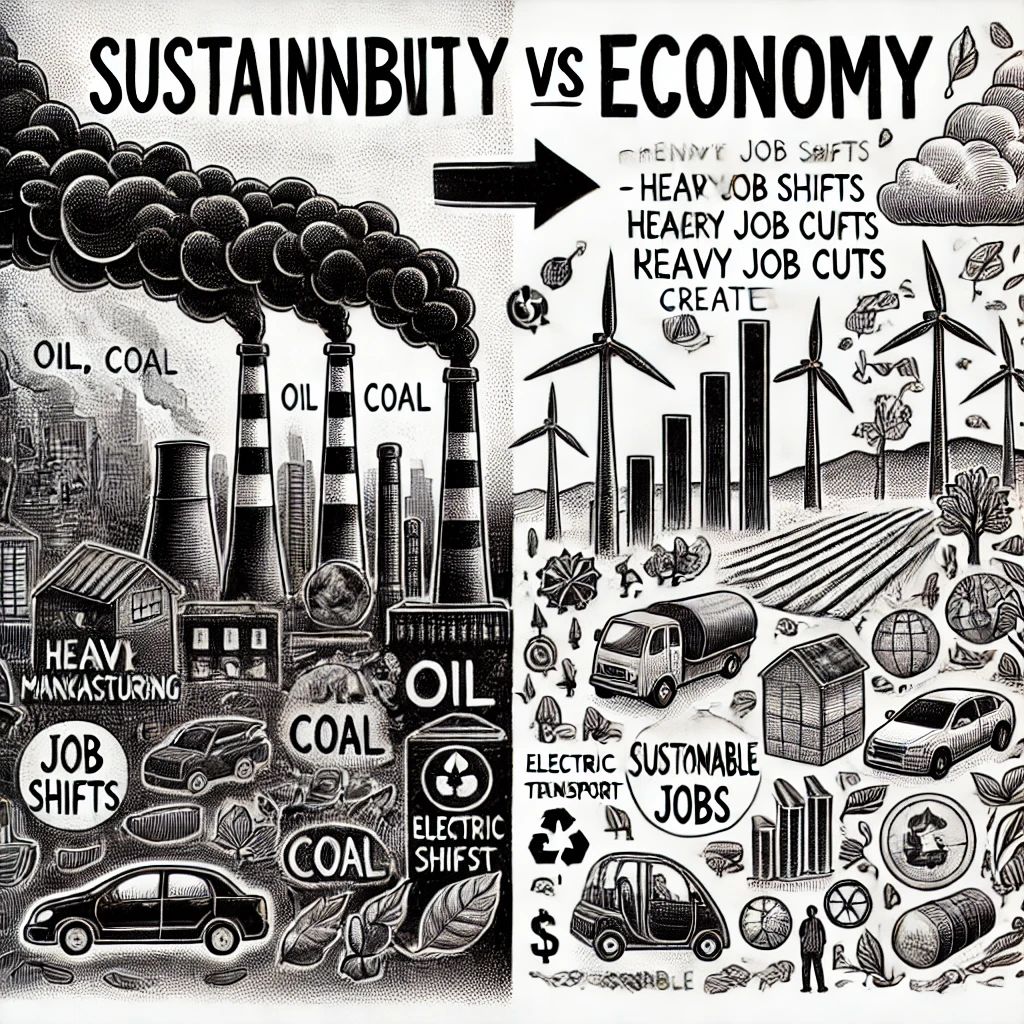
🚨 “TheGreenParadox: If the Top100 Polluters Go Green, Do Economies Go Red?” 🌍💸🔥
71% of global emissions come from just Just100 companies—but what happens if they actually go green?
📊 TheHardNumbers: Who’s Driving Emissions?
🔹 100Companies = 71% of Global Emissions (CDP Carbon Majors Report, 2025)
🔹 TotalMarketValue = $15.4 Trillion (Forbes, 2025)
🔹 Sectors Dominating Emissions:
✔️ Oil & Gas (ExxonMobil, Shell, Aramco, BP, Reliance) – 52% of global industrial CO₂.
✔️ Coal Giants (ChinaEnergy, Peabody, Glencore) – 14% of all emissions, powering entire nations.
✔️ Steel & Cement (ArcelorMittal, Holcim, TataSteel, JSW) – 8% of emissions, critical to infrastructure.
✔️ Shipping & Aviation (Maersk, Boeing, Delta, Emirates) – 5% of emissions, enabling global trade.
🚨 RealityCheck: Transitioning these industries overnight would shake economies to the core.
💰 TheEconomicCrashPotential
🔻 JobLosses in FossilFuel Sectors – 34M jobs globally depend on oil, coal, and heavy industries. (ILO, 2025)
🔻 GDPImpact on EmergingMarkets – India, China, and Indonesia rely on fossilfuels for 20-35% of GDP. (World Bank, 2025)
🔻 SupplyChain Disruptions – 42% of global logistics, steel, and chemicals are tied to high-emission industries. (McKinsey, 2025)
🔻 EnergyTransition Costs – Full decarbonization needs #$275T investment by 2050—but who’s paying? (IEA, 2025)
📌 TheDilemma: Accelerating sustainability risks a financialcrisis, while delaying it fuels climate disaster.
🔄 IsThereAMiddlePath?
🏆 IndustriesFindingBalance:
✅ SaudiAramco’s CarbonCapture Push – #$50B invested, but still expanding fossilfuel extraction.
✅ Tesla & BYD’s EVRevolution – EVs now 18% of global carsales, but lithiummining is a sustainability disaster.
✅ GreenSteel Investments (Hybrit, H2GreenSteel) – Promising tech, but adoption is too slow.
🚨 TheProblem: Green initiatives often don’t move fast enough—or they create new environmental costs.
🏆 KeyTakeaway: The TradeOff No One Wants to Talk About
📌 GoingGreen could be an economic revolution if planned strategically.
📌 ItShouldBe a shift that protects jobs, not eliminates them overnight.
📌 ItWouldBe an economicdisaster if industries collapse before sustainable alternatives scale.
👉 CanTheWorldAffordToDecarbonize without crashing economies? Drop your insights below! 👇
Originally published on LinkedIn on 2025-02-20 03:57:07: https://www.linkedin.com/feed/update/urn%3Ali%3AgroupPost%3A82951-7298188896939479040
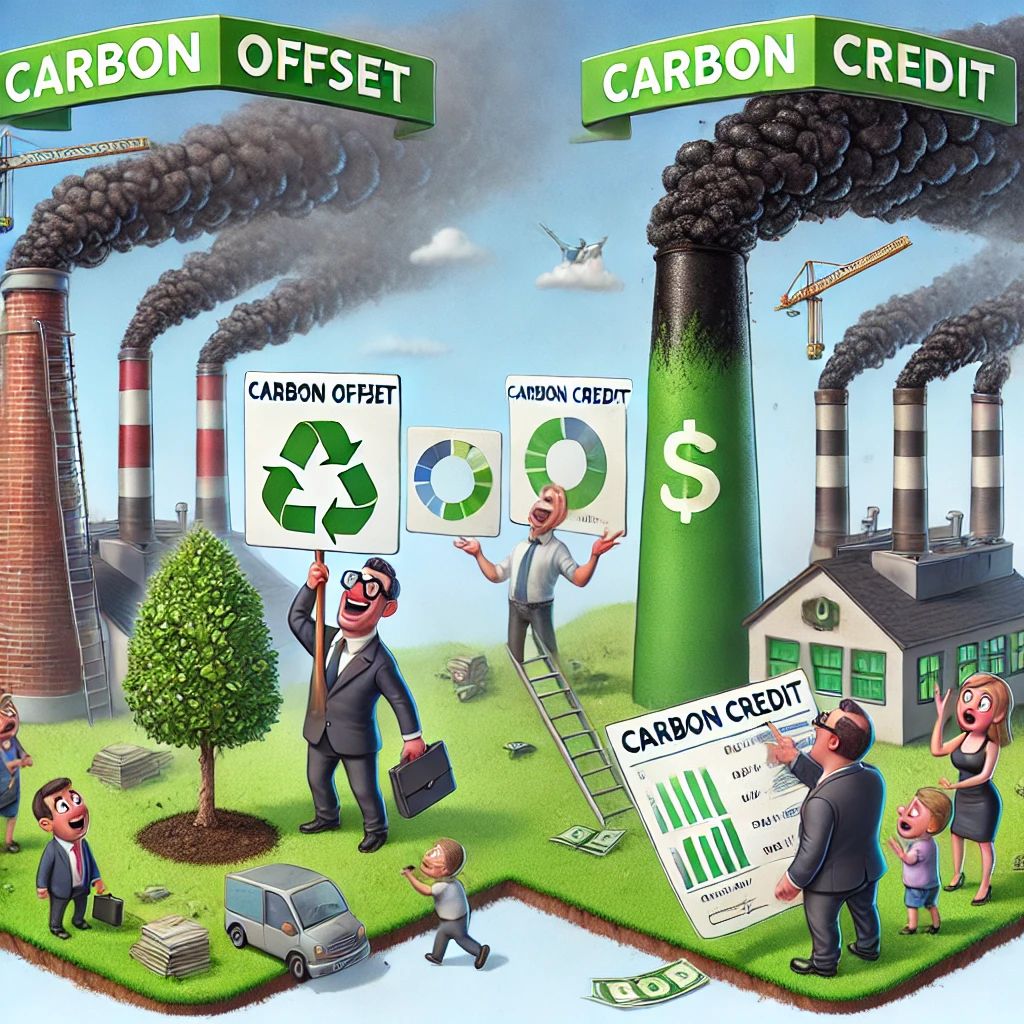
🚨 “Carbon_Offsets vs. Carbon_Credits: TheGreenwashingLoophole?” 💰♻️
With corporations pledging net-zero goals, carbon markets are booming—but do we really understand carbon offsets vs. carbon credits? Or is this just a billion-dollar greenwashing loophole?
📊 CarbonOffsets vs. CarbonCredits: What’s the Difference?
🔹 CarbonOffset = A company/individual voluntarily compensates for emissions by investing in green projects (e.g., tree planting, renewable energy).
🔹 CarbonCredit = A tradable permit issued by governments or markets, allowing companies to emit 1 metric ton of CO₂—can be sold, bought, or banked.
📌 RealityCheck: Offsets are voluntary; credits are part of regulated carbon markets.
📉 TheMarketBoom: Who’s Buying?
🚨 Global carbon market value hit $950B in 2024, up 30% YoY. (World Bank, 2025)
🚨 Corporate demand for carbon offsets surged 47%, led by tech, finance & oil giants. (Carbon Market Watch, 2025)
🚨 Top buyers:
✅ Microsoft: 1.5M tons in forest-based offsets.
✅ Shell: Spent $450M on credits—but still expands fossil fuel ops.
✅ Amazon: Invested in nature-based offsets but emissions grew 40% since 2020.
📌 RealityCheck: Many companies buy offsets while continuing high-carbon activities.
⚠️ TheGreenwashingProblem: Offsets ≠ Real Reductions
🔻 95% of carbon offsets fail to deliver actual emission cuts. (ProPublica, 2025)
🔻 Only 6% of forest-based carbon credits are verifiable. (Guardian, 2025)
🔻 Oil giants buy millions in offsets but expand fossil fuel extraction. (IEA, 2025)
📌 RealityCheck: Carbon credits allow polluters to delay real decarbonization.
🏆 Who’s Doing It Right?
✅ Sweden 🇸🇪 – 100% transparent carbon pricing & strict offset validation.
✅ Singapore 🇸🇬 – First global carbon exchange (CIX) for verifiable credits.
✅ EU 🇪🇺 – Carbon Border Tax enforces real cuts, not just offsets.
📌 RealityCheck: Strong policies + transparency = real impact.
🏆 KeyTakeaway
Carbon markets could be a powerful tool for climate action, should be strictly regulated, but would be a loophole for greenwashing if companies keep using them to avoid real emission cuts.
👉 Are carbon offsets a real solution or just a climate smokescreen? Drop your thoughts below! 👇
Originally published on LinkedIn on 2025-02-13 20:46:18: https://www.linkedin.com/feed/update/urn%3Ali%3AgroupPost%3A82093-7295906154327498752
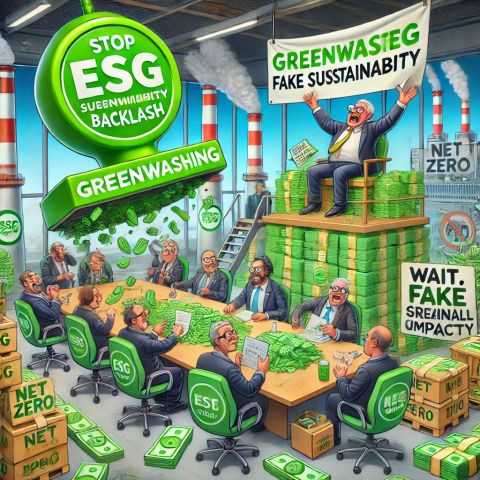
🚨 ESG Backlash: Real Change or Corporate PR? ♻️💰
ESG investing hit $40T globally, but 2024 saw the first net outflow in a decade as businesses, investors, and governments push back. Is sustainability still profitable, or just expensive PR?
📉 Why ESG is Under Fire
🔴 Financial Underperformance – ESG funds underperformed markets by 4%. (JP Morgan, 2024)
🔴 Political Pushback – U.S. anti-ESG laws triggered $1.5B in fund withdrawals. (Reuters, 2024)
🔴 Greenwashing Crackdown – EU fines firms up to 4% of revenue for false claims. (EU Commission, 2024)
🚨 Reality Check: Only 25% of companies have credible ESG execution plans. (CDP, 2024)
⚠️ Companies Facing ESG Backlash
🚨 BlackRock – Criticized for fossil fuel investments while pushing ESG.
🚨 Tesla – Dropped from S&P 500 ESG Index over supply chain concerns.
🚨 Shell – Sued by investors for failing to meet net-zero goals.
🚨 Adani Group – Accused of greenwashing while expanding coal operations.
🚨 Amazon – Carbon emissions up 40% despite net-zero pledges. (Amazon, 2024)
🌍 Who’s Still Betting on ESG?
✅ 🇪🇺 EU – Strict ESG regulations & reporting mandates.
✅ 🇮🇳 India – SEBI enforcing new sustainability reporting.
❌ 🇺🇸 U.S. – Political divisions slowing ESG adoption.
🚨 Will ESG survive, or is it just another corporate trend?
🏆 KeyTakeaway
ESG could be a game-changer, should be about real impact, but would be a failure if it stays corporate greenwashing.
👉 Is ESG still the future, or just fading hype?
ESGBacklash Sustainability NetZero CorporateGovernance Greenwashing
Originally published on LinkedIn on 2025-02-04 03:16:07: https://www.linkedin.com/feed/update/urn%3Ali%3Ashare%3A7292380375174045696
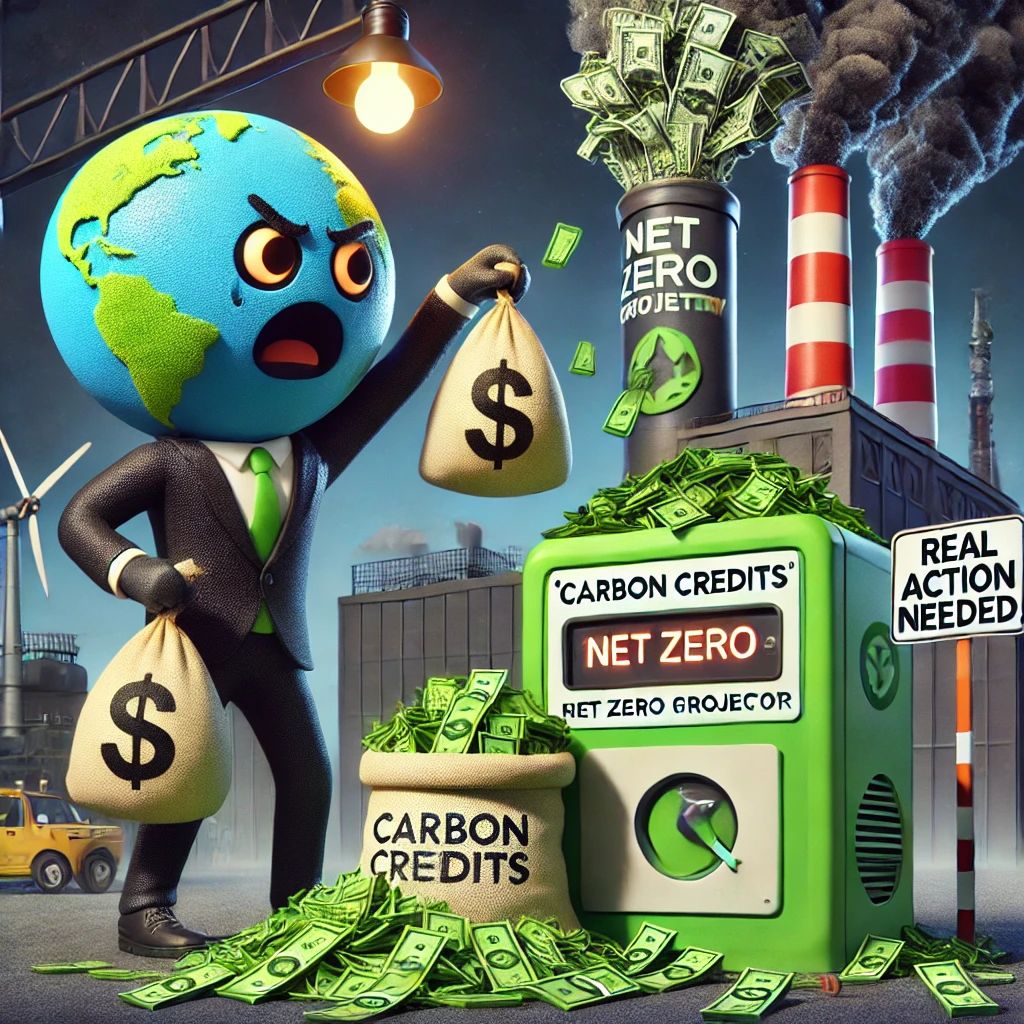
Carbon Hustling: Loopholes or Lies in the Green Revolution?” 🌍💨
Carbon hustling—the deliberate exploitation of carbon reduction schemes—undermines global climate goals. Recent cases reveal systemic exploitation, not mistakes, in corporate carbon management.
🔍 4 Examples of Carbon Hustling
1️⃣ Shell’s Carbon Credit Controversy
Issue: Claimed neutrality using offsets tied to forests at minimal risk of deforestation.
Data: 80% of credits failed to reduce emissions. (Source: ProPublica, 2023)
Why It’s Hustling: Chose unverifiable offsets over real reductions.
2️⃣ Volkswagen’s Double Counting
Issue: Overstated Brazil emissions reductions by 35% with double-counted credits.
Data: Fined #€30 million for systemic misreporting. (Source: Reuters, 2024)
Why It’s Hustling: Exploited weak oversight in carbon markets.
3️⃣ Chevron’s Flawed Net Zero Claims
Issue: Used reforestation offsets; 60% failed verification standards.
Data: Stock dropped 5% after audits exposed discrepancies. (Source: Financial Times, 2023)
Why It’s Hustling: Relied on low-impact projects to mask emissions.
4️⃣ India’s Coal Offsetting Scheme
Issue: An Indian power company financed “green energy” while expanding coal.
Data: Emissions rose 40%, offset benefits negated. (Source: CSE, 2023)
Why It’s Hustling: Used minor green initiatives to greenwash high-pollution activities.
Why It’s Not a Mistake
1️⃣ Systemic Exploitation: Lack of audit standards costs #$2 billion annually in fraud. (Source: UNEP)
2️⃣ Profit over Integrity: Cheap offsets prioritized over genuine reductions.
3️⃣ Strategic Greenwashing: 83% of consumers now demand transparency. (Source: Edelman Trust Barometer, 2024)
KeyTakeaway
Carbon hustling is a systemic issue, delaying real progress. Stricter audits and credible carbon markets are essential to end the hustle.
👉 Are your carbon claims authentic or just optics?
CarbonHustling Greenwashing Sustainability ESGCompliance ClimateAction Transparency

Originally published on LinkedIn on 2025-01-28 03:06:32: https://www.linkedin.com/feed/update/urn%3Ali%3AgroupPost%3A2474261-7289841246922014720
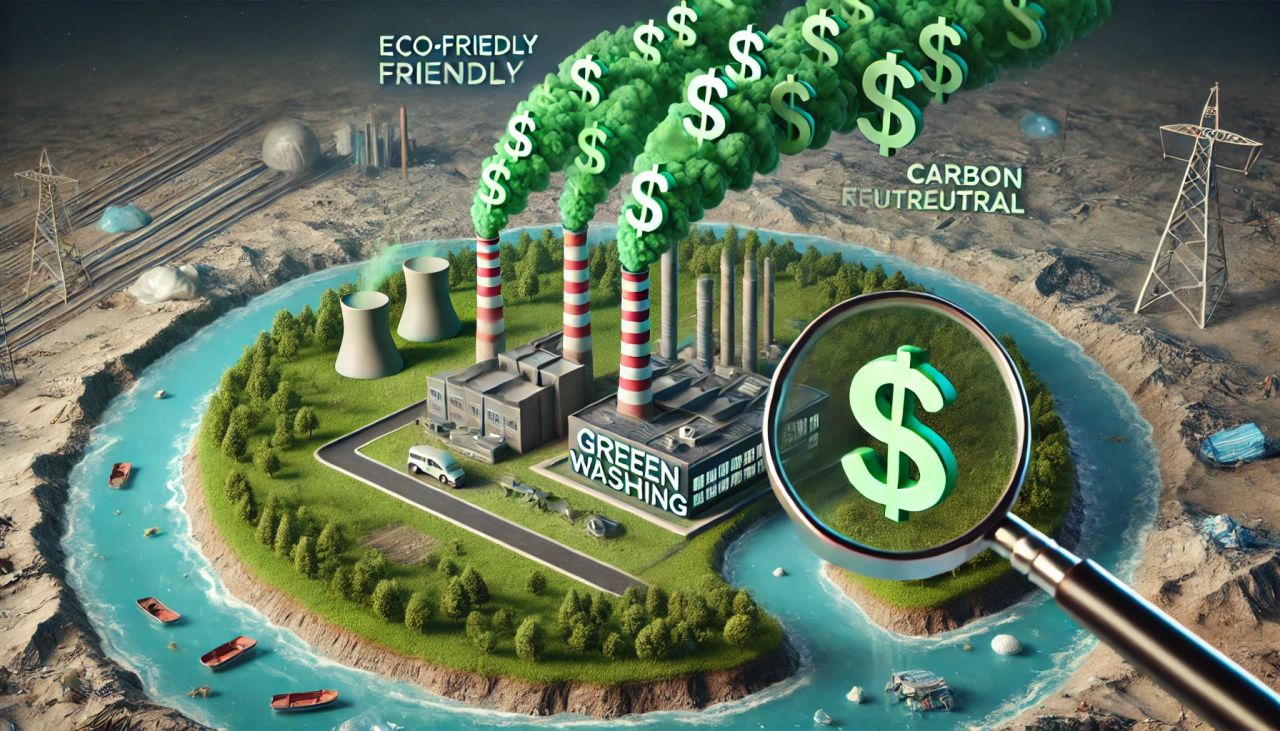
Exposing the Numbers: Top10 Greenwashing Scandals That Misled Millions
As sustainability becomes a priority, some corporations have capitalized on it with Greenwashing—making false or exaggerated environmental claims. Here’s a statistics-driven expose of the top 10 cases that misled consumers on a massive scale:
🌍 1. Volkswagen’s “Dieselgate” Scandal
Fines: Over $30 billion globally
Vehicles Impacted: 11 million with emissions-cheating software
Carbon Deception: Real emissions were up to 40x higher than reported.
🌿 2. Procter&Gamble’s Charmin Toilet Paper
Forests Logged: Over 1 million hectares annually in Canada’s boreal region
Carbon Release: Logging contributes to over 26% of global forest-related emissions annually.
♻️ 3. Keurig’s Recyclable K-Cups
Consumers Misled: 7.5 million households in Canada
Recycling Reality: Only 30% of cities accepted the pods, making claims infeasible.
⛽ 4. Shell’s Carbon Neutral Fuel Claims
Carbon Offsets: Over 80% deemed ineffective
Advertising Reach: Misleading campaigns impacted 40 million Europeans.
✈️ 5. Delta’s Carbon Neutral Airline Claim
Investment in Offsets: $1 billion
Global Aviation Emissions: Aviation accounts for 2.1% of global CO2 emissions annually.
👟 6. Allbirds’ Sustainability Metrics
Wool Production Footprint: Emits 50% more CO2 than advertised
Consumer Reach: Misled 2.5 million buyers annually with incomplete data.
💸 7. Mercer Superannuation’s “Eco-Investments
Fined: $11.3 million in 2024
Green Fund Reality: Included companies linked to fossil fuels—contradicting eco-claims.
🍾 8. CocaCola’s Plastic Recycling Initiatives
Plastic Production: Over 3 million tonnes annually, the largest globally
Recycling Reality: Less than 10% of plastic waste is effectively recycled.
👗 9. H&M’s Conscious Collection
Collection Size: 250+ products marketed as sustainable
False Claims: Over 96% of materials were found to have minimal environmental benefit.
⛽ 10. Applegreen’s Carbon Neutral Fuel
Customer Deception: Affected 1.8 million buyers in the UK and Ireland
Offset Schemes: Criticized for taking up to 50 years to achieve results.
💡 Key Takeaways:
💰 Cost of Greenwashing Fines (Last 5 Years): Over #$45 billion globally
👥 Consumers Impacted: Over 500 million annually exposed to false eco-claims
These cases prove the importance of transparency, regulation, and consumerawareness. Let’s demand RealSustainability, not just empty promises.
SustainabilityMatters ESG CorporateAccountability StayInformed
Originally published on LinkedIn on 2025-01-23 13:37:00: https://www.linkedin.com/feed/update/urn%3Ali%3AgroupPost%3A82951-7288187970291920897
YR2024_India’s Bioenergy Capacity Hits New Milestone
India has reached a significant milestone in its clean energy efforts, with bioenergy playing a key role in the renewable energy mix. As of 13th November_2024, bioenergy contributes significantly to India’s renewable portfolio, supporting the country’s transition toward net-zero emissions by 2070.
With advancements in biogas, bioethanol, bio_CNG, and biomass power, India is accelerating its clean energy goals:
Bioenergy (~6%) now forms a critical part of the 46.3% renewable energy share in the total installed power capacity.
The sector supports decarbonization in transportation, industry, and aviation through initiatives like bioethanol blending and Sustainable Aviation Fuel (SAF).
India’s bioenergy growth reflects its focus on reducing fossil fuel dependency while strengthening its $20 billion bioeconomy, creating a sustainable and greener energy future.
India’s Bioenergy Partnerships in 2024
✅ TruAlt Bioenergy & Sumitomo Corporation
Focus: Biogas, Bioethanol, SAF
Target: Cutting fossil fuel dependency by 50%.
✅ ISMA, TERI & Praj Industries
Focus: SAF, Green Hydrogen
Target: 12 billion liters SAF annually by 2030.
✅ India_Brazil SAF Collaboration
Focus: SAF Supply Chain Optimization
✅ BPCL ($170M Investment)
Focus: SAF Production
Target: 5% SAF blending by 2030.
✅ IOC & LanzaJet
Focus: Waste-to-Ethanol SAF
Output: 80,000 metric tons annually.
✅ GPS Renewables & SAF One
Focus: Aviation Emission Reduction (8% GHG emissions).
✅ Adani Total Gas & Greenko Group
Focus: Biogas, Green Hydrogen
Impact: 10% reduction in industrial emissions by 2035.
✅ Reliance & Air Products
Focus: Bioethanol, SAF
Strengthening the $20 billion bioeconomy.
✅ Tata Power & Shell India
Focus: Bio-CNG, Biogas
Target: 5M metric tons annually by 2030.
✅ NTPC & Honeywell International
Focus: Green Methanol, SAF
Emissions Reduction: 20% by 2035.
✅ Vedanta & EcoEnergy Europe
Focus: Waste-to-Bioethanol
Target: 20% ethanol blending by 2025.
✅ L&T & Siemens Energy
Focus: Biohydrogen
Target: 1M metric tons annually by 2030.
Why This Matters
India’s bioenergy partnerships are driving innovation, emissions reduction, and economic growth.
📊 Key Stats:
50% fossil fuel dependency reduction by 2030.
12B liters SAF production annually by 2030.
20% ethanol blending by 2025.
5M metric tons of biogas production annually.
1M metric tons of biohydrogen by 2030.
India is laying the foundation for a sustainable and net-zero tomorrow, proving that collaboration is key to progress.
Source / shared link: https://pib.gov.in/PressReleaseIframePage.aspx?PRID=2073038
Originally published on LinkedIn on 2024-12-17 15:02:29: https://www.linkedin.com/feed/update/urn%3Ali%3AgroupPost%3A3880479-7274801133875822593
BlackGold moving to GreenDiamonds? Shaping the Energy Landscape Worldwide!!
The biggest oil and gas companies by market capitalization in 2024 and their Green priorities:
1. SaudiAramco($1.8T): While primarily an oil and gas giant, Aramco has shown interest in hydrogen production. They aim to develop a green hydrogen ecosystem, leveraging their existing infrastructure and expertise.
2. ExxonMobil ($497.62B): ExxonMobil is investing in carbon capture and storage (CCS) technologies. Their focus is on reducing emissions from their operations and supporting sustainable energy solutions.
3. Chevron ($284.22B): Chevron is actively exploring biofuels. They’re researching and developing cleaner alternatives to traditional fossil fuels.
4. PetroChina ($244.41B): PetroChina is emphasizing ammonia as a green energy carrier. Ammonia can be produced using renewable energy and used for various applications, including fuel cells.
5. Reliance Industries ($237.31B): Reliance is committed to expanding its renewable energy portfolio. They’re investing in solar, wind, and other clean energy sources.
6. Shell ($221.92B): Shell is a leader in liquefied natural gas (LNG), but they’re also investing in offshore wind farms and electric vehicle charging infrastructure.
7. TotalEnergies ($164.67B): TotalEnergies is diversifying into solar and wind energy. They’re actively transitioning toward cleaner energy solutions.
8. CNOOC ($137.62B): CNOOC is exploring offshore wind energy projects. They aim to harness wind power as a sustainable alternative to fossil fuels.
These companies recognize the urgency of environmental challenges and are taking steps toward a greener future.
Originally published on LinkedIn on 2024-07-21 13:32:32: https://www.linkedin.com/feed/update/urn%3Ali%3AgroupPost%3A3880479-7220782703644729345
BlackGold moving to GreenDiamonds? Shaping the Energy Landscape Worldwide!!
The biggest oil and gas companies by market capitalization in 2024 and their Green priorities:
1. SaudiAramco($1.8T): While primarily an oil and gas giant, Aramco has shown interest in hydrogen production. They aim to develop a green hydrogen ecosystem, leveraging their existing infrastructure and expertise.
2. ExxonMobil ($497.62B): ExxonMobil is investing in carbon capture and storage (CCS) technologies. Their focus is on reducing emissions from their operations and supporting sustainable energy solutions.
3. Chevron ($284.22B): Chevron is actively exploring biofuels. They’re researching and developing cleaner alternatives to traditional fossil fuels.
4. PetroChina ($244.41B): PetroChina is emphasizing ammonia as a green energy carrier. Ammonia can be produced using renewable energy and used for various applications, including fuel cells.
5. Reliance Industries ($237.31B): Reliance is committed to expanding its renewable energy portfolio. They’re investing in solar, wind, and other clean energy sources.
6. Shell ($221.92B): Shell is a leader in liquefied natural gas (LNG), but they’re also investing in offshore wind farms and electric vehicle charging infrastructure.
7. TotalEnergies ($164.67B): TotalEnergies is diversifying into solar and wind energy. They’re actively transitioning toward cleaner energy solutions.
8. CNOOC ($137.62B): CNOOC is exploring offshore wind energy projects. They aim to harness wind power as a sustainable alternative to fossil fuels.
These companies recognize the urgency of environmental challenges and are taking steps toward a greener future.
https://lnkd.in/dH_AgqMn
Originally published on LinkedIn on 2024-07-21 13:32:25: https://www.linkedin.com/feed/update/urn%3Ali%3Ashare%3A7220782674292985856

