📚 KnowledgeSeries: Understanding MACI SustainabilityRatings
With ESG investing surpassing $40 trillion, sustainability metrics are no longer optional—they directly impact financial markets. But traditional ESG ratings often miss the biggest contributor to emissions: Scope 3 (supply chain & product lifecycle).
Enter MACI (Morningstar Absolute Carbon Impact)—a next-gen sustainability metric designed to measure real carbon impact, beyond corporate disclosures.
🔎 What is MACI?
📌 MACI (Morningstar Absolute Carbon Impact) is a carbon-focused rating that quantifies total emissions, unlike traditional ESG scores that rely on self-reported data.
✅ Scope 1 – Direct emissions from company operations
✅ Scope 2 – Indirect emissions from purchased energy
✅ Scope 3 – Supply chain & product lifecycle emissions (often 80-95% of total emissions)
📊 Only 5% of companies currently disclose full Scope 3 data, despite it making up 75% or more of their total carbon footprint. MACI ensures investors see the full picture.
🌍 Why is MACI a Game-Changer?
🟢 Exposes True Carbon Impact
📌 Over 90% of S&P 500 companies report ESG data, but less than 30% include Scope 3 emissions. MACI forces transparency by measuring actual environmental impact.
💰 Links Carbon Impact to Financial Risk
📌 Firms with high Scope 3 emissions face 10-15% valuation risks due to carbon pricing, regulation, and shifting consumer demand. Investors using MACI can identify & price these risks early.
📊 Goes Beyond Traditional ESG Ratings
📌 MSCI, Sustainalytics, & CDP rely on corporate sustainability claims—but MACI measures actual emissions data. This removes greenwashing from ESG scores.
🚀 Guides Net Zero Investments
📌 81% of global companies have Net Zero goals, but only 19% have credible transition plans. MACI identifies companies actually reducing emissions, ensuring investors back real sustainability leaders.
💡 How Financial Markets Depend on MACI
🏦 Sustainable Finance
📌 #$500 billion in Green Bonds & ESG Funds rely on sustainability scores. MACI ensures these funds actually reduce carbon impact.
📉 Investment Risk Assessment
📌 Climate risk is now considered a financial risk. Regulated markets (EU, US, UK, APAC) require stricter carbon disclosure. MACI helps investors assess exposure before risks impact stock prices.
📜 Regulatory Compliance
📌 The EU Taxonomy, SEC Climate Disclosures, & IFRS ESG Standards will require comprehensive Scope 3 reporting. MACI aligns with these frameworks, ensuring compliance-ready investments.
🔥 The Takeaway
As corporate greenwashing grows, investors need credible carbon metrics that go beyond PR campaigns. MACI is setting the new standard for data-driven sustainability investing.

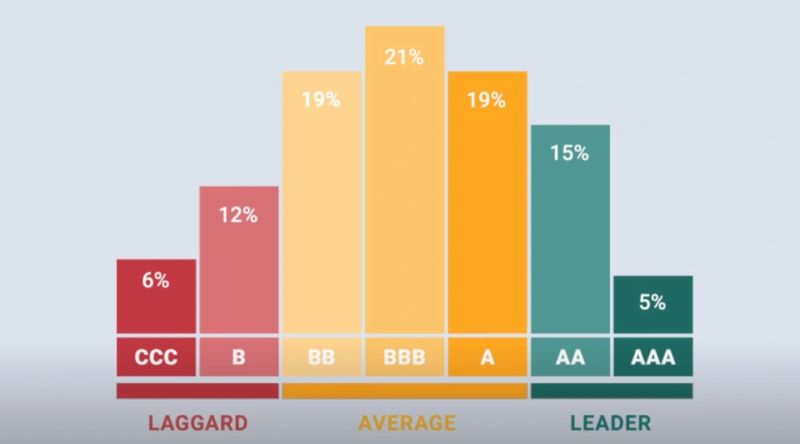
Originally published on LinkedIn on 2025-02-27 01:47:03: https://www.linkedin.com/feed/update/urn%3Ali%3AgroupPost%3A9088131-7300692883345412096
NamasteGreenIndia’s Ethanol Revolution: Achieving 20% Blending with a Sustainable Edge
India is on the brink of achieving a 20% ethanol blending target, a transformative step towards energy independence, environmental sustainability, and agricultural empowerment. Here’s how this revolution is shaping up:
📈 The Progress So Far
🟢 2014: Ethanol blending in petrol was just 1.53%.
🟢 2024: Achieved 15%, with 4.62 million metric tonnes (MMT) of ethanol produced.
🟢 2025 Target: Projected to produce 10.2 MMT annually to meet blending and industrial needs.
🌍 Economic & Environmental Wins
💰 USD 4 Billion Saved: Annual savings on crude oil imports.
🌎 10 MMT CO₂ Reduced: Emissions cut significantly with 20% ethanol blending.
👷 500,000 Jobs Created: Boosting rural employment through distilleries and supply chains.
🚢 USD 300 Million Export Potential: Surplus ethanol positioned for international markets.
🚗 Automotive Industry’s Ethanol Push
🔧 Flex-Fuel Vehicles: Tata Motors, Mahindra, Maruti Suzuki, and Hyundai to launch 100% bio-ethanol vehicles within six months.
🛢️ Fossil Fuel Demand Cut: Flex-fuel vehicles to reduce reliance on fossil fuels by 5.5 MMT annually.
🏭 Toyota’s Commitment: Investing ₹20,000 crore (USD 2.4 billion) in ethanol-compatible vehicle production.
🌾 Agricultural Boost
🌱 8-9 MMT of Sugar: Diverted annually for ethanol production, stabilizing prices and supporting farmers.
🌾 1.5 MMT of Surplus Grains: Utilized for ethanol, ensuring sustainable revenue for agriculture.
⚡ Challenges & Opportunities
📊 Feedstock Demand: India needs an additional 2 MMT of sugarcane and 1.5 MMT of surplus grains for sustainable production.
🏗️ Infrastructure Gaps: Only 30% of fuel pumps are ready for E20 blending.
🌍 Global Leadership: Scaling production and refining distribution could position India as a leader in ethanol exports.
💡 Why This Matters
India’s ethanol revolution is more than a blending target—it’s about energy self-reliance, cutting carbon footprints, and empowering rural economies. This initiative showcases India as a global benchmark for sustainable energy transitions.
💬 Let’s discuss how India’sEthanolJourney is driving SustainableEnergy, AutomotiveInnovation, and RuralEmpowerment! 🚀
Originally published on LinkedIn on 2025-01-16 09:51:29: https://www.linkedin.com/feed/update/urn%3Ali%3AgroupPost%3A12538632-7285594503120347137

