NamasteIndia Mahakumbh_2025: The World’s Largest Spiritual Gathering in Numbers
🌏 A_Global_Phenomenon_of_Faith_and_Humanity 🌏
In January2025, the city of Prayagraj, India, will host the Mahakumbh Mela, the world’s largest congregation of people. Here’s why this ancient event captures global attention:
Unprecedented Scale
📊 Expected Attendance: Over 150 million people will visit over the course of 55 days, surpassing the population of several countries combined.
📊 Peak Single-Day Crowd: Up to 50 million people could gather on key bathing days—more than the population of South Korea!
📊 Economic Impact: The festival is projected to generate $1.5 billion in revenue, supporting local businesses, tourism, and infrastructure.
📊 Global Participation: Pilgrims, spiritual leaders, and travelers from 190+ countries are expected to join this historic event.
Cultural Significance
🌊 Why Prayagraj? The festival is celebrated at the confluence of the Ganga, Yamuna, and Saraswati rivers—considered sacred in Indian culture.
📖 History: The Mahakumbh has been celebrated for over 2,000 years, making it one of the world’s oldest recurring human gatherings.
🕉️ Spiritual Appeal: Pilgrims take a holy dip, believed to cleanse sins and lead to liberation (moksha).
Sustainability in Focus
♻️ Eco-Friendly Initiatives: This year’s Mahakumbh emphasizes sustainability with plastic-free zones, green energy, and waste management systems for millions.
🌱 Record-breaking Sanitation Efforts: Over 20,000 toilets and waste-processing plants will ensure cleanliness.
A Logistical Marvel
🚦 Transport Infrastructure: Special trains, buses, and flights will handle 10,000+ additional trips daily.
🏥 Healthcare: Over 200 medical camps and mobile hospitals will serve attendees.
🔒 Security: AI-powered surveillance and 25,000+ personnel will ensure a safe and peaceful experience.
Why Should You Care?
Whether you’re a traveler, a cultural enthusiast, or a professional intrigued by large-scale event management, the Mahakumbh offers unmatched insights into:
✨ Human behavior on a massive scale.
✨ Innovations in sustainability and crowd logistics.
✨ The enduring relevance of ancient traditions in the modern world.
💡 Fun Fact: The Mahakumbh is often called the “People’s Olympics”, drawing more participants than the Olympics and FIFA World Cup combined.
Source / shared link: https://youtube.com/watch?v=4U7PnjePmTc&si=v6raZ3cxpC73WR9g
Originally published on LinkedIn on 2025-01-13 18:28:57: https://www.linkedin.com/feed/update/urn%3Ali%3Ashare%3A7284637564941012993
NamasteGreenIndia
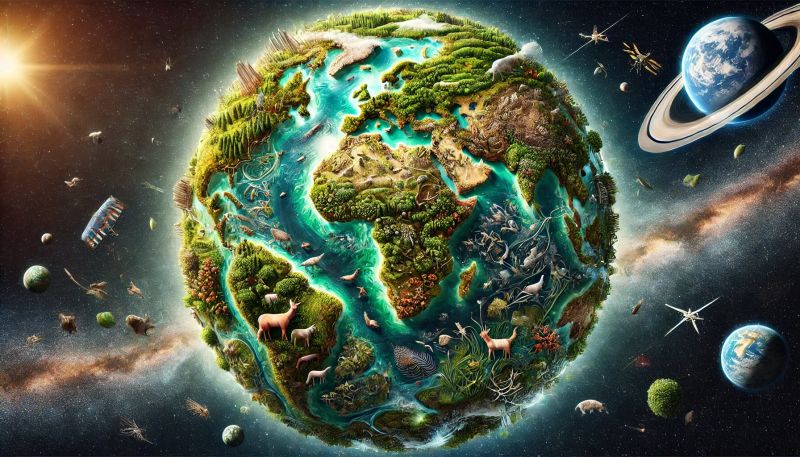
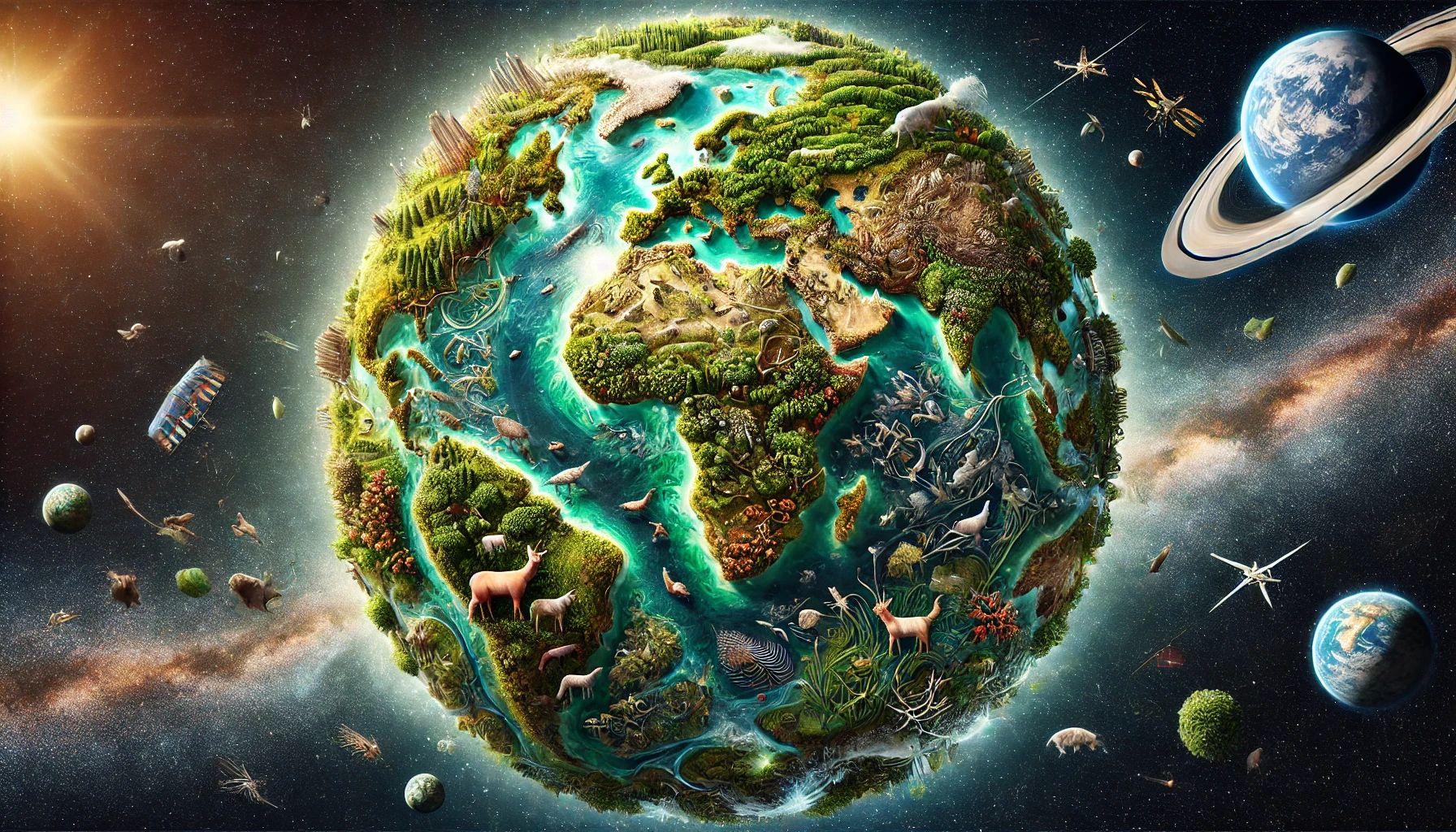
🌍 Biodiversity Credits: Financing a Sustainable Future 🌿
An innovative tool to bridge the $700 billion annual funding gap for global nature conservation.
🌲 Supporting Ecosystems:
The U.S. faces the risk of losing 40% of its ecosystems, while the EU protects 18% of its land through the Natura 2000 network. China safeguards 20% of its rich habitats, home to over 31,000 plant species. India, with its Western Ghats and Himalayan biodiversity hotspots, preserves habitats critical for sustaining life.
💊 Health Benefits:
Globally, 75% of cancer drugs originate from nature. The U.S., EU, China, and India rely on their diverse ecosystems to fuel traditional and modern medicine industries that save lives and drive innovation.
🌾 Food Security:
US agriculture: Relies on biodiversity for $100 billion in productivity.
EU initiatives: Preserve seed diversity for resilient food systems.
China: The world’s largest agricultural producer depends on diverse ecosystems.
India: Home to 455 crop species, ensuring food security for 1.4 billion people.
💰 Economic Value:
US ecosystems contribute $328 billion annually to GDP.
EU biodiversity fuels tourism and agriculture, driving billions in revenue.
China benefits from biodiversity in its $12 trillion economy.
India’s ecosystems generate services worth $1 trillion annually, supporting millions.
👩🌾 Supporting Livelihoods:
Natural ecosystems sustain billions:
US forests: Provide jobs to nearly 1 million people.
EU biodiversity: Empowers industries like agriculture and fisheries.
China’s resources: Support 300+ million rural residents.
India’s ecosystems: Sustain 275 million rural and tribal livelihoods.
🌟 Be Part of the Solution!
Investing in biodiversity credits is more than an environmental act; it’s a commitment to economic growth, health, and future resilience. Let’s bridge the gap and create a sustainable legacy.
💡 “Nature’s diversity isn’t just a resource—it’s our lifeline.
Originally published on LinkedIn on 2025-01-06 16:18:10: https://www.linkedin.com/feed/update/urn%3Ali%3Ashare%3A7282067935563513856
Climate_Change_Disrupting_Global Supply Chains: A Call for Immediate Action
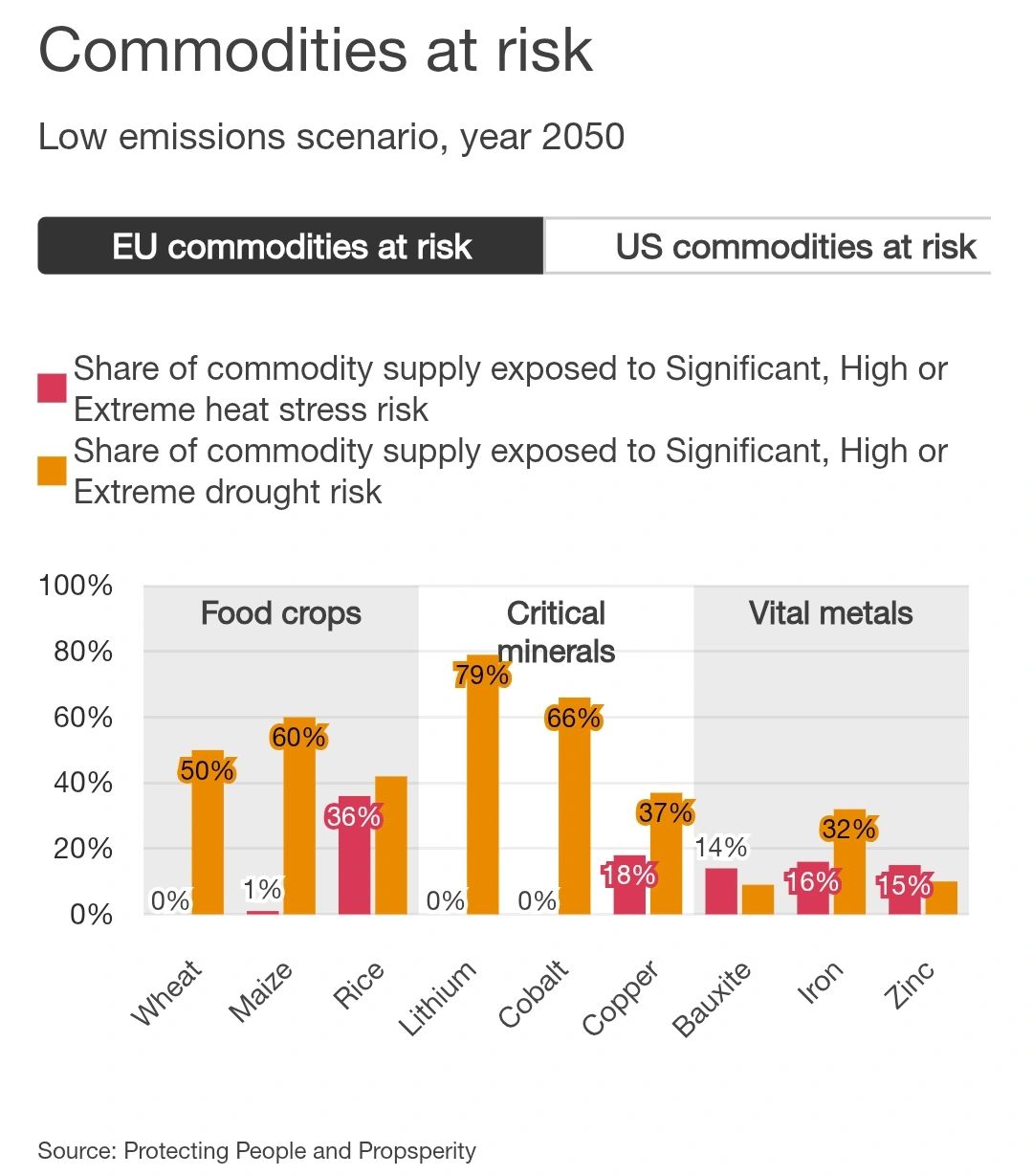
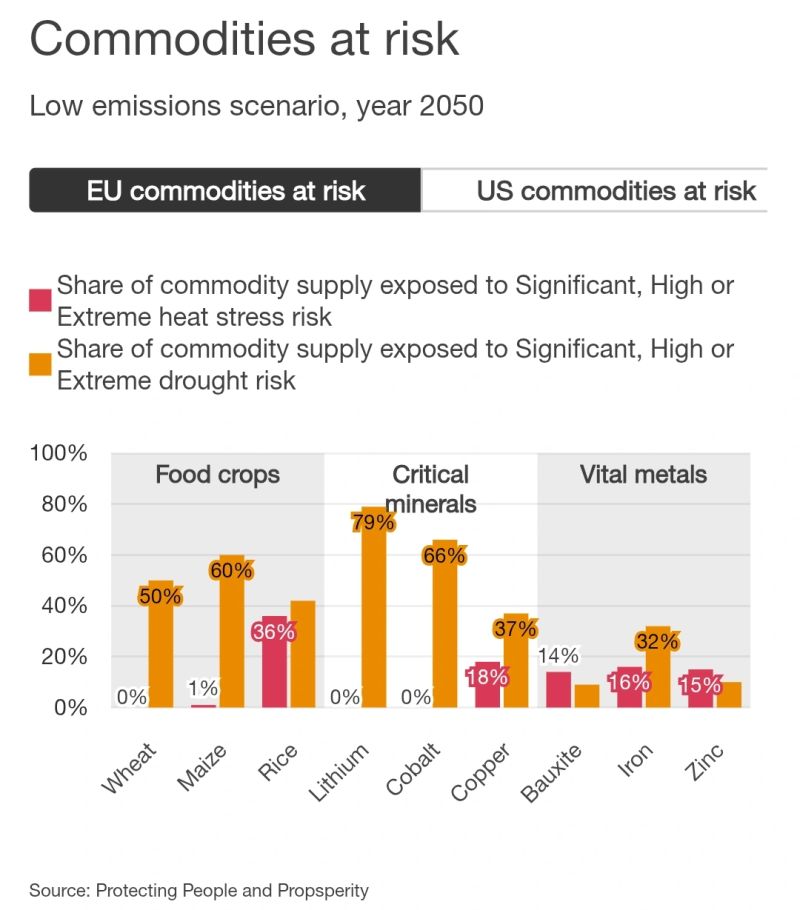
As the world grapples with escalating climate challenges, the ability to secure essential commodities is under threat. PwC’s insights reveal how heat_stress and drought could profoundly impact industries and communities, emphasizing the need for proactive measures.
Critical_Minerals at Risk: Heat stress and drought threaten the supply of cobalt, copper, and lithium—key to electronics, green energy, and transportation sectors.
Food Security Challenges: Maize, rice, and wheat, which provide 42% of human calories, are vulnerable to production instability, jeopardizing global food supplies.
Vital Metals Under Pressure: Iron, zinc, and bauxite (used in aluminum production) face disruption due to mining challenges caused by extreme weather.
Industries in Peril: Transportation, construction, and manufacturing sectors heavily reliant on these commodities risk operational breakdowns.
Impact on Producers and Communities: Farmers and miners are already experiencing hardships from extreme heat and water scarcity, reducing productivity and health safety.
Supply Chain Resilience is Critical: PwC highlights the urgency for businesses to assess climate-related vulnerabilities and mitigate risks to prevent supply chain disruptions.
Call for Proactive Action: The cascading effects of climate change demand swift preventive strategies to safeguard commodities and ensure industrial continuity.
PwC’s report serves as a stark reminder of the growing vulnerabilities within global supply chains. Businesses must act now to incorporate sustainable practices, enhance resilience, and mitigate climate-related risks.
For a detailed analysis, explore PwC’s full report here.https://https://lnkd.in/d_9bwcRn
Originally published on LinkedIn on 2024-12-25 03:55:16: https://www.linkedin.com/feed/update/urn%3Ali%3AgroupPost%3A3880479-7277532326702534656
Namaste Indian Sugar Mills Association (ISMA) has presented a forward-thinking plan to the government: **transform sugar mills into bio-refineries**. Here are the key points:
Objective: Boost production of sustainable aviation fuel and other green energy sources.
Policy Framework: ISMA representatives discussed this transition with Food Minister Pralhad Joshi.
Beyond Ethanol: The plan expands beyond current ethanol, bioelectricity, and biogas production.
International Goals: Aligns with international aviation blending targets (CORSIA mandates) for 2027.
Farmer Incomes: Aims to create alternative markets for India’s **55 million sugarcane farmers**.
Energy Security: Expected to set new benchmarks and strengthen India’s energy security.
Sugar industry body proposes bio-refinery transition plan to govt. https://lnkd.in/ddw3ZbJn.
Source / shared link: https://link.springer.com/article/10.1007/s12155-022-10406-4
Originally published on LinkedIn on 2024-07-26 19:27:42: https://www.linkedin.com/feed/update/urn%3Ali%3Ashare%3A7222684023309893632

