Scope 2 Just Got a Shocker as TheCloud has developed a CarbonShadow.
Dr. Anju Sharma MrsSustainability
For years, corporate clean-energy accounting enjoyed a very convenient equation:
Annual electricity consumed = Annual renewable certificates bought = “100% renewable.
Elegant. ESG-friendly. Also increasingly uncomfortable.
A data centre may pull fossil-heavy power from the local grid at midnight, while its contracted solar project generates excess clean power at noon somewhere else.
On paper: clean.
On the wire: not always.
That is why the proposed GreenhouseGasProtocolScope2Reform matters.
The question is sharp:
Should clean-energy claims reflect real power use, in real grids, closer to real time?
Why this question has split Big Tech.
Google & Microsoft are backing the grid-realism view:
If electricity is consumed at 9 p.m. in one grid, the clean-power claim should also be proven around that time, in that grid.
Their logic is physical:
The grid does not run on annual averages.
Coal plants do not switch off because a certificate exists elsewhere.
The atmosphere does not wait for year-end reconciliation.
Hourly matching forces investment into the hard part of the transition:
✔ storage
✔ geothermal
✔ clean firm power
✔ nuclear
✔ transmission
✔ demand flexibility
✔ 24/7 carbon-free energy
Not just “buy green.
Prove green when the system is stressed.
Amazon, Meta, Salesforce & others are pushing the emissions-first view.
Their argument is also valid:
Carbon is global. Why trap climate capital inside local accounting boundaries if the same dollar can cut more CO₂ in a dirtier grid elsewhere?
A solar project in a coal-heavy region may avoid more emissions than another project in an already clean or solar-saturated grid.
That is not climate laziness.
That is climate finance with a calculator.
So the real fight is not BigTech versus BigTech.
It is:
✓Grid physics vs climate finance
✓Integrity vs scale
✓Local proof vs global impact
✓Carbon truth vs capital efficiency
✓Green claims vs grid outcomes
The old Scope 2 system created renewable demand. Credit where due.
Annual RECs built a bridge.
The problem is that some companies started calling the bridge a destination.
Now AI has changed the electricity equation.
AI is not weightless.
It has substations, cooling loads, grid queues, gas backup, transmission bottlenecks and carbon-accounting consequences.
So the smarter future cannot be accounting purism or certificate comfort.
It needs a phased model:
Annual matching = minimum floor
Hourly matching = direction of travel
Heavy power users = higher scrutiny
AI/data centres = grid-impact disclosure
Avoided emissions = reported separately
Legacy contracts = transition protection
Grid readiness = boardroom KPI
KtalystInsights™ MrsSustainability KtalystKeystone KtalystKlues™ Ktalyst5Ps5Es KtalystGreenLove Scope2 CleanEnergy CarbonAccounting
Source / shared link: https://www.reuters.com/sustainability/climate-energy/big-tech-splits-over-proposed-shake-up-clean-energy-accounting–ecmii-2026-05-26/?utm_source=chatgpt.com
Originally published on LinkedIn on 2026-06-03 13:04:58: https://www.linkedin.com/feed/update/urn%3Ali%3AgroupPost%3A82951-7467924291578228736
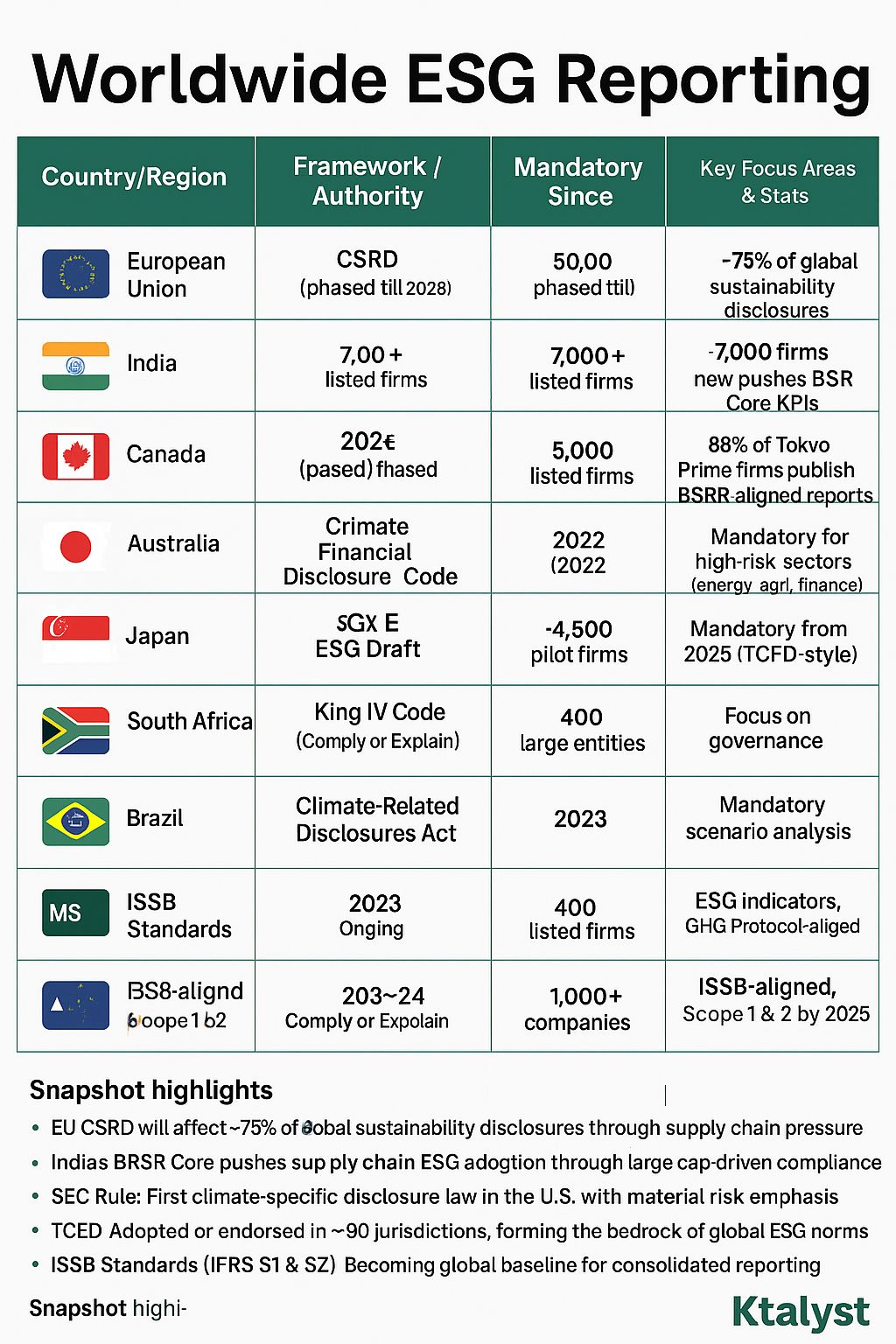
Why ESG Isn’t a Global Roadmap—It’s a Country_by_Country_Compass
ESG Isn’t One-Size-Fits-All—It’s One-Strategy-Fits-Nation
ESG reporting takes different roads because nations prioritize differently—economic maturity, regulatory style, investor pressure, and trade exposure all shape the path. The EU leads with CSRD—affecting 50,000+ firms through double materiality, taxonomy alignment, and mandatory assurance. The US sticks to financial materiality and climate risk, sidestepping Scope 3 and S&G. India’s BRSR ties ESG to development goals, starting with the top 1,000 and easing into assurance. Export-driven China, Malaysia, and Singapore accelerate ESG to meet global buyer expectations and bypass EU CBAM fallout. Japan prefers voluntary codes; South Africa excels in governance (King IV), but lacks integrated data.
Bottom line? ESG mirrors what each country values—growth, governance, global edge, or green capital. It’s not just compliance—it’s strategy, sovereignty, and survival.
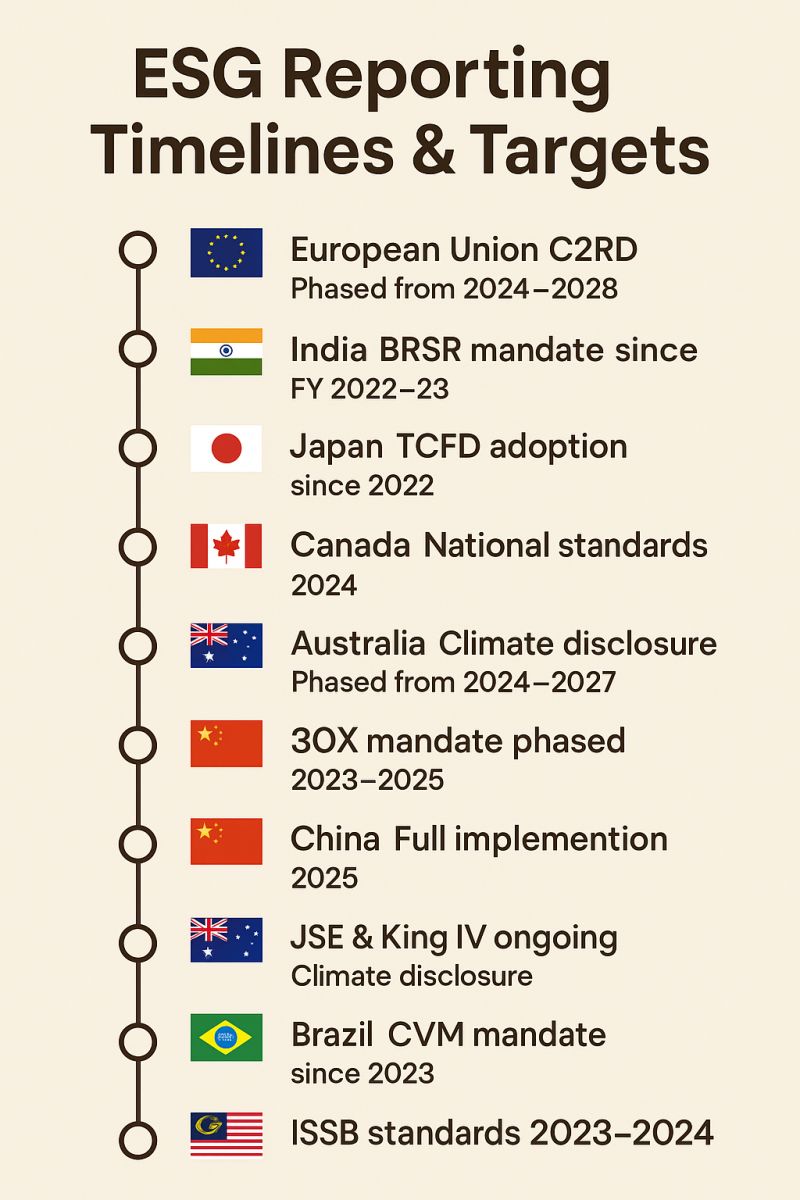
🇪🇺 European Union
Timeline: CSRD phased from 2024 to 2028
Mandatory from:
2024: Large public-interest companies
2025: All large companies
2026–28: SMEs (limited scope)
FunFact: Will impact 75%+ of global ESG reporting indirectly via supply chains
🇺🇸 United States
Timeline: SEC Rule effective 2024–2025
Mandatory from:
FY2024: Large Accelerated Filers
FY2025: Accelerated Filers
Scope 3? Only if material (and still debated)
🇮🇳 India
Timeline:
BRSR mandatory since FY 2022–23
BRSR Core with limited assurance from FY 2023–24
Next up: Potential rollout for mid-size unlisted companies by 2026
🇯🇵 Japan
Timeline:
TCFD adoption by Prime listed firms since 2022
No fixed law, but >80% of large firms are already onboard voluntarily
🇨🇦 Canada
Timeline:
CSA rule aligned with TCFD from 2024
Mandated for:
Publicly listed entities, expanding coverage gradually
🇦🇺 Australia
Timeline:
Climate Disclosure Framework phased from July 2024
Rollout:
2024: Large companies
2026–27: Mid and small entities
🇸🇬 Singapore
Timeline:
SGX ESG reporting mandatory since 2023
Sector phased:
Energy, Agri, Finance by 2024
All others by 2025
🇨🇳 China
Timeline:
Draft ESG rules under CSRC in 2024
Target:
Full mandatory rollout by 2025
Pilots ongoing in green finance and energy sectors
🇿🇦 SouthAfrica
Timeline:
JSE & King IV apply ongoing since 2016
Mandate:
Comply or explain” model, no fixed year — but tightening expected by 2025
🇳🇿 NewZealand
Timeline:
Climate-Related Disclosure Act enforced from 2023
Applies to:
Financial institutions & large corporates (>NZ$1B AUM or turnover)
🇧🇷 Brazil
Timeline:
CVM ESG disclosure mandatory since 2023
Focus:
Annual reporting, with increasing pressure for Scope 3 inclusion by 2026
🇲🇾 Malaysia
Timeline:
ISSB-aligned standards adopted in 2023–2024
Mandated by:
Bursa Malaysia, full Scope 1–2 by 2025, Scope 3 optional till 2026


Originally published on LinkedIn on 2025-04-21 21:59:46: https://www.linkedin.com/feed/update/urn%3Ali%3AugcPost%3A7320204627323289601
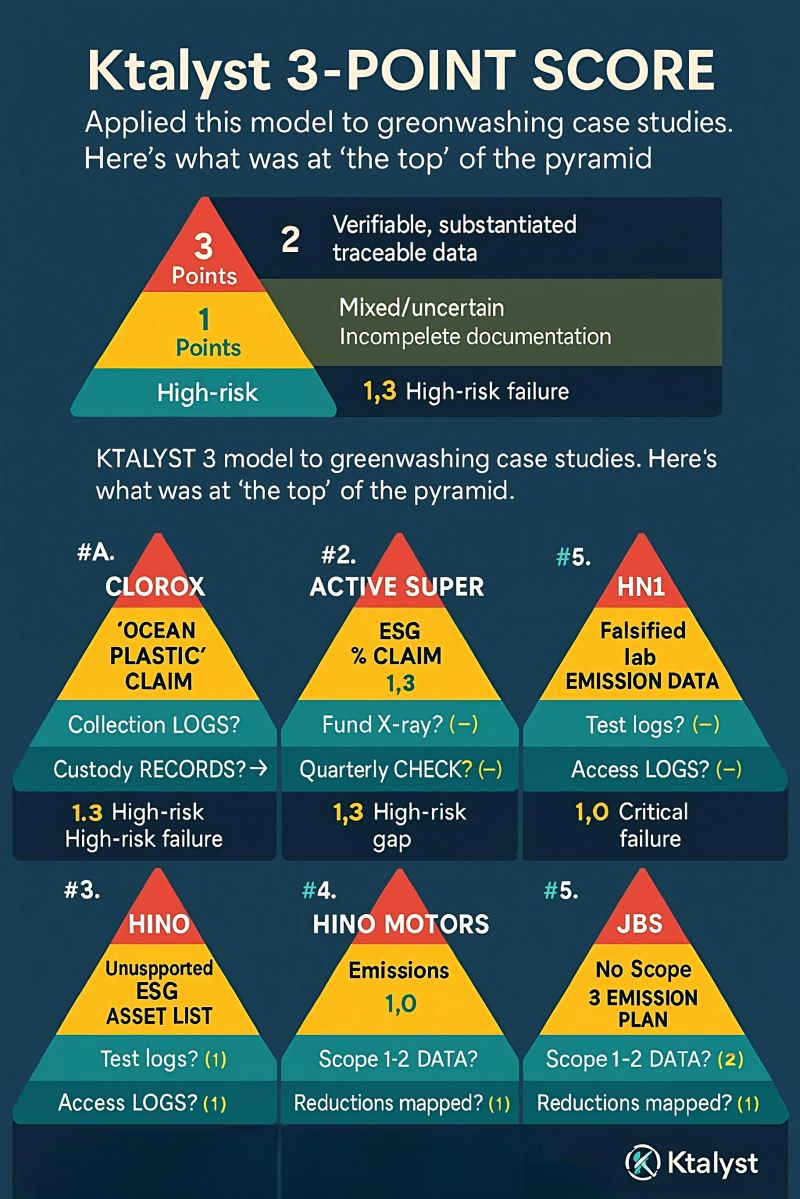
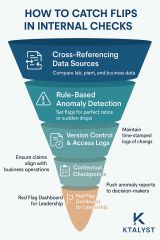
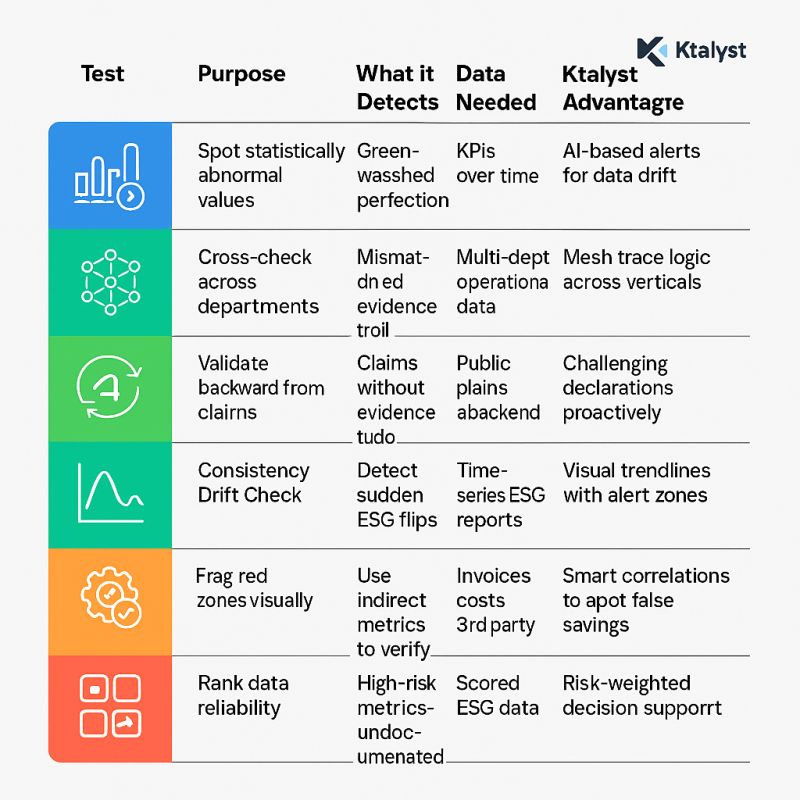
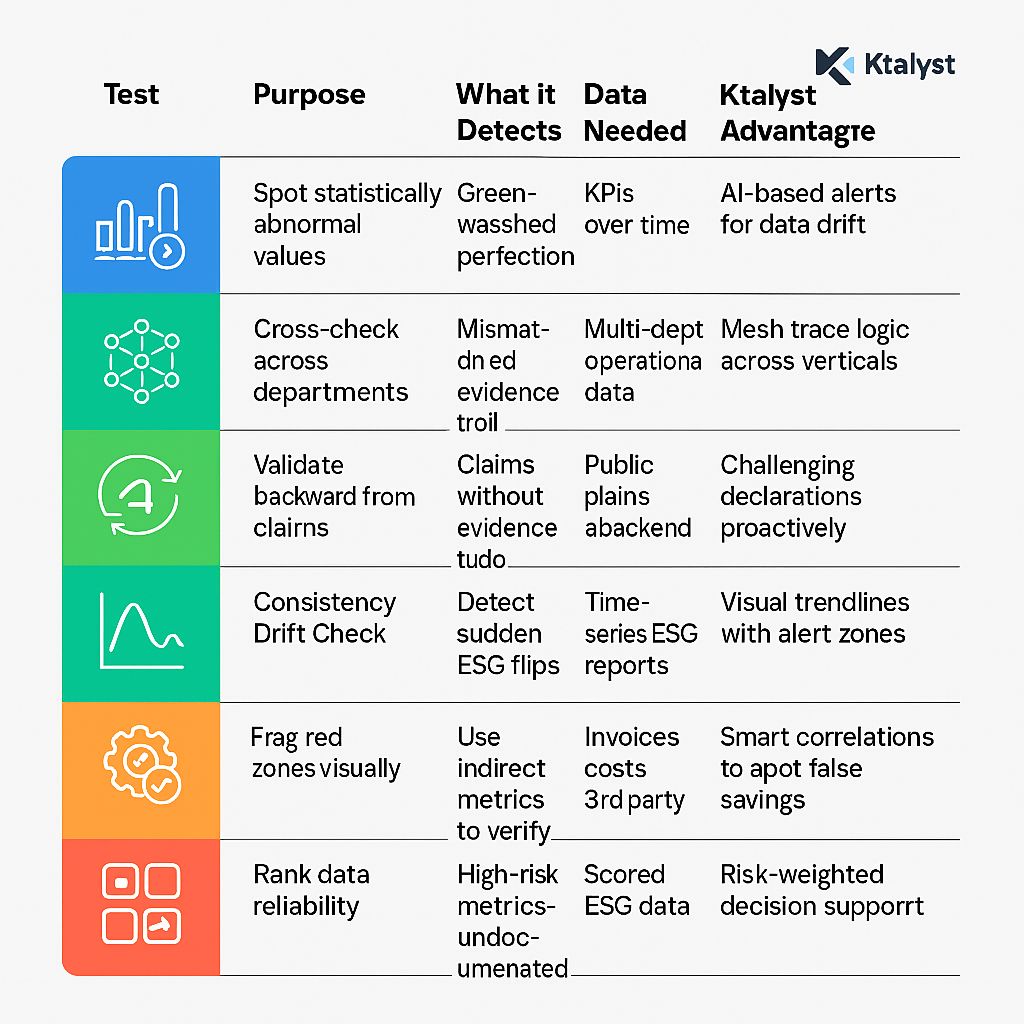
GreenwashedAndGutted | The Cost of ESG Without Checkpoints NoReadyToUse, each company NeedsToGet KtalystPatternFunnels Designed for their OwnSystems.
CutCopyPaste = Fail
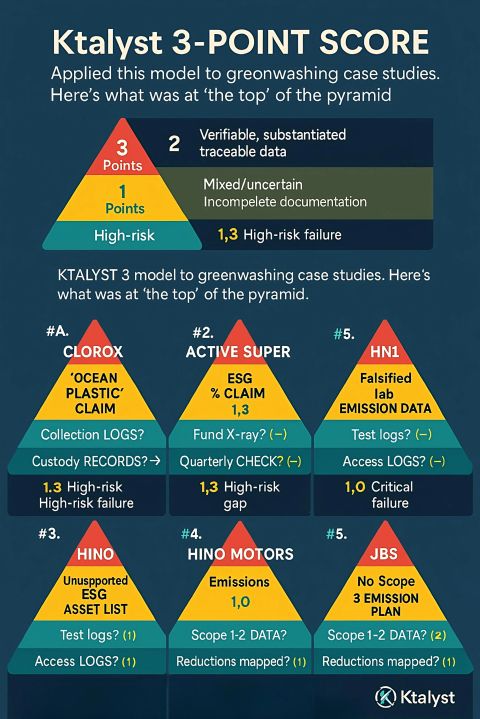
I studied 5global greenwashing disasters.
The pattern# was loud and clear:
✅ Intent was strong
❌ Systems were weak
They didn’t lie. They just didn’t verify.
Clorox Australia – “Ocean Plastic” That Never Saw the Sea
Claim: GLAD bags made from 50% ocean plastic
Truth: Plastic came from inland villages, nowhere near the coast
I 🧭 Geo-tagged collection logs to confirm coastal origin
🔗 Chain-of-custody tracking from pickup to processing
📦 Batch linkage system to connect source with product
Active Super – Ethical Fund, Ethical Gaps
Claim: No investments in coal, tobacco, or gambling
Truth: Audit revealed exposure to all three
🗺️ Live ESG mapping between fund positions and exclusion list
⏰ Quarterly auto-checkpoints for compliance assurance
🚨 Real-time breach alerts to flag policy violations
II DWS Group – 50% ESG. But Verified by Whom?
Claim: Half the portfolio was ESG-compliant
Truth: Many assets lacked certified ratings
📝 Third-party score integration with time-stamped logs
⛔ Expiry flags for outdated or unverifiable claims
🌡️ Portfolio heatmap to track low-certainty zones
III Hino Motors – When the Lab Fakes Clean Air
Claim: Vehicles passed emissions testing
Truth: Over 100,000 units involved in data manipulation
📊 Time-stamped lab audit trails
🔁 Cross-verification with actual plant output
🔐 Anomaly triggers and access control logs
IV JBS – Net Zero, But Where’s the Map?
Claim: Net Zero by 2040
Truth: No Scope 3 data, no implementation roadmap
🌍 Emission mapping tools across operations & vendors
🔗 Syncing declarations to backend data
📉 Red flag dashboards for leadership visibililty.
KtalystKeystone Takeaway:
They weren’t caught greenwashing.
They were caught assuming—without systems to validate their ESG story.
> “Sustainability isn’t a slogan. It’s a supply chain of truths.
Ktalyst Keystone
CleanClaimsOnly | PoweredByKtalyst


Originally published on LinkedIn on 2025-04-15 05:23:10: https://www.linkedin.com/feed/update/urn%3Ali%3AgroupPost%3A82951-7317779497859096578
NamasteIndia 🚀
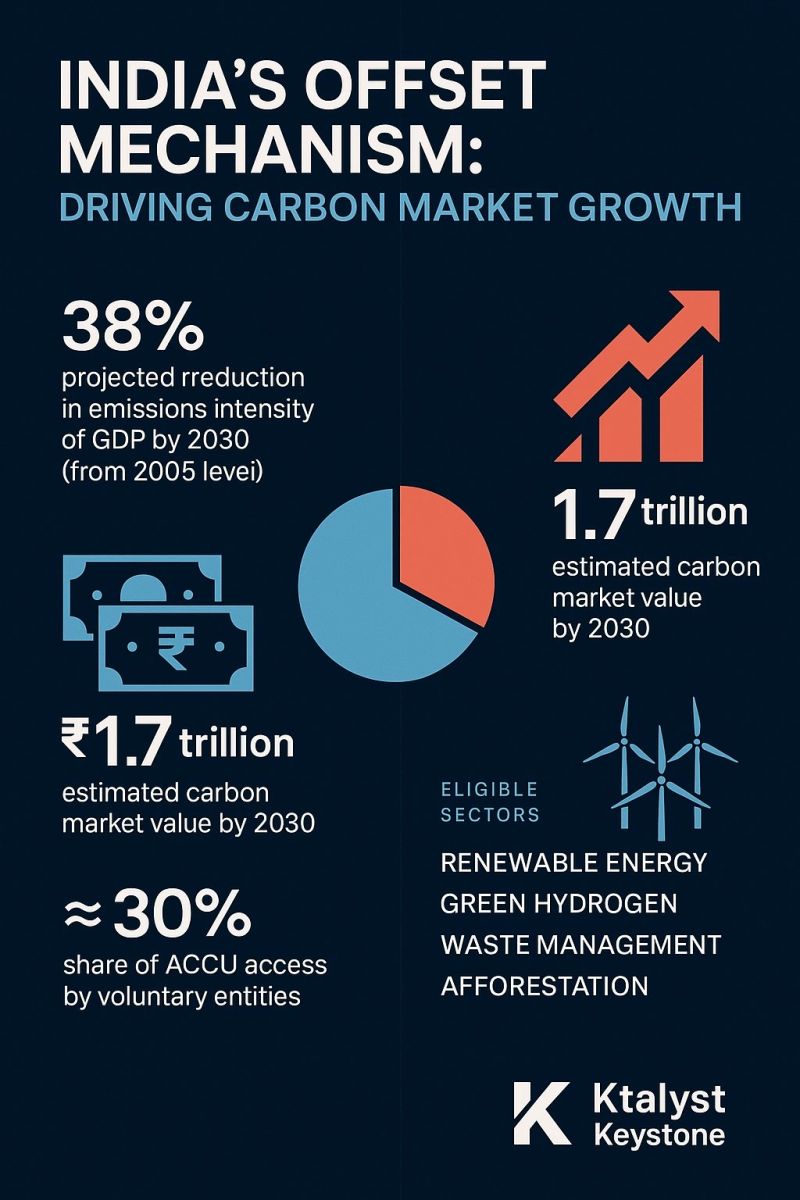
Framework_to_Future: India’s CCTS – A Data-Driven Power Play
YR2023–YR2025) 📊
India’s Carbon Credit Trading Scheme (CCTS) has rapidly transformed from a policy blueprint to a dynamic market. Here’s a concise, data-rich overview of its evolution:
YR2023: 🏗️ Foundation Laid
June2023: 📜 Government notifies CCTS, establishing a Compliance Mechanism.
* 🎯 Objective: Reduce GHG intensity in key sectors.
* 🏭 Sectors: Cement, Steel, Aluminium, Refineries, etc.
* ⚖️ Legal: Energy Conservation (Amendment) Act, 2022.
* 🏛️ Regulators: BEE, CERC.
YR2024: 📐 Architecture Built
* Dec2023: 🔄 Offset Mechanism integrated.
* 🌱 Key: Non-obligated entities can develop projects.
* 💳 CCCs: Tradable Carbon Credit Certificates.
* 🌍 Alignment: Paris Agreement’s Article 6.
* ✅ ACVAs: Validation & Verification agencies established.
* 🖥️ ICM: Indian Carbon Market registry conceptualized.
YR2025: 📈 Market Activated
* March2025: 8️⃣ Methodologies approved:
* ⚡ Renewable Energy
* 💧 Green Hydrogen
* 🏭 Industrial Efficiency
* 🗑️ Landfill Methane
* 🌳 Mangrove Afforestation
* 💰 Market Potential: USD 300 billion by 2030.
* 🌐 Global Projection: IETA: USD 1-1.5 trillion by 2050.
* 🤝 Transition: PAT scheme integration; full compliance by mid-2026.
Quote:
India’s carbon market is not just compliance—it’s climate economics in motion.” — Anju Sharma, MD, Ktalyst Keystone.
Future: 🔮 Innovation & Integration
* 💻 Digital Infrastructure: For Carbon Credits.
* 🤝 Global Links: International Carbon Market integration.
* 📊 Scope 3 & MRV: Standards inclusion.
* 💡 Private Sector: Tech & Nature-Based solutions.
Call_to_Action:
Let’s discuss how your organization can leverage India’s evolving carbon market. Connect with me!
Question:
How will CCTS reshape your industry? Share your insights!
Hashtags:
CarbonCredits IndiaCarbonMarket CCTS ClimateAction Sustainability EnergyTransition GreenEconomy EnvironmentalPolicy ParisAgreement ESG CleanEnergy Innovation DataDriven MarketInsights


Originally published on LinkedIn on 2025-04-07 17:18:44: https://www.linkedin.com/feed/update/urn%3Ali%3AugcPost%3A7315060472787955712
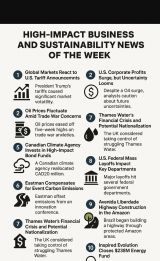
Decoding_an_Eventfull_Week: 10GlobalShifts That_Will_Shape_Your_Boardroom_YR2025
From tariffs to tarmac, profits to policies—here’s how decision-makers should read the signals before they shake the strategy.
10_Global_Moves | 10_Business_Ripples | 10_Smart_Perspectives
Curated by: KTALYST KEYSTONE
US_Tariffs on India – Trade Flashpoint
China absorbs with subsidies.
Vietnam escapes via FTAs.
India should attract FDI: “Tariffed there? Manufactured here.
Oil_Price_Volatility – Energy Chessboard
India secures discounts, but remains exposed.
U.S. shale pumps faster, EU scrambles.
Time to pivot to biofuels & hydrogen early.
US_Corporate_Profits – High but Hollow
204B profits, but 15% layoffs.
Big Tech trims fat, not revenue.
Efficient Excellence is the new productivity playbook.
BASF’s Green Push – Playing Catch-Up
Croda leads with 61% green revenue.
Evonik innovates, BASF delays.
Mindset shift needed: sustainability as profit driver.
Canadian_Climate_Fund_Shift – Municipal Muscle
CAD 20M goes green locally.
Outperforms federal climate spend.
Cities will lead, not capitals.
Eastman_Offsets_Emissions – Scope 3 Moves In
Unseen emissions, now seen.
Eastman acts, others talk.
Scope 3 = License to Operate soon.
Thames_Water_Crisis – Leaky Logic
#£15B in debt, bailout looming.
Japan, Singapore guard infra smartly.
Water isn’t just utility, it’s national security.
US_Federal_Layoffs – Silent Collapse
35,000 cut, while EU hires for AI & climate.
India upskills, U.S. downsizes.
Public policy needs people, not contractors.
AmazonHighway – Brazil’s COP Contradiction
Protected zones bulldozed.
Kenya, India build green infra, Brazil risks COP30 face.
Tarmac over trees = Trust deficit.
10. Inspired_Evolution_Fund – Africa Powers Up
#$238M clean energy fund.
1.7x bigger than Acumen 2023.
Africa can leap, if policies match capital.
Quote_of_the_Week:
Every ripple in global policy or boardroom signals a tide shift in power, purpose, and preparedness. Those who read early, move early.
KTALYSTKEYSTONE
Originally published on LinkedIn on 2025-04-03 12:18:18: https://www.linkedin.com/feed/update/urn%3Ali%3Ashare%3A7313535315867054080
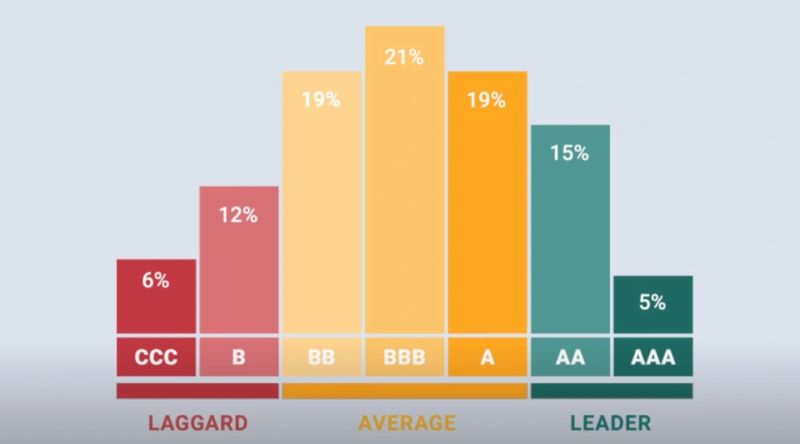
🚨 Moody’s & Sustainability: ESG is Now a Credit Rating Factor! 📊💚
With #$40T in ESG assets under management, Moody’s is reshaping how financial markets assess creditworthiness. No longer just about profits & losses, a company’s sustainability risks now directly impact credit ratings, borrowing costs, & investment potential.
🔍 How Moody’s Integrates Sustainability into Credit Ratings
🟢 ESG factors impact the credit ratings of 18% of companies & governments rated by Moody’s. (Source)
📊 Issuer Profile Scores (IPS): Measures 15 ESG subfactors (climate risk, governance strength, social responsibility).
📊 Credit Impact Scores (CIS): Rates how ESG performance affects a company’s credit rating & risk profile.
📊 Second Party Opinions (SPOs): Validates Green Bonds & Sustainability-Linked Loans, ensuring funds are climate-aligned.
🔹 Moody’s now assesses over 3,000 entities based on ESG factors.
💰 ESG & Financial Impact: Why Credit Ratings Depend on Sustainability
🏦 Banks & Investors Are Watching
📌 Companies with poor ESG ratings face higher borrowing costs, as investors demand sustainability-linked loans & bonds.
📉 Carbon-Intensive Companies Are High-Risk
📌 Firms with high Scope 3 emissions face 15-20% valuation risks due to carbon pricing & regulatory changes. (Source)
🚀 Sustainability-Linked Bonds & Loans Are Surging
📌 #$1.6T in sustainability-linked bonds & loans have been issued, with Moody’s validating green claims to prevent greenwashing. (Source)
🌍 Moody’s ESG Leadership: Recognitions & Market Influence
🏆 FTSE4Good Index Inclusion (6 Years Running) → Recognizing top ESG performers.
🏆 EcoVadis Bronze Medal → Top 35% of global companies for sustainability.
🏆 CDP Supplier Engagement Leader → Among the top 4% of companies driving supply chain decarbonization. (Source)
🔥 The Takeaway: Sustainability is No Longer Optional
🟢 18% of Moody’s rated companies now have ESG-driven credit adjustments.
🟢 Investors demand transparent sustainability metrics before lending.
🟢 Greenwashing is no longer profitable—credit ratings now hold companies accountable.
📢 Should ESG be an even bigger factor in credit ratings? Let’s discuss below! 👇

Originally published on LinkedIn on 2025-02-27 04:39:26: https://www.linkedin.com/feed/update/urn%3Ali%3AgroupPost%3A82951-7300736262829711360
📚 KnowledgeSeries: Understanding MACI SustainabilityRatings
With ESG investing surpassing $40 trillion, sustainability metrics are no longer optional—they directly impact financial markets. But traditional ESG ratings often miss the biggest contributor to emissions: Scope 3 (supply chain & product lifecycle).
Enter MACI (Morningstar Absolute Carbon Impact)—a next-gen sustainability metric designed to measure real carbon impact, beyond corporate disclosures.
🔎 What is MACI?
📌 MACI (Morningstar Absolute Carbon Impact) is a carbon-focused rating that quantifies total emissions, unlike traditional ESG scores that rely on self-reported data.
✅ Scope 1 – Direct emissions from company operations
✅ Scope 2 – Indirect emissions from purchased energy
✅ Scope 3 – Supply chain & product lifecycle emissions (often 80-95% of total emissions)
📊 Only 5% of companies currently disclose full Scope 3 data, despite it making up 75% or more of their total carbon footprint. MACI ensures investors see the full picture.
🌍 Why is MACI a Game-Changer?
🟢 Exposes True Carbon Impact
📌 Over 90% of S&P 500 companies report ESG data, but less than 30% include Scope 3 emissions. MACI forces transparency by measuring actual environmental impact.
💰 Links Carbon Impact to Financial Risk
📌 Firms with high Scope 3 emissions face 10-15% valuation risks due to carbon pricing, regulation, and shifting consumer demand. Investors using MACI can identify & price these risks early.
📊 Goes Beyond Traditional ESG Ratings
📌 MSCI, Sustainalytics, & CDP rely on corporate sustainability claims—but MACI measures actual emissions data. This removes greenwashing from ESG scores.
🚀 Guides Net Zero Investments
📌 81% of global companies have Net Zero goals, but only 19% have credible transition plans. MACI identifies companies actually reducing emissions, ensuring investors back real sustainability leaders.
💡 How Financial Markets Depend on MACI
🏦 Sustainable Finance
📌 #$500 billion in Green Bonds & ESG Funds rely on sustainability scores. MACI ensures these funds actually reduce carbon impact.
📉 Investment Risk Assessment
📌 Climate risk is now considered a financial risk. Regulated markets (EU, US, UK, APAC) require stricter carbon disclosure. MACI helps investors assess exposure before risks impact stock prices.
📜 Regulatory Compliance
📌 The EU Taxonomy, SEC Climate Disclosures, & IFRS ESG Standards will require comprehensive Scope 3 reporting. MACI aligns with these frameworks, ensuring compliance-ready investments.
🔥 The Takeaway
As corporate greenwashing grows, investors need credible carbon metrics that go beyond PR campaigns. MACI is setting the new standard for data-driven sustainability investing.

Originally published on LinkedIn on 2025-02-27 01:47:03: https://www.linkedin.com/feed/update/urn%3Ali%3AgroupPost%3A9088131-7300692883345412096
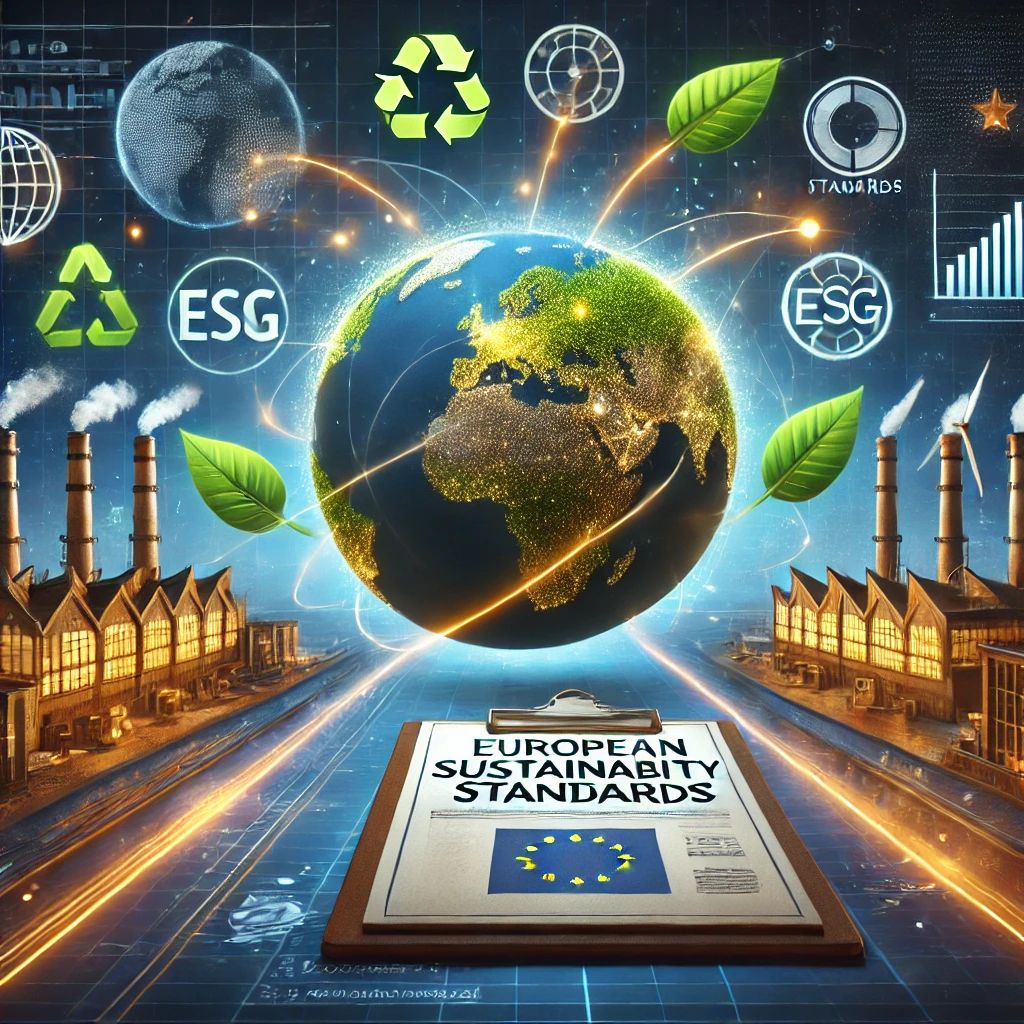
NamasteIndia ESRS_Ripple_Effect:Europe’s Global_Disruptor_Rules Reshape Indian Businesses” 🇮🇳
With the EU’s European Sustainability Reporting Standards (ESRS) coming into effect, Indian businesses are set to feel the heat. Here’s a data-driven breakdown of how these standards will impact India:
🔵 Indian Exporters Face Compliance Pressure
Fact: India exported goods worth #€65 billion to the EU in 2022, making the EU one of India’s largest trading partners. (Source: Eurostat)
Impact: Exporters must now meet ESRS-aligned requirements like carbon reporting, labor conditions, and water usage transparency.
Example: 45% of Indian textile exports go to the EU, which requires ESG disclosures from supply chains.
🟢 Subsidiaries of EU Companies Must Adapt
Fact: Over 4,000 EU-based companies have subsidiaries in India, spanning sectors like IT, pharmaceuticals, and manufacturing. (Source: EU Delegation to India)
Impact: Indian branches will face stricter ESG reporting as EU headquarters comply with ESRS.
Example: Indian operations of EU automotive giants must disclose scope 1, 2, and 3 emissions to support parent company reports.
🟡 Supply Chain Scrutiny to Intensify
Fact: 70% of EU companies rely on global supply chains, with India being a critical link. (Source: EFRAG)
Impact: Indian suppliers must provide accurate sustainability data or risk losing contracts.
Example: EU pharma imports from India, valued at #€8 billion annually, will require ESG-aligned disclosures like energy use and labor practices.
🟠 Regulatory Convergence in India
Fact: India’s BRSR framework, introduced in 2021, already mandates ESG reporting for the top 1,000 listed companies. (Source: SEBI)
Impact: ESRS accelerates India’s regulatory momentum, pushing companies to adopt global ESG benchmarks.
🟣 Opportunities in Green Tech and Consulting
Fact: The ESG consulting market in India is projected to grow at a CAGR of 35%, reaching #$1.2 billion by 2030. (Source: PwC India)
Impact: Indian firms offering ESG solutions—like software platforms for tracking emissions—stand to gain as EU firms outsource compliance support.
🔴 Competitive Advantage for ESG Leaders
Fact: 83% of EU investors prefer companies with strong ESG credentials. (Source: EY)
Impact: Indian companies with advanced sustainability practices will become preferred partners for EU buyers.
Example: Tata Steel’s carbon-neutral initiatives make it a strong supplier for ESG-conscious European firms.
Key Stats That Matter
#€85 billion: Total trade between India and the EU in 2022. (Source: Eurostat)
4,000+: EU-based companies with operations in India. (Source: EU Delegation to India)
35% CAGR: Growth of India’s ESG consulting market by 2030. (Source: PwC)
👉 Are Indian companies ready to navigate the ESG revolution and seize the opportunity?
SustainabilityLeadership ESRSImpact IndiaAndEU ESGCompliance GreenEconomy
Originally published on LinkedIn on 2025-01-27 11:33:17: https://www.linkedin.com/feed/update/urn%3Ali%3AgroupPost%3A3880479-7289606387402207232

