NamasteGreenIndia’s Ethanol Revolution: Achieving 20% Blending with a Sustainable Edge
India is on the brink of achieving a 20% ethanol blending target, a transformative step towards energy independence, environmental sustainability, and agricultural empowerment. Here’s how this revolution is shaping up:
📈 The Progress So Far
🟢 2014: Ethanol blending in petrol was just 1.53%.
🟢 2024: Achieved 15%, with 4.62 million metric tonnes (MMT) of ethanol produced.
🟢 2025 Target: Projected to produce 10.2 MMT annually to meet blending and industrial needs.
🌍 Economic & Environmental Wins
💰 USD 4 Billion Saved: Annual savings on crude oil imports.
🌎 10 MMT CO₂ Reduced: Emissions cut significantly with 20% ethanol blending.
👷 500,000 Jobs Created: Boosting rural employment through distilleries and supply chains.
🚢 USD 300 Million Export Potential: Surplus ethanol positioned for international markets.
🚗 Automotive Industry’s Ethanol Push
🔧 Flex-Fuel Vehicles: Tata Motors, Mahindra, Maruti Suzuki, and Hyundai to launch 100% bio-ethanol vehicles within six months.
🛢️ Fossil Fuel Demand Cut: Flex-fuel vehicles to reduce reliance on fossil fuels by 5.5 MMT annually.
🏭 Toyota’s Commitment: Investing ₹20,000 crore (USD 2.4 billion) in ethanol-compatible vehicle production.
🌾 Agricultural Boost
🌱 8-9 MMT of Sugar: Diverted annually for ethanol production, stabilizing prices and supporting farmers.
🌾 1.5 MMT of Surplus Grains: Utilized for ethanol, ensuring sustainable revenue for agriculture.
⚡ Challenges & Opportunities
📊 Feedstock Demand: India needs an additional 2 MMT of sugarcane and 1.5 MMT of surplus grains for sustainable production.
🏗️ Infrastructure Gaps: Only 30% of fuel pumps are ready for E20 blending.
🌍 Global Leadership: Scaling production and refining distribution could position India as a leader in ethanol exports.
💡 Why This Matters
India’s ethanol revolution is more than a blending target—it’s about energy self-reliance, cutting carbon footprints, and empowering rural economies. This initiative showcases India as a global benchmark for sustainable energy transitions.
💬 Let’s discuss how India’sEthanolJourney is driving SustainableEnergy, AutomotiveInnovation, and RuralEmpowerment! 🚀
Originally published on LinkedIn on 2025-01-16 09:51:29: https://www.linkedin.com/feed/update/urn%3Ali%3AgroupPost%3A12538632-7285594503120347137
🌍 NamasteIndia’s Renewable Energy Revolution: 15.84% Growth in 2024 🌱
☀️ Special Mention: Solar Energy Shines Bright
India’s solar energy output grew by 18.4% in 2024, solidifying its role as the driving force of the renewable energy sector and contributing significantly to the overall 28.64 GW capacity addition.
🚀 What a Year for Green Energy!
India’s renewable energy capacity soared to GW209.44, a 15.84% growth, demonstrating the nation’s commitment to sustainability.
💡 Key Highlights:
📈 Record Capacity Addition: 28.64 GW, a 119.46% jump from 2023.
🌞 Energy Mix Shifting: Renewables form 12.1% of India’s power, with coal at 74.4%.
🌏 The Big Picture:
Aligned with #‘Panchamrit’ goals, India aims to achieve 500 GW renewable capacity by 2030, requiring continued momentum and innovative solutions.
💭 Why This Matters:
India is paving the way for a sustainable future. Collaboration across industries and communities will be key to achieving these bold targets.

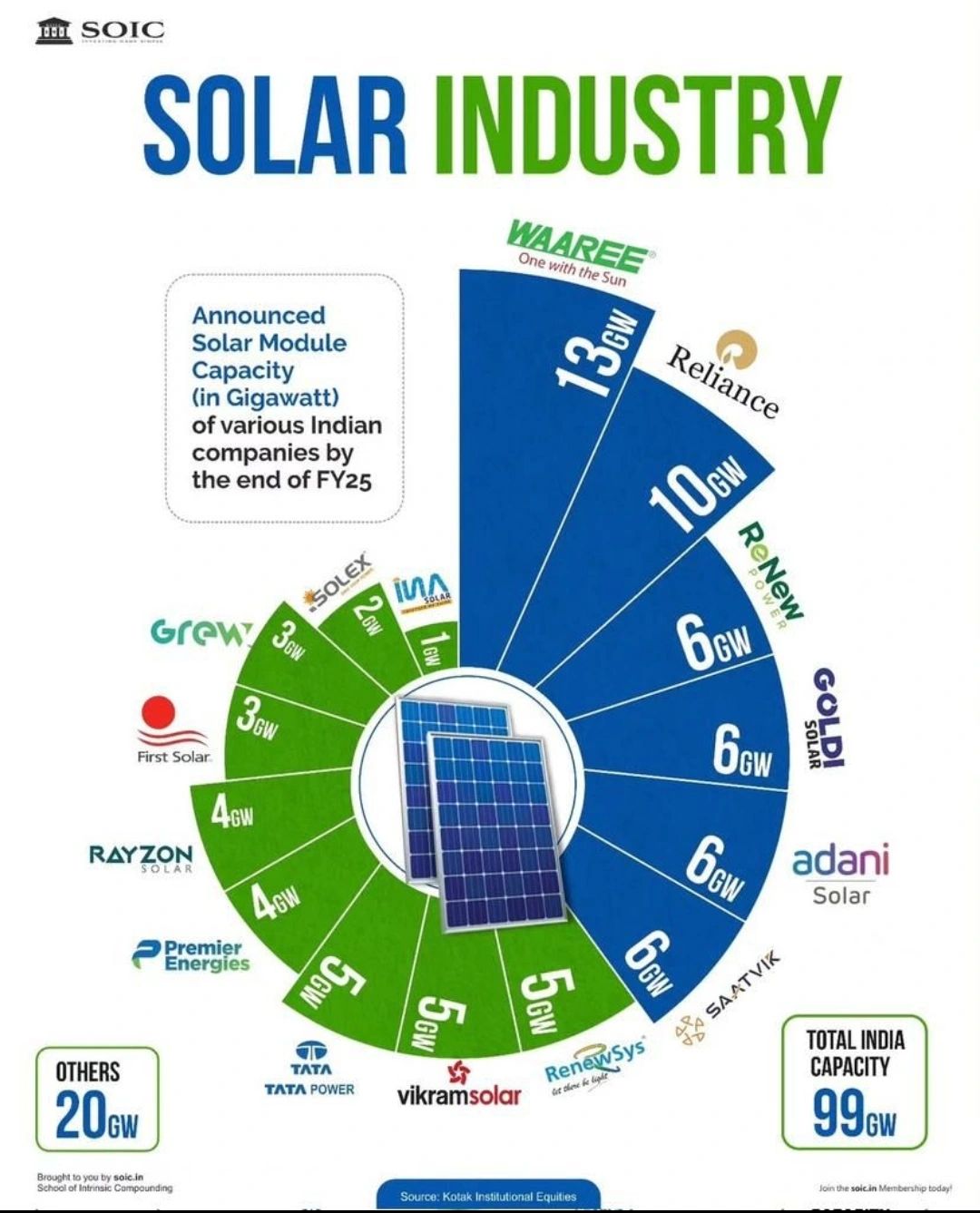
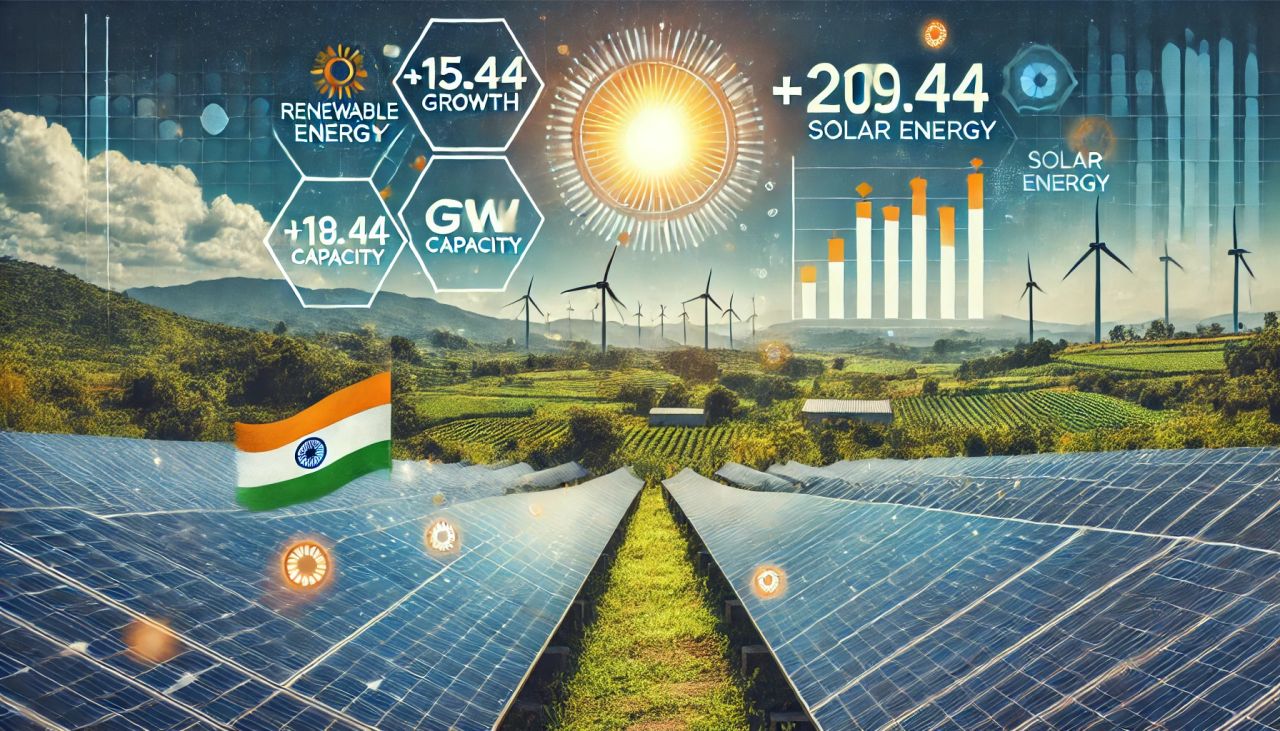
Originally published on LinkedIn on 2025-01-13 13:07:16: https://www.linkedin.com/feed/update/urn%3Ali%3AgroupPost%3A136624-7284556611363233792
Question “Turning Methane Green for Hydrogen: A Sustainable Revolution or an Overhyped Gamble?
The Hydrogen Spectrum: Gray, Blue, and Green
🟦 Gray Hydrogen:
Makes up 80% of global hydrogen production, emitting 9-12 kg CO₂/kg of hydrogen.
Inexpensive at $1-2/kg, but environmentally costly.
🔵 Blue Hydrogen:
Cuts emissions by up to 90% using carbon capture.
Costs $1.5-3/kg, but CCS scalability is a challenge.
💚 Green Hydrogen:
Zero emissions but expensive at $3-8/kg.
Projected to reach $1-2/kg by 2030, with renewable energy advancements (IEA, 2024).
🌱 Biogas: Methane’s Green Revolution or Gamble?
1️⃣ The Green Potential
Waste Reduction: Converts 20% of global methane emissions from decomposing waste, cutting greenhouse gas emissions equivalent to 500 million tons of CO₂ annually (IEA, 2023).
Methane Mitigation: Captures a gas 25x more potent than CO₂, turning it into energy.
2️⃣ A Renewable Pathway
Biomethane Production: Purifies biogas into biomethane, a substitute for natural gas or feedstock for green hydrogen.
Future Potential: Biomethane could meet 20% of global natural gas demand by 2040 (World Biogas Association, 2023).
3️⃣ Practical Challenges
High Costs: Initial investment in anaerobic digesters and upgrading facilities is substantial.
Slow Adoption: Only 2% of global methane demand is currently fulfilled by biomethane.
💡 Hydrogen from Biogas: A Green Transition
🔗 Biomethane-to-Hydrogen: Biomethane enables a blue-to-green hydrogen bridge, reducing emissions by 95% when paired with carbon capture.
💰 Economic Feasibility: Producing hydrogen from biomethane costs $2-4/kg, making it a competitive interim solution.
🌍 Key Impact Potential
🌱 Emission_Reduction: Combating up to 1 gigaton of CO₂-equivalent emissions annually by scaling biogas and biomethane.
♻️ Circular_Economy: Converts 300 million tons of organic waste into energy annually.
🔒 Energy_Security: Biogas can fulfill 10% of global energy demand by 2050.
Conclusion: Revolution or Gamble?
Biogas and biomethane present a game-changing opportunity to turn methane green and bridge the gap to green hydrogen. However, costs, infrastructure, and slow adoption spark skepticism. The path forward requires bold policy action, strategic investment, and technological breakthroughs to turn this gamble into a sustainable revolution.
Originally published on LinkedIn on 2024-12-27 04:21:11: https://www.linkedin.com/feed/update/urn%3Ali%3AgroupPost%3A60128-7278263621023903744
Google’s $20 Billion Renewable Revolution: A Blueprint for Future Data Centers
Google’s visionary $20 billion partnership with Intersect Power and TPG Rise Climate is pioneering a sustainable future for data center operations by seamlessly integrating them with renewable energy sources. This transformative approach not only caters to the intense energy demands of AI technologies but also sets a new benchmark for environmental responsibility in the tech sector.
Strategic Highlights:
Direct Renewable Integration: Data centers will be strategically co-located with solar and wind farms, leveraging direct access to renewable energy to significantly reduce carbon emissions and enhance energy efficiency.
Robust Investment in Sustainability: An $800 million equity investment in Intersect Power underscores a deep commitment to expanding renewable energy capacity, integral to powering these next-gen data facilities.
Aggressive Timeline for Implementation: The project’s first operational phase is set for 2026, with full-scale completion targeted for 2027, demonstrating a rapid rollout plan that aligns with global sustainability targets.
Transformational Impact:
Reduction in Carbon Footprint: By harnessing solar and wind energy, these data centers are expected to reduce carbon emissions by up to 40% compared to conventional facilities.
Enhancement of Grid Stability: Generating their own power, these centers will decrease reliance on traditional power grids, preventing the typical surge in local energy prices and improving grid resilience.
Efficiency in Energy Usage: Co-located renewable resources will minimize energy loss that occurs during transmission, making these centers exemplars of energy efficiency.
Benchmarking Industry Excellence:
Facebook: Invests in bespoke renewable energy solutions, including a recent 350 MW solar power initiative aimed at exclusively powering its data operations.
Amazon: On track to achieve 100% renewable energy for its global operations by 2025, with 270 renewable energy projects currently operational or underway.
Microsoft: Pioneered a zero-carbon certification for its new data centers, backed by over 200 MW of new solar energy projects in states like Georgia and Nevada.
Apple: Dedicated 100% of its global operations to renewable energy since 2018, with ongoing investments in regional renewable projects tailored to data center needs.
Google’s proactive strategy not only emphasizes the critical role of sustainability in technological advancements but also illustrates a profound shift in corporate responsibility towards global climate goals. This ambitious project signals a pivotal movement within the tech industry, advocating for a sustainable and energy-independent future for data centers worldwide.
Source / shared link: https://www.edgemiddleeast.com/green-tech/the-green-shift-googles-20-billion-bet-on-renewable-energy-for-ai
Originally published on LinkedIn on 2024-12-16 22:52:50: https://www.linkedin.com/feed/update/urn%3Ali%3AgroupPost%3A3880479-7274557112268058624
Meta’s $10B PowerPlay: AI Revolution Fueled by Nuclear Ambitions
Biggest AI Data Center Yet
Meta is investing a whopping $10 billion to build its largest AI-driven data center in Richland Parish, Louisiana.
The 4-million-square-foot facility is designed to handle unprecedented AI workloads.
Natural Gas for Immediate Needs
Partnering with Entergy, Meta will tap into over 2,200 megawatts of electricity from three natural gas plants.
This ensures seamless energy supply for both the data center and the surrounding community.
Nuclear Energy for the Future
To power AI sustainably, Meta is seeking nuclear energy developers to deliver up to 4 gigawatts of carbon-free power by the early 2030s.
This bold move signals a major shift towards long-term, clean energy solutions.
Commitment to Sustainability
Meta’s nuclear initiatives aim to slash emissions while supporting a more robust and environmentally friendly electric grid.
Leading the Tech Energy Race
Joining Microsoft and Google, Meta’s nuclear investment underlines the tech industry’s race to align AI growth with sustainability goals.
Blueprint for the Future
By balancing immediate natural gas needs with future nuclear energy aspirations, Meta is setting a transformative example for powering AI responsibly.
Originally published on LinkedIn on 2024-12-09 17:24:44: https://www.linkedin.com/feed/update/urn%3Ali%3AgroupPost%3A131340-7271937828673003520
NamesteIndia Biogas a “Future Fuel !!!
India’s Biogas Revolution:
In a stunning to know, we actually have been using Biogas in India since more than a Century
1859: The first anaerobic digestion plant in Bombay (now Mumbai) lit up the streets with biogas. Forget Edison; this was the original light bulb moment!
1970s: India rolled out family biogas plants like a boss. Cattle manure became the new gold standard.
1980s: Decentralized biogas models sprouted faster than weeds after monsoon rains. Urban, industrial, and agricultural wastes joined the party.
2015: The Advanced High Rate (AGR) digester design emerged, turning solid waste into energy. It’s like Hogwarts for garbage!
Certainly! Here’s a concise overview of India’s biogas developments from 2020 to 2024:
2020: India continued to promote biogas as a sustainable energy source. Research focused on improving digester efficiency and exploring new feedstocks beyond cattle manure.
2021: The government launched the National Biogas Mission, aiming to increase biogas production and utilization across the country. Incentives were provided for setting up biogas plants in rural and urban areas.
2022: India witnessed a surge in communitybased biogas projects. These projects involved collaboration between local communities, NGOs, and private entities to establish decentralized biogas facilities.
2023: Researchers discovered innovative ways to enhance biogas yield through codigestion. By mixing organic waste streams (such as food waste, agricultural residues, and sewage sludge), biogas production became more efficient.
2024: The Indian biogas sector expanded its focus beyond electricity generation. Biogas was increasingly used for cooking, heating, and as a clean fuel alternative in transportation.
Overall, India’s commitment to biogas as a renewable energy solution remained steadfast during this period, with efforts spanning research, policy, and practical implementation.
Originally published on LinkedIn on 2024-07-19 18:03:17: https://www.linkedin.com/feed/update/urn%3Ali%3AgroupPost%3A59930-7220126065124421632
NamesteIndia Biogas a “Future Fuel !!!
India’s Biogas Revolution:
In a stunning to know, we actually have been using Biogas in India since more than a Century
1859: The first anaerobic digestion plant in Bombay (now Mumbai) lit up the streets with biogas. Forget Edison; this was the original light bulb moment!
1970s: India rolled out family biogas plants like a boss. Cattle manure became the new gold standard.
1980s: Decentralized biogas models sprouted faster than weeds after monsoon rains. Urban, industrial, and agricultural wastes joined the party.
2015: The Advanced High Rate (AGR) digester design emerged, turning solid waste into energy. It’s like Hogwarts for garbage!
Certainly! Here’s a concise overview of India’s biogas developments from 2020 to 2024:
2020: India continued to promote biogas as a sustainable energy source. Research focused on improving digester efficiency and exploring new feedstocks beyond cattle manure.
2021: The government launched the National Biogas Mission, aiming to increase biogas production and utilization across the country. Incentives were provided for setting up biogas plants in rural and urban areas.
2022: India witnessed a surge in communitybased biogas projects. These projects involved collaboration between local communities, NGOs, and private entities to establish decentralized biogas facilities.
2023: Researchers discovered innovative ways to enhance biogas yield through codigestion. By mixing organic waste streams (such as food waste, agricultural residues, and sewage sludge), biogas production became more efficient.
2024: The Indian biogas sector expanded its focus beyond electricity generation. Biogas was increasingly used for cooking, heating, and as a clean fuel alternative in transportation.
Overall, India’s commitment to biogas as a renewable energy solution remained steadfast during this period, with efforts spanning research, policy, and practical implementation.
Originally published on LinkedIn on 2024-07-19 18:03:04: https://www.linkedin.com/feed/update/urn%3Ali%3Ashare%3A7220126007599489026

