🌍 NamasteIndia Now the Biggest Plastic Polluter? No IntergovernmentalNegotiatingCommittee (INC-5.2)
India has overtaken all nations as the world’s top plastic polluter—a surge tied to mismanaged waste and limited recycling infrastructure, with major impacts on public health .
🇮🇳 IndiaPlasticPolicy 2025 – Key Milestones
Jan 2025
✅ EPR 2.0 launched – Mandatory digital compliance via CPCB portal
Mar 2025
♻️ Recycled content targets kick in (30% rigid, 20% flexibles)
Apr 2025
🚫 SUP ban expanded – Sachets, EPS trays, cling wraps added
Jun 2025
💱 PlasticCreditMarket (pilot) starts – tradable recycler credits
Aug2025
🏗️ Next meeting of the IntergovernmentalNegotiatingCommittee (INC-5.2) for the Global Plastics Treaty will be held at:
📍 Palais des Nations, Geneva, Switzerland
🗓️ August 5–14, 2025
This will be the second part of INC-5, aiming to finalize the draft legally binding agreement on plastic pollution after inconclusive talks in Busan during INC-5.1.
🏢 BrandAccountability: Coca‑Cola, PepsiCo, Nestlé
A study highlighted by Procurement Magazine (June 25) found that Coca‑Cola, PepsiCo, Nestlé and other giants now account for a combined 24% of branded plastic pollution .
Earlier data from Oceana (Mar 2025) warn Coca‑Cola alone could send 602 million kg of plastic into oceans annually by 2030 .
🌡️ Business & Climate Risks
A risk assessment (reported June 23) warns that plastic pollution, paired with rising heat and mold, is becoming a serious liability for insurers and corporations .
⚖️ PolicyShifts & Industry Responsibility
Indian government has updated the policies for plastic and packaging
🌐 Global Mobilization
On World Environment Day (June 5), UNEP called for urgent global action, urging governments, businesses and citizens to BeatPlasticPollution ahead of the upcoming Global Plastics Treaty .
The World Economic Forum emphasized the scale of the crisis—19 million tonnes of plastic leak annually—and showcased eight breakthrough solutions tied to the 2025 theme .
💶 Funding Solutions
A coalition of development banks—including those from France, Germany, Spain, Italy and EBRD—pledged €3 billion by 2030 via the Clean Oceans Initiative to curb marine plastic through waste and packaging innovation .
🔍 Key Takeaways
Geography: India has emerged as the world’s top plastic-polluting nation.
Corporate Impact: Major global brands are responsible for nearly a quarter of branded plastic waste.
Systemic Risks: Plastic pollution is now financially and legally risky for insurers and businesses.
Policy Drive: Nations like Nigeria are adopting new regulations; more funding and treaties are gaining momentum.
Originally published on LinkedIn on 2025-06-25 11:14:28: https://www.linkedin.com/feed/update/urn%3Ali%3Ashare%3A7343597444439420931
MistWashed Priorities in Sustainability: When Data Exposes the Gaps
Sustainability often looks good but lacks real impact. Here’s where well-intended efforts get lost in the fog of MistWash:
1. Eco-Friendly Illusions
✅ Recycled & biodegradable products
❌ High carbon footprints from transport & packaging
🔢 A bamboo toothbrush shipped globally > Higher CO₂ than local plastic one
Plastic Bans vs. Bigger Pollutants
✅ Straws & cutlery banned
❌ Ignored: Industrial plastic waste, fishing nets
🔢 Straws = 0.03% of ocean waste | Fishing gear = 46%
3. Carbon Offsets: License to Pollute?
✅ Tree planting & carbon credits
❌ Excuse to keep emitting CO₂
🔢 NY–London flight emits more CO₂ than 12 trees absorb in a year
4. “Sustainable” Fashion = Overproduction
✅ Eco-friendly clothing lines
❌ Still polluting & microplastics in water
🔢 Fashion = 10% of global CO₂ & 35% of ocean microplastics
5. GreenBuildings ≠ Energy Efficient
✅ LEED-certified skyscrapers
❌ Glass-heavy designs need more cooling
🔢 30% more energy use vs. traditional buildings
6. RenewableEnergy: Unseen Costs
✅ Solar & wind farms
❌ Deforestation, wildlife displacement
🔢 15% of solar farms replace forests & wetlands
7. The Recycling Illusion
✅ More recycling efforts
❌ Mass production keeps growing
🔢 9% of plastic is recycled | 380M+ tons produced yearly
8. EVs: The Clean Energy Myth
✅ EVs reduce tailpipe emissions
❌ Coal-powered grids, lithium mining
🔢 EV battery production = 74% more CO₂ than gas car lifecycle
9. Greenwashing > Real Impact
✅ “Carbon Neutral” claims
❌ Offsets instead of real cuts
🔢 70% of corporate claims lack verified reductions
10. Aesthetics Over Impact
✅ Green walls & rooftop gardens
❌ Costly but negligible climate impact
🔢 Vertical gardens cost 10X more than planting trees
🚀 RealSustainability means: Less hype, more impact. Systemic change > Symbolic bans. Accountability > Optics.
ESG Sustainability ClimateAction ImpactOverImage
Originally published on LinkedIn on 2025-03-10 18:45:32: https://www.linkedin.com/feed/update/urn%3Ali%3AgroupPost%3A4385073-7304935456536715264
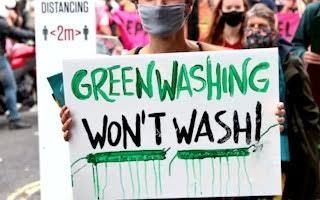
🚨 BigBrands, BIGGERFines: The Recycling Greenwashing Scandal Exposed! ♻💰
We’ve been told recycling is the answer to plastic waste. But what if the system itself is built on fraud and deception? BigBrands are now facing BIGFINES for misleading consumers about recyclability. Here’s how the deception unfolded over the years:
📅 TIMELINE OF GREENWASHING IN RECYCLING
🔹 YR1990s – The Recycling Illusion Begins
📌 Plastic industry documents reveal that producers knew recycling wouldn’t work on a large scale—but they marketed it as the solution to keep plastic production high. (Source)
🔹 YR2000s – Growth of the ‘Recyclable’ Label
📌 Brands like CocaCola, Nestlé, and Unilever start aggressively using recyclable labels, despite knowing that most plastic isn’t actually recycled due to contamination and lack of facilities. (Source)
🔹 YR2018 – China Bans Plastic Waste Imports
📌 China’s NationalSword policy ends global reliance on cheap recycling, exposing the broken system. The US and EU struggle to process their own plastic waste.
🔹 YR2022 – Keurig Faces Greenwashing Lawsuit
📌 KeurigDrPepper pays #$3M in Canada and $1.5M in the US for falsely claiming its K-Cups were recyclable, despite most recycling centers rejecting them. (Source)
🔹 YR2023 – EU Cracks Down on Greenwashing
📌 The EU introduces legislation requiring brands to prove their sustainability claims or face heavy fines.
🔹 YR2024 – ExxonMobil Sued for Recycling Lies
📌 California sues ExxonMobil, accusing them of knowingly misleading the public about plastic recycling.
🔹 YR2025 & Beyond – The Future of Greenwashing Accountability?
📌 Global brands will face stricter regulations and fines in the billions for misleading sustainability claims. Will it be enough to stop greenwashing?
🚨 THE REALITY CHECK: Only 5% of Plastic is Actually Recycled
📌 Despite all the marketing, 95% of plastic waste still ends up in landfills, oceans, or incinerators. We’re not recycling our way out of this crisis. (Source)
💡 The Takeaway: It’s time for big brands to face bigger consequences for deceptive sustainability claims. Recycling is NOT the solution—reducing plastic production is.
📢 What’s Next? Should governments ban false recycling claims? Should companies pay for end-to-end plastic responsibility? Let’s talk below! 👇
Originally published on LinkedIn on 2025-02-26 16:11:56: https://www.linkedin.com/feed/update/urn%3Ali%3AgroupPost%3A82951-7300548149285117954
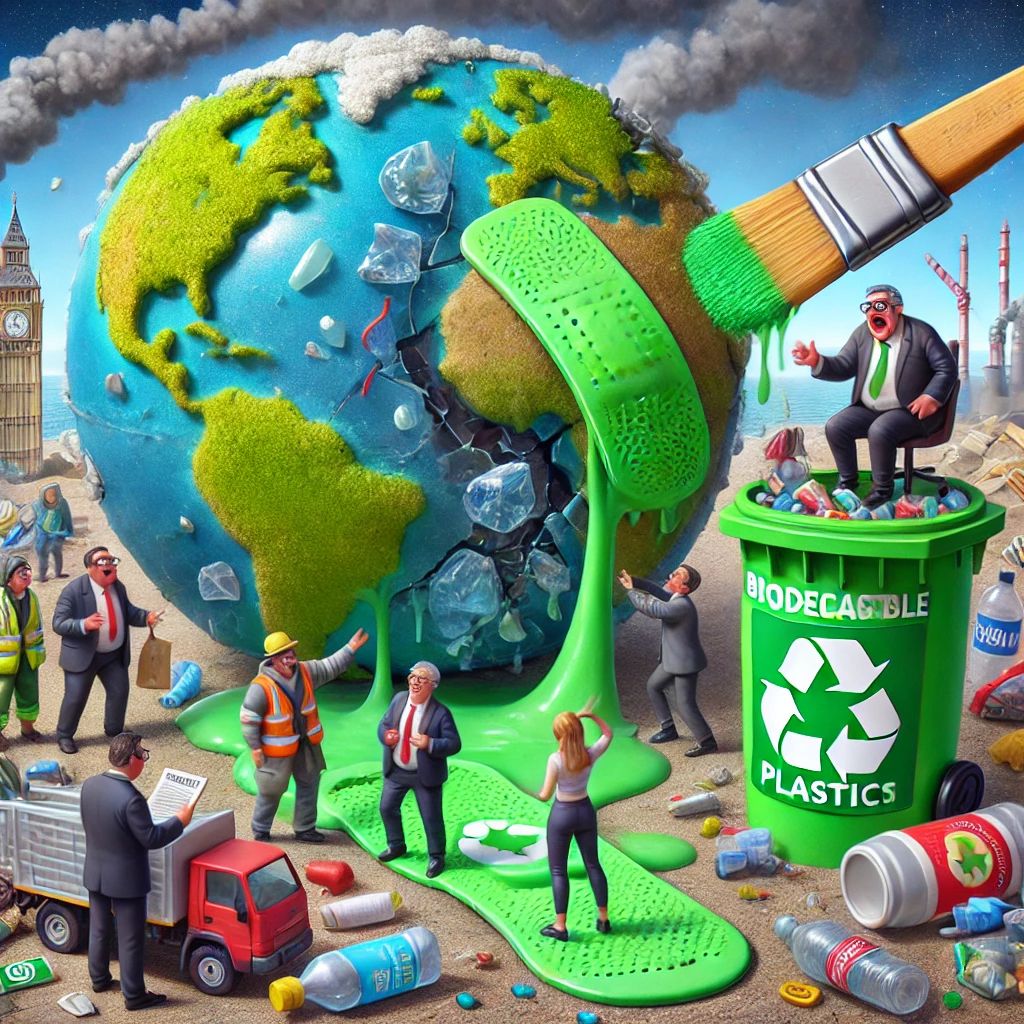
🚨 “Green Plastics: A Band_Aid on a Bullet_Wound?” ♻️🌍💭
The world produces 400 million tons of plastic annually, and now, the industry wants you to believe Green Plastics are the solution. But are they truly a revolution—or just a rebranded problem? Let’s go beyond the buzzwords and into the hard facts.
📊 1. The Green Plastic Illusion
✅ Bioplastics – Made from plants like corn & sugarcane instead of oil.
✅ Recycled Plastics – Reduces virgin plastic demand but still degrades over time.
✅ Biodegradable Plastics – Marketed as compostable but often require industrial processing.
🚨 Reality Check: Only 5% of global plastic is actually recycled, and ‘bioplastics’ often don’t degrade in real-world conditions. (OECD, 2024)
🔴 2. The Unseen Costs: What They Don’t Tell You
❌ Bioplastics require vast amounts of water, land, and energy—competing with food production. (FAO, 2024)
❌ Most ‘biodegradable’ plastics don’t break down in oceans or landfills—just like regular plastic. (WWF, 2024)
❌ Recycling green plastics is costly and inefficient—leading to waste incineration instead. (Greenpeace, 2024)
🚨 Reality Check: Green plastics shift the burden, but don’t eliminate the pollution crisis.
🌍 3. Who’s Leading the Green Plastic Race?
✅ 🇪🇺 EU: Strict bans on single-use plastics, pushing for a true circular economy. (EU Commission, 2024)
✅ 🇯🇵 Japan: Seaweed-based plastics as a real alternative to petroleum-based materials. (JETRO, 2024)
✅ 🇮🇳 India: Mandatory Extended Producer Responsibility (EPR) forcing plastic accountability. (CPCB, 2024)
🚨 Reality Check: Even the best policies fail without proper waste infrastructure & enforcement.
🏆 KeyTakeaway
Green Plastics aren’t a solution—they’re a distraction. Unless we reduce plastic dependency, scale up true alternatives, and overhaul waste systems, we’re just putting a green label on the same crisis.
👉 Are Green Plastics saving the planet or just buying time?
GreenPlastics PlasticParadox CircularEconomy Sustainability NetZero ESG
Originally published on LinkedIn on 2025-02-03 04:26:04: https://www.linkedin.com/feed/update/urn%3Ali%3AgroupPost%3A2474261-7292035591980945408
Need of a deepdive:
One small-cap stock in the plastic bottle recycling business that has been gaining attention is PureCycle Technologies (PCT)**. This company focuses on converting plastic waste into ultra-pure recycled polypropylene, which is a highly sought-after material. PureCycle has partnerships with major companies like Nestlé and Procter&Gamble, indicating strong growth potential.
NamateIndia also reads that similar Indian initiatives are:
1. Ganesha Ecosphere Ltd.
Sustainability Rating: ★★★★☆
Reason: Leading recycler of PET bottles in India, significant contribution to reducing plastic waste, and strong focus on sustainable textiles.
2. Radhe Renewable Energy Development Ltd.
Sustainability Rating: ★★★☆☆
Reason: Innovative approach to converting plastic waste into fuel, but still developing in terms of scale and impact.
3. Manjushree Technopack Ltd.
Sustainability Rating: ★★★★☆
Reason: Strong focus on sustainable packaging solutions and recycling PET bottles, contributing to reducing plastic waste.
4. Uflex Ltd.
Sustainability Rating: ★★★★☆
Reason: Comprehensive recycling initiatives and a strong commitment to eco-friendly packaging, with a global market presence.
5. Vikas Ecotech Ltd.
Sustainability Rating: ★★★☆☆
Reason: Focus on eco-friendly chemicals and recycling plastic waste, but still growing in terms of market impact and scale.
These ratings are based on their current initiatives and potential impact on sustainability.
Originally published on LinkedIn on 2024-08-09 20:33:07: https://www.linkedin.com/feed/update/urn%3Ali%3AgroupPost%3A2474261-7227773918395195392

