🌱 GreenIsTheNewLean
KtalystInsights | SmartSustainability | NetZeroBusiness | GreenMargins
> “It’s not just the Earth we’re saving. It’s the balance sheet.
Sustainability has left the CSR desk — and entered the C-suite.
Here’s the data AND proof that going green is the leanest business strategy today.
📊 5Data-Backed Reasons + Case Studies Why Green = Growth
1️⃣ 💡 Energy Efficiency = 30% OPEX Savings
💬 Case Study: Infosys (India)
Reduced per capita energy consumption by 55% since 2008
Achieved carbon neutrality in 2020 — saving #₹500 crore (~$60M) in energy and offset costs
👉 [Source: Infosys ESG Report]
2️⃣ 📦 Packaging Optimization = 20% Cost Reduction
💬 Case Study: Unilever India
Switched to lightweight, recyclable sachets & cartons
Saved #₹300 crore (~$36M) over 3 years by reducing material and logistics costs
👉 [Source: Unilever Sustainability Dashboard]
3️⃣ 👩💼 Talent Preference = 67% GenZ Alignment
💬 Case Study: Schneider Electric
Ranked consistently in Top10 Sustainable Employers
Improved retention by 15% among early-career hires
Launched global Green Employee Training Program
👉 [Source: Forbes, Schneider CSR Report]
4️⃣ 📈 ESG-Driven Outperformance = +12.4% ROI Boost
💬 Case Study: Tata Group (TCS & Tata Steel)
Tata Steel’s decarbonization roadmap boosted investor confidence
TCS integrated AI for energy efficiency — saving #$25M/year
Tata Group’s ESG stocks have outperformed Nifty by 10% in the last 3 years
👉 [Source: BSE, Moneycontrol]
5️⃣ ♻️ Circular Economy = New Revenue Streams
💬 Case Study: Dalmia Cement
Recycled industrial waste as alternative fuel
Reduced thermal energy cost by 15–20%
Declared goal to become carbon-negative by 2040
👉 [Source: CII, Dalmia Reports]
🔍 KtalystTakeaway:
✅ Reduce energy and packaging costs
✅ Attract and retain top talent
✅ Increase investor trust and returns
✅ Open new circular revenue pathways
✅ Meet Net Zero goals — with margin uplift
> 💡 “Sustainability is not a sacrifice. It’s a strategic upgrade.
💬 Are you still treating green as a cost center?
Let’s decode your GreenMargins together.
Originally published on LinkedIn on 2025-07-03 17:53:26: https://www.linkedin.com/feed/update/urn%3Ali%3AgroupPost%3A82951-7346596949829062656
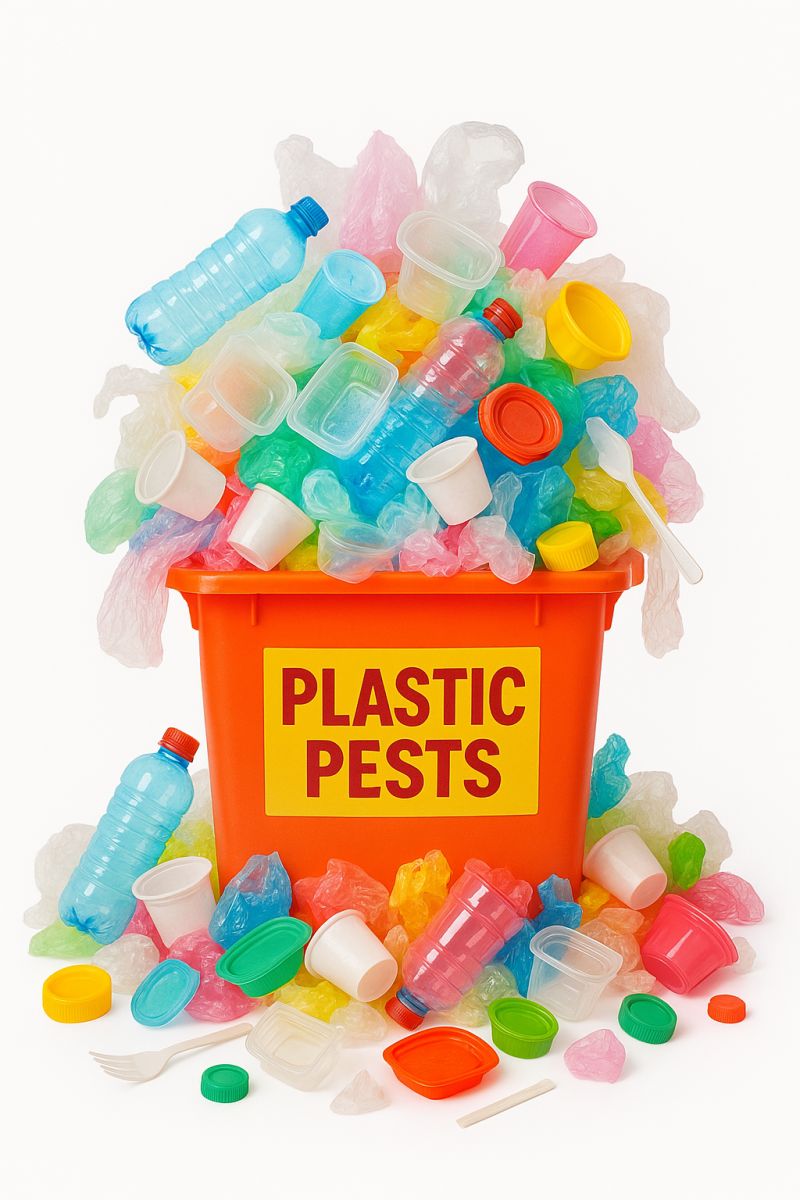
Caution_New_Pest Plasticwashing: Sustainable_Lie Wrapped_in_Cellophane
100Percent Recyclable… if you live on Mars.
#🚨RedFlags: The Packaging Lies We’re Sold
♻️ RecyclableWhereFacilitiesExist
= They usually don’t. Translation: Landfill.
🍃 Biodegradable
= But how fast? Where? And under what conditions? Spoiler: not your drain.
🌿 Compostable
= Only in IndustrialComposters, not your backyard pile.
🌽 PlantBasedPlastic
= Still plastic. Still Pollution.
💚 GreenPackaging
= Just psychology. Not science. Check the ResinCode.
🧪WhatIsPlasticwashing?
It’s when brands slap EcoBuzzwords like Natural, Green, or Recyclable on packaging that ends up in the same old Landfills.
It’s Greenwashing’s slicker, shinier sibling—and it’s everywhere.
📊GlobalPlasticTruthBombs
♻️ Only9Percent of all plastic ever made has been recycled. (UNEP)
🛍️ 40Percent of plastics are used for single-use packaging. (WorldBank)
🌊 170TrillionParticles now float in oceans. (PLOSOne, 2023)
♨️ BioplasticsNeedHeat – 50°C+ to degrade, rarely accessible. (EEA)
🚯 MostRecyclablesArent recycled due to cost & contamination. (OECD)
🌍PlasticwashingAcrossBorders
🇩🇪 Germany – High recycling rates, still exports waste.
🇮🇳 India – Plastic bans exist, but enforcement is patchy.
🇺🇸 USA – Only 5Percent of plastics recycled in 2021.
🇰🇪 Kenya – Banned plastic bags, but black markets persist.
🇪🇺 EU – Circular economy laws pushing for real change.
✅RealFixes (No GreenGloss)
🧩 DesignForDisassembly – Packaging that can actually be recycled.
🧪 MaterialInnovation – Seaweed wraps, edible spoons, paper-based inks.
💸 DepositReturnSystems – Proven success in Norway & Germany.
📚 ConsumerLiteracy – 72% misread eco-labels. (Statista, 2023)
⚖️ TrueEPR – Producers must pay and take accountability.
🚫WhatBrandsMustStopDoing
🚫 StopPlasticposing – Don’t hide behind buzzwords.
🔍 ShowEndOfLifeTruths – Be honest about where your product lands.
🔁 CloseTheLoop – Invest in circular infrastructure.
📉 OwnYourFootprint – Audit it. Publish it. Shrink it.
FinalDrop: Don’t Just RethinkPlastic. Rethink Pretending.
Plasticwashing isn’t miscommunication.
It’s a CredibilityCrisis dressed in GreenInk and glossy wrappers.

Originally published on LinkedIn on 2025-03-26 17:32:31: https://www.linkedin.com/feed/update/urn%3Ali%3Ashare%3A7310715288314875905
Sustainability as a CompetitiveAdvantage: Data-Backed Insights from Market Leaders
How Green Strategies Drive Profitability and Market Dominance
1️⃣ The Business Case: Numbers Don’t Lie
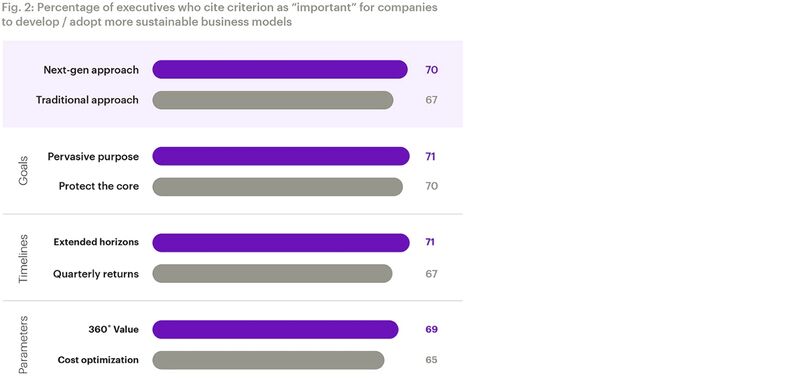
Sustainability is no longer just CSR—it’s a profit-driver. Companies leading in ESG (Environmental, Social, Governance) outperform competitors in key metrics:
67% of consumers prefer sustainable brands, and 50% are willing to pay a premium (Nielsen)
ESG-focused firms achieve 23% higher return on assets (Harvard Business School)
Sustainable investments reached #$30.7 trillion globally (Global Sustainable Investment Alliance, 2023)
Green supply chains reduce costs by 9% to 16% (McKinsey & Co.)
2️⃣ CaseStudy: Unilever – Sustainability Driving Growth
The Challenge:
Stagnant growth, rising operational costs, and increasing consumer skepticism.
TheStrategy:
✅ Launched Sustainable Living Plan – focusing on carbon neutrality, waste reduction, and ethical sourcing
✅ Introduced eco-friendly products – biodegradable detergents, refillable packaging
✅ Integrated sustainable supply chain – ethical sourcing, fair wages
TheOutcome:
Sustainable brands grew 69% faster than Unilever’s traditional portfolio
Cost savings of #€1.2 billion from energy efficiency & waste reduction
65% reduction in CO2 emissions while maintaining profit growth
3️⃣ The TeslaEffect: Sustainability as a Disruptor
TheChallenge:
EVs were costly, niche, and lacked mass adoption.
TheStrategy:
✅ Positioned EVs as luxury, creating aspirational demand
✅ Invested in battery innovation & circular economy for cost reduction
✅ Built renewable-powered gigafactories for operational efficiency
TheOutcome:
Stock value surged 5,500% in a decade (NASDAQ)
25% gross margin per vehicle, higher than traditional automakers (Toyota: 16%)
Industry-wide shift: Ford, GM, and Volkswagen investing heavily in EVs
4️⃣ IKEA: Circular Economy for Cost & Brand Loyalty
TheChallenge:
Fast furniture was unsustainable, affecting brand reputation.
TheStrategy:
✅ Shifted to circular design, using recyclable & repairable materials
✅ Built energy-positive stores, investing in solar & wind farms
✅ Launched buy-back programs, promoting a second-hand economy
TheOutcome:
50% carbon footprint reduction while increasing revenue
#$3 billion savings from renewable energy investments
World’s largest buyer of sustainable wood
5️⃣ Data-Proven Takeaways: Making Sustainability a Business Advantage
🔹 Sustainability is a growth driver – ESG-focused companies outperform peers by 20% in stock market returns (McKinsey)
🔹 Green innovation cuts costs – Sustainable practices lower operational costs by up to 16% (Deloitte)
🔹 Consumers reward sustainability – 77% of millennials consider environmental impact when purchasing (Forbes)
🔹 Investors prioritize ESG – 88% of global investors consider sustainability a key factor (Morningstar)
Originally published on LinkedIn on 2025-03-18 16:14:07: https://www.linkedin.com/feed/update/urn%3Ali%3AgroupPost%3A82093-7307796454041935875
FauxSustainability: The Billion-Dollar Green Mirage
🚨 The Rise of Faux Sustainability
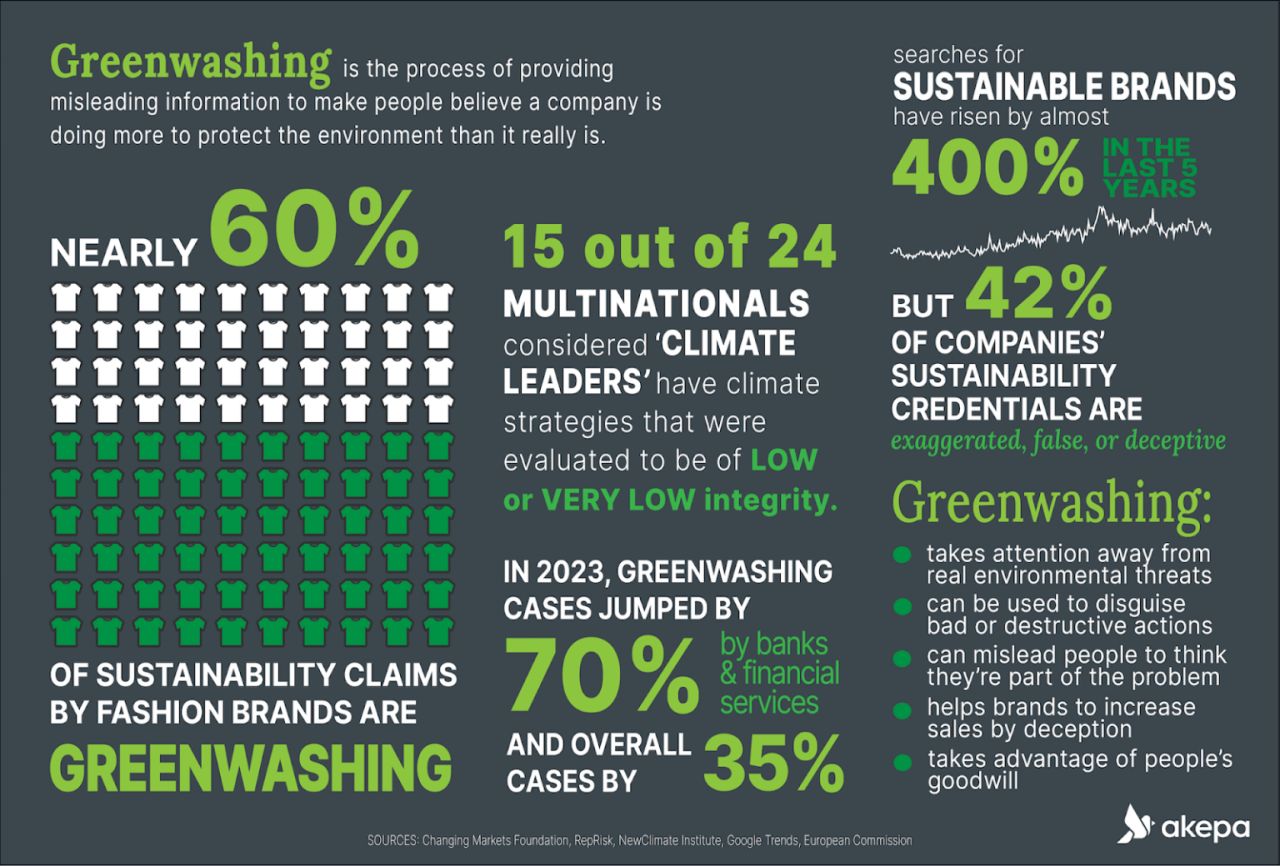
Fake eco-friendly claims are flooding the market, costing consumers and the planet.
$1.4 Trillion in ESG investments are at risk due to greenwashing. (Morningstar, 2025)
60% of “eco” products in 2025 had misleading claims. (EU Commission Study)
$50B+ in fines imposed globally for deceptive sustainability marketing. (2025)
Only 9% of plastic ever produced has been recycled, despite brands pushing “recyclable” products. (UNEP, 2025)
🔍 5 Common Faux Sustainability Scams (With Real Data)
1️⃣ Eco-Jargon Trap 🚫
🔹 Buzzwords like “green,” “eco-safe,” or “natural”—without proof.
❌ Example: H&M’s “Conscious Collection
Reality: Only 1% of the materials met sustainability standards.
Fine: €500K (2024, Netherlands).
2️⃣ Fake Green Certifications 🎭
🔹 Self-made labels that look official but lack third-party verification.
❌ Example: Keurig’s “recyclable” coffee pods
Reality: Only 3% of recycling centers could process them.
Fine: $3M (Canada, 2024).
3️⃣ Half_Truths & Hidden Pollutants 🏭
🔹 Companies highlight one green initiative but hide major environmental harm.
❌ Example: McDonald’s “plastic-free” paper straws
Reality: Straws weren’t recyclable, and company produced 4B plastic wrappers/year.
Public backlash led to policy reversal (2025).
❌ Example: Amazon’s “Climate Pledge Friendly
Reality: Many certified products had no actual emissions reduction.
Fine: Under investigation for misleading claims (2025).
4️⃣ “Future Green” Promises ⏳
🔹 Distant net-zero goals without current action.
❌ Example: Shell’s Net-Zero 2050 Pledge
Reality: Expanded new oil drilling projects in 2025 while marketing “low-carbon” fuels.
Fine: $5B in climate lawsuits (EU & US, 2025).
❌ Example: Coca-Cola’s “100% recycled plastic” bottles
Reality: Only 12% of bottles were actually from recycled materials.
Fine: EU Greenwashing Watchdog under review (2025).
5️⃣ Recyclable & Vegan Myths ♻️
🔹 Products marketed as “sustainable” but are harmful in disguise.
❌ Example: Fast Fashion’s “Vegan Leather
Reality: 90% made from PVC plastic, a major environmental pollutant.
❌ Example: Nestlé’s “Biodegradable” Coffee Pods
Reality: Took over 400 years to decompose in landfills.
✅ How to Spot & Avoid Faux Sustainability
✔ Look for verified third-party labels (FSC, Fair Trade, GOTS, Energy Star).
✔ Demand impact reports with real numbers (not vague marketing claims).
✔ Check recyclability claims with local waste management rules.
✔ Avoid “net-zero” goals without short-term milestones.
🌍 Why This Matters
68% of consumers prefer sustainable brands, but fake claims destroy trust.
Greenwashing delays climate action while real eco-friendly businesses struggle.
Regulators are pushing for stricter laws—but consumer awareness is key.
💬 Seen a Faux Sustainability scam? Drop it below! 🚨♻️

Originally published on LinkedIn on 2025-03-15 05:27:05: https://www.linkedin.com/feed/update/urn%3Ali%3AgroupPost%3A2474261-7306546458546040832
🚨 BigBrands, BIGGERFines: The Recycling Greenwashing Scandal Exposed! ♻💰
We’ve been told recycling is the answer to plastic waste. But what if the system itself is built on fraud and deception? BigBrands are now facing BIGFINES for misleading consumers about recyclability. Here’s how the deception unfolded over the years:
📅 TIMELINE OF GREENWASHING IN RECYCLING
🔹 YR1990s – The Recycling Illusion Begins
📌 Plastic industry documents reveal that producers knew recycling wouldn’t work on a large scale—but they marketed it as the solution to keep plastic production high. (Source)
🔹 YR2000s – Growth of the ‘Recyclable’ Label
📌 Brands like CocaCola, Nestlé, and Unilever start aggressively using recyclable labels, despite knowing that most plastic isn’t actually recycled due to contamination and lack of facilities. (Source)
🔹 YR2018 – China Bans Plastic Waste Imports
📌 China’s NationalSword policy ends global reliance on cheap recycling, exposing the broken system. The US and EU struggle to process their own plastic waste.
🔹 YR2022 – Keurig Faces Greenwashing Lawsuit
📌 KeurigDrPepper pays #$3M in Canada and $1.5M in the US for falsely claiming its K-Cups were recyclable, despite most recycling centers rejecting them. (Source)
🔹 YR2023 – EU Cracks Down on Greenwashing
📌 The EU introduces legislation requiring brands to prove their sustainability claims or face heavy fines.
🔹 YR2024 – ExxonMobil Sued for Recycling Lies
📌 California sues ExxonMobil, accusing them of knowingly misleading the public about plastic recycling.
🔹 YR2025 & Beyond – The Future of Greenwashing Accountability?
📌 Global brands will face stricter regulations and fines in the billions for misleading sustainability claims. Will it be enough to stop greenwashing?
🚨 THE REALITY CHECK: Only 5% of Plastic is Actually Recycled
📌 Despite all the marketing, 95% of plastic waste still ends up in landfills, oceans, or incinerators. We’re not recycling our way out of this crisis. (Source)
💡 The Takeaway: It’s time for big brands to face bigger consequences for deceptive sustainability claims. Recycling is NOT the solution—reducing plastic production is.
📢 What’s Next? Should governments ban false recycling claims? Should companies pay for end-to-end plastic responsibility? Let’s talk below! 👇
Originally published on LinkedIn on 2025-02-26 16:11:56: https://www.linkedin.com/feed/update/urn%3Ali%3AgroupPost%3A82951-7300548149285117954
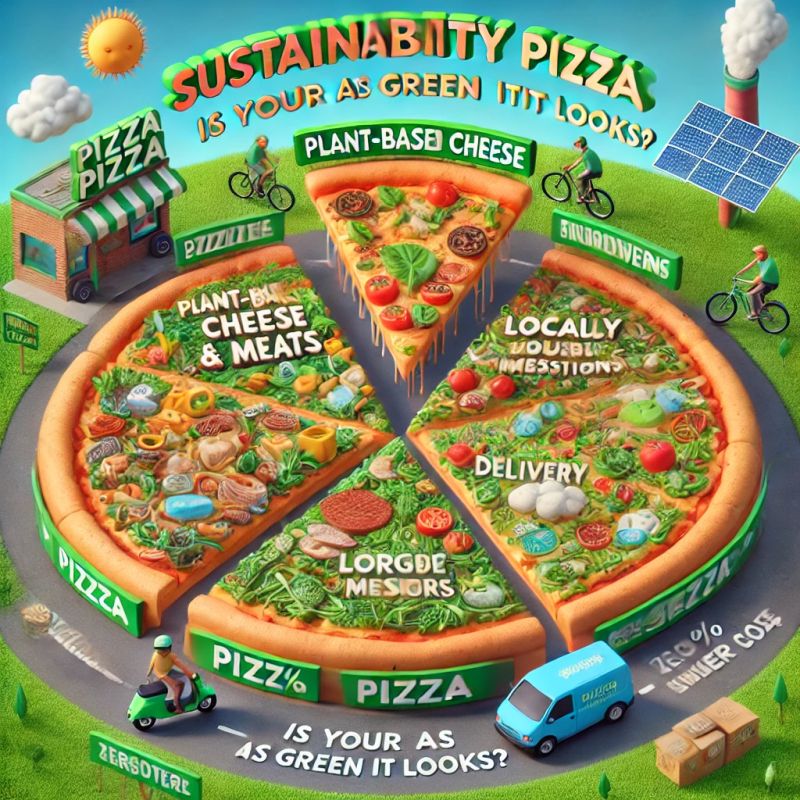
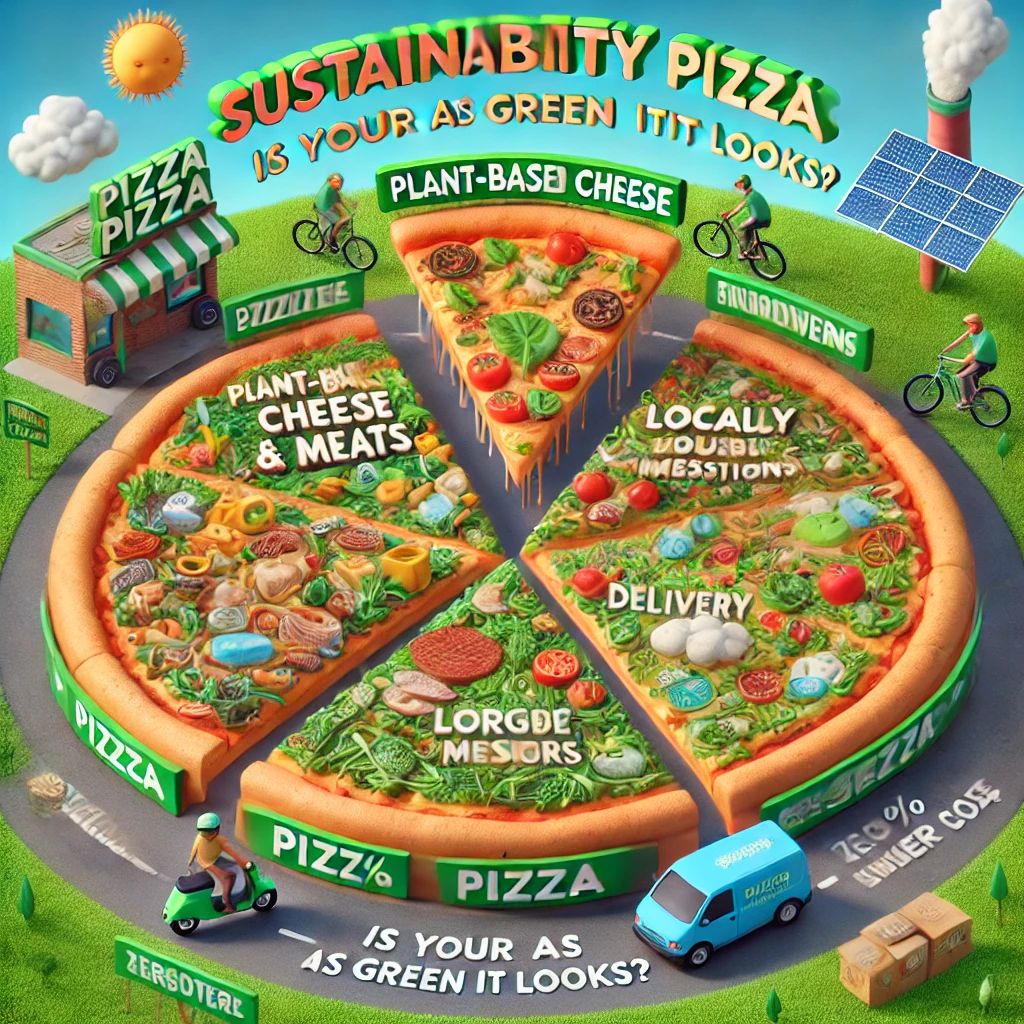
🍕🌱 The_Sustainability_Pizza: Is Your Slice Saving or Polluting the Planet?
Pizza might be the ultimate comfort food, but is it eco-friendly or a hidden climate offender? From cheese emissions to delivery impact, your favorite slice might not be as green as it looks.
📊 The Carbon Footprint of a Pizza
🚨 Dairy Disaster – Cheese production accounts for 60% of a pizza’s total carbon footprint, with dairy farming emitting 4% of global greenhouse gases. (FAO, 2024)
🚨 Meat Overload – Adding pepperoni or sausage increases pizza emissions by 80%, making it one of the least sustainable toppings. (IPCC, 2024)
🚨 Flour Footprint – Wheat farming for pizza dough consumes 35 trillion liters of water annually. (WWF, 2024)
🚨 Packaging Problem – 3 billion pizza boxes are used globally each year, but only 27% are actually recycled due to grease contamination. (EPA, 2024)
🚨 Delivery Emissions – Food deliveries generate 6% of all urban transport emissions, with pizza orders leading the pack. (IEA, 2024)
📌 Reality Check: That cheesy, meaty slice may have a higher footprint than your daily commute.
♻️ How to Make Pizza More Sustainable?
✅ Plant-Based Cheese & Meats – Vegan cheese and alt-meats reduce emissions by 50-80% compared to dairy & pork. (Sustainable Food Report, 2024)
✅ Locally-Sourced Ingredients – Using regional veggies and grains cuts transport emissions by 40%. (UNEP, 2024)
✅ Compostable Pizza Boxes – Some brands now use 100% biodegradable packaging, reducing landfill waste. (Recycling International, 2024)
✅ Energy-Efficient Ovens – New tech lowers energy consumption by 30% while reducing kitchen heat waste. (Clean Energy Council, 2024)
✅ Green Delivery – Bicycle and EV deliveries slash CO₂ emissions by 60% compared to gas scooters. (McKinsey, 2024)
📌 Reality Check: Pizza sustainability isn’t just about the ingredients—it’s the entire supply chain.
🛑 Greenwashing in the Pizza Industry
❌ #‘Eco-Friendly’ Labels Without Action – Some brands highlight one sustainable ingredient while ignoring wasteful packaging and supply chains.
❌ Carbon Offsets Instead of Real Change – Offsetting emissions without actually reducing footprint is a marketing trick.
❌ Recyclable Boxes That Aren’t Recycled – Most pizza boxes are contaminated by grease, making them non-recyclable despite green branding. (Recycling Myths, 2024)
📌 Reality Check: If a pizza brand claims to be ‘green,’ check if their entire supply chain follows through.
🏆 KeyTakeaway
Sustainable pizza could be the next big food revolution, should be focused on reducing food waste & emissions, but would be another greenwashing trend if brands don’t take real action.
👉 Is your favorite pizza actually sustainable, or just a slice of marketing?
SustainableFood GreenPizza EcoFriendlyEats CarbonNeutral CircularEconomy
Originally published on LinkedIn on 2025-02-06 05:19:07: https://www.linkedin.com/feed/update/urn%3Ali%3AgroupPost%3A2474261-7293136103753080832
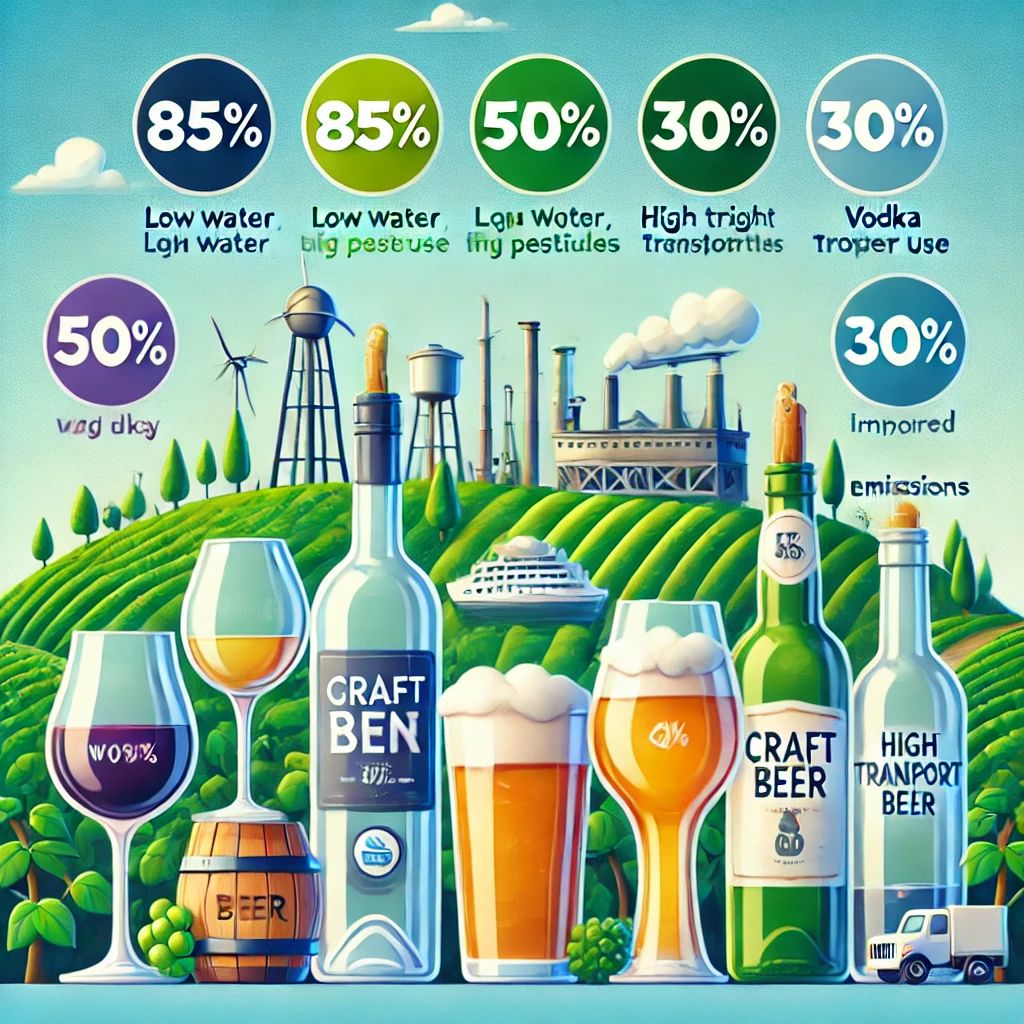
🍻🌱 “Green Booze: Is Your Drink Really Sustainable?
From beer to whiskey to wine, the alcohol industry is a silent sustainability offender—water-intensive, carbon-heavy, and waste-generating. But is booze going green, or just another case of marketing buzz?
📊 The Environmental Cost of Alcohol
🚨 Water Guzzler – Producing 1L of beer takes 4-6L of water, while 1L of whiskey requires up to 50L! (WWF, 2024)
🚨 High Carbon Emissions – A single pint of beer emits 3x more CO₂ than a soft drink. (IEA, 2024)
🚨 Glass Waste Crisis – Over 60% of alcohol packaging is glass, but only 31% is recycled globally. (Recycling International, 2024)
🚨 Grape Waste in Winemaking – Wine production leaves behind 13M tons of grape waste annually. (FAO, 2024)
📌 Reality Check: That happy hour drink may have a heavier footprint than you think.
♻️ Which Alcohols Are Actually Sustainable?
✅ Organic & Biodynamic Wines – Lower pesticide use and 30% less water-intensive. (Rainforest Alliance, 2024)
✅ Local & Craft Beers – Shorter supply chains reduce emissions by 20-30% compared to imported brands. (BrewTech, 2024)
✅ Sustainable Distilleries – Brands like Glenfiddich are converting distillery waste into biofuel-powered trucks. (WhiskeyNet, 2024)
✅ Plastic-Free Spirits – Companies switching to 100% recycled glass & aluminum bottles. (EcoPackaging, 2024)
🚨 Reality Check: A wine bottle may be recyclable, but transporting it across continents isn’t exactly green.
🛑 Greenwashing in the Alcohol Industry
❌ #‘Eco-Friendly’ Labels on Mass-Produced Booze – Big brands use buzzwords but still rely on carbon-heavy production.
❌ Carbon-Neutral Claims – Some distilleries buy offsets instead of actually reducing emissions.
❌ Recyclable Bottles That Aren’t Recycled – Glass recycling rates are still low due to lack of infrastructure.
📌 Reality Check: Just because a drink is labeled ‘sustainable’ doesn’t mean it actually is.
🏆 KeyTakeaway
Green Booze could be the future with real sustainability efforts, should be focused on reducing waste & emissions, but would be another greenwashing gimmick if brands don’t take real action.
👉 Is your drink as eco-friendly as it claims to be?
SustainableAlcohol GreenBreweries EcoDistilleries CarbonNeutral CircularEconomy
Originally published on LinkedIn on 2025-02-05 05:17:13: https://www.linkedin.com/feed/update/urn%3Ali%3AgroupPost%3A2474261-7292773237057314816

