GreenCapitalism: What the US and India Can Learn from Each Other
🌏 Sustainability isn’t just a moral choice—it’s a business imperative. As climate change accelerates, the US and India are taking different yet impactful approaches to GreenCapitalism. But can they learn from each other to maximize both profits and planet protection?
📊 The Numbers Speak:
✅ $370B – US investment in clean energy via the Inflation Reduction Act (IRA) (2022).
✅ 50% – India’s target for energy from renewables by 2030.
✅ $12B+ – India’s Green Hydrogen Mission funding to scale clean energy solutions.
✅ 15.5% CAGR – Growth rate of India’s renewable energy sector, among the fastest globally.
✅ 42% of Fortune 500 companies now have net-zero commitments, driven by market forces in the US.
🇺🇸 The US Model: Market-Driven Green Innovation
📌 Tesla’s Rise – A case study in how venture capital, consumer demand, and government incentives can drive sustainability at scale.
📌 Big Tech’s Net-Zero Race – Amazon, Microsoft, and Google are aggressively investing in renewables, proving that sustainability sells.
📌 The IRA Effect – Billions in incentives have positioned the US as a clean energy investment magnet.
⚡ What the US Can Learn from India:
🔹 Policy-driven large-scale infrastructure development.
🔹 Affordable green tech – India’s low-cost solar and EV innovations offer a replicable model.
🔹 Government-led stability – Long-term policy backing can mitigate the risks of market volatility.
🇮🇳 The Indian Model: Policy-Led Green Growth
📌 Adani Green Energy & Reliance – Betting big on renewables, with record-breaking profit growth.
📌 PLI Scheme & Green Hydrogen Mission – Policy-driven incentives fueling industrial-scale sustainability.
📌 Solar Energy Boom – India is now the world’s third-largest solar market, demonstrating how government mandates can accelerate transition.
⚡ What India Can Learn from the US:
🔹 Private-sector investment – Encouraging venture capital to drive innovation.
🔹 Consumer-driven sustainability – Creating demand-driven markets for green products.
🔹 Scaling innovation through corporate leadership – More green unicorns like Tesla.
🚀 The Way Forward
🔗 Green capitalism isn’t an either-or choice—it’s about blending policy stability with market agility.
💰 The global $4 trillion climate economy demands cross-border learning, and the US-India partnership could define the next era of sustainable profitability.
🗨️ Which model do you think is more effective? Market-driven (US) or policy-led (India)? Drop your thoughts below! 👇

Originally published on LinkedIn on 2025-02-15 06:20:04: https://www.linkedin.com/feed/update/urn%3Ali%3AgroupPost%3A82951-7296412933788438528
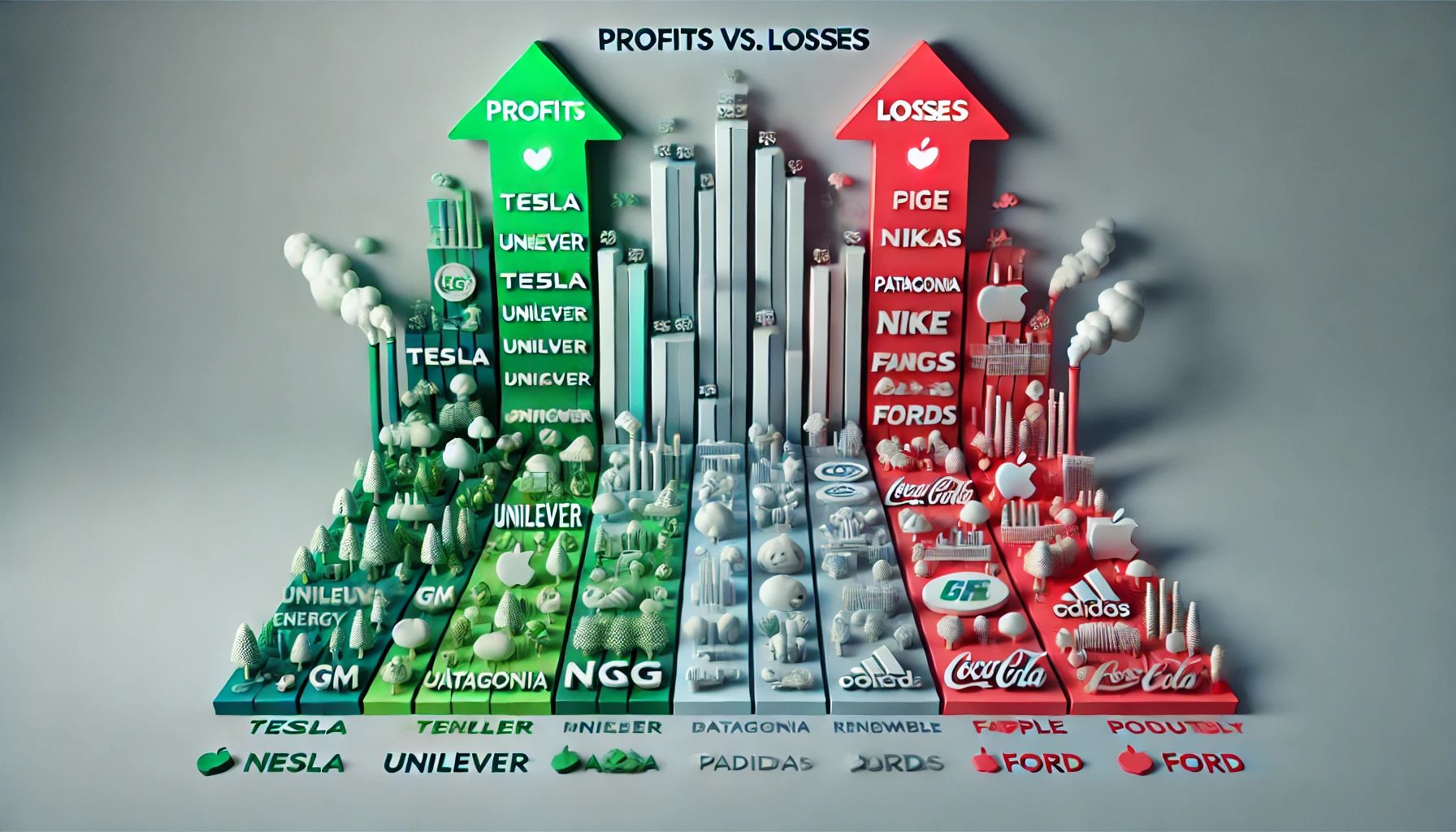
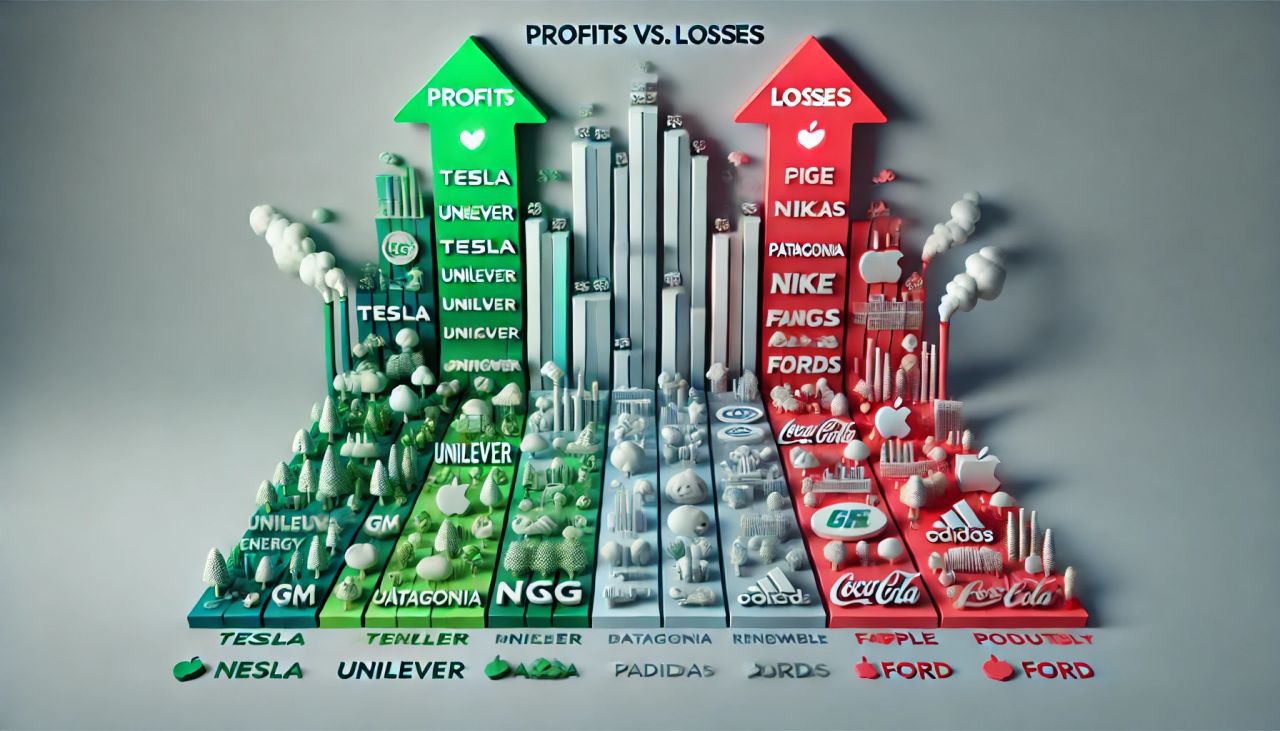
Sustainability Wars: Profits of the Bold, Losses of the Blind
Sustainability isn’t just a buzzword—it’s the defining strategy for profitability in modern business. These 10 examples showcase how companies that embraced sustainability secured financial success, while competitors who hesitated faced staggering losses and shrinking market share.
📊 1. Unilever vs. Procter & Gamble (P&G)
Unilever: Sustainable brands grew 69% faster, saving #€1 billion by 2020.
P&G: Lost #$8 billion in 2023, struggling to appeal to eco-conscious consumers in Europe.
📊 2. Tesla vs. General Motors (GM)
Tesla: EV dominance earned #$12.6 billion net income (2022) and an 800% valuation increase in 5 years.
GM: EVs accounted for just 2% of revenue (2022), causing a 25% market share drop in China.
📊 3. IKEA vs. Wayfair
IKEA: Renewable energy and circular practices saved #€2 billion and grew customer loyalty by 25%.
Wayfair: Suffered #$1.5 billion losses (2022) due to unsustainable operations.
📊 4. Patagonia vs. Columbia Sportswear
Patagonia: Eco-friendly initiatives helped achieve #$1 billion annual revenue and build brand trust.
Columbia: Lost 15% market share between 2020-2023 to Patagonia due to lack of sustainability focus.
📊 5. Walmart vs. Target
Walmart: Energy efficiency saved #$1 billion annually, cutting operational costs significantly.
Target: Reported a #$2 billion profit dip (2022) due to slower sustainability adoption.
📊 6. Nike vs. Adidas
Nike: Flyknit technology saved 60% material costs, generating #$3.5 billion in savings.
Adidas: Faced a #€500 million revenue loss (2023) from delayed sustainable innovations.
📊 7. Apple vs. Samsung
Apple: 100% renewable energy adoption fueled record #$394 billion revenue (2022) and 40% brand equity growth.
Samsung: Lost 15% EU market share, criticized for lagging in renewable energy initiatives.
📊 8. Microsoft vs. Oracle
Microsoft: Sustainability efforts drove 27% Azure growth (2023), securing eco-conscious enterprise clients.
Oracle: Missed #$1.2 billion in contracts, trailing in cloud services for sustainability-focused industries.
📊 9. PepsiCo vs. Coca-Cola
PepsiCo: Water-saving initiatives saved #$80 million annually, stabilizing global supply chains.
Coca-Cola: Lost #$2 billion (2022) due to water mismanagement protests and plant shutdowns in India.
📊 10. Toyota vs. Ford
Toyota: Sold 16 million hybrid vehicles, generating #$70 billion in cumulative profits.
Ford: Lost 10% market share (2020-2023) due to delayed EV and hybrid innovations.
The Bottom Line
Companies that lead with sustainability strategies not only maximize profits but also future-proof their business. Those that delay or ignore the shift face crippling losses in revenue, market share, and reputation.
SustainabilityWins GreenGrowth ProfitWithPurpose CorporateLeadership
Originally published on LinkedIn on 2025-01-24 05:11:11: https://www.linkedin.com/feed/update/urn%3Ali%3AgroupPost%3A82951-7288423065552609280

