🚗TheHondaNissanStandoff: When Collaboration_Hits_Roadblocks
In the world of corporate mergers, numbers often tell one story, but leadership dynamics tell another. The #$60 billion Honda-Nissan merger, which could have created the world’s third_largest automaker, has officially collapsed—not due to financial infeasibility, but strategic misalignment.
📊 Breaking Down the Numbers
📌 9.5 million vehicles – Combined production of Honda and Nissan in 2023, making them a formidable force against global leaders Toyota and Volkswagen.
📌 20% market share loss in China – Nissan and Honda collectively struggled as Chinese EV makers gained dominance, pushing them toward collaboration.
📌 #$17 billion R&D spending – Honda and Nissan together invested heavily in electric and autonomous vehicle tech, but fragmentation in strategy led to inefficiencies.
📌 41% drop in Nissan’s market cap over 5 years – Pressure to restructure and regain investor confidence was a key driver for the discussions.
🚨 Why Did the Merger Fail?
⚠️ Power Play: Honda proposed making Nissan a subsidiary, triggering resistance from Nissan’s leadership, which feared a loss of autonomy.
⚠️ Culture Clash: Despite both being Japanese automakers, they operate under different leadership styles and decision-making frameworks.
⚠️ Strategic Divergence: Nissan leans toward alliances (e.g., Renault-Mitsubishi), while Honda prefers independent innovation and control.
📉 Lessons for Corporate Collaborations
✅ Size ≠ Success – Scale alone isn’t enough; without aligned governance, even a well-funded partnership can fail.
✅ Autonomy vs. Synergy – Balancing integration while respecting independent strengths is the key to sustainable partnerships.
✅ Adaptability Wins – Now, Nissan is eyeing a potential partnership with Foxconn for EVs, proving that agility matters more than size in today’s fast-moving auto industry.
💡 Advice for Business Leaders:
Collaboration is not about dominance, but about alignment. The best partnerships are those where both parties feel valued, respected, and empowered to contribute.
💬 What’s your take? Have you seen partnerships fail due to leadership clashes rather than financial issues? Drop your thoughts below!

Originally published on LinkedIn on 2025-02-13 08:01:13: https://www.linkedin.com/feed/update/urn%3Ali%3AgroupPost%3A82093-7295713613879640064
Climate_Change_Disrupting_Global Supply Chains: A Call for Immediate Action
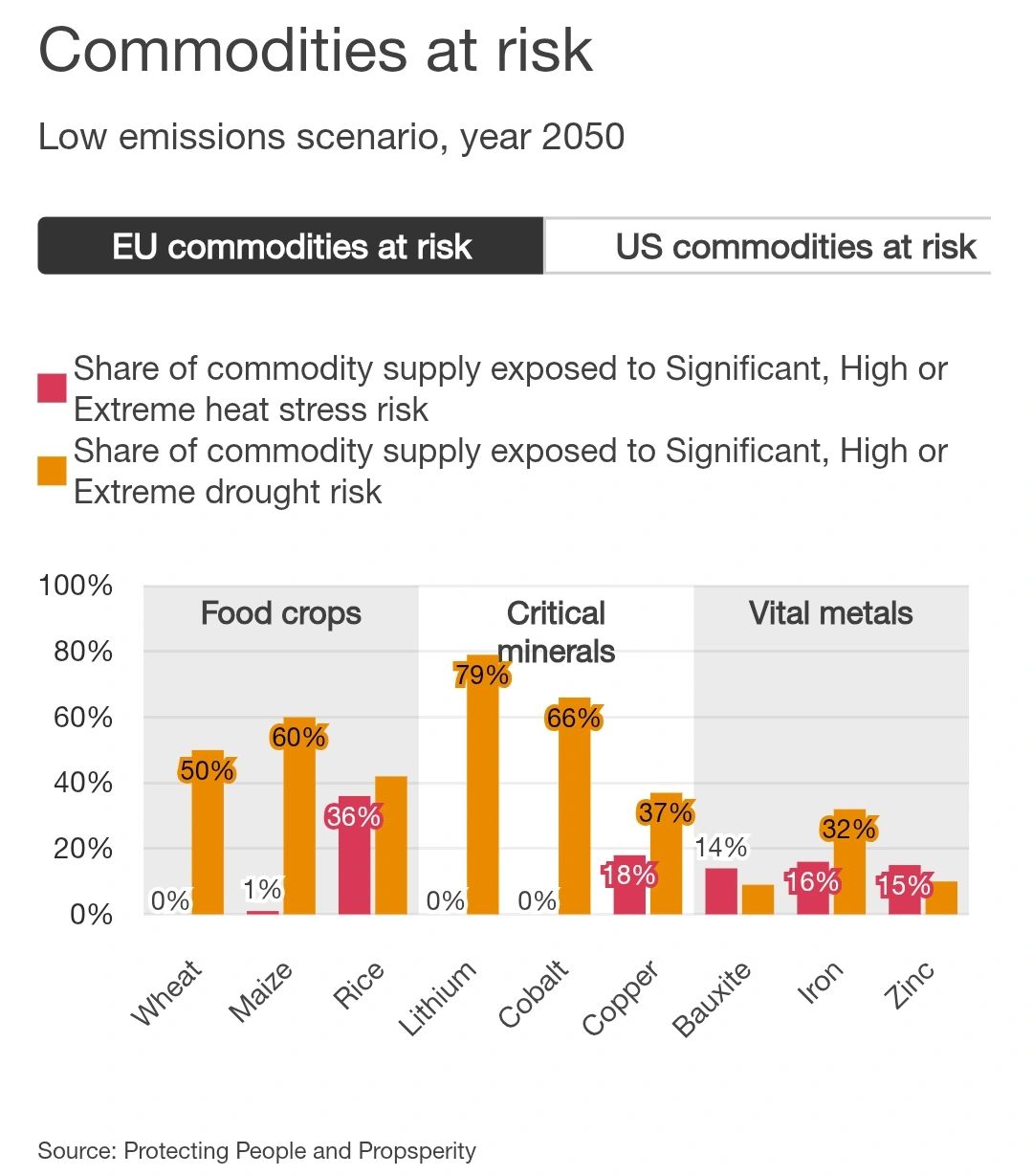
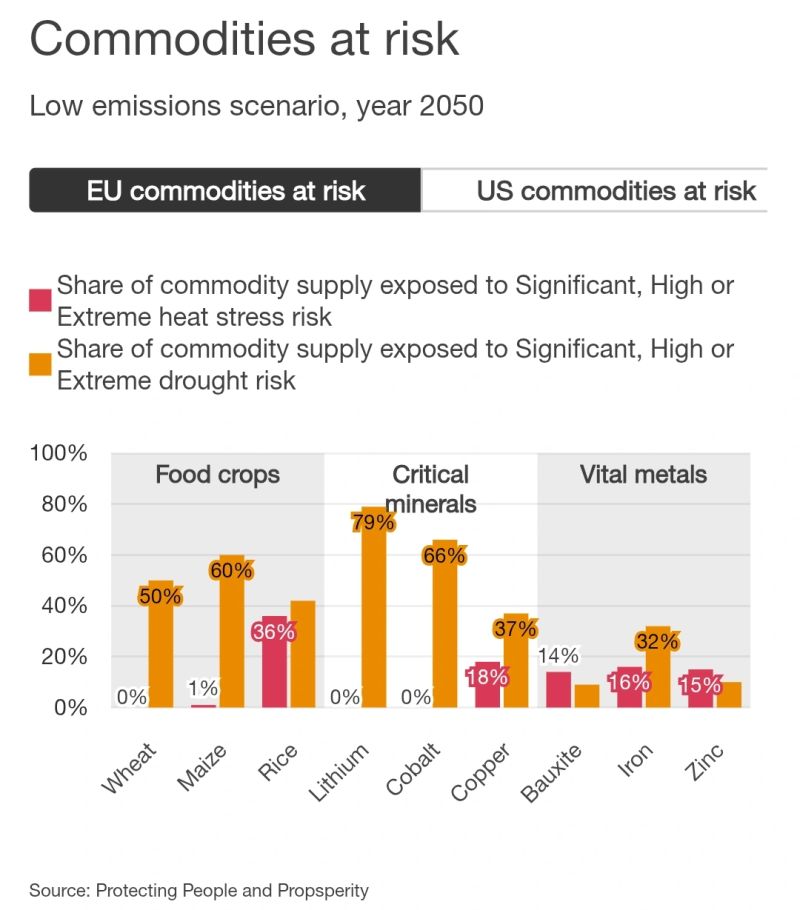
As the world grapples with escalating climate challenges, the ability to secure essential commodities is under threat. PwC’s insights reveal how heat_stress and drought could profoundly impact industries and communities, emphasizing the need for proactive measures.
Critical_Minerals at Risk: Heat stress and drought threaten the supply of cobalt, copper, and lithium—key to electronics, green energy, and transportation sectors.
Food Security Challenges: Maize, rice, and wheat, which provide 42% of human calories, are vulnerable to production instability, jeopardizing global food supplies.
Vital Metals Under Pressure: Iron, zinc, and bauxite (used in aluminum production) face disruption due to mining challenges caused by extreme weather.
Industries in Peril: Transportation, construction, and manufacturing sectors heavily reliant on these commodities risk operational breakdowns.
Impact on Producers and Communities: Farmers and miners are already experiencing hardships from extreme heat and water scarcity, reducing productivity and health safety.
Supply Chain Resilience is Critical: PwC highlights the urgency for businesses to assess climate-related vulnerabilities and mitigate risks to prevent supply chain disruptions.
Call for Proactive Action: The cascading effects of climate change demand swift preventive strategies to safeguard commodities and ensure industrial continuity.
PwC’s report serves as a stark reminder of the growing vulnerabilities within global supply chains. Businesses must act now to incorporate sustainable practices, enhance resilience, and mitigate climate-related risks.
For a detailed analysis, explore PwC’s full report here.https://https://lnkd.in/d_9bwcRn
Originally published on LinkedIn on 2024-12-25 03:55:16: https://www.linkedin.com/feed/update/urn%3Ali%3AgroupPost%3A3880479-7277532326702534656
The Decarbonization Dilemma: How CBAM Gaps Are Stalling Industry’s Green Revolution
As industries strive for sustainability, regulatory uncertainty, particularly around the EU’s Carbon Border Adjustment Mechanism (CBAM), is hindering green investments, decarbonization, and global competitiveness.
1. ArcelorMittal’s €1.7 Billion Investment Delay
ArcelorMittal has paused its €1.7 billion plan to replace Dunkirk’s blast furnaces with hydrogen-powered facilities. CBAM uncertainties, slow green hydrogen development, and limited customer demand for low-carbon steel are the primary reasons.
2. Thyssenkrupp’s €3 Billion Reassessment
Germany’s Thyssenkrupp is reconsidering its €3 billion green steel initiative due to unclear CBAM policies and the challenge of balancing emissions reductions with competitiveness.
3. UK Cement Industry’s Struggles
The UK cement sector, battling cheap, high-carbon imports that make up 40% of the market, lacks CBAM-equivalent protections. This discourages investments in decarbonization and carbon capture technologies.
4. The Global Green Subsidy Race
Conflicting subsidy strategies in the EU, US, and China create uncertainty, stalling global green investments. Misaligned policies heighten reliance on Chinese renewable technologies, threatening decarbonization efforts.
5. Asian Industry’s CBAM Challenges
Compliance Costs: Carbon accounting and verification impose high costs, especially on SMEs.
ExportCompetitiveness: Energy-intensive sectors like India’s steel industry (27% EU export share) face reduced demand due to CBAM fees.
SupplyChains: Adjusting to lower-carbon suppliers increases costs.
TradeTensions: Nations like India criticize CBAM as a trade barrier hindering net-zero transitions.
CarbonPricing Pressure: CBAM pushes Asian countries toward domestic carbon taxes, requiring significant adjustments.
6. Shared Challenges Across Industries
Policy Uncertainty: Industries are delaying investments while awaiting clarity on CBAM’s impact.
Competitive Disparities: EU companies compete against lower-cost imports with fewer regulations.
Market Gaps: Limited green energy infrastructure and low consumer demand slow decarbonization efforts.
The Way Forward
A globally aligned and robust CBAM is vital for restoring corporate confidence and fostering sustainable investments. Governments must collaborate to balance trade fairness with climate goals, ensuring that the green revolution accelerates instead of faltering.
Originally published on LinkedIn on 2024-12-09 17:47:41: https://www.linkedin.com/feed/update/urn%3Ali%3AgroupPost%3A131340-7271943602677633025

