🌍 NamasteIndia Now the Biggest Plastic Polluter? No IntergovernmentalNegotiatingCommittee (INC-5.2)
India has overtaken all nations as the world’s top plastic polluter—a surge tied to mismanaged waste and limited recycling infrastructure, with major impacts on public health .
🇮🇳 IndiaPlasticPolicy 2025 – Key Milestones
Jan 2025
✅ EPR 2.0 launched – Mandatory digital compliance via CPCB portal
Mar 2025
♻️ Recycled content targets kick in (30% rigid, 20% flexibles)
Apr 2025
🚫 SUP ban expanded – Sachets, EPS trays, cling wraps added
Jun 2025
💱 PlasticCreditMarket (pilot) starts – tradable recycler credits
Aug2025
🏗️ Next meeting of the IntergovernmentalNegotiatingCommittee (INC-5.2) for the Global Plastics Treaty will be held at:
📍 Palais des Nations, Geneva, Switzerland
🗓️ August 5–14, 2025
This will be the second part of INC-5, aiming to finalize the draft legally binding agreement on plastic pollution after inconclusive talks in Busan during INC-5.1.
🏢 BrandAccountability: Coca‑Cola, PepsiCo, Nestlé
A study highlighted by Procurement Magazine (June 25) found that Coca‑Cola, PepsiCo, Nestlé and other giants now account for a combined 24% of branded plastic pollution .
Earlier data from Oceana (Mar 2025) warn Coca‑Cola alone could send 602 million kg of plastic into oceans annually by 2030 .
🌡️ Business & Climate Risks
A risk assessment (reported June 23) warns that plastic pollution, paired with rising heat and mold, is becoming a serious liability for insurers and corporations .
⚖️ PolicyShifts & Industry Responsibility
Indian government has updated the policies for plastic and packaging
🌐 Global Mobilization
On World Environment Day (June 5), UNEP called for urgent global action, urging governments, businesses and citizens to BeatPlasticPollution ahead of the upcoming Global Plastics Treaty .
The World Economic Forum emphasized the scale of the crisis—19 million tonnes of plastic leak annually—and showcased eight breakthrough solutions tied to the 2025 theme .
💶 Funding Solutions
A coalition of development banks—including those from France, Germany, Spain, Italy and EBRD—pledged €3 billion by 2030 via the Clean Oceans Initiative to curb marine plastic through waste and packaging innovation .
🔍 Key Takeaways
Geography: India has emerged as the world’s top plastic-polluting nation.
Corporate Impact: Major global brands are responsible for nearly a quarter of branded plastic waste.
Systemic Risks: Plastic pollution is now financially and legally risky for insurers and businesses.
Policy Drive: Nations like Nigeria are adopting new regulations; more funding and treaties are gaining momentum.
Originally published on LinkedIn on 2025-06-25 11:14:28: https://www.linkedin.com/feed/update/urn%3Ali%3Ashare%3A7343597444439420931
📚 KnowledgeSeries: Understanding MACI SustainabilityRatings
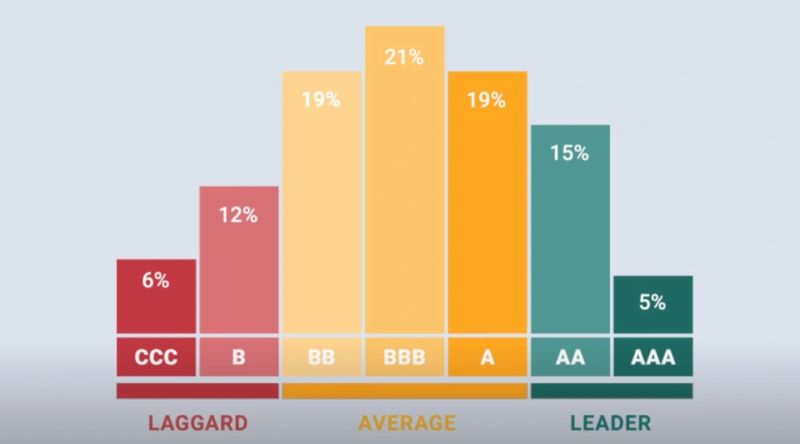
With ESG investing surpassing $40 trillion, sustainability metrics are no longer optional—they directly impact financial markets. But traditional ESG ratings often miss the biggest contributor to emissions: Scope 3 (supply chain & product lifecycle).
Enter MACI (Morningstar Absolute Carbon Impact)—a next-gen sustainability metric designed to measure real carbon impact, beyond corporate disclosures.
🔎 What is MACI?
📌 MACI (Morningstar Absolute Carbon Impact) is a carbon-focused rating that quantifies total emissions, unlike traditional ESG scores that rely on self-reported data.
✅ Scope 1 – Direct emissions from company operations
✅ Scope 2 – Indirect emissions from purchased energy
✅ Scope 3 – Supply chain & product lifecycle emissions (often 80-95% of total emissions)
📊 Only 5% of companies currently disclose full Scope 3 data, despite it making up 75% or more of their total carbon footprint. MACI ensures investors see the full picture.
🌍 Why is MACI a Game-Changer?
🟢 Exposes True Carbon Impact
📌 Over 90% of S&P 500 companies report ESG data, but less than 30% include Scope 3 emissions. MACI forces transparency by measuring actual environmental impact.
💰 Links Carbon Impact to Financial Risk
📌 Firms with high Scope 3 emissions face 10-15% valuation risks due to carbon pricing, regulation, and shifting consumer demand. Investors using MACI can identify & price these risks early.
📊 Goes Beyond Traditional ESG Ratings
📌 MSCI, Sustainalytics, & CDP rely on corporate sustainability claims—but MACI measures actual emissions data. This removes greenwashing from ESG scores.
🚀 Guides Net Zero Investments
📌 81% of global companies have Net Zero goals, but only 19% have credible transition plans. MACI identifies companies actually reducing emissions, ensuring investors back real sustainability leaders.
💡 How Financial Markets Depend on MACI
🏦 Sustainable Finance
📌 #$500 billion in Green Bonds & ESG Funds rely on sustainability scores. MACI ensures these funds actually reduce carbon impact.
📉 Investment Risk Assessment
📌 Climate risk is now considered a financial risk. Regulated markets (EU, US, UK, APAC) require stricter carbon disclosure. MACI helps investors assess exposure before risks impact stock prices.
📜 Regulatory Compliance
📌 The EU Taxonomy, SEC Climate Disclosures, & IFRS ESG Standards will require comprehensive Scope 3 reporting. MACI aligns with these frameworks, ensuring compliance-ready investments.
🔥 The Takeaway
As corporate greenwashing grows, investors need credible carbon metrics that go beyond PR campaigns. MACI is setting the new standard for data-driven sustainability investing.

Originally published on LinkedIn on 2025-02-27 01:47:03: https://www.linkedin.com/feed/update/urn%3Ali%3AgroupPost%3A9088131-7300692883345412096
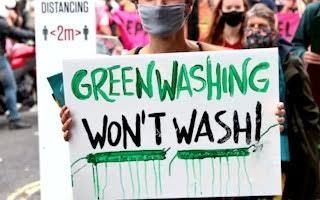
🚨 BigBrands, BIGGERFines: The Recycling Greenwashing Scandal Exposed! ♻💰
We’ve been told recycling is the answer to plastic waste. But what if the system itself is built on fraud and deception? BigBrands are now facing BIGFINES for misleading consumers about recyclability. Here’s how the deception unfolded over the years:
📅 TIMELINE OF GREENWASHING IN RECYCLING
🔹 YR1990s – The Recycling Illusion Begins
📌 Plastic industry documents reveal that producers knew recycling wouldn’t work on a large scale—but they marketed it as the solution to keep plastic production high. (Source)
🔹 YR2000s – Growth of the ‘Recyclable’ Label
📌 Brands like CocaCola, Nestlé, and Unilever start aggressively using recyclable labels, despite knowing that most plastic isn’t actually recycled due to contamination and lack of facilities. (Source)
🔹 YR2018 – China Bans Plastic Waste Imports
📌 China’s NationalSword policy ends global reliance on cheap recycling, exposing the broken system. The US and EU struggle to process their own plastic waste.
🔹 YR2022 – Keurig Faces Greenwashing Lawsuit
📌 KeurigDrPepper pays #$3M in Canada and $1.5M in the US for falsely claiming its K-Cups were recyclable, despite most recycling centers rejecting them. (Source)
🔹 YR2023 – EU Cracks Down on Greenwashing
📌 The EU introduces legislation requiring brands to prove their sustainability claims or face heavy fines.
🔹 YR2024 – ExxonMobil Sued for Recycling Lies
📌 California sues ExxonMobil, accusing them of knowingly misleading the public about plastic recycling.
🔹 YR2025 & Beyond – The Future of Greenwashing Accountability?
📌 Global brands will face stricter regulations and fines in the billions for misleading sustainability claims. Will it be enough to stop greenwashing?
🚨 THE REALITY CHECK: Only 5% of Plastic is Actually Recycled
📌 Despite all the marketing, 95% of plastic waste still ends up in landfills, oceans, or incinerators. We’re not recycling our way out of this crisis. (Source)
💡 The Takeaway: It’s time for big brands to face bigger consequences for deceptive sustainability claims. Recycling is NOT the solution—reducing plastic production is.
📢 What’s Next? Should governments ban false recycling claims? Should companies pay for end-to-end plastic responsibility? Let’s talk below! 👇
Originally published on LinkedIn on 2025-02-26 16:11:56: https://www.linkedin.com/feed/update/urn%3Ali%3AgroupPost%3A82951-7300548149285117954
🚨 CorporateGovernance The Lodha Brothers’ Brand Dispute: A Case of Legacy, Law, and Leadership
🔍 Overview
The high-profile legal battle between Abhishek Lodha (Macrotech Developers Ltd.) and Abhinandan Lodha (House of Abhinandan Lodha) over the “Lodha” brand is more than a family feud—it’s a masterclass in governance, brand strategy, and crisis management.
With over ₹1,700 crore invested in marketing and ₹91,000 crore in revenues attributed to the “Lodha” brand (FY14–FY24), the stakes are sky-high. At the heart of the dispute lies a YR2017 family settlement and differing interpretations of rights to the iconic name.
⚡ Why It Matters
Brand Equity: A four-decade legacy risks dilution.
Reputation: Public disputes among business leaders erode stakeholder confidence.
Financial Impact: Rebranding, legal costs, and operational distractions loom large.
📈 Key Lessons
1️⃣ Brand Governance: Clear ownership rights and robust agreements are non-negotiable.
2️⃣ Conflict Resolution: Mediation, not litigation, protects legacy and relationships.
3️⃣ Crisis Communication: Transparent messaging is essential to maintain trust.
4️⃣ Future-Proof Agreements: Regular reviews of family/business settlements can prevent ambiguity.
🎯 What’s Next?
The Bombay High Court will hear the case on January 21, 2025. The decision could reshape how family businesses approach brand governance and conflict management.
💡 Takeaway
For leaders and boards, this dispute serves as a wake-up call: protecting legacy requires more than just great business acumen—it demands foresight, clarity, and a proactive approach to governance.
What’s your perspective on managing brand rights in family businesses? Share your thoughts below!
https://lnkd.in/diXWty7C
Originally published on LinkedIn on 2025-01-21 13:13:50: https://www.linkedin.com/feed/update/urn%3Ali%3AgroupPost%3A2153908-7287457364532695040
🚨 CorporateGovernance The Lodha Brothers’ Brand Dispute: A Case of Legacy, Law, and Leadership
🔍 Overview
The high-profile legal battle between Abhishek Lodha (Macrotech Developers Ltd.) and Abhinandan Lodha (House of Abhinandan Lodha) over the “Lodha” brand is more than a family feud—it’s a masterclass in governance, brand strategy, and crisis management.
With over ₹1,700 crore invested in marketing and ₹91,000 crore in revenues attributed to the “Lodha” brand (FY14–FY24), the stakes are sky-high. At the heart of the dispute lies a YR2017 family settlement and differing interpretations of rights to the iconic name.
⚡ Why It Matters
Brand Equity: A four-decade legacy risks dilution.
Reputation: Public disputes among business leaders erode stakeholder confidence.
Financial Impact: Rebranding, legal costs, and operational distractions loom large.
📈 Key Lessons
1️⃣ Brand Governance: Clear ownership rights and robust agreements are non-negotiable.
2️⃣ Conflict Resolution: Mediation, not litigation, protects legacy and relationships.
3️⃣ Crisis Communication: Transparent messaging is essential to maintain trust.
4️⃣ Future-Proof Agreements: Regular reviews of family/business settlements can prevent ambiguity.
🎯 What’s Next?
The Bombay High Court will hear the case on January 21, 2025. The decision could reshape how family businesses approach brand governance and conflict management.
💡 Takeaway
For leaders and boards, this dispute serves as a wake-up call: protecting legacy requires more than just great business acumen—it demands foresight, clarity, and a proactive approach to governance.
What’s your perspective on managing brand rights in family businesses? Share your thoughts below! 👇
Originally published on LinkedIn on 2025-01-21 13:13:22: https://www.linkedin.com/feed/update/urn%3Ali%3AgroupPost%3A2205762-7287457247146733569
Storm_Over_Net_Zero: Why Financial Titans Are Breaking Away from Climate Alliances
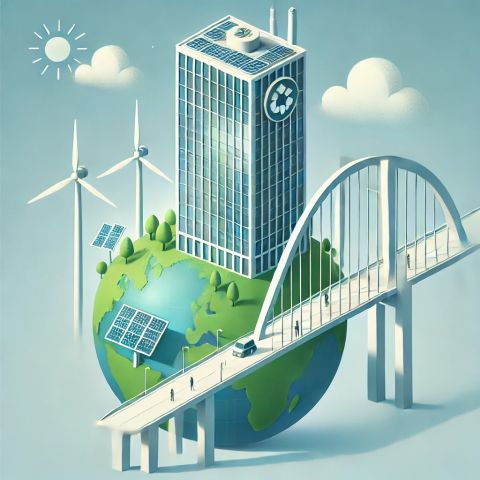
In a pivotal shift, major financial institutions are stepping back from climate alliances like the Net-Zero Banking Alliance (NZBA) and Climate Action 100+, raising questions about the future of collective climate action.
Recent Exits
Goldman Sachs: Left the NZBA in December 2024, citing regulatory complexities but reaffirmed its net-zero goals.
Baillie Gifford: Exited Climate Action 100+ and Net Zero Asset Managers Initiative in November 2024, citing a need to focus on core investments.
JPMorgan Chase Asset Management: Withdrew from Climate Action 100+ in early 2024 to independently pursue climate engagement.
State_Street_Global Advisors: Exited Climate Action 100+ in mid-2024, preferring independent engagement with portfolio companies.
Franklin_Templeton: Also left Climate Action 100+ in 2024 to focus on its strategic priorities.
The Vanguard Precedent
In December 2022, Vanguard ($9.3 trillion AUM) exited the Net Zero Asset Managers Initiative, citing the need for flexibility to represent investor interests.
Sustainability Still a Priority
Despite these exits, investments in clean energy continue to rise, with UK financial institutions tripling clean energy contributions to $2.3 billion in 2023.
Why Are They Leaving?
1. Regulatory Burdens: Growing compliance complexities.
2. Fiduciary Duty: Balancing returns with climate goals.
3. Political Pressures: Climate alliances are increasingly polarizing.
4. Strategic Flexibility: Preference for customized sustainability strategies.
What’s Next?
These exits emphasize the need for adaptive frameworks that balance sustainability with business imperatives. Financial majors aren’t abandoning climate goals—they’re redefining how to achieve them on their own terms.
How can climate alliances evolve to stay relevant? Sustainability Finance NetZero Leadership

Originally published on LinkedIn on 2024-12-15 22:01:20: https://www.linkedin.com/feed/update/urn%3Ali%3AgroupPost%3A2474261-7274181763134836736

