KtalystKnowledgeSeries
USA SustainabilitySnapshot: Goals, Data & Drive
Targets are timelines. Transformation is the true triumph.” — KtalystKeystone
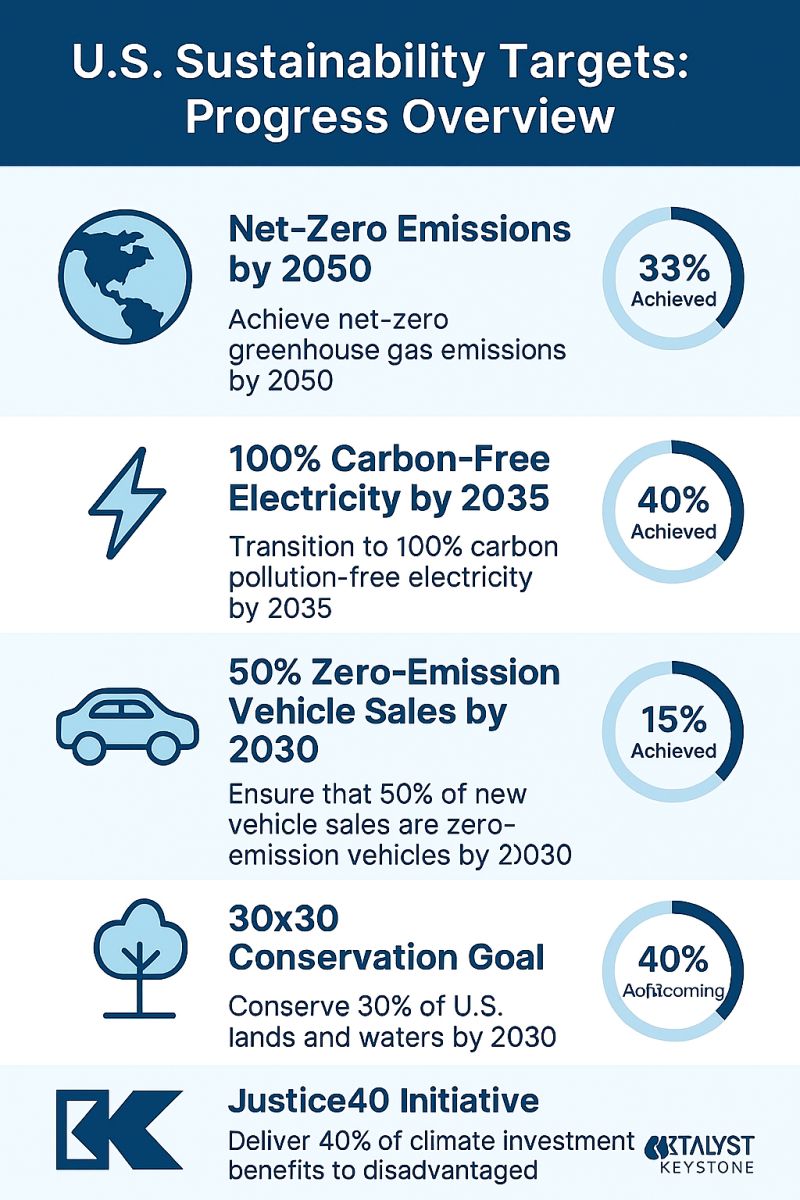
🌎 Net-Zero Ambition
Goal: Achieve net-zero emissions by 2050
Current Status: U.S. emissions were 17% below 2005 levels by 2023
Key Driver: Clean power shift, IRA incentives
Targets are timelines. Transformation is the true triumph.
⚡ Clean Power by 2035
Goal: 100% carbon-free electricity
Progress:
2023: ~41% from clean sources (solar, wind, nuclear, hydro)
Solar capacity: Quadrupled since 2015
Investment Push: $369B via Inflation Reduction Act
🚗 EV Nation
Goal: 50% new vehicle sales electric by 2030
2023 Stats:
EVs = 7.6% of total new U.S. car sales
500,000 EV chargers planned by 2030
♻️ Circular America
Goal: Cut food waste by 50% by 2030
Current:
30–40% of food still wasted
National Strategy launched in 2023 for plastics reduction & reuse
🌿 Nature Positive (30×30 Goal)
Goal: Conserve 30% of land & water by 2030
Status:
~12% of U.S. land currently protected
New partnerships with Indigenous and rural communities
⚖️ Justice40 Initiative
Goal: 40% of climate investments to disadvantaged communities
Covered Sectors:
Clean transit
Pollution clean-up
Water access
Workforce training
Tracking Tool: CEJST (Climate & Economic Justice Screening Tool)
📊 Climate Data Commitment
Goal: Enhance climate risk transparency
Push:
SEC climate disclosure rules (proposed)
Federal agencies adopting climate risk dashboards

Originally published on LinkedIn on 2025-04-09 06:22:18: https://www.linkedin.com/feed/update/urn%3Ali%3AgroupPost%3A82951-7315620051338825728
IndiaAtCOP26: Are We Walking the Talk — or Just Talking the Talk?
You cannot greenwash a deadline. Climate targets don’t wait, and neither should leadership.
Anju Sharma
In 2021, India made a powerful promise to the planet.
By 2025, the applause has faded. It’s time for accountability — not just ambition.
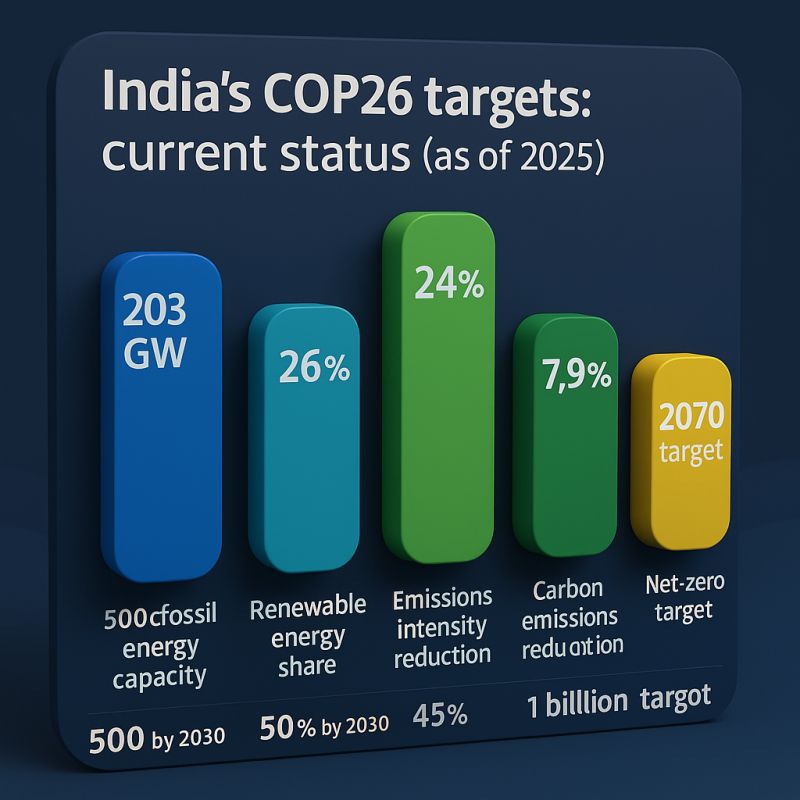
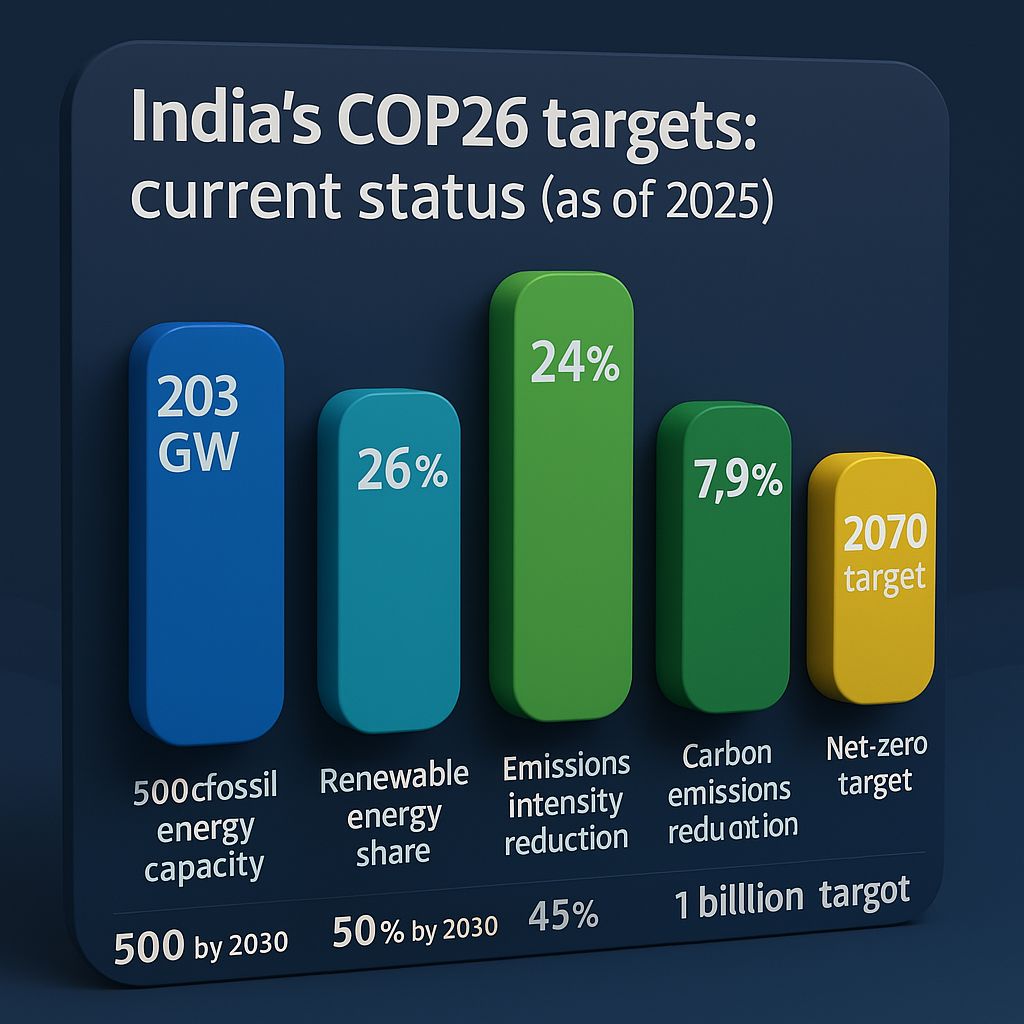
The 5Targets. The 5Year Reality Check:
🔋 500 GW Non-Fossil Energy by 2030
✅ 203.18 GW achieved (as of Oct 2024)
⚠️ Slowing pace. Grid and land hurdles choking large projects.
⚡ 50% Power from Renewables
✅ 26% YoY growth in clean energy (Jan 2025)
⚠️ Rooftop solar under 15% of target. State policies? All over the place.
📉 45% Emission Intensity Cut by 2030
✅ 33% achieved
⚠️ Driven by GDP growth — not aggressive emissions management.
🌫️ 1 Billion Tonnes CO₂ Reduction by 2030
✅ 7.9% drop in 2020
⚠️ But coal production surged 9% in 2024. Net gains? Neutralized.
🕰️ Net-Zero by 2070
✅ Roadmap submitted.
⚠️ No sectoral mandates. No accountability. No serious momentum.
Where’s the Leadership?
🚫 Ministries in silos
🚫 Power sector still fossil-heavy
🚫 EV infra crawling
🚫 Agriculture untouched
Are we really driving the transition — or just riding a global narrative?
And the Money?
💰 India has raised billions — Green Bonds, FDI, PLI schemes…
But…
❌ Utilization = uneven
❌ Outcome tracking = missing
❌ Impact per rupee = unclear
The climate rupee has wings — but no flight path.
The Fix — And Fast
✅ Appoint sector-wise climate champions with KPIs
✅ Launch public climate spend dashboards (Geo-tagged)
✅ Train bureaucrats in ESG, climate finance & tech
✅ Incentivize state-wise performance on climate goals
At_This_Pace, Where_Will_We_Land?
⏳ 3/5 targets may be missed
⏳ Investor confidence may fade
⏳ India’s brand as a climate leader may turn into a paper tiger
India doesn’t lack ambition.
It lacks the fire to deliver.
Time to shift gears.
From policy promises to powerful performance.
Originally published on LinkedIn on 2025-03-30 11:31:32: https://www.linkedin.com/feed/update/urn%3Ali%3AgroupPost%3A4385073-7312073993270784000
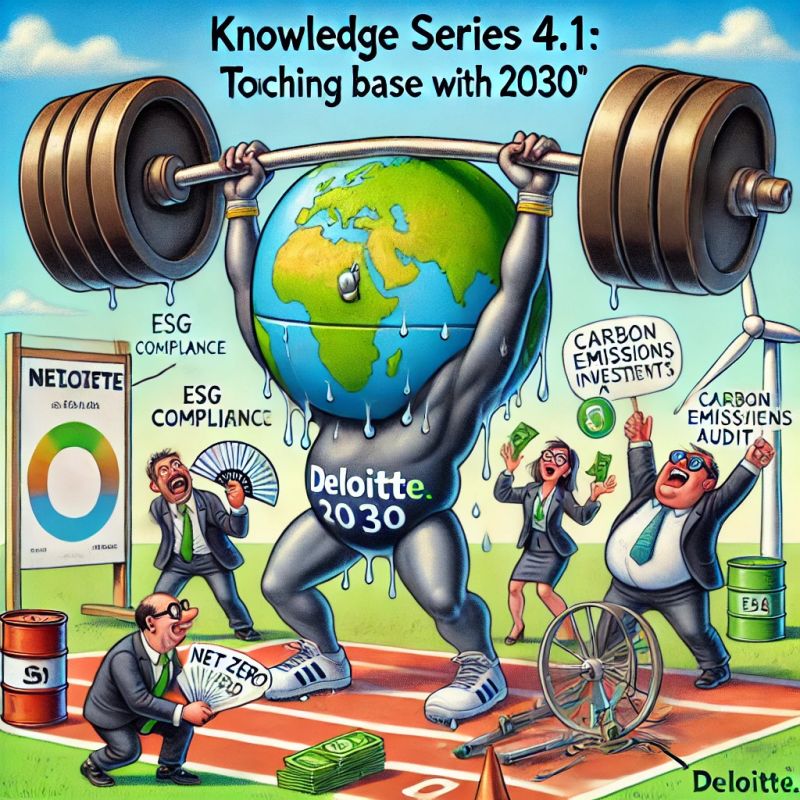
KnowledgeSeries 4.1: Deloitte – Touching Base with Sustainability 🌍♻️
🚀 Deloitte’s Green Footprint
One of the Big Four, Deloitte is at the forefront of ESG and sustainability with bold goals, smart strategies, and data-driven outcomes.
🌱 Vision for a Sustainable Future
> “Sustainability is no longer an option—it’s an imperative.” – Deloitte Insights
Operating in 150+ countries, Deloitte offers consulting, strategy, and finance services to help businesses navigate climate risks and ESG challenges.
Core_Focus_Areas:
✅ Net Zero & Decarbonization
✅ ESG Strategy & Governance
✅ Sustainable Finance
✅ Reporting & Impact Metrics
📊 Key Numbers That Matter
Net_Zero by YR2030
82% drop in travel emissions since 2019
47% cut in energy use across offices
100% renewable energy goal by 2025
$1B for Sustainability Services
Advising 1000+ global firms
Co_developed WEF ESG Metrics
People & Purpose
50% carbon footprint reduction by 2030
40+ CSR hours/employee annually
50% women in leadership target
📑 Insights from Deloitte Reports
2024 Sustainability_Action_Report
98% of companies progressing on ESG goals
56% formed ESG taskforces
2022 CxO Report
89% execs see climate as an emergency
67% increased ESG investments
FTSE 100 ESG Recalibration
46% companies revised their ESG scores
SDG Impact
Aligned with 12 of 17 SDGs, focusing on climate, consumption & governance
🔧 Deloitte’s 4-Step ESG Playbook
1️⃣ Measure carbon & ESG impact
2️⃣ Optimize operations for sustainability
3️⃣ Decarbonize with tech & renewables
4️⃣ Report to global standards (GRI, TCFD, WEF)
The Sustainability Reporting Catalyst helps companies comply across 60+ countries
🔭 What’s Next?
Green Finance innovation
AI for ESG data
Circular economy solutions
Renewable energy scaling
🌱 Deloitte isn’t just consulting on sustainability—it’s living it.
Next in KnowledgeSeries 4.1: Deloitte’s Green Power Play! ♻️
Which Big Four firm is leading the ESG charge? Let us know!
Originally published on LinkedIn on 2025-03-21 08:55:37: https://www.linkedin.com/feed/update/urn%3Ali%3AgroupPost%3A7041748-7308773265890566146
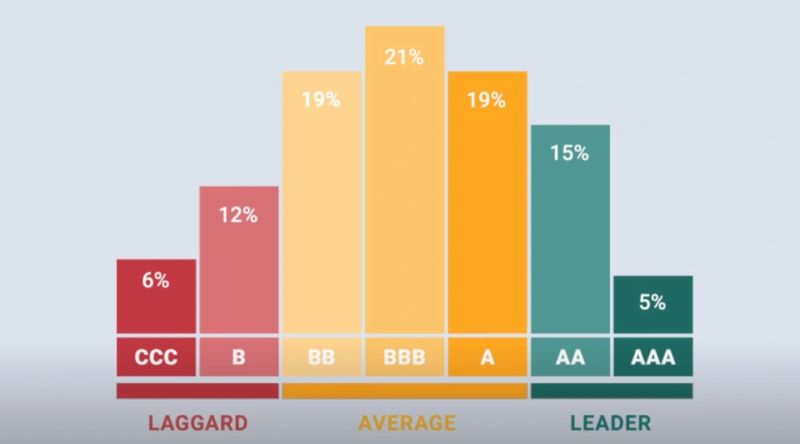
📚 KnowledgeSeries: Understanding MACI SustainabilityRatings
With ESG investing surpassing $40 trillion, sustainability metrics are no longer optional—they directly impact financial markets. But traditional ESG ratings often miss the biggest contributor to emissions: Scope 3 (supply chain & product lifecycle).
Enter MACI (Morningstar Absolute Carbon Impact)—a next-gen sustainability metric designed to measure real carbon impact, beyond corporate disclosures.
🔎 What is MACI?
📌 MACI (Morningstar Absolute Carbon Impact) is a carbon-focused rating that quantifies total emissions, unlike traditional ESG scores that rely on self-reported data.
✅ Scope 1 – Direct emissions from company operations
✅ Scope 2 – Indirect emissions from purchased energy
✅ Scope 3 – Supply chain & product lifecycle emissions (often 80-95% of total emissions)
📊 Only 5% of companies currently disclose full Scope 3 data, despite it making up 75% or more of their total carbon footprint. MACI ensures investors see the full picture.
🌍 Why is MACI a Game-Changer?
🟢 Exposes True Carbon Impact
📌 Over 90% of S&P 500 companies report ESG data, but less than 30% include Scope 3 emissions. MACI forces transparency by measuring actual environmental impact.
💰 Links Carbon Impact to Financial Risk
📌 Firms with high Scope 3 emissions face 10-15% valuation risks due to carbon pricing, regulation, and shifting consumer demand. Investors using MACI can identify & price these risks early.
📊 Goes Beyond Traditional ESG Ratings
📌 MSCI, Sustainalytics, & CDP rely on corporate sustainability claims—but MACI measures actual emissions data. This removes greenwashing from ESG scores.
🚀 Guides Net Zero Investments
📌 81% of global companies have Net Zero goals, but only 19% have credible transition plans. MACI identifies companies actually reducing emissions, ensuring investors back real sustainability leaders.
💡 How Financial Markets Depend on MACI
🏦 Sustainable Finance
📌 #$500 billion in Green Bonds & ESG Funds rely on sustainability scores. MACI ensures these funds actually reduce carbon impact.
📉 Investment Risk Assessment
📌 Climate risk is now considered a financial risk. Regulated markets (EU, US, UK, APAC) require stricter carbon disclosure. MACI helps investors assess exposure before risks impact stock prices.
📜 Regulatory Compliance
📌 The EU Taxonomy, SEC Climate Disclosures, & IFRS ESG Standards will require comprehensive Scope 3 reporting. MACI aligns with these frameworks, ensuring compliance-ready investments.
🔥 The Takeaway
As corporate greenwashing grows, investors need credible carbon metrics that go beyond PR campaigns. MACI is setting the new standard for data-driven sustainability investing.

Originally published on LinkedIn on 2025-02-27 01:47:03: https://www.linkedin.com/feed/update/urn%3Ali%3AgroupPost%3A9088131-7300692883345412096
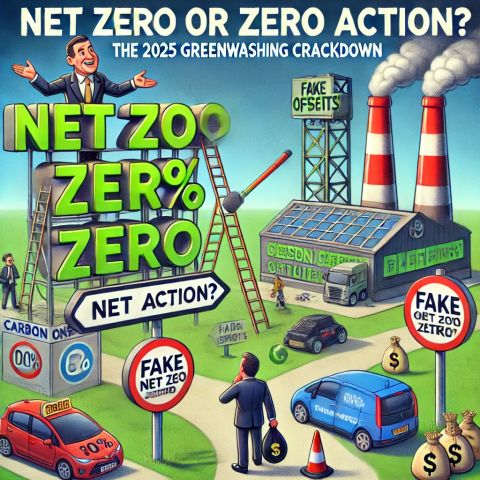
🚨 “NetZero or ZeroAction? The YR2025 GreenwashingCrackdownBegins” 🌍💰
With corporate greenwashing under the microscope, 2025 could be the year net-zero pledges get real—or exposed.
📊 Only 30% of companies with net-zero targets have interim milestones. (UNEP, 2024)
📊 $2B in voluntary carbon offsets are now flagged as ‘ineffective.’ (Carbon Market Watch, 2024)
📌 Reality Check: If a company has no interim milestones, is net zero just a PR move?
🔍 Who’s Transparent & Who’s Stalling?
✅ Companies with Clear Interim Targets
✔️ Procter & Gamble (P&G): Targets 2030 reductions en route to net zero by 2040. (P&G, 2024)
✔️ Volkswagen Group: Aims for 30% carbon reduction in vehicles by 2030 before hitting net zero in 2050. (Volkswagen, 2024)
✔️ Colgate-Palmolive: Science-based targets as part of its 2025 Sustainability Strategy. (Colgate, 2024)
✔️ Stellantis, Mercedes-Benz, Volvo: Net-zero by 2040, a decade ahead of industry peers. (JustAuto, 2024)
✔️ Morgan Stanley: Industry-specific 2030 milestones for a 2050 net-zero goal. (MorganStanley, 2024)
❌ Companies with Vague or No Interim Goals
🔻 Rio Tinto: Net-zero by 2050 but no Scope 3 milestones—95% of their emissions left unchecked. (TheTimes, 2024)
🔻 ExxonMobil: No interim goals, relying on offset purchases instead of real emission cuts. (IEA, 2024)
🔻 General Motors (GM): Claims 100% electric future but lacks clear reduction goals before 2040. (Bloomberg, 2024)
🔻 Nestlé: Net-zero by 2050, yet plastic packaging waste remains a growing issue. (Consumer Reports, 2024)
📌 Reality Check: A 2050 net-zero target without 2030 action is just corporate procrastination.
🚨 Greenwashing Trends to Watch in 2025
🔹 Net Zero Without a Roadmap – 70% of corporate pledges lack accountability checkpoints. (UNEP, 2024)
🔹 Carbon Offsets Scrutiny – Up to 80% of offset credits are now under question. (Carbon Market Watch, 2024)
🔹 Hydrogen Hype vs. Reality – 95% of global hydrogen is still fossil-fuel-based. (IEA, 2024)
🔹 #‘Recycled’ Claims Under Fire – Brands using 1% recycled content but advertising 100% green. (Consumer Reports, 2024)
🔹 EV Greenwashing – Companies exaggerating EV sustainability while relying on coal-powered grids. (IEA, 2024)
📌 Reality Check: 2025 will test which companies walk the talk—and which just greenwash.
🏆 KeyTakeaway
💰 NetZero could be a real climate solution, should be backed by real milestones, but would be a legal disaster for companies that fake it.
👉 Which companies do you trust to deliver real climate action—and which are just playing the PR game? Let’s discuss. 💬

Originally published on LinkedIn on 2025-02-11 03:39:18: https://www.linkedin.com/feed/update/urn%3Ali%3AgroupPost%3A82951-7294922924702978049
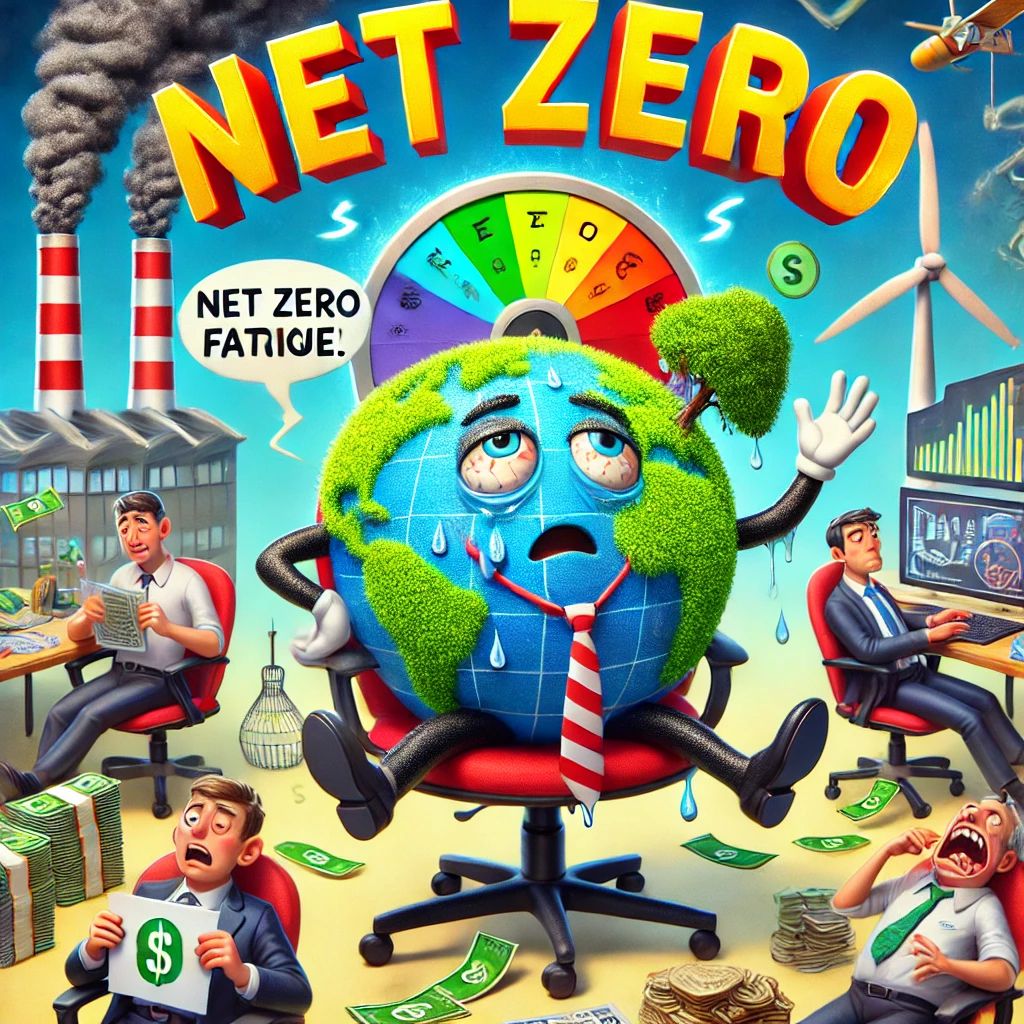
NetZeroFatigue: When GoingGreen Feels Like RunningOnEmpty 🌍
#🟢 Ambiguity Fatigue: “Lost in a maze of green fog!
72% of companies lack clear definitions for Net Zero goals. (Source: CDP, 2023)
Only 39% have science-based targets for Net Zero. (Source: SBTi, 2023)
Impact: Stakeholders are left confused, eroding trust and delaying action.
#🟠 Greenwashing Fatigue: “All talk, no trees!
63% of consumers distrust corporate Net Zero claims. (Source: Edelman Trust Barometer, 2024)
Greenwashing accusations grew 55% in 2023, with $40M+ in fines. (Source: UNEP, 2023)
Impact: Public skepticism grows, putting genuine efforts under scrutiny.
#🔵 Financial Fatigue: “Going green costs more green!
Achieving Net Zero needs #$4 trillion/year in clean energy investment by 2030. (Source: IEA, 2022)
Developing nations face a #$1.3 trillion/year funding gap. (Source: WorldBank, 2023)
Impact: Resource inequity slows global progress.
#🟡 Offset Dependence Fatigue: “Band-aids don’t fix bullet holes!
92% of carbon offset projects fail to deliver promised benefits. (Source: Guardian, 2023)
The global offset market hit #$2 billion in 2023, despite ineffectiveness. (Source: ICAP, 2023)
Impact: Over-reliance on offsets delays meaningful emission cuts.
#🟣 Technological Fatigue: “Waiting for tech miracles that don’t compute!
Carbon capture removes only 0.1% of global emissions today. (Source: IPCC, 2023)
By 2030, tech solutions may account for just 10-20% of required reductions. (Source: IEA, 2023)
Impact: Over-reliance on unproven tech wastes precious time.
#🔴 Public Engagement Fatigue: “Climate posters don’t pay the bills!
51% of citizens feel disconnected from national climate strategies. (Source: Pew Research, 2023)
Only 29% trust their government’s Net Zero plans. (Source: WEF, 2024)
Impact: Reduced public pressure stalls policy implementation.
#🟤 Equity Fatigue: “When the rich pollute, the poor pay!
The richest 10% emit over 50% of global emissions, while the poorest 50% contribute just 12%. (Source: Oxfam, 2022)
Developed nations pledged $100B/year in climate finance but delivered only #$83B in 2022. (Source: UNFCCC, 2023)
Impact: Inequity breeds global mistrust, slowing cooperation.
KeyTakeaway 🌍
NetZeroFatigue is real, driven by ambiguity, inequity, and overpromises. To truly go green, we need clearGoals, verifiedAction, and a whole lot of trust.
👉 Let’s make Sustainability about less spin and more action!
NetZero ClimateLeadership SustainabilityHumor ESG

Originally published on LinkedIn on 2025-01-24 14:13:50: https://www.linkedin.com/feed/update/urn%3Ali%3Ashare%3A7288559629452677121
NamasteREinvest2024 in India
The RenewableEnergy milestones and capacity additions 2023 and Forecast 2024
1. Current Renewable Energy Capacity (March 31, 2024):
India’s total renewable energy (RE) capacity stands at 144 GW, including large hydro capacity (about191 MW).
Within this capacity:
Solar power accounts for 82 GW, including:
64 GW of
ground-mounted
12 GW of rooftop
3 GW of hybrid
3 GW of off-grid
2. COP26 Targets (Announced by India):
India aims to achieve the following by2030:
500 GW of non-fossil.
50 percent of it
energy requirements
from renewable energy.
Reduction of One billion ₹tonnes of projected carbon emissions.
Reduction45% reduction in the carbon intensity of the economy (comparedTo2005 levels).
Net zero emissions By2070.
3. Till May2024 Renewable Energy Generation: 61.84 billion units (BU), constituting thatis19.19% of the total generation mix.
India’s commitment to renewable energy and climate action is commendable. Achieving these targets will contribute significantly to a cleaner and more sustainable future!
Originally published on LinkedIn on 2024-08-28 15:13:34: https://www.linkedin.com/feed/update/urn%3Ali%3Ashare%3A7234578867011653633
SBTi Appears to Backtrack on Use of Carbon Credits in Corporate Net Zero Targets
1. NearTerm targets: Companies must prioritize rapid, deep cuts in direct and indirect value-chain emissions. Setting near-term science-based targets to halve emissions by 2030 is crucial for limiting global temperature rise to 1.5°C.
2. LongTerm targets**: Companies should establish long-term science-based targets consistent with net-zero emissions. These targets align with limiting global warming to 1.5°C.
3. BVCM (Business Value Chain Management): Companies need to reduce emissions across their supply chains by at least 4.2% annually to meet the 1.5°C target.
4. Neutralization of residual emissions: The standard addresses how companies can offset any remaining emissions after implementing reduction measures.
Regarding carbon credits, the SBTi has been cautious about their use. However, a recent reevaluation may allow certificates for Scope 3 emissions abatement and accelerate value chain decarbonization.
Originally published on LinkedIn on 2024-08-01 05:18:34: https://www.linkedin.com/feed/update/urn%3Ali%3AgroupPost%3A2635374-7224644658784555010
SBTi Appears to Backtrack on Use of Carbon Credits in Corporate Net Zero Targets
1. NearTerm targets: Companies must prioritize rapid, deep cuts in direct and indirect value-chain emissions. Setting near-term science-based targets to halve emissions by 2030 is crucial for limiting global temperature rise to 1.5°C.
2. LongTerm targets**: Companies should establish long-term science-based targets consistent with net-zero emissions. These targets align with limiting global warming to 1.5°C.
3. BVCM (Business Value Chain Management): Companies need to reduce emissions across their supply chains by at least 4.2% annually to meet the 1.5°C target.
4. Neutralization of residual emissions: The standard addresses how companies can offset any remaining emissions after implementing reduction measures.
Regarding carbon credits, the SBTi has been cautious about their use. However, a recent reevaluation may allow certificates for Scope 3 emissions abatement and accelerate value chain decarbonization.
https://lnkd.in/d_ab5aS6
Originally published on LinkedIn on 2024-08-01 05:18:27: https://www.linkedin.com/feed/update/urn%3Ali%3Ashare%3A7224644629558661120

