Protectionism is temporary. Strategy is forever.” – KtalystKeystone
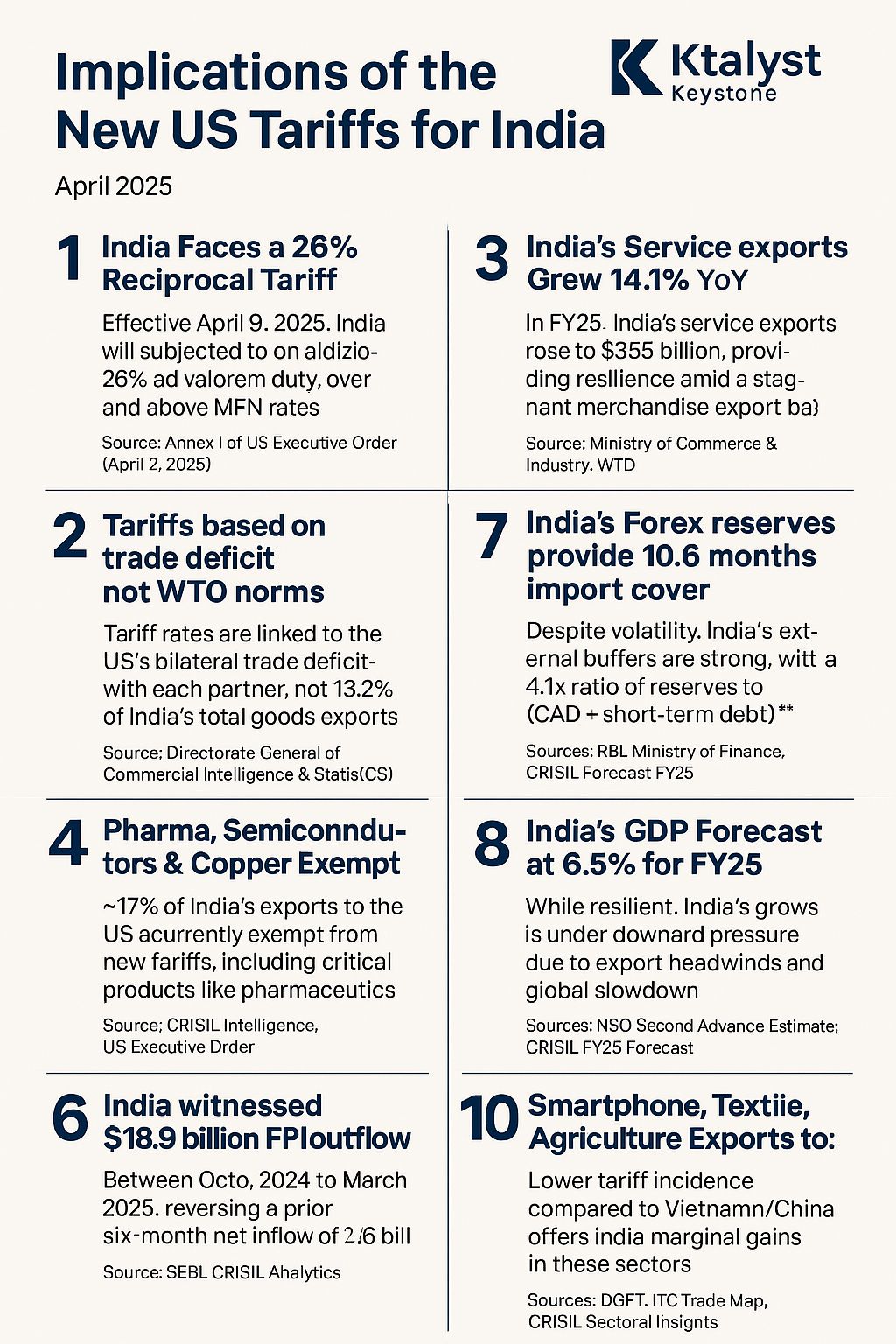
Insights from the April 2025 CRISIL Report on US Tariffs & India:
The 26% tariff isn’t just a tax — it’s a test. A test of India Inc.’s resilience, agility, and strategic depth.
India’s export engines may sputter, but its services superpower and domestic strength are the new fuel.
StrategicViewpoint | What IndianBusinesses Must Do Now
🔍 RethinkExportDependency
High-risk sectors like GemsAndJewellery (with 37% exports to US) must unlock new geographies — EU, GCC, ASEAN.
📦 LeverageServicesBoom
With service exports clocking 14.1%YoY growth, the pivot to digital, consulting, and R&D is more than necessary — it’s non-negotiable.
⚙️ LocalizeValueChains
Auto and Electronics firms must evaluate USMCA partnerships and nearshoring to maintain tariff competitiveness.
📈 HedgeWisely
$18.9B of FPI outflows signal clear volatility. CFOs, it’s time to sharpen your forex strategy and revisit pricing models.
🛡️ UseIndiaPolicyCushion
The PLI schemes, ongoing capex push, and FTA progress (esp. with UK & EU) can soften the blow.
🌱 StayResilientStayStrategic
India’s #$355B service exports, 10.6 months import cover, and low CAD are not just stats — they’re shock absorbers.
KtalystKeystone | CatalysingStrategy in Disruptive Times
TradePolicy GlobalMarkets IndiaUS TariffWatch Exports Geopolitics MakeInIndia KtalystPerspective LinkedInPulse

Originally published on LinkedIn on 2025-04-08 17:38:16: https://www.linkedin.com/feed/update/urn%3Ali%3AgroupPost%3A2153908-7315427778760183808
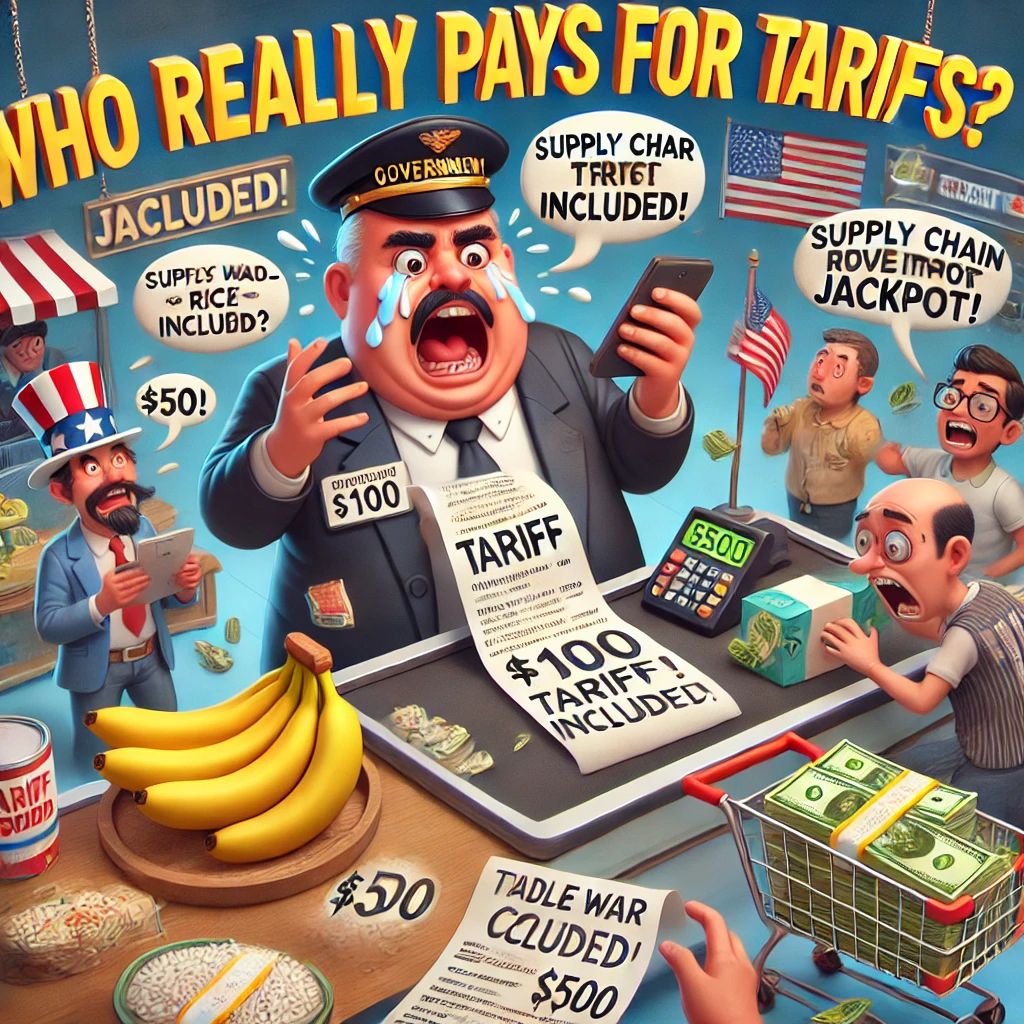
💰🌎 Tariff Wars: Who Really Pays the Price?
As governments escalate trade wars, businesses adjust supply chains, and consumers brace for price hikes, are tariffs truly protecting economies, or just shifting the cost?
🚨 Who Pays for Tariffs?
📉 Consumers Bear the Burden – 60% of tariff costs are passed on to consumers through higher prices. (IMF, 2024)
📉 Businesses Face Higher Costs – US companies paid $105B in tariffs since 2018, impacting supply chains. (USTR, 2024)
📉 Job Loss Risks – Tariffs on auto parts could cost 700K US jobs as production shifts. (Peterson Institute, 2024)
📉 Inflation Pressure – Every 10% tariff hike increases inflation by 0.5% globally. (World Bank, 2024)
📌 Reality Check: Tariffs aren’t just taxes on imports—they’re taxes on people.
🏆 Who Benefits?
✅ Governments Cash In – Tariffs generated $80B for the US Treasury in 2023. (USTR, 2024)
✅ Local Manufacturers Get Protection – Steel & aluminum industries saw a 20% production boost. (Reuters, 2024)
✅ Nearshoring Countries Profit – Mexico & Vietnam gained $65B in trade diversions from China. (IMF, 2024)
📌 Reality Check: While some industries win, the average consumer still loses.
🔮 What’s Next?
💡 Regional Trade Over Globalization – Supply chains are shifting closer to home to avoid tariff risks.
💡 Digital & AI Trade Solutions – Automated trade processing could reduce costs by 15%. (McKinsey, 2024)
💡 Green Tariffs Rising – Carbon-based tariffs will add new costs to imports, reshaping global trade. (EU CBAM, 2024)
📌 Reality Check: The cost of tariffs may outweigh the benefits if trade wars escalate.
🏆 KeyTakeaway
Tariffs could be a tool for protecting industries, should be used strategically, but would be an economic strain if prices keep rising.
👉 Who really pays for the trade war—governments, businesses, or you?
TradeWar Tariffs GlobalEconomy SupplyChainCrisis Inflation
Originally published on LinkedIn on 2025-02-05 16:37:39: https://www.linkedin.com/feed/update/urn%3Ali%3AgroupPost%3A2474261-7292944474018611204
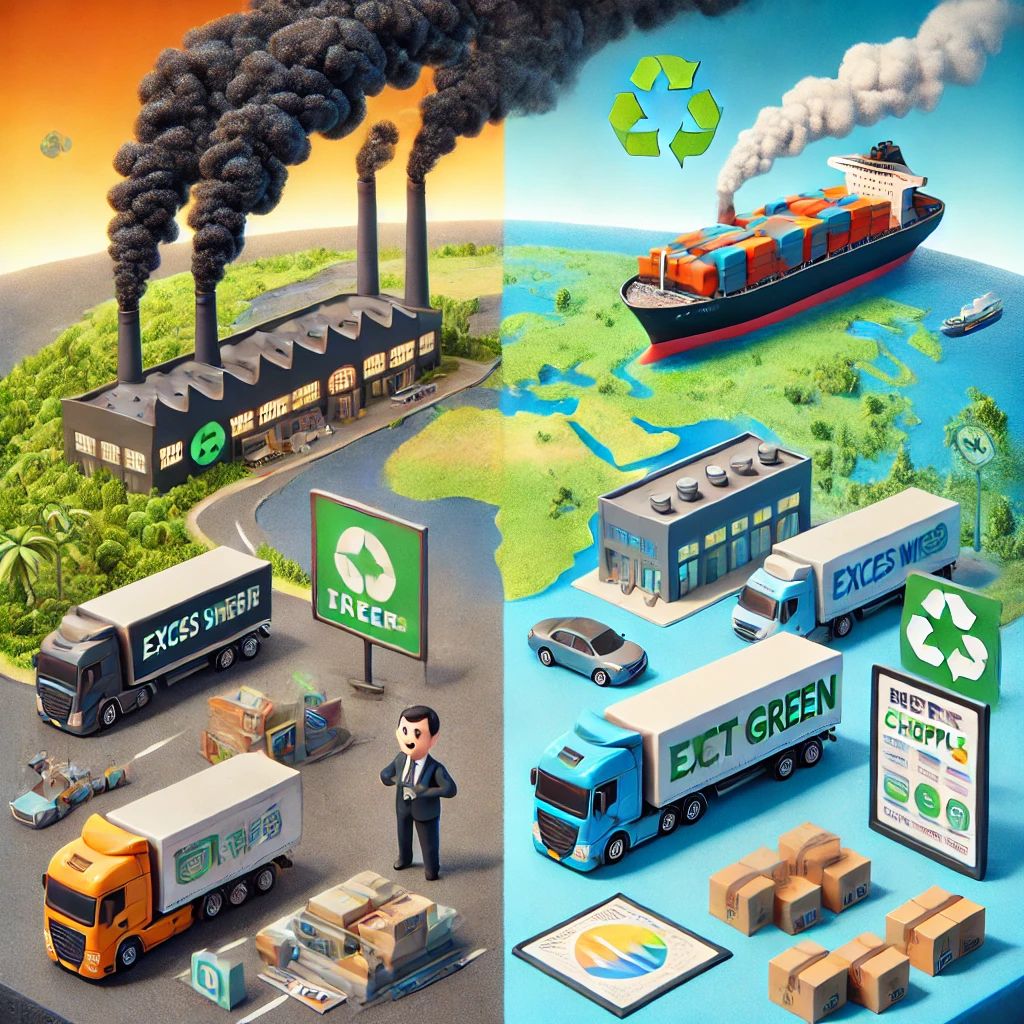
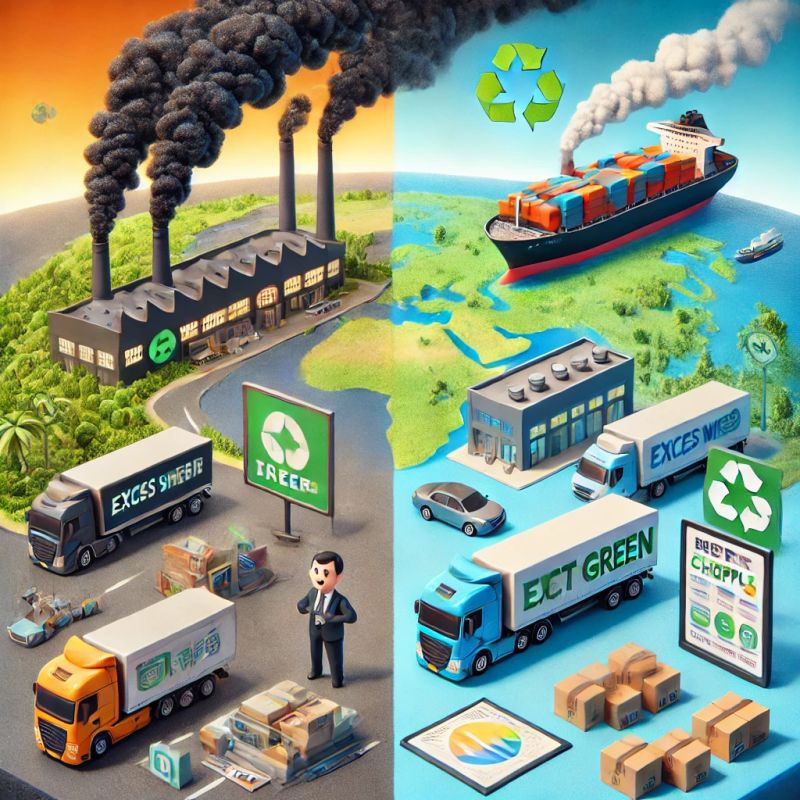
🚛 “How_Green_Are_Global_Supply_Chains? Numbers_Don’t Lie!” 🌍♻️
Supply chains are critical for global trade but also massive polluters. With 11% of worldwide CO₂ emissions coming from logistics, are supply chains truly sustainable, or just corporate greenwashing?
📊 The Global State of Green Supply Chains
🚨 Only 52% of companies in major industries (food, textile, wood products) use sustainable sourcing. (PNAS, 2024)
🚨 60.5% of companies apply sustainability only to first-tier suppliers, ignoring deeper supply chain impact. (PNAS, 2024)
🚨 #$44 trillion in global GDP is directly dependent on nature and ecosystem services. (World Economic Forum, 2024)
🚨 Private businesses contribute 70% of GDP in OECD countries, making their supply chains critical for sustainability. (OECD, 2024)
📌 Reality Check: Most “green” supply chains cover surface-level sustainability, missing deeper impact areas.
🛑 Where Are Supply Chains Falling Short?
🔴 Carbon-Intensive Transport – 90% of global trade still runs on fossil-fueled shipping & trucking.
🔴 Plastic Waste & Packaging – 140M tons of plastic waste come from logistics annually. (UNEP, 2024)
🔴 Overproduction & Inefficiency – 40% of global goods never reach consumers due to supply chain waste. (McKinsey, 2024)
🚨 Reality Check: Sustainability is still an afterthought for most global supply chains.
🚀 What’s Moving Supply Chains Towards Sustainability?
✅ EV & Hydrogen Trucks – Amazon, UPS, & Maersk investing in low-carbon fleets.
✅ Smart Routing & AI Logistics – AI-powered optimization cuts fuel waste by 20%. (McKinsey, 2024)
✅ Sustainable Packaging – IKEA & Unilever eliminating single-use plastics.
✅ Nearshoring & Circular Supply Chains – 52% of businesses shifting sourcing closer to home. (Gartner, 2024)
📌 Reality Check: Green supply chains are possible—but only with deeper accountability.
🏆 KeyTakeaway
Supply chains could be green with genuine commitments, should be integrated with circular economies, but would be just another ESG illusion if companies don’t track deeper impacts.
👉 Are global supply chains truly green or just scratching the surface?
GreenLogistics SustainableSupplyChain CarbonNeutral CircularEconomy ESG
Originally published on LinkedIn on 2025-02-05 04:15:01: https://www.linkedin.com/feed/update/urn%3Ali%3AgroupPost%3A82951-7292757584820756480

