ESG2026: From GreenGloss to GovernanceGrade
Dr. Anju Sharma MrsSustainability
The old ESG report was often a polished sustainability scrapbook: green visuals, careful promises, and good intentions in premium formatting.
The 2026 ESG report is different.
✓Less brochure More backbone
✓Less assertion More assurance
✓Less green gloss More governance grade
With sharper questions
✓ Where did the data come from?
✓ Who owns the control?
✓ Has it been assured?
✓ Can it be traced across the value chain?
✓ Can it survive investor, auditor and customer scrutiny?
ISSB is setting the global ESG grammar.
IFRS S1 & S2 are bringing sustainability closer to enterprise value, climate risk, governance, strategy, metrics and targets.
The question is shifting from:
Do we have an ESG report?
to
Can our ESG data survive due diligence?
Water stress, biodiversity loss, land use & ecosystem dependency are no longer soft sustainability themes. A factory without water is not a green concern. It is a production stoppage wearing an ESG badge.
The form may reduce.
The evidence will remain.
July2026
ESG ratings are entering regulated territory.
Carbon data is becoming industrial language.
For steel, cement, aluminium, chemicals, automotive, batteries, textiles & logistics, the new operating questions are:
✓ Product carbon footprint?
✓ Carbon price paid?
✓ Verification trail?
✓ CBAM readiness?
✓ Customer audit defence?
Carbon is no longer only an emission number.
It is becoming a cost, pricing, procurement, margin and trade-compliance variable.
NamasteIndia is moving toward assurance-led ESG.
BRSR created the foundation. BRSR Core is pushing Indian companies toward more comparable, verifiable and assurance-ready ESG data.
This pressure will not stay at the listed-company level. It will move down the chain to MSMEs, exporters, logistics partners, packaging suppliers and raw material vendors.
KtalystGreenLens
ESG reporting is entering its grown-up phase.
The next advantage will not come from the thickest report.
It will come from the strongest sustainability operating system.
ESG is no longer decoration on the corporate strategy cake.
It is becoming the due diligence knife that cuts through it.
KtalystKlue™
The ESG report of the future will not ask:
How green do we look?
It will ask:
How much of our business model can survive verification?
Originally published on LinkedIn on 2026-05-17 14:34:00: https://www.linkedin.com/feed/update/urn%3Ali%3AugcPost%3A7461786098814316545
📚 KnowledgeSeries: Sustainability Taxonomy – The Rulebook for Green Investments 🌱💰
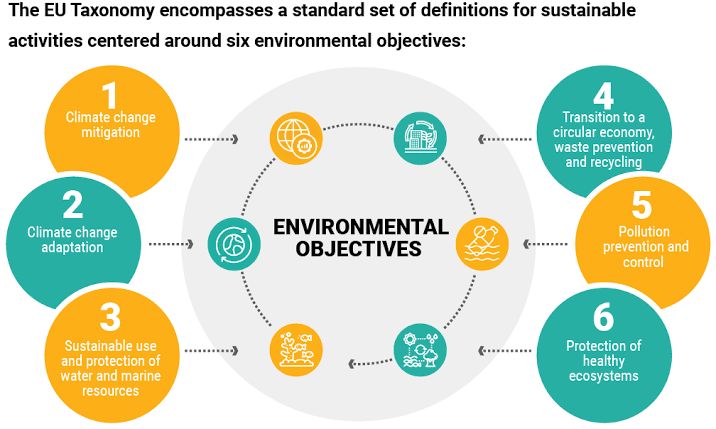
As #$5T in ESG investments grows, defining what is truly sustainable is critical. Enter Sustainability Taxonomy—a classification system ensuring green capital flows into real climate solutions, not greenwashing.
📊 EU Taxonomy – Setting the Global Standard
🟢 6 Environmental Objectives → Activities must significantly contribute to at least one while causing no harm to others:
Climate Change Mitigation
Climate Change Adaptation
Water & Marine Resource Protection
Circular Economy Transition
Pollution Prevention & Control
Biodiversity & Ecosystem Restoration
🟢 Impact → Covers 50K+ companies, shaping 80% of EU capital markets. (Source)
🟢 Challenges → Simplification Omnibus (2025 Proposal) could reduce company reporting, raising concerns about greenwashing risks. (Source)
🌍 Global Adoption: Who’s Following the EU Model?
🟢 Australia → Developing Sustainable Finance Taxonomy to attract #$200B+ in green capital. (Source)
🟢 China → Green Bond Principles aligned with EU Taxonomy in 2023, covering #$150B+ in issuances.
🟢 ASEAN → Launched ASEAN Taxonomy 2024, targeting climate finance growth in 10 nations.
🟢 US & UK → No official taxonomy, relying on SEC climate rules & UK Green Finance Strategy instead.
🔥 The Takeaway: Green Finance Needs Clear Rules
📌 #$5T+ ESG investments need clarity—taxonomy prevents greenwashing.
📌 EU model sets the benchmark, but simplification risks loosening standards.
📌 More countries adopting taxonomies → Will we see a global standard soon?
📢 Do we need a worldwide taxonomy for sustainability? Let’s discuss! 👇
Originally published on LinkedIn on 2025-03-04 03:47:30: https://www.linkedin.com/feed/update/urn%3Ali%3AgroupPost%3A2474261-7302535131989164034
📚 KnowledgeSeries: The Hidden_Cost_of_Digital_Pollution – Is the Internet Killing the Planet? 🌍💻
While we focus on EVs, renewables, & plastic waste, digital pollution remains an invisible climate threat. From emails to AI, the internet’s carbon footprint is bigger than expected.
📊 Digital Pollution: The Data Behind the Screens
🟢 Data Centers = 2% of Global Electricity Use → That’s more than Germany’s entire energy consumption. (Source)
🟢 One Email = 4g CO₂ → With attachments, it’s 50g CO₂. 306B emails/day = 15M tons of CO₂ annually.
🟢 Video Streaming = 1% of Global CO₂ → One hour of Netflix in HD = 36g CO₂ → Watching at lower resolution cuts emissions by 40%.
🟢 Google Searches Emit 500 Tons CO₂/Day → Each search = 0.2g CO₂. 8.5B searches daily = annual emissions of 1.3M cars.
🟢 AI & Cloud Computing Are Carbon Guzzlers → Training one AI model emits 125,000 lbs CO₂, equal to five cars’ lifetime emissions.
🛑 How to Reduce Digital Pollution?
🟢 Delete Unnecessary Emails → Reducing 100 unneeded emails = saving 30kg CO₂ annually.
🟢 Declutter Cloud Storage → 1GB of deleted cloud data = 7kg CO₂ saved per year.
🟢 Use Green Hosting → Only 30% of websites are on carbon-neutral servers.
🟢 Limit AI Queries → Reducing unnecessary AI prompts & computations cuts energy waste.
🔥 The Takeaway: Is Digital the New Plastic?
🟢 If the internet were a country, it would be the 6th largest polluter in the world.
🟢 Digital sustainability is the next frontier—will businesses take action?
🟢 Every click, search, and email has a carbon cost—time to rethink digital habits.
📢 How can we build a cleaner, low-carbon internet? Let’s discuss! 👇

Originally published on LinkedIn on 2025-03-03 14:43:53: https://www.linkedin.com/feed/update/urn%3Ali%3AgroupPost%3A82951-7302337927789879296
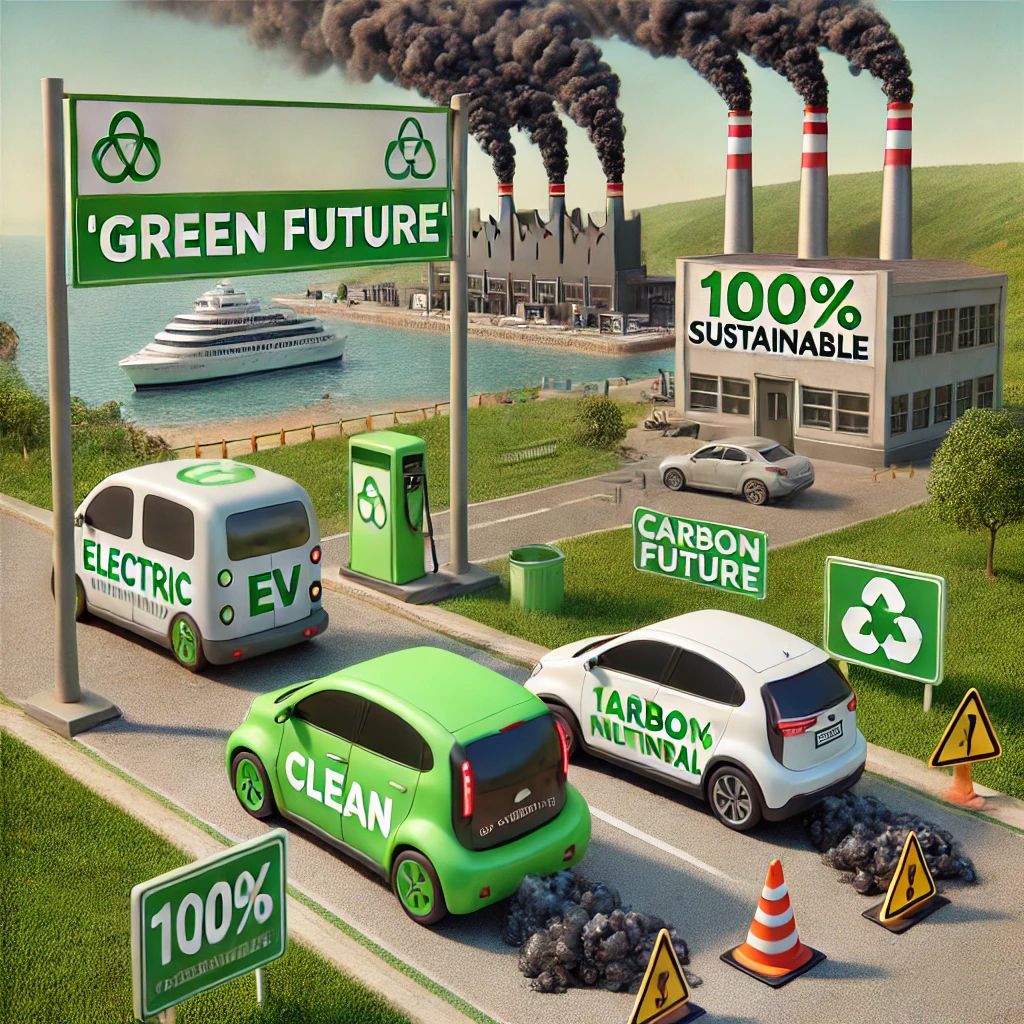
🚗⚡ YR2035’s Green_Auto_Mirage: Are EVs, Hydrogen Fuel Cells, and Synthetic Fuels Truly Sustainable or Just Greenwashing? 🌍💨
As we race toward 2035’s petrol-diesel ban, automakers push EVs, HFCVs, and SyntheticFuels as the future. But are these real solutions or clever marketing?
🔋 EVs: Cleaner or Just Elsewhere Emissions?
📌 Battery Production: An 80 kWh battery emits 2.4 – 16 metric tons of CO₂—equal to driving a gasoline car for 5-7 years. (MIT, 2024)
📌 Resource Impact: Each EV battery needs 63kg lithium, cobalt, & nickel, causing deforestation & water pollution. (GreenCars, 2024)
📌 Power Grid Dependence: An EV running on coal-based electricity emits more CO₂ per mile than hybrids. (EPA, 2024)
📌 Reality Check: EVs help only if powered by clean energy.
💧 Hydrogen: Clean Hype or Fossil Fuel Disguise?
📌 Production Problem: 96% of global hydrogen is made from natural gas & coal, emitting 830M metric tons of CO₂. (IEA, 2024)
📌 Efficiency Loss: HFCVs require 3x more renewable electricity than EVs. (US DOE, 2024)
📌 Reality Check: Unless made from renewables, hydrogen is just another fossil fuel.
⛽ Synthetic Fuels: Carbon-Neutral or Clever Greenwashing?
📌 Energy Guzzler: Producing 1L of synthetic fuel takes 6x more energy than refining petrol. (Fraunhofer, 2024)
📌 Still Polluting: Burns CO₂ and emits more NOx than conventional fuels. (MDPI, 2024)
📌 Reality Check: Synthetic fuels aren’t zero-emission—they just relocate pollution.
🚨 Greenwashing in the Auto Industry
🔻 BMW, Toyota, Honda exaggerated EV carbon savings by omitting battery emissions. (Greenpeace, 2024)
🔻 Porsche’s synthetic fuel plant claims zero emissions but runs on coal-powered electricity. (The Guardian, 2024)
🔻 India & U.S. promised 1M EV chargers by 2025, yet less than 20% installed. (BloombergNEF, 2024)
📌 Reality Check: Many automakers sell ‘green’ promises, but not real sustainability.
🏆 Key Takeaway: Hype or Hope?
🚘 EVs, HFCVs, & Synthetic Fuels could be clean if the supply chain is green.
♻️ They should be backed by strict sustainability policies.
⚠️ But they would be just another greenwashing scandal if industries don’t walk the talk.
👉 Are we truly heading toward sustainable mobility, or just another green illusion? 👇
Originally published on LinkedIn on 2025-02-18 11:22:14: https://www.linkedin.com/feed/update/urn%3Ali%3AgroupPost%3A82093-7297576141614190592
What_You_Havenot_Heard_About_the_New_Income_Tax_Bill 2025 💼💰
While headlines have focused on new tax slabs and simplified tax laws, there are hidden provisions in the Income Tax Bill 2025 that could quietly reshape how individuals and businesses manage their taxes. Here’s what hasn’t made the news yet—but should be on your radar.
🔎 What’s New & What You Haven’t Heard Yet
📌 NRIs Now Have a Tax Wake-Up Call → If you earn over #₹15 lakh ($18,000) in India, you’re now classified as a tax resident. This means taxation on salary, property income, capital gains, and dividends from Indian sources. But foreign earnings? They remain outside India’s tax net for now.
📌 The Unspoken Impact on Gig Workers & Freelancers → With the rise of digital taxation and AI-driven audits, freelancers, content creators, and independent consultants who previously operated in a tax grey area may now be pulled into the formal tax system.
📌 Your Digital Footprint is Being Watched → The bill lays the foundation for AI-driven tax compliance tracking. Expect automated scrutiny of large transactions, crypto earnings, and foreign remittances linked to India.
📌 No Clear Carbon Tax Yet—But Watch This Space → Sustainability is a global priority, but this bill doesn’t yet introduce green tax incentives or penalties for high-emission businesses. However, future amendments may align India’s tax policies with ESG (Environmental, Social, and Governance) goals.
📌 Real Estate May No Longer Be a Safe Tax Haven for NRIs → With stricter capital gains taxation, NRIs who buy and sell Indian property may face higher tax liabilities, especially if they don’t reinvest in eligible tax-saving assets.
📌 More Tax Scrutiny for High-Income Earners → If you fall in the #₹20 lakh+ ($24,000+) bracket, tax authorities may now flag large transactions and offshore holdings, ensuring better compliance without manual intervention.
📉 What Should You Do Next?
✅ NRIs: Review your income sources from India and DTAA agreements in your country to avoid double taxation.
✅ Freelancers & Gig Workers: Ensure your earnings are properly declared to avoid potential penalties.
✅ Investors: Keep an eye on potential capital gains tax reforms affecting stocks, crypto, and real estate.
✅ Businesses: Start preparing for digital compliance requirements that could change audit processes.
💡 “The real impact of tax reform isn’t in what’s obvious—it’s in what changes behind the scenes.
💬 What are your thoughts? Have we missed an important tax change that will impact professionals and businesses? Let’s discuss!

Originally published on LinkedIn on 2025-02-13 11:43:42: https://www.linkedin.com/feed/update/urn%3Ali%3Ashare%3A7295769602515431426
💰📈 CSR in India: ₹29,000 Crore ($3.5B) Spent—But Is It Really Making an Impact?
🚀 ₹29,000 Crore ($3.5 Billion). That’s how much Indian companies invested in Corporate Social Responsibility (CSR) in FY 2022-23—a 13% jump from last year. (Business Standard, 2024)
📊 Yet, only 2.5% of CSR funds have reached India’s most backward districts in 9 years. (Sattva Consulting, 2024)
🏆 56% of companies are now exceeding their 2% CSR mandate, signaling a shift from compliance to impact. (CSR Outlook Report, 2024)
📌 Reality Check: CSR budgets are growing—but is the impact reaching where it matters most?
📊 Where Did India’s CSR Money Go?
✅ Top 3 CSR Priorities in 2024:
🔹 Education – ₹8,670 Crore ($1.04B) – 29.9% of total CSR funds. (Sattva, 2024)
🔹 Healthcare – ₹6,325 Crore ($760M) – 21.8% of total CSR funds. (CSR Box, 2024)
🔹 Rural Development – ₹2,543 Crore ($305M) – 8.77% of total CSR funds. (MCA Data, 2024)
🚨 Underfunded Sectors:
❌ Climate & Sustainability – Just 5% of total CSR spending. (India ESG Report, 2024)
❌ Backward Districts – Only 2.5% of CSR funds in 9 years. (Sattva, 2024)
❌ Skill Development – Lagging despite workforce challenges. (Economic Times, 2024)
📌 Reality Check: More money doesn’t always mean better impact—are CSR funds going where they’re needed?
💼 Companies Leading the CSR Game in India
🏆 Reliance Industries – ₹1,271 Crore ($152M) spent on healthcare & rural development. (CSR India Tracker, 2024)
🏆 Tata Group – ₹1,066 Crore ($127M) spent on education & skill-building. (Business Standard, 2024)
🏆 Infosys – ₹377 Crore ($45M) invested in climate action & digital literacy. (Infosys ESG Report, 2024)
🚨 The Flip Side: Companies Falling Short
❌ Several mid-sized firms yet to meet 2% CSR mandate. (MCA Report, 2024)
❌ Growing focus on ‘brand-building CSR’ vs. grassroots impact. (India CSR Network, 2024)
📌 Reality Check: CSR isn’t just a compliance checkbox—it’s about meaningful change.
🏆 KeyTakeaway
💡 CSR could be India’s game-changer for inclusive growth, should be strategically focused on high-impact areas, but would be wasted if it remains a PR exercise.
👉 Are Indian companies truly driving change, or just chasing compliance? Let’s discuss. 💬

Originally published on LinkedIn on 2025-02-07 19:01:12: https://www.linkedin.com/feed/update/urn%3Ali%3AgroupPost%3A121193-7293705375868977153
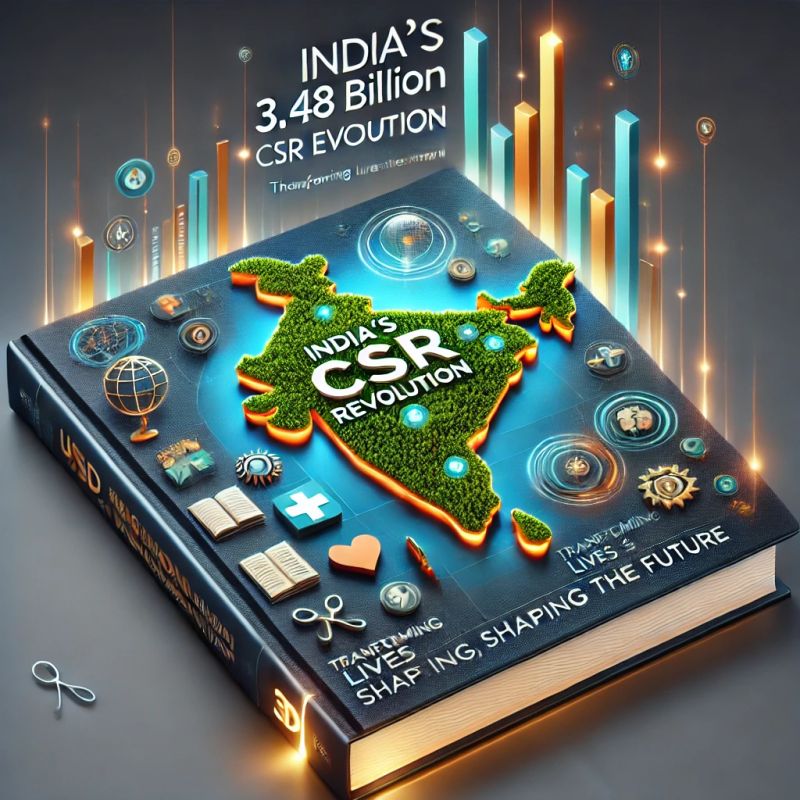
🚀 NamasteCSR_India’s $3.48 Billion CSR Revolution: Transforming Lives, Shaping the Future 🚀
Total CSR Spending: ₹29,000 crore (~$3.48 billion USD)
Corporate India is leading a powerful movement in social_responsibility_investing billions into initiatives that empower communities, address inequalities, and build a sustainable future.
📊 Industry-Wise CSR Spending
Where the $3.48 billion made a difference:
🎓 Education, Differently Abled, and Livelihood:
💰 ₹13,209 crore (~$1.58 billion USD) | 44% of Total CSR
Empowering individuals through skill-building and education.
🩺 Healthcare and Sanitation:
💰 ₹8,739 crore (~$1.05 billion USD) | 29%
Improving health access and sanitation for underserved communities.
🌾 Rural Development:
💰 ₹2,005 crore (~$240 million USD) | 7%
Building sustainable livelihoods and infrastructure in rural areas.
🌿 Environment and Conservation:
💰 ₹2,921 crore (~$350 million USD) | 10%
Driving green initiatives and conserving biodiversity.
👩🎓 Gender Equality and Women Empowerment:
💰 ₹893 crore (~$107 million USD) | 3%
Breaking barriers and empowering women across sectors.
🏅 Encouraging Sports:
💰 ₹526 crore (~$63 million USD) | 2%
Fostering sporting talent and creating opportunities.
🏛️ Heritage and Culture:
💰 ₹441 crore (~$53 million USD) | 1%
Preserving India’s rich cultural legacy.
🤝 PM Relief and Other Funds:
💰 ₹815 crore (~$98 million USD) | 3%
Supporting disaster relief and community aid initiatives.
🏆 Top 10 Contributors Driving the Revolution
These companies collectively spent ₹5,070 crore (~$608 million USD):
1. ⭐ Reliance Industries Limited: ₹1,592 crore (~$190M)
2. 💼 HDFC Bank Limited: ₹945 crore (~$113M)
3. 💻 Tata Consultancy Services: ₹900 crore (~$108M)
4. 🏭 Tata Steel Limited: ₹827 crore (~$99M)
5. 🛢️ ONGC Limited: ₹635 crore (~$76M)
6. ⛽ Indian Oil Corporation: ₹580 crore (~$70M)
7. 💡 Infosys Limited: ₹458 crore (~$55M)
8. 🌱 ITC Limited: ₹404 crore (~$48M)
9. 🔌 Power Grid Corporation: ₹331 crore (~$40M)
10. 💻 HCL Technologies: ₹261 crore (~$31M)
🌟 Why This Matters
This is more than compliance—it’s transformational. India’s CSR ecosystem is creating lasting change, targeting critical issues like education gaps, healthcare disparities, environmental challenges, and community empowerment.
By YR2047, as India marks 100Years of independence, these contributions will shape an inclusive, sustainable, and empowered future for generations to come.
💬 What are your thoughts on this revolution? Let’s connect and collaborate!
CSR India Impact Sustainability CorporateLeadership ChangeMakers
Originally published on LinkedIn on 2025-01-11 15:12:43: https://www.linkedin.com/feed/update/urn%3Ali%3AgroupPost%3A10020629-7283863402731479040
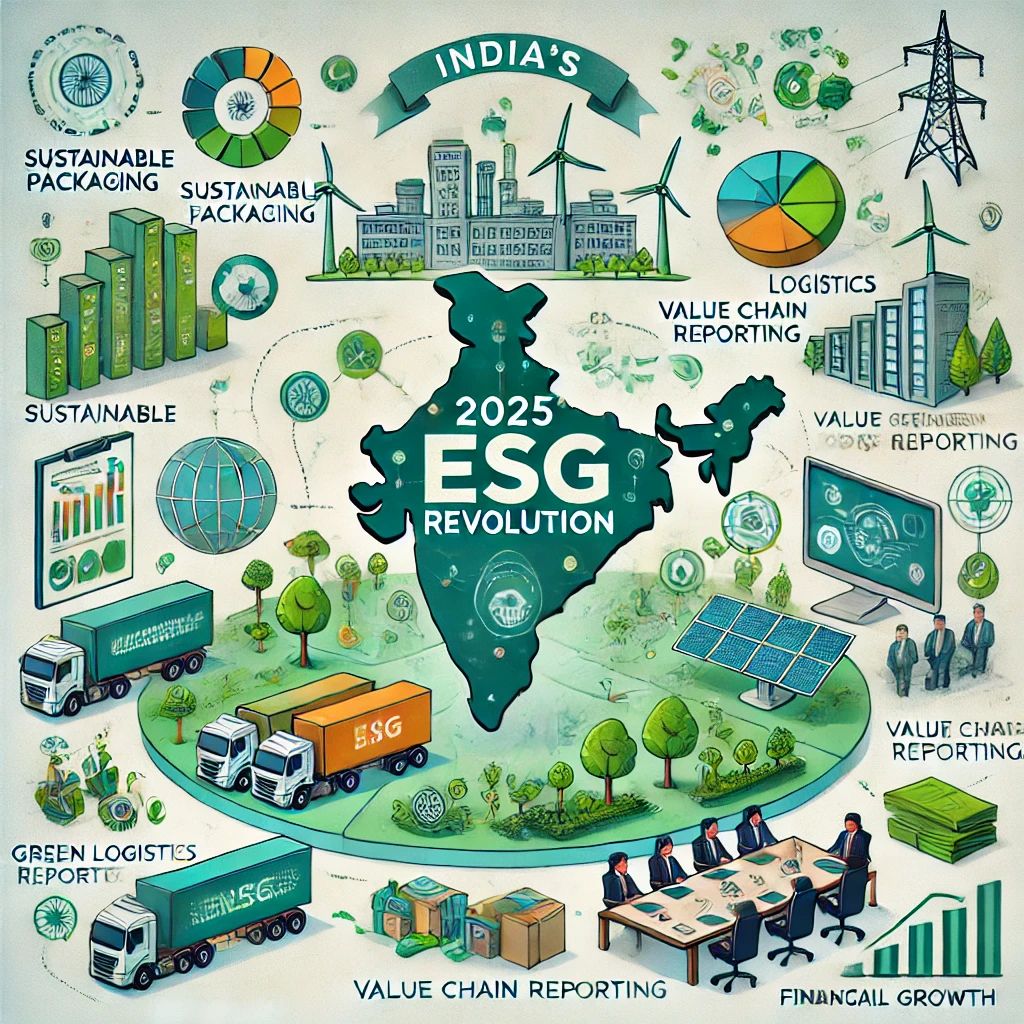
🌟 NamasteGreenIndia YR2025: India’s ESG Era Expands – Incorporating Packaging, Logistics, and More 🚀
The year YR2025 marks a transformative step in India’s corporate sustainability, with Environmental, Social, and Governance (ESG) regulations now including packaging, logistics, and operational efficiency. These changes align with global sustainability goals and drive innovation across industries.
📌 What’s New in 2025?
🌐 Value Chain Reporting:
Top 250 companies must disclose ESG metrics under SEBI’s “comply or explain” framework.
By 2026, expands to 500 companies, with mandatory assurance.
📜 BRSR Core Metrics:
Focus on 9 ESG KPIs like carbon emissions, water usage, and workforce diversity.
80% of top 500 companies are aligning operations with these standards.
📦 Sustainable Packaging:
New regulations target 50% reduction in single-use plastics by 2030.
Companies aim for 100% reusable packaging, with $3 billion invested in R&D.
🚚 Green Logistics:
Incentives for electric and hydrogen-powered fleets aim to cut emissions by 30% by 2030.
✅ Independent Verification:
ESG disclosures, including packaging and logistics, must undergo third-party assurance.
By 2025, 65% of listed entities will have verified ESG data.
📊 ESG Growth Impact
📦 Packaging Overhaul:
40% of FMCG and e-commerce companies have adopted eco-friendly packaging solutions.
🚛 Logistics Transformation:
Emissions reduced by 20% (2023–2025); green logistics market to hit $12 billion by 2030.
📈 Corporate Participation:
ESG disclosures grew 40%, with 70% of Nifty 50 companies including logistics and packaging metrics.
🌟 Why YR2025 is a Game_Changer
1️⃣ Global Leadership:
India leads in integrating packaging and logistics into ESG frameworks, aligning with global practices.
2️⃣ Investor Appeal:
Companies adopting eco-friendly practices attract funds managing $50 trillion+ in ESG assets.
3️⃣ Business Resilience:
Over 60% of companies report improved efficiency and reduced costs through ESG initiatives.
4️⃣ 🚨 Non_Compliance Risks:
Fines, loss of market share, and reputational damage await companies ignoring these standards.
📌 The Road Ahead
India’s 2025 ESG initiatives integrate packaging, logistics, and operational efficiency into corporate goals. These steps set Indian businesses on a path to lead the global sustainability revolution.
💬 How is your organization adapting to this challenge? Let’s discuss below! 👇

Originally published on LinkedIn on 2025-01-11 10:02:10: https://www.linkedin.com/feed/update/urn%3Ali%3AgroupPost%3A3880479-7283785251959529472

Originally published on LinkedIn on 2024-08-28 14:46:15: https://www.linkedin.com/feed/update/urn%3Ali%3Ashare%3A7234571994841661440

