Why_the_Market_Pays_15x_for_Scope4_but_DiscountsScope3?
Dr. Anju Sharma | KtalystInsights
The ChemicalWorld is not abandoning hydrocarbons.
It is repricing risk, relevance, and return.
Capital doesn’t chase greens browns or greys. It chases systems that remain investable under stress.” Dr. Anju Sharma
This is not a morality play of good versus bad materials.
It is a MacroReallocation of capital driven by carbon math, energy security, and industrial policy.
The MetalEra is not replacing chemistry. It is jumping WALLS
🧱 WALL_01
The ComplianceWall (Fossil-Based Polymers)
Hydrocarbons are not obsolete.
But large parts of the plastics value chain are now structure capped.
❌ Market maturity: Growth tethered to GDP (3–4%)
❌ Carbon exposure: Embedded Scope 3—even at high recycling rates
❌ Valuation gravity: 8–10× EV/EBITDA
KtalystInsight:
This is not a failure of chemistry.
It is a constraint of scale.
Capital doesn’t exit plastics because they are “dirty.” It pauses because compliance caps upside.
🧱 WALL_02
The ScopeWall (Scope 3 vs Scope 4 Reality)
This is where most chemical strategies quietly break.
Not at production.
Not at recycling.
But at system-level carbon relevance.
❌ Scope 3 gravity: Feedstocks and logistics dominate total carbon exposure
❌ Scope 4 invisibility: Avoided emissions (electrification, grid decarbonisation) are real—but often invisible in standard accounting
❌ Metals asymmetry: Mining inflates Scope 3 sharply, yet metals enable massive Scope 4 benefits
What markets are actually pricing:
✓ Who carries unavoidable Scope 3
✓ Who enables outsized Scope 4
✓ Who sits inside the energy system—not adjacent to it
KtalystInsight:
Carbon markets don’t reward clean plants.
They reward system displacement power.
Capital flows where Scope 4 overwhelms Scope 3.
🪜 LADDER_01
The EnergyValueLadder (Critical & Transition Metals)
Metals are
Not clean.
Not cheap.
Not easy.
They are strategically unavoidable.
✓ Demand shock: Lithium & copper demand ~4× by 2030
✓ Valuation premium: 12–15×+ EV/EBITDA
✓ Policy underwriting: IRA · CRMA · PLI
Capital tolerates friction
when assets sit inside energy systems.
DataComa Gap: Where Strategy Goes Wrong
The mistake isn’t choosing the wrong material.
It’s misreading which pain the market will tolerate.
❌ Optimising only plant KPIs
❌ Treating recycling as a growth strategy
❌ Ignoring geopolitical exposure
Where Margins Are Migrating
📉 From volume & formulation complexity
📈 To purity (99.9%+), access, and grid integration
🪜LADDER_02 StratergicPortfolios
The future is not MetalsVsHydrocarbons.
It is static portfolios versus adaptive ones.
Plastics remain essential—but less forgiving
Metals will grow—but harder, dirtier, and more contested
🔄 ThePhaseChange
👉 From MaterialSupremacy
👉 To SystemRelevance
KtalystInsights
ChemicalIndustry EnergyTransition CriticalMinerals
Scope3 Scope4 SustainabilityStrategy
Originally published on LinkedIn on 2026-01-23 05:44:13: https://www.linkedin.com/feed/update/urn%3Ali%3Ashare%3A7420340560558804992
Climate_Change_Disrupting_Global Supply Chains: A Call for Immediate Action
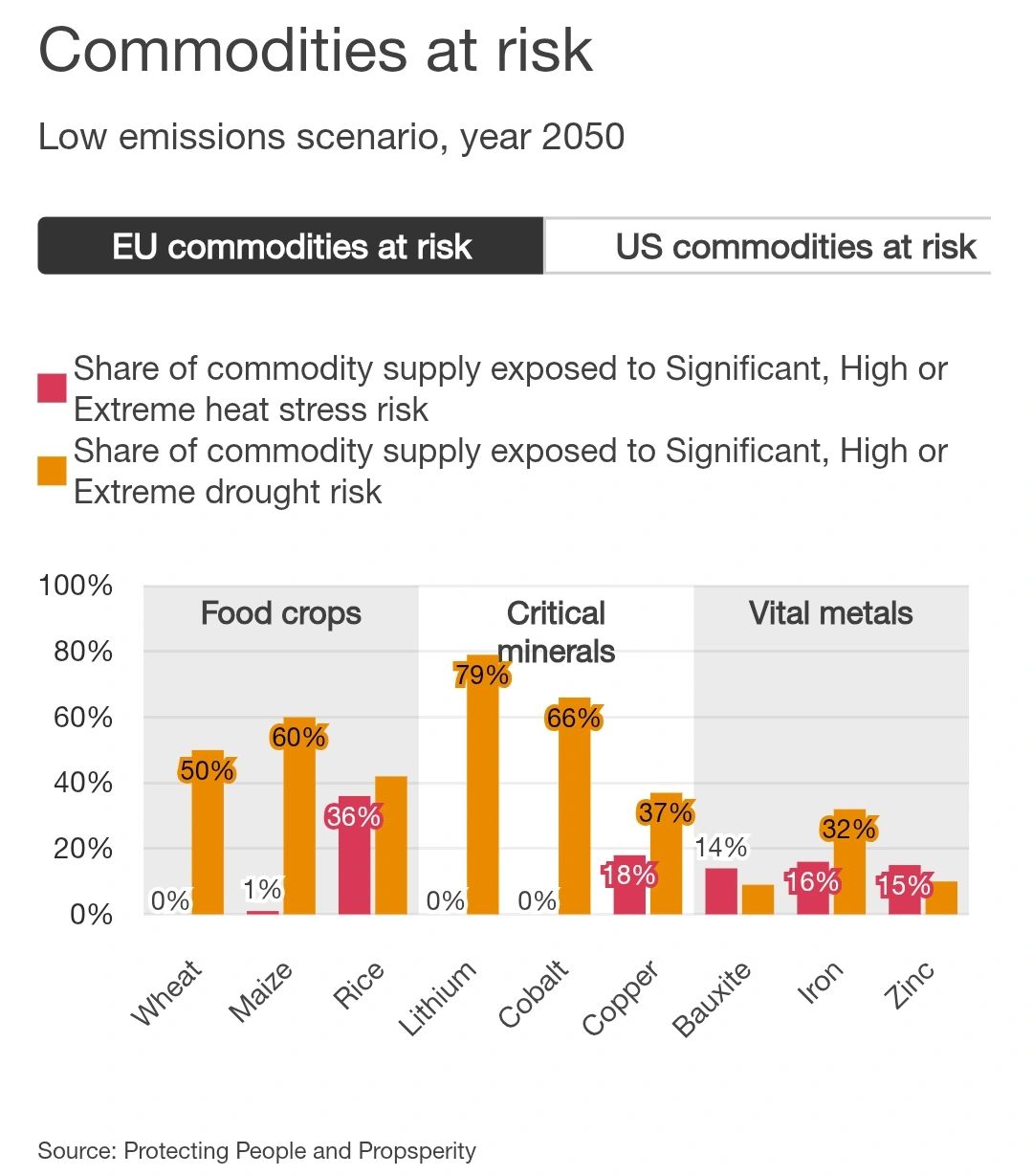
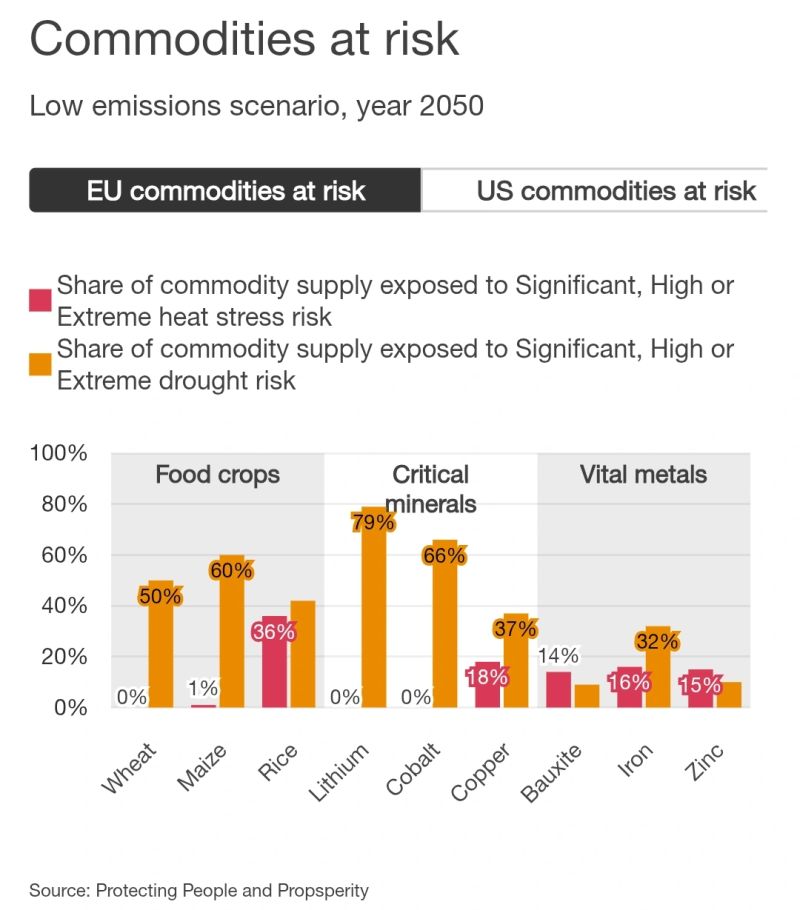
As the world grapples with escalating climate challenges, the ability to secure essential commodities is under threat. PwC’s insights reveal how heat_stress and drought could profoundly impact industries and communities, emphasizing the need for proactive measures.
Critical_Minerals at Risk: Heat stress and drought threaten the supply of cobalt, copper, and lithium—key to electronics, green energy, and transportation sectors.
Food Security Challenges: Maize, rice, and wheat, which provide 42% of human calories, are vulnerable to production instability, jeopardizing global food supplies.
Vital Metals Under Pressure: Iron, zinc, and bauxite (used in aluminum production) face disruption due to mining challenges caused by extreme weather.
Industries in Peril: Transportation, construction, and manufacturing sectors heavily reliant on these commodities risk operational breakdowns.
Impact on Producers and Communities: Farmers and miners are already experiencing hardships from extreme heat and water scarcity, reducing productivity and health safety.
Supply Chain Resilience is Critical: PwC highlights the urgency for businesses to assess climate-related vulnerabilities and mitigate risks to prevent supply chain disruptions.
Call for Proactive Action: The cascading effects of climate change demand swift preventive strategies to safeguard commodities and ensure industrial continuity.
PwC’s report serves as a stark reminder of the growing vulnerabilities within global supply chains. Businesses must act now to incorporate sustainable practices, enhance resilience, and mitigate climate-related risks.
For a detailed analysis, explore PwC’s full report here.https://https://lnkd.in/d_9bwcRn
Originally published on LinkedIn on 2024-12-25 03:55:16: https://www.linkedin.com/feed/update/urn%3Ali%3AgroupPost%3A3880479-7277532326702534656

