🚨 India’s EVRegulations 2025: What’s New & What It Means for the Industry? ⚡🚗
With EV sales in India growing 49% YoY, new regulatory shifts are shaping the future of the sector. The latest policies focus on local manufacturing, safety standards, & market expansion while setting new rules for charging infrastructure & import incentives. Here’s what’s changing:
📊 Key EV Policy Updates & Their Impact
🔹 Investment Caps on Charging Infrastructure
📌 The Indian Government now limits EV manufacturers to count only 5% of their total investment in charging networks toward the #$500M minimum investment required for lower import tariffs.
📌 Why It Matters? This ensures priority to local EV production, reducing reliance on imports. (Source)
🔹 Tesla’s Entry & Market Implications
📌 Tesla is setting up showrooms in Mumbai & New Delhi and exploring local production. However, high import duties (up to 100%) could push Tesla’s pricing into the luxury segment, making affordability a challenge.
📌 EV Market Reality: The average car price in India is #$10,000-$15,000, while a Tesla Model 3 would cost over #$50,000 without local assembly. (Source)
🔹 Stricter Safety & Battery Standards
📌 BIS (Bureau of Indian Standards) introduces new EV safety rules, requiring all EVs to meet upgraded performance & fire safety benchmarks.
📌 Battery Regulation: EV battery makers must obtain AIS 156 certification from ARAI (Automotive Research Association of India) to ensure safety compliance.
📌 Why It Matters? India aims to reduce EV fire risks, ensuring consumer safety and boosting market confidence. (Source)
🔹 Union Budget 2024-25: EV Industry Boost
📌 Customs duty exemptions on 25 critical minerals used in EV battery production will lower manufacturing costs.
📌 PLI (Production-Linked Incentive) expansion aims to reduce import dependency & boost domestic production.
📌 FAME III (Faster Adoption & Manufacturing of Electric Vehicles) is expected to focus on charging infrastructure expansion. (Source)
⚡ The Takeaway: What’s Next for India’s EV Industry?
🚀 EV penetration in India is at 2% but projected to hit 30% by 2030.
🚀 Government policies favor local EV manufacturing over imports.
🚀 Safety & compliance measures will shape consumer trust & adoption.
📢 Will these new regulations accelerate India’s EV transition or slow global players like Tesla? Let’s discuss! 👇
Source / shared link: https://m.economictimes.com/industry/renewables/govt-set-to-notify-new-ev-policy-with-new-investment-rules-as-tesla-prepares-for-india-entry/articleshow/118415610.cms
Originally published on LinkedIn on 2025-02-27 06:19:45: https://www.linkedin.com/feed/update/urn%3Ali%3AgroupPost%3A82093-7300761508139974656
🚀 Sustainability in 2025: Who’s Leading, Who’s Lagging & What’s Changing? 🌍📉⚡
If sustainability were a race, some are sprinting, some are jogging, and others are still tying their shoes.
In 2025, sustainability is no longer just about ESGCompliance—it’s about survival. But as regulations shift, businesses hesitate, and grassroots efforts grow stronger, the question remains: Who is truly walking the talk?
📊 1. Europe is Tightening Rules—But Not for Everyone 🇪🇺
🔹 EU’s Corporate Sustainability Reporting Directive (CSRD) is evolving—planning to raise the reporting threshold from 250 employees & €40M turnover to 1,000 employees & €450M.
🔹 Impact? This will exempt thousands of smaller companies while still holding big corporations accountable.
🔹 RealityCheck: Is this a win for business flexibility or a loophole for greenwashing?
📌 Source: Reuters
📊 2. CEOs Know Sustainability = Profit, But Are They Acting? 📈
🔹 PwC’s 2025 CEO Survey: 🌱 29% of Irish CEOs skipped climate investments last year due to regulatory confusion—yet companies that link sustainability to executive compensation see higher revenues.
🔹 The Dilemma: CEOs acknowledge climate risks but struggle with unclear policies.
🔹 RealityCheck: Are companies stalling progress just because it’s complicated?
📌 Source: The Times
📊 3. Grassroots Action is Filling the Gaps 🌱🏡
🔹 Local Sustainability Wins: In Iowa City, a retirement community has diverted thousands of pounds of food waste from landfills—something that big corporations fail to do at scale.
🔹 The Takeaway: Real impact isn’t just about billion-dollar pledges—it’s about execution, big or small.
📌 Source: The Gazette
🏆 KeyTakeaway: The Sustainability Race in 2025
✅ Regulators could be making reporting easier, but risks of weaker accountability loom.
✅ CEOs should be making sustainability a financial strategy, not just PR.
✅ Communities are proving that action matters more than announcements.
💬 What’s your take? Are we moving forward fast enough, or just shifting responsibilities? Drop your thoughts below! 👇
Sustainability ESG ClimateAction GreenBusiness CorporateResponsibility CircularEconomy
https://lnkd.in/d-EBgCzk
Source / shared link: https://www.reuters.com/sustainability/eu-pare-back-sustainability-rules-companies-draft-shows-2025-02-22/
Originally published on LinkedIn on 2025-02-23 03:52:40: https://www.linkedin.com/feed/update/urn%3Ali%3Ashare%3A7299274941965721601
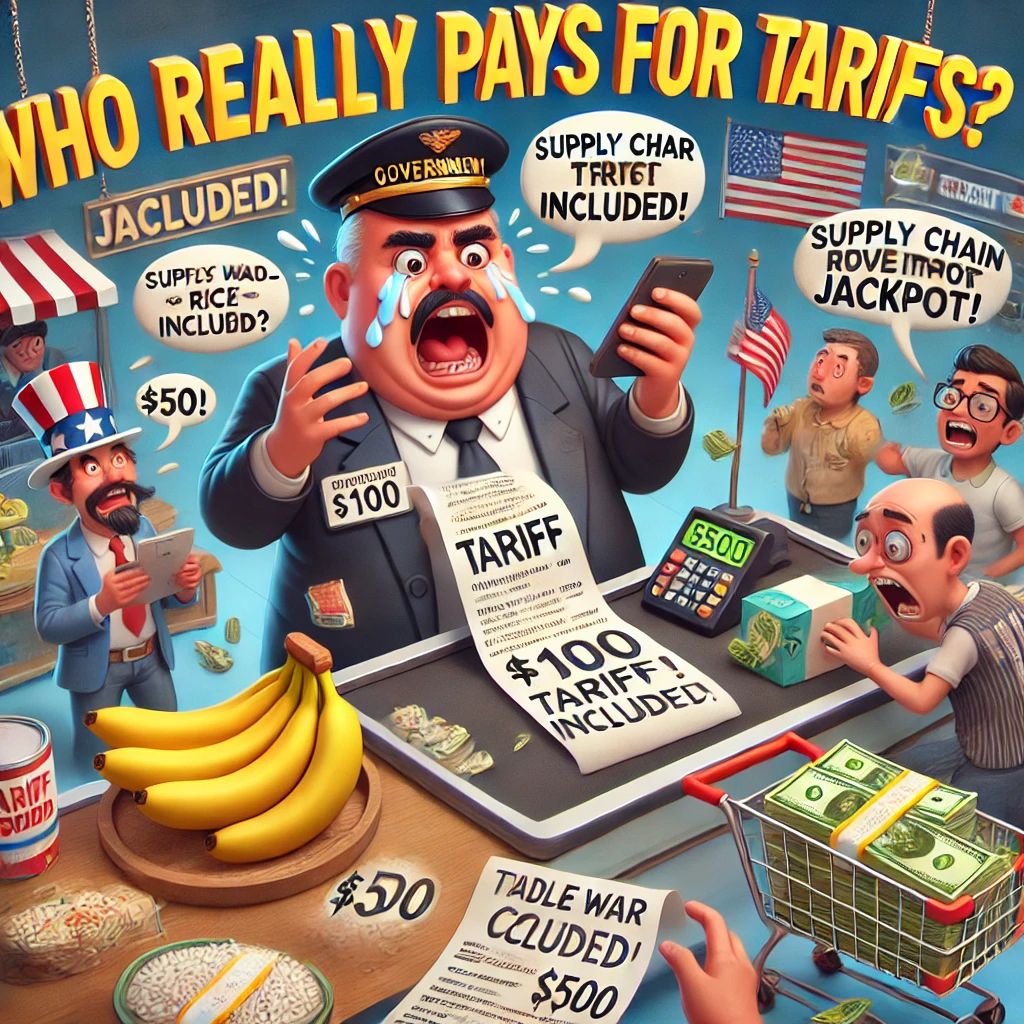
💰🌎 Tariff Wars: Who Really Pays the Price?
As governments escalate trade wars, businesses adjust supply chains, and consumers brace for price hikes, are tariffs truly protecting economies, or just shifting the cost?
🚨 Who Pays for Tariffs?
📉 Consumers Bear the Burden – 60% of tariff costs are passed on to consumers through higher prices. (IMF, 2024)
📉 Businesses Face Higher Costs – US companies paid $105B in tariffs since 2018, impacting supply chains. (USTR, 2024)
📉 Job Loss Risks – Tariffs on auto parts could cost 700K US jobs as production shifts. (Peterson Institute, 2024)
📉 Inflation Pressure – Every 10% tariff hike increases inflation by 0.5% globally. (World Bank, 2024)
📌 Reality Check: Tariffs aren’t just taxes on imports—they’re taxes on people.
🏆 Who Benefits?
✅ Governments Cash In – Tariffs generated $80B for the US Treasury in 2023. (USTR, 2024)
✅ Local Manufacturers Get Protection – Steel & aluminum industries saw a 20% production boost. (Reuters, 2024)
✅ Nearshoring Countries Profit – Mexico & Vietnam gained $65B in trade diversions from China. (IMF, 2024)
📌 Reality Check: While some industries win, the average consumer still loses.
🔮 What’s Next?
💡 Regional Trade Over Globalization – Supply chains are shifting closer to home to avoid tariff risks.
💡 Digital & AI Trade Solutions – Automated trade processing could reduce costs by 15%. (McKinsey, 2024)
💡 Green Tariffs Rising – Carbon-based tariffs will add new costs to imports, reshaping global trade. (EU CBAM, 2024)
📌 Reality Check: The cost of tariffs may outweigh the benefits if trade wars escalate.
🏆 KeyTakeaway
Tariffs could be a tool for protecting industries, should be used strategically, but would be an economic strain if prices keep rising.
👉 Who really pays for the trade war—governments, businesses, or you?
TradeWar Tariffs GlobalEconomy SupplyChainCrisis Inflation
Originally published on LinkedIn on 2025-02-05 16:37:39: https://www.linkedin.com/feed/update/urn%3Ali%3AgroupPost%3A2474261-7292944474018611204
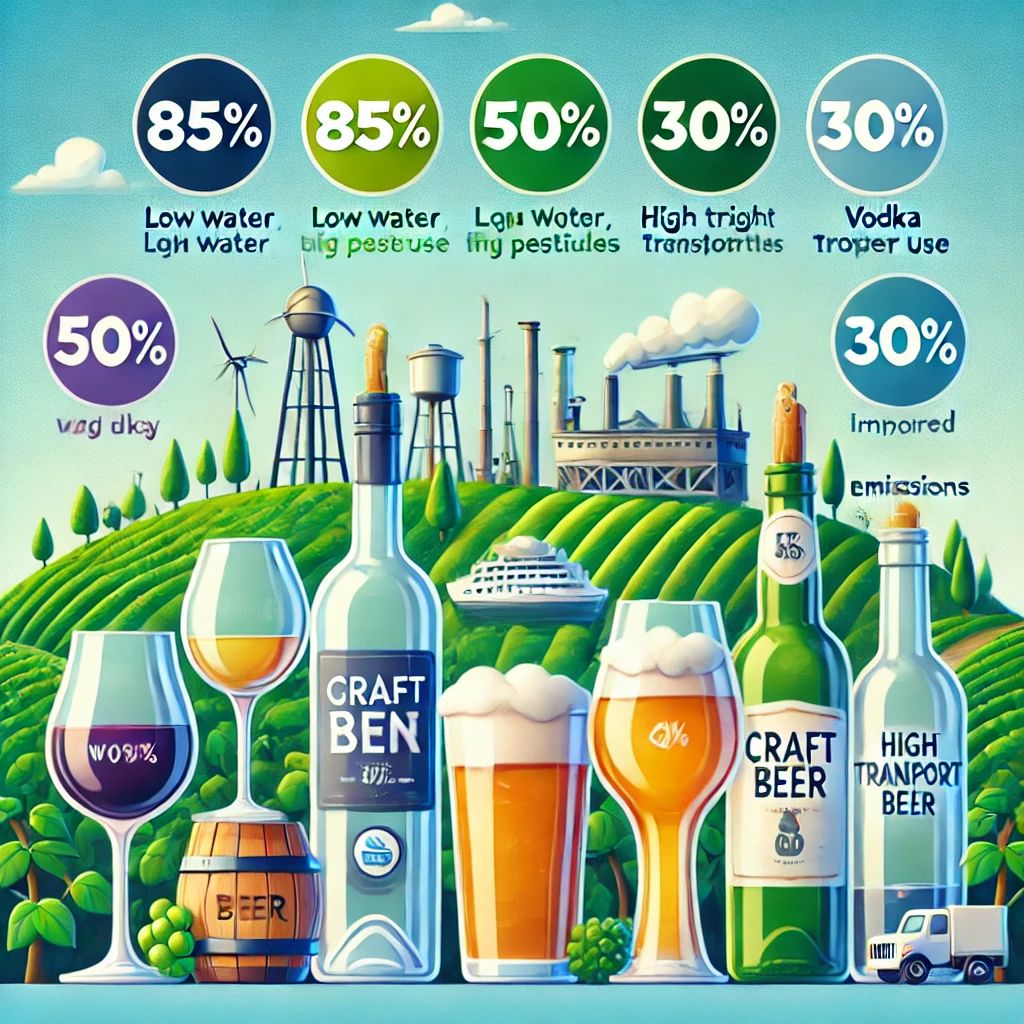
🍻🌱 “Green Booze: Is Your Drink Really Sustainable?
From beer to whiskey to wine, the alcohol industry is a silent sustainability offender—water-intensive, carbon-heavy, and waste-generating. But is booze going green, or just another case of marketing buzz?
📊 The Environmental Cost of Alcohol
🚨 Water Guzzler – Producing 1L of beer takes 4-6L of water, while 1L of whiskey requires up to 50L! (WWF, 2024)
🚨 High Carbon Emissions – A single pint of beer emits 3x more CO₂ than a soft drink. (IEA, 2024)
🚨 Glass Waste Crisis – Over 60% of alcohol packaging is glass, but only 31% is recycled globally. (Recycling International, 2024)
🚨 Grape Waste in Winemaking – Wine production leaves behind 13M tons of grape waste annually. (FAO, 2024)
📌 Reality Check: That happy hour drink may have a heavier footprint than you think.
♻️ Which Alcohols Are Actually Sustainable?
✅ Organic & Biodynamic Wines – Lower pesticide use and 30% less water-intensive. (Rainforest Alliance, 2024)
✅ Local & Craft Beers – Shorter supply chains reduce emissions by 20-30% compared to imported brands. (BrewTech, 2024)
✅ Sustainable Distilleries – Brands like Glenfiddich are converting distillery waste into biofuel-powered trucks. (WhiskeyNet, 2024)
✅ Plastic-Free Spirits – Companies switching to 100% recycled glass & aluminum bottles. (EcoPackaging, 2024)
🚨 Reality Check: A wine bottle may be recyclable, but transporting it across continents isn’t exactly green.
🛑 Greenwashing in the Alcohol Industry
❌ #‘Eco-Friendly’ Labels on Mass-Produced Booze – Big brands use buzzwords but still rely on carbon-heavy production.
❌ Carbon-Neutral Claims – Some distilleries buy offsets instead of actually reducing emissions.
❌ Recyclable Bottles That Aren’t Recycled – Glass recycling rates are still low due to lack of infrastructure.
📌 Reality Check: Just because a drink is labeled ‘sustainable’ doesn’t mean it actually is.
🏆 KeyTakeaway
Green Booze could be the future with real sustainability efforts, should be focused on reducing waste & emissions, but would be another greenwashing gimmick if brands don’t take real action.
👉 Is your drink as eco-friendly as it claims to be?
SustainableAlcohol GreenBreweries EcoDistilleries CarbonNeutral CircularEconomy
Originally published on LinkedIn on 2025-02-05 05:17:13: https://www.linkedin.com/feed/update/urn%3Ali%3AgroupPost%3A2474261-7292773237057314816
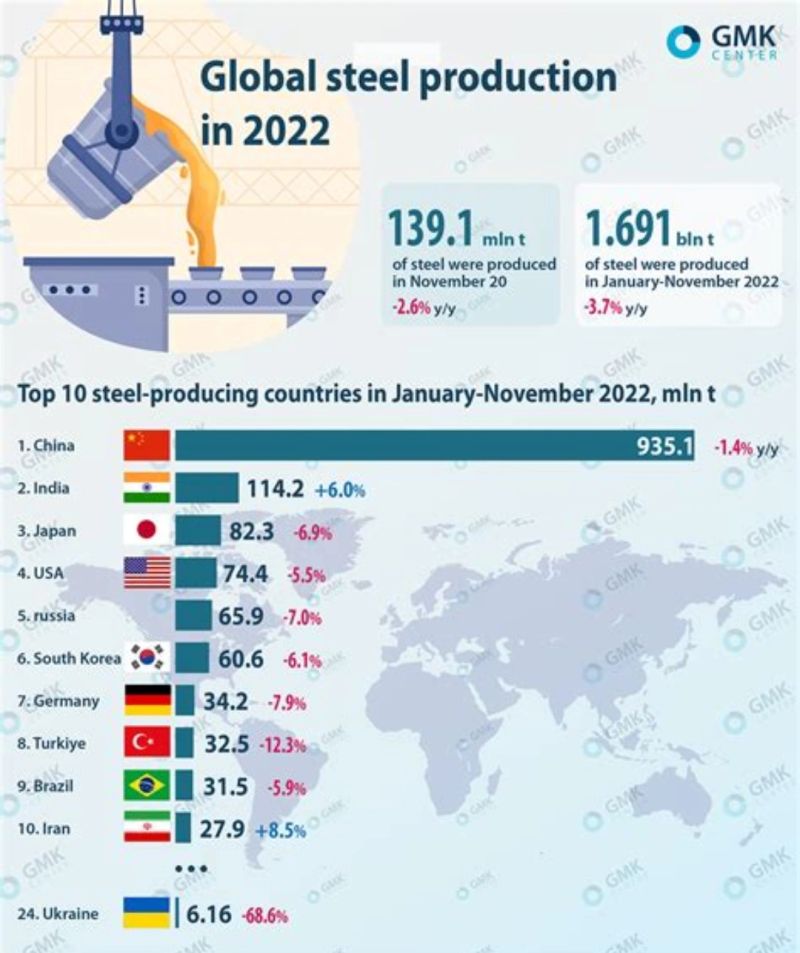
Protecting Local Steel: Malaysia’s Stand Against Unfair Trade Practices
Malaysia’s Strategic Move
Malaysia has taken decisive action to safeguard its domestic steel industry by imposing anti-dumping duties on imports of flat-rolled iron or non-alloy steel from four major exporting nations. Here’s what you need to know:
Key Highlights:
🌏 Targeted Nations:
🇨🇳 China: Duty up to 36.80%
🇮🇳 India: Duty between 2.52% – 36.80%
🇯🇵 Japan: Duty between 2.52% – 36.80%
🇰🇷 South Korea: Duty up to 36.80%
#🛠️ Affected Products:
Flat_rolled iron or non-alloy steel products, >600mm width
#📅 Effective Date:
January 11, 2025, for a 120-day provisional period
#🕒 Final Decision:
Expected by May 10, 2025
#🚨 Why This Matters
#📉 Unfair Trade Practices:
Imports were allegedly priced below production costs in their home countries, causing harm to Malaysian manufacturers.
#🏗️ Protecting Local Industry:
These duties aim to level the playing field and shield local businesses from unfair pricing.
#📊 Key Statistics on Anti-Dumping Measures:
Malaysia has enforced 9 anti-dumping actions between 2015 and 2023.
Currently investigating 4 ongoing cases targeting steel and plastic products.
#🌟 Impact on Trade
#🇨🇳 China: Frequent subject of anti-dumping investigations in Malaysia.
#🇮🇳 India: Faces growing scrutiny for its export practices.
#🇯🇵 Japan: High-quality steel imports challenge local markets.
#🇰🇷 South Korea: A competitive player in Malaysia’s steel sector.
Malaysia’s commitment to fair trade sends a strong message to global exporters. By imposing these duties, the government is safeguarding local industries, ensuring economic stability, and fostering long-term growth.
#💬 What are your thoughts on these measures? Let’s discuss below.

Originally published on LinkedIn on 2025-01-14 11:28:07: https://www.linkedin.com/feed/update/urn%3Ali%3AgroupPost%3A2368335-7284894047507206146

