When Trust Becomes a Governance Question!
A vote can secure a chair. But can it secure credibility?
The unfolding Tata Sons boardroom controversy presents a fascinating paradox. An institution that built generations of credibility on trust now finds itself facing uncomfortable questions about transparency, independence and potential conflicts of interest.
The reported business relationships and voting decisions deserve objective scrutiny, not premature verdicts.
But one argument particularly catches my attention: “Disclosure was not legally required.
Perhaps.
Yet, since when did corporate governance become an exercise in discovering how little one is legally obliged to disclose, rather than how much stakeholders deserve to know?
Compliance is the minimum threshold. Credibility is the standard leadership chooses to uphold.
There is a fundamental distinction between the two.
For boards entrusted with safeguarding iconic institutions, independence cannot merely be a designation printed beside a director’s name. It must be demonstrated when loyalties overlap, interests intersect and decisions become uncomfortable.
And therein lies the corporate irony.
Companies spend billions building brands, millions managing reputations, and occasionally put both at risk over disclosures that would cost a fraction of either.
We measure financial risk, operational risk, market risk and even climate risk. Yet somehow, the risk of eroding institutional trust rarely gets the same rigorous stress test.
Tata’s greatest intangible asset has never been merely its brand. It is the trust behind that brand.
And trust is a peculiar asset.
It takes generations to build, moments to question, and cannot be restored simply by passing a boardroom resolution.
A majority vote can settle a decision. It cannot automatically settle the questions surrounding that decision.
Because ultimately, governance is not about proving that nothing illegal happened. It is about ensuring that nothing essential to trust was overlooked.
And unlike boardroom resolutions, credibility does not come with a proxy vote.
Dr. Anju Sharma
CorporateGovernance BoardIndependence BoardroomInsights KtalystInsights KtalystKlues™
Originally published on LinkedIn on 2026-10-08 08:49:00: https://www.linkedin.com/feed/update/urn%3Ali%3Ashare%3A7513883133524676608
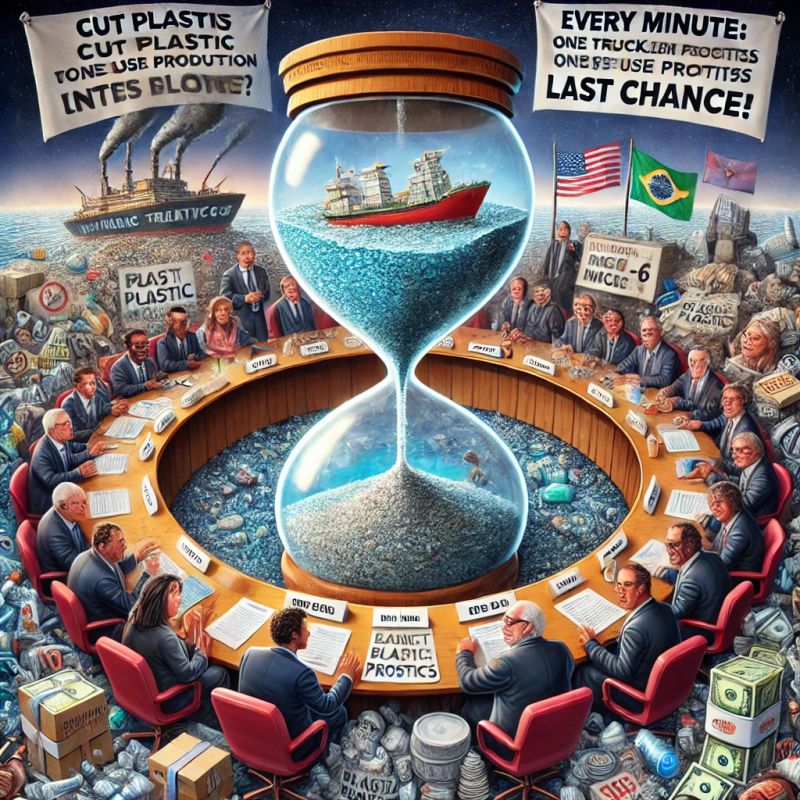
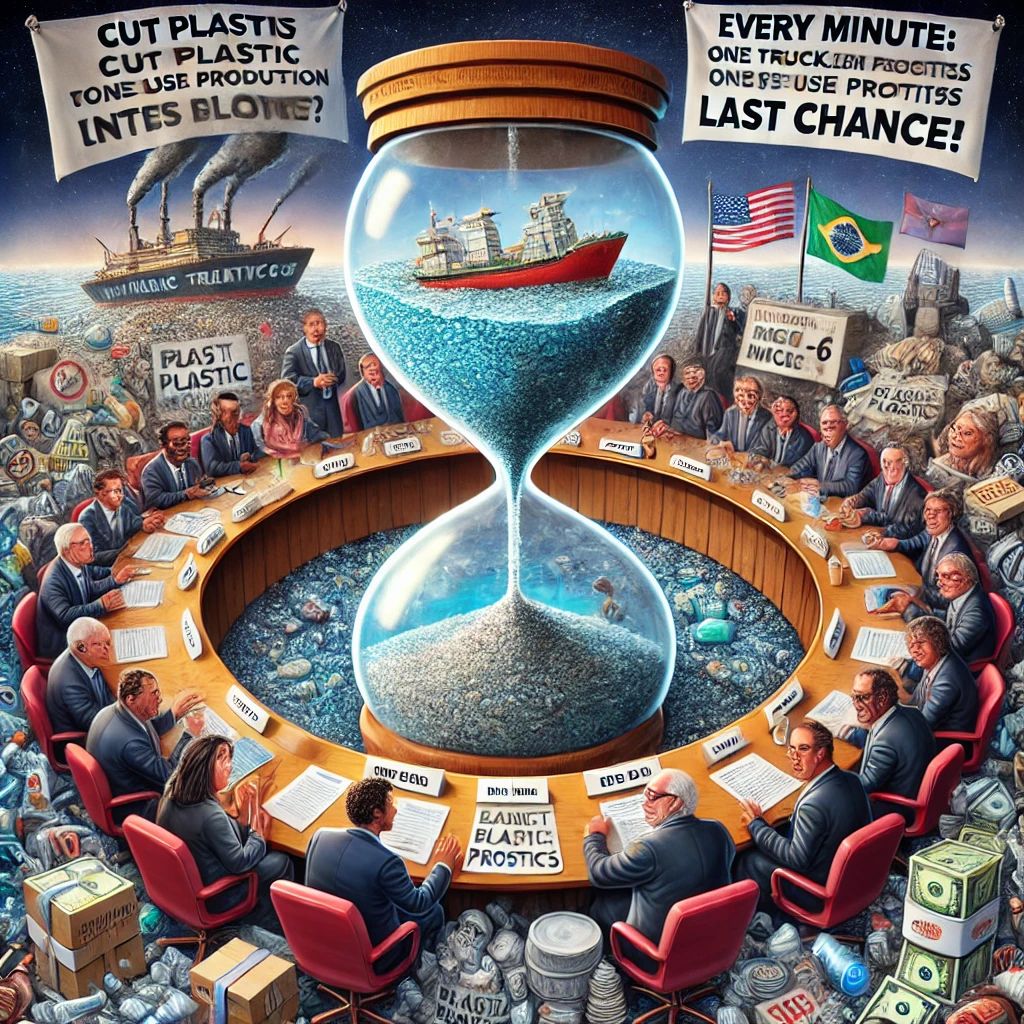
🚨 “Plastic Treaty Deadlock: Is INC-5 Fighting Pollution or Protecting Profits?” ♻️🌍💰
The Intergovernmental Negotiating Committee (INC-5) just wrapped up in Busan, South Korea, aiming to finalize a legally binding treaty on plastic pollution. Instead, the world got another delay. Why? A battle between cutting plastic production and protecting corporate interests.
🔴 1. The Big Divide: Who Wants Action vs. Who Wants Delay?
✅ 85 countries, including the EU and small island nations, pushed for binding plastic production cuts. (Source: UNEP, 2024)
❌ Saudi Arabia, Iran, and Russia led opposition, arguing waste management—not production—is the issue. (Source: The Guardian, 2024)
✅ Plastic waste is projected to triple by 2060 without drastic cuts. (OECD, 2024)
❌ Fossil fuel lobbyists outnumbered environmental groups 3:1 at INC-5, weakening proposals. (Source: WSJ, 2024)
🚨 Reality Check: Plastic production is expected to double by 2040, worsening the crisis. (Source: OECD, 2024)
🟡 2. The Stalemate: Key Proposals vs. Pushback
✅ Caps on virgin plastic production – would target the 450M tons of plastic produced annually. (Source: UNEP, 2024)
✅ Phase-out of toxic chemicals – over 16,000 chemicals are used in plastic, many unregulated. (IPEN, 2024)
✅ Stronger Extended Producer Responsibility (EPR) – shifts waste costs from consumers to corporations.
❌ Plastic production is still expected to grow by 80% by 2050 under current policies. (IEA, 2024)
❌ Half of all plastic ever made has been produced since 2000. (National Geographic, 2024)
🚨 Reality Check: Without cuts, plastic pollution will double in the ocean by 2040. (Source: Pew Charitable Trusts, 2024)
⚠️ 3. The Hard Truth: INC-5 is Running Out of Time
❌ Every minute, the equivalent of a garbage truck of plastic enters the ocean. (WWF, 2024)
❌ Only 9% of all plastic ever made has been recycled. (UNEP, 2024)
❌ Microplastics have been found in 80% of human blood samples tested. (Science Advances, 2024)
🚨 Reality Check: If INC-6 doesn’t enforce production cuts in 2025, this treaty risks becoming another empty climate agreement.
🏆 KeyTakeaway
The INC-5 negotiations ended in deadlock, as plastic-producing nations prioritize profits over pollution cuts. Without stronger global action in INC-6, this treaty could turn into just another greenwashed agreement.
👉 Will the world get a real plastic treaty—or just more delays?
PlasticCrisis NetZero Greenwashing ClimateAction INC5
Originally published on LinkedIn on 2025-02-03 08:51:04: https://www.linkedin.com/feed/update/urn%3Ali%3AgroupPost%3A9270968-7292102277627105281

