NamasteIndia 🚀
Framework_to_Future: India’s CCTS – A Data-Driven Power Play
YR2023–YR2025) 📊
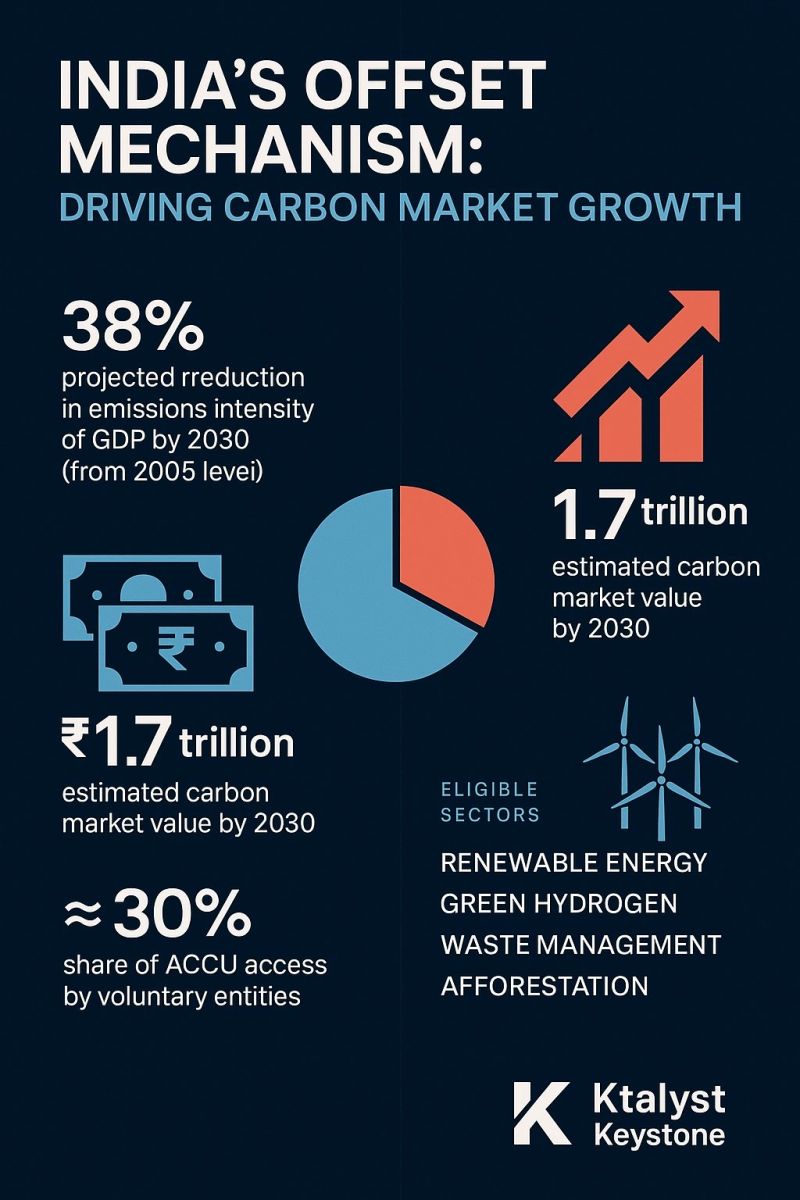
India’s Carbon Credit Trading Scheme (CCTS) has rapidly transformed from a policy blueprint to a dynamic market. Here’s a concise, data-rich overview of its evolution:
YR2023: 🏗️ Foundation Laid
June2023: 📜 Government notifies CCTS, establishing a Compliance Mechanism.
* 🎯 Objective: Reduce GHG intensity in key sectors.
* 🏭 Sectors: Cement, Steel, Aluminium, Refineries, etc.
* ⚖️ Legal: Energy Conservation (Amendment) Act, 2022.
* 🏛️ Regulators: BEE, CERC.
YR2024: 📐 Architecture Built
* Dec2023: 🔄 Offset Mechanism integrated.
* 🌱 Key: Non-obligated entities can develop projects.
* 💳 CCCs: Tradable Carbon Credit Certificates.
* 🌍 Alignment: Paris Agreement’s Article 6.
* ✅ ACVAs: Validation & Verification agencies established.
* 🖥️ ICM: Indian Carbon Market registry conceptualized.
YR2025: 📈 Market Activated
* March2025: 8️⃣ Methodologies approved:
* ⚡ Renewable Energy
* 💧 Green Hydrogen
* 🏭 Industrial Efficiency
* 🗑️ Landfill Methane
* 🌳 Mangrove Afforestation
* 💰 Market Potential: USD 300 billion by 2030.
* 🌐 Global Projection: IETA: USD 1-1.5 trillion by 2050.
* 🤝 Transition: PAT scheme integration; full compliance by mid-2026.
Quote:
India’s carbon market is not just compliance—it’s climate economics in motion.” — Anju Sharma, MD, Ktalyst Keystone.
Future: 🔮 Innovation & Integration
* 💻 Digital Infrastructure: For Carbon Credits.
* 🤝 Global Links: International Carbon Market integration.
* 📊 Scope 3 & MRV: Standards inclusion.
* 💡 Private Sector: Tech & Nature-Based solutions.
Call_to_Action:
Let’s discuss how your organization can leverage India’s evolving carbon market. Connect with me!
Question:
How will CCTS reshape your industry? Share your insights!
Hashtags:
CarbonCredits IndiaCarbonMarket CCTS ClimateAction Sustainability EnergyTransition GreenEconomy EnvironmentalPolicy ParisAgreement ESG CleanEnergy Innovation DataDriven MarketInsights


Originally published on LinkedIn on 2025-04-07 17:18:44: https://www.linkedin.com/feed/update/urn%3Ali%3AugcPost%3A7315060472787955712
KnowledgeSeries: The Regenerative Economy: The Next Evolution of Business 🌍
Sustainability is no longer enough—it only slows down environmental and social damage. The RegenerativeEconomy aims to heal ecosystems, rebuild communities, and create net-positive businesses.
📊 Why Regeneration > Sustainability?
🔹 91% of the world’s resources are still extracted and wasted in a linear economy (Circularity Gap Report 2023).
🔹 Regenerative agriculture can sequester up to 2.5 tons of CO₂ per acre annually, reversing climate change impacts (Rodale Institute).
🔹 Companies investing in regenerative practices see ROI increases of 20-30% due to resource efficiency and long-term resilience (Harvard Business Review).
🏗️ Key Pillars of the Regenerative Economy
🛑 Regenerative Resources: Beyond Sustainability
📉 60% of global biodiversity loss is linked to unsustainable resource extraction (WWF).
🌱 Regenerative models restore ecosystems, ensuring that natural resources replenish faster than they are used.
💡 Example: Microsoft is investing in carbon-negative operations, removing more CO₂ than it emits.
🔄 Regenerative Design & Circularity
📉 Only 8.6% of the global economy is truly circular—the rest still follows a linear “take-make-waste” model (Circularity Gap Report).
🏢 Regenerative design creates products, infrastructure, and materials that actively benefit the environment.
💡 Example: Cradle-to-Cradle Design where materials are continuously reused without waste.
🌾 Regenerative Agriculture & Food Systems
📉 Industrial agriculture is responsible for 25% of global greenhouse gas emissions (FAO).
🌍 Regenerative farming increases soil carbon capture by 40%, boosting biodiversity and reversing soil degradation.
💡 Example: Nestlé & Danone are investing in regenerative supply chains to future-proof food security.
💰 Regenerative Finance & Investment
📉 $3.7 trillion in global assets are now in impact investing, funding regenerative models (GIIN Report 2023).
💡 Investors are shifting from ESG compliance to funding businesses that restore rather than just sustain.
💡 Example: Regenerative finance models fund carbon capture, biodiversity credits, and nature-based solutions.
👥 Regenerative Communities & Equity
📉 Over 3 billion people rely on degraded ecosystems for their livelihoods (UNEP).
🔄 Regenerative economies empower local communities, respect Indigenous knowledge, and ensure fair wealth distribution.
💡 Example: Community-led climate resilience projects in the Amazon Rainforest and rural India.
⚡ FinalThought
The RegenerativeEconomy is not just a sustainability trend—it’s the future of business. Companies that regenerate ecosystems, create climate-positive models, and restore resources will lead the next wave of economic success.
💬 What’s your take? Is regeneration the future of business? ⬇️

Originally published on LinkedIn on 2025-03-09 04:30:09: https://www.linkedin.com/feed/update/urn%3Ali%3Ashare%3A7304357801869377536
TheCircularEconomyBoom
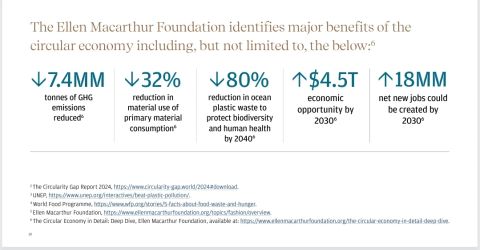
📊 Market Growth: $339B → $712B (2030)
🛍 Key Sectors: ♻️ Recycling | 📦 Packaging | ⚡ Waste-to-Energy | 👕 Textile Circularity
💰 Big Investors: BlackRock | Goldman Sachs | Breakthrough Energy
Circular Economy vs. Traditional Returns
📈 ROI (5-year average):
🟢 Circular Economy: 8-12% CAGR
🔴 Traditional Markets: 5-7% CAGR
⚡ Waste-to-Energy IRR: 10-15% (Beats traditional waste management)
🛍 Consumer Trend: 73% willing to pay more for sustainability
VC & PrivateEquity Betting Big
🌎 Global Funding: $75B+ in Circular Startups
💰 Top-Funded Startups:
🔋 Northvolt – Battery Recycling
♻️ Loop Industries – Plastic Circularity
📦 Zume – Biodegradable Packaging
🚀 Major Investors: Sequoia | KKR | TPG Rise
Policy Tailwinds Driving Investments
📜 Global Incentives:
🇪🇺 EU Green Deal: €1T Sustainability Fund
🇺🇸 IRA: $370B in Climate Incentives
🇨🇳 China 5-Year Plan: $460B Circular Infra
📊 Policy-Driven Sectors: ⚡ EV Battery Recycling | 🔄 Industrial Waste Upcycling | 🌍 Carbon Markets
Circular Business Models Winning Capital
📊 High-Growth Revenue Models:
🔄 Product-as-a-Service (PaaS): 15-20% YoY
♻️ Recommerce & Reverse Logistics: 12-18% YoY
🌱 Upcycling & Material Innovation: 10-15% YoY
📌 Investment Hotspots:
🔹 Asia-Pacific – Fastest-Growing 🌏
🔹 Europe – Corporate Circular Leaders 🇪🇺
🔹 North America – VC & PE Capital Hub 💰
Impact Metrics Investors Track
📊 Data-Driven KPIs:
♻️ Material Recovery Rate – % Waste Reused
💰 Resource Productivity – GDP/kg Material
🌍 CO₂ Reduction Impact – Carbon Saved/$
📈 RoSI – Return on Sustainability Investment
🚀 Tech Game-Changers: AI & Blockchain in Circular Supply Chains
Future of Circular Investing (2025-2030)
🔮 Market Outlook:
📊 $4.5T+ Circular Economy by 2030
📈 VC/PE Capital to 3x by 2028
🔥 Fastest-Growing Sectors:
🏗 Circular Construction 💰 $500B+
⚡ Green Hydrogen 💰 $600B+
🧠 AI-Driven Waste Mgmt 💰 $100B+
🌍 InvestForImpact – High returns meet sustainability. 💰♻️
💬 Which sector interests you most? Drop a comment!
CircularEconomy ImpactInvesting SustainableFinance ClimateInvestment
Originally published on LinkedIn on 2025-03-05 14:01:17: https://www.linkedin.com/feed/update/urn%3Ali%3Ashare%3A7303051986592014336
🚨 India’s EVRegulations 2025: What’s New & What It Means for the Industry? ⚡🚗
With EV sales in India growing 49% YoY, new regulatory shifts are shaping the future of the sector. The latest policies focus on local manufacturing, safety standards, & market expansion while setting new rules for charging infrastructure & import incentives. Here’s what’s changing:
📊 Key EV Policy Updates & Their Impact
🔹 Investment Caps on Charging Infrastructure
📌 The Indian Government now limits EV manufacturers to count only 5% of their total investment in charging networks toward the #$500M minimum investment required for lower import tariffs.
📌 Why It Matters? This ensures priority to local EV production, reducing reliance on imports. (Source)
🔹 Tesla’s Entry & Market Implications
📌 Tesla is setting up showrooms in Mumbai & New Delhi and exploring local production. However, high import duties (up to 100%) could push Tesla’s pricing into the luxury segment, making affordability a challenge.
📌 EV Market Reality: The average car price in India is #$10,000-$15,000, while a Tesla Model 3 would cost over #$50,000 without local assembly. (Source)
🔹 Stricter Safety & Battery Standards
📌 BIS (Bureau of Indian Standards) introduces new EV safety rules, requiring all EVs to meet upgraded performance & fire safety benchmarks.
📌 Battery Regulation: EV battery makers must obtain AIS 156 certification from ARAI (Automotive Research Association of India) to ensure safety compliance.
📌 Why It Matters? India aims to reduce EV fire risks, ensuring consumer safety and boosting market confidence. (Source)
🔹 Union Budget 2024-25: EV Industry Boost
📌 Customs duty exemptions on 25 critical minerals used in EV battery production will lower manufacturing costs.
📌 PLI (Production-Linked Incentive) expansion aims to reduce import dependency & boost domestic production.
📌 FAME III (Faster Adoption & Manufacturing of Electric Vehicles) is expected to focus on charging infrastructure expansion. (Source)
⚡ The Takeaway: What’s Next for India’s EV Industry?
🚀 EV penetration in India is at 2% but projected to hit 30% by 2030.
🚀 Government policies favor local EV manufacturing over imports.
🚀 Safety & compliance measures will shape consumer trust & adoption.
📢 Will these new regulations accelerate India’s EV transition or slow global players like Tesla? Let’s discuss! 👇
Source / shared link: https://m.economictimes.com/industry/renewables/govt-set-to-notify-new-ev-policy-with-new-investment-rules-as-tesla-prepares-for-india-entry/articleshow/118415610.cms
Originally published on LinkedIn on 2025-02-27 06:19:45: https://www.linkedin.com/feed/update/urn%3Ali%3AgroupPost%3A82093-7300761508139974656
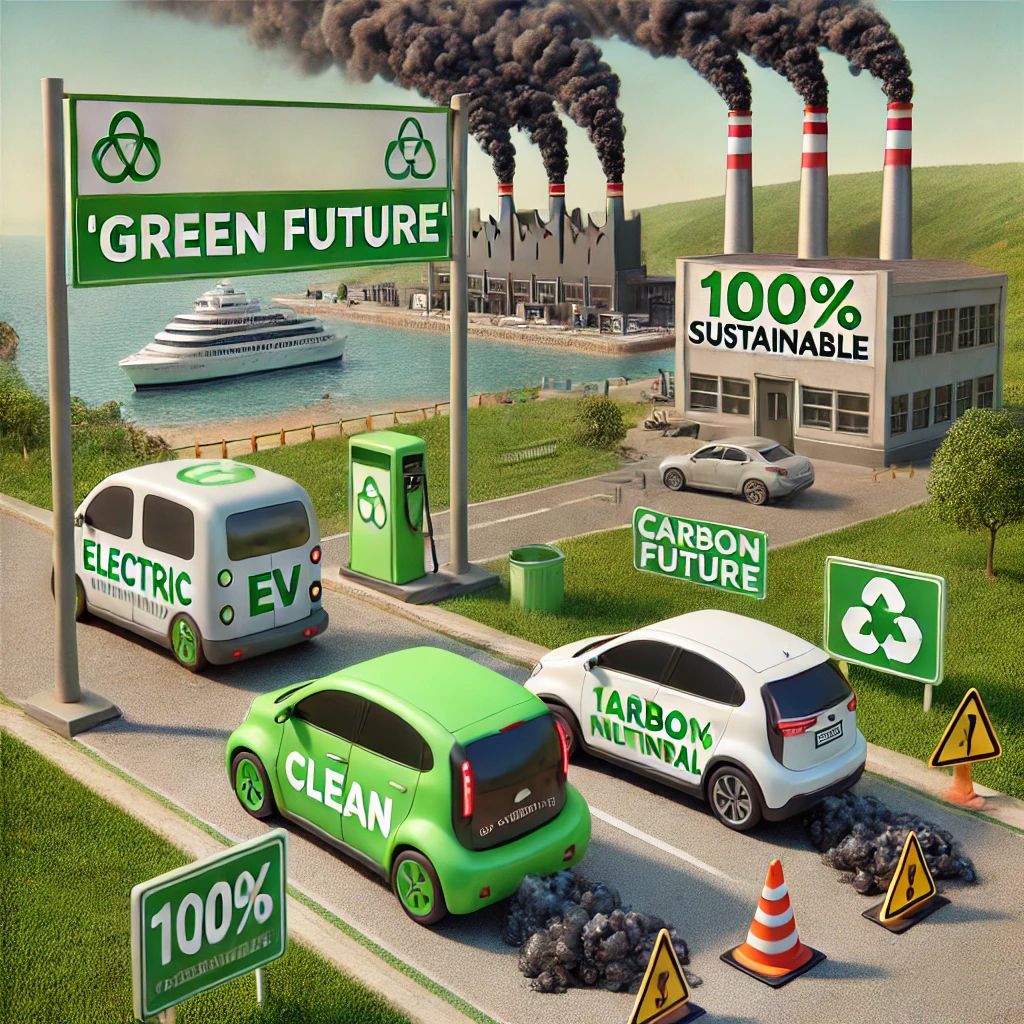
🚗⚡ YR2035’s Green_Auto_Mirage: Are EVs, Hydrogen Fuel Cells, and Synthetic Fuels Truly Sustainable or Just Greenwashing? 🌍💨
As we race toward 2035’s petrol-diesel ban, automakers push EVs, HFCVs, and SyntheticFuels as the future. But are these real solutions or clever marketing?
🔋 EVs: Cleaner or Just Elsewhere Emissions?
📌 Battery Production: An 80 kWh battery emits 2.4 – 16 metric tons of CO₂—equal to driving a gasoline car for 5-7 years. (MIT, 2024)
📌 Resource Impact: Each EV battery needs 63kg lithium, cobalt, & nickel, causing deforestation & water pollution. (GreenCars, 2024)
📌 Power Grid Dependence: An EV running on coal-based electricity emits more CO₂ per mile than hybrids. (EPA, 2024)
📌 Reality Check: EVs help only if powered by clean energy.
💧 Hydrogen: Clean Hype or Fossil Fuel Disguise?
📌 Production Problem: 96% of global hydrogen is made from natural gas & coal, emitting 830M metric tons of CO₂. (IEA, 2024)
📌 Efficiency Loss: HFCVs require 3x more renewable electricity than EVs. (US DOE, 2024)
📌 Reality Check: Unless made from renewables, hydrogen is just another fossil fuel.
⛽ Synthetic Fuels: Carbon-Neutral or Clever Greenwashing?
📌 Energy Guzzler: Producing 1L of synthetic fuel takes 6x more energy than refining petrol. (Fraunhofer, 2024)
📌 Still Polluting: Burns CO₂ and emits more NOx than conventional fuels. (MDPI, 2024)
📌 Reality Check: Synthetic fuels aren’t zero-emission—they just relocate pollution.
🚨 Greenwashing in the Auto Industry
🔻 BMW, Toyota, Honda exaggerated EV carbon savings by omitting battery emissions. (Greenpeace, 2024)
🔻 Porsche’s synthetic fuel plant claims zero emissions but runs on coal-powered electricity. (The Guardian, 2024)
🔻 India & U.S. promised 1M EV chargers by 2025, yet less than 20% installed. (BloombergNEF, 2024)
📌 Reality Check: Many automakers sell ‘green’ promises, but not real sustainability.
🏆 Key Takeaway: Hype or Hope?
🚘 EVs, HFCVs, & Synthetic Fuels could be clean if the supply chain is green.
♻️ They should be backed by strict sustainability policies.
⚠️ But they would be just another greenwashing scandal if industries don’t walk the talk.
👉 Are we truly heading toward sustainable mobility, or just another green illusion? 👇
Originally published on LinkedIn on 2025-02-18 11:22:14: https://www.linkedin.com/feed/update/urn%3Ali%3AgroupPost%3A82093-7297576141614190592
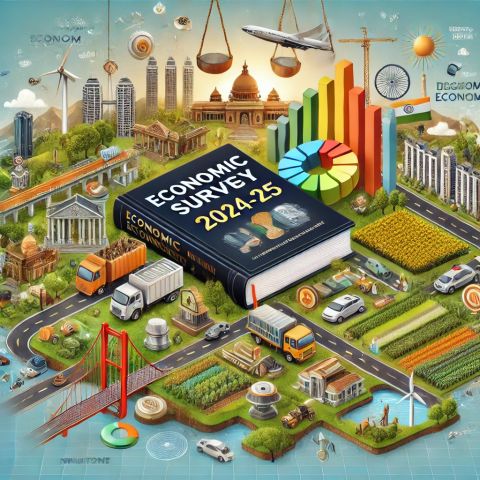
📊 India_Economic_Survey_2024-25: Growth, Resilience & Future Focus 🇮🇳📈
India’s economy is defying global uncertainties, powered by investment, reforms, and innovation. Here’s a concise breakdown of the key takeaways.
🌏 Economic Strength & Fiscal Health
✅ Growth remains strong, driven by domestic investment.
✅ Inflation moderate, but food prices remain volatile.
✅ Capital spending up, ensuring long-term stability.
🏆 Key Shift: India prioritizes investment over short-term spending.
💰 Banking & Financial Sector
✅ Low NPAs & strong credit growth signal a healthy banking sector.
✅ Global interest rate risks monitored to ensure market stability.
🏆 Key Shift: A robust financial system supports economic momentum.
🌐 Trade & External Sector
✅ FDI remains a focus, with business reforms easing entry.
✅ Export challenges persist, due to global trade tensions.
✅ Reducing import dependency on China to boost self-reliance.
🏆 Key Shift: Reshaping trade policies to adapt to global disruptions.
🏗️ Infrastructure & Industry
✅ Post-election boost to infrastructure—transport, digital, energy.
✅ MSMEs get policy push, enhancing industrial output.
🏆 Key Shift: Building for the future with targeted investments.
🌱 Climate & Sustainability
✅ Energy transition & green investments expanding.
✅ Air pollution & emissions remain critical issues.
🏆 Key Shift: Sustainability is now a policy priority, not an afterthought.
🚀 Employment, AI & Future of Work
✅ Upskilling & gig economy shaping future jobs.
✅ AI disruption expected, but workforce adaptation in progress.
🏆 Key Shift: Balancing tech advancement with job security.
📈 Vision 2047: India’s Long-Term Economic Strategy
✅ Deregulation & ease of doing business accelerating growth.
✅ Viksit Bharat 2047 aims to make India a developed economy.
🏆 Key Shift: From short-term fixes to long-term economic transformation.
🏆 KeyTakeaway
India’s Economic Survey 2024-25 highlights resilience, investment-driven growth, and policy innovation. The focus is on long-term stability, sustainability, and self-reliance.
👉 Is India ready for its next economic leap?
EconomicSurvey IndiaGrowth Infrastructure GreenEconomy DigitalIndia ViksitBharat2047
Originally published on LinkedIn on 2025-01-31 19:21:29: https://www.linkedin.com/feed/update/urn%3Ali%3Ashare%3A7291173766041059329
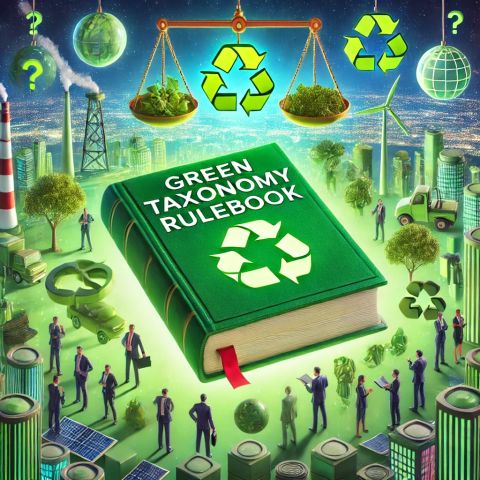
🌍 Green_Taxonomy: The Billion_Dollar_Climate_Rulebook” 📖💰♻️
Governments & investors are pumping trillions into ‘green projects’, but how do we know what’s actually sustainable and what’s greenwashing? That’s where Green Taxonomy comes in—a global rulebook defining what’s truly green.
Let’s break it down data-first.
📖 1. What is Green_Taxonomy?
✅ A classification system that defines which economic activities are truly ‘green.
✅ Prevents greenwashing by ensuring companies & funds don’t falsely claim sustainability.
✅ Guides investors & governments toward legitimate climate-friendly projects.
🚨 Why It Matters? Over $1.5 trillion in ESG investments may be at risk due to misleading green claims. (Bloomberg, 2024)
🏆 Key Impact: Governments use Green Taxonomy to shape climate policies, carbon markets, and financial incentives.
🌎 2. Global Green Taxonomies: Who’s Leading?
✅ 🇪🇺 EU Taxonomy: Strictest framework, defining what counts as green. (Source: EU Commission, 2024)
✅ 🇨🇳 China’s Green Bonds Catalog: Focuses on renewable energy & pollution control. (PBOC, 2024)
✅ 🇮🇳 India’s Green Taxonomy: Aligned with Sustainable Finance Guidelines. (RBI, 2024)
✅ 🇺🇸 US SEC ESG Rules: Weaker than EU’s, but cracking down on greenwashing. (SEC, 2024)
🚨 The Problem? Each country defines ‘green’ differently, creating market confusion for investors.
🏆 What’s Needed? A globally harmonized green taxonomy to ensure credibility & consistency.
💰 3. How Green Taxonomy Affects Business & Investments
✅ Corporations Must Report Sustainability Metrics or risk losing ESG funding.
✅ Green Bonds & Climate Finance—Only certified green projects qualify for funding.
✅ High-Carbon Industries (Oil, Gas, Cement) face stricter compliance & reporting rules.
🚨 Reality Check: #$4.2 trillion in green bonds were issued in 2023—but without strong taxonomy rules, many may not be truly ‘green.’ (Climate Bonds Initiative, 2024)
🏆 Who Wins? Companies investing in real sustainability, not just optics.
⚖️ 4. The Green Taxonomy Controversies
🔴 Is Nuclear Energy Green? 🇪🇺 The EU says YES. Critics say radioactive waste isn’t sustainable.
🔴 Is Natural Gas Green? 🇪🇺 Labeled it ‘transitional green’, sparking backlash from climate groups.
🔴 Are Carbon Offsets Valid? Many taxonomies exclude carbon credits due to verification concerns.
🚨 The Challenge? Balancing economic growth & real sustainability without greenwashing.
🏆 KeyTakeaway
The Green Taxonomy is reshaping global finance & sustainability rules. Countries that set clear standards will attract more green investments, while loopholes & weak regulations risk fueling greenwashing.
👉 Will Green Taxonomy stop greenwashing or just create more loopholes?
GreenFinance Sustainability ESG CarbonMarkets NetZero ClimateAction

Originally published on LinkedIn on 2025-01-31 08:57:08: https://www.linkedin.com/feed/update/urn%3Ali%3AgroupPost%3A100646-7291016643428704256
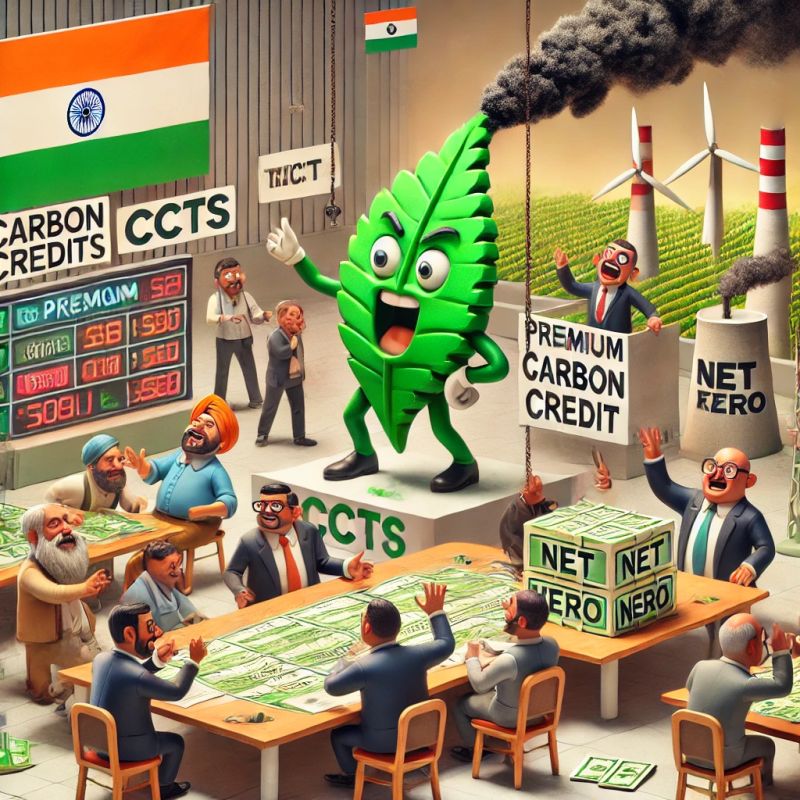
NamasteGreenIndia’s Carbon Market: A Game Changer or Just Another Framework?” 🇮🇳💨
India is making big moves in the carbon credit space with the Indian Carbon Market (ICM), but is it ready to deliver real impact? Here’s a data-driven breakdown of the Carbon_Credit_Trading_Scheme (CCTS) and what’s next.
🔍 What is the Indian Carbon Market (ICM)?
✅ Launched in June 2023 to enable carbon credit trading & cut emissions. (Source: Govt. of India, 2023)
✅ Aims to align with India’s Nationally Determined Contributions (NDCs) under the Paris Agreement.
✅ Regulated under the Carbon Credit Trading Scheme (CCTS), officially notified in June 2023 & amended in December 2023.
🏆 Why It Matters: India is one of the world’s top 3 carbon emitters, and this framework could reshape industries while driving carbon reductions.
📊 Current Status of CCTS
🛠 10 key sectors approved under the Offset Mechanism. (Source: Bureau of Energy Efficiency, 2024)
🚀 Phase 1 covers 6 sectors, with 12 methodologies developed for implementation. (BEE, Sept 2024)
🚨 Challenges:
Pricing clarity & credit validation remain uncertain.
Will industries truly cut emissions, or just buy offsets?
⚡ What’s Next for India’s Carbon Market?
📈 Expansion to more sectors, increasing carbon credit liquidity.
🌱 Stronger enforcement needed to prevent greenwashing.
🌍 Alignment with global carbon markets for international trading opportunities.
🏆 Final Verdict: High potential but execution will decide success.
KeyTakeaway
India’s Carbon Credit Trading Scheme (CCTS) could be a major climate tool, but real impact depends on strong enforcement & pricing mechanisms.
👉 Will India’s carbon market drive real change, or just be another framework?
IndiaCarbonMarket Sustainability ClimateAction NetZero CarbonCredits ESG
Originally published on LinkedIn on 2025-01-30 10:52:26: https://www.linkedin.com/feed/update/urn%3Ali%3Ashare%3A7290683269031907328
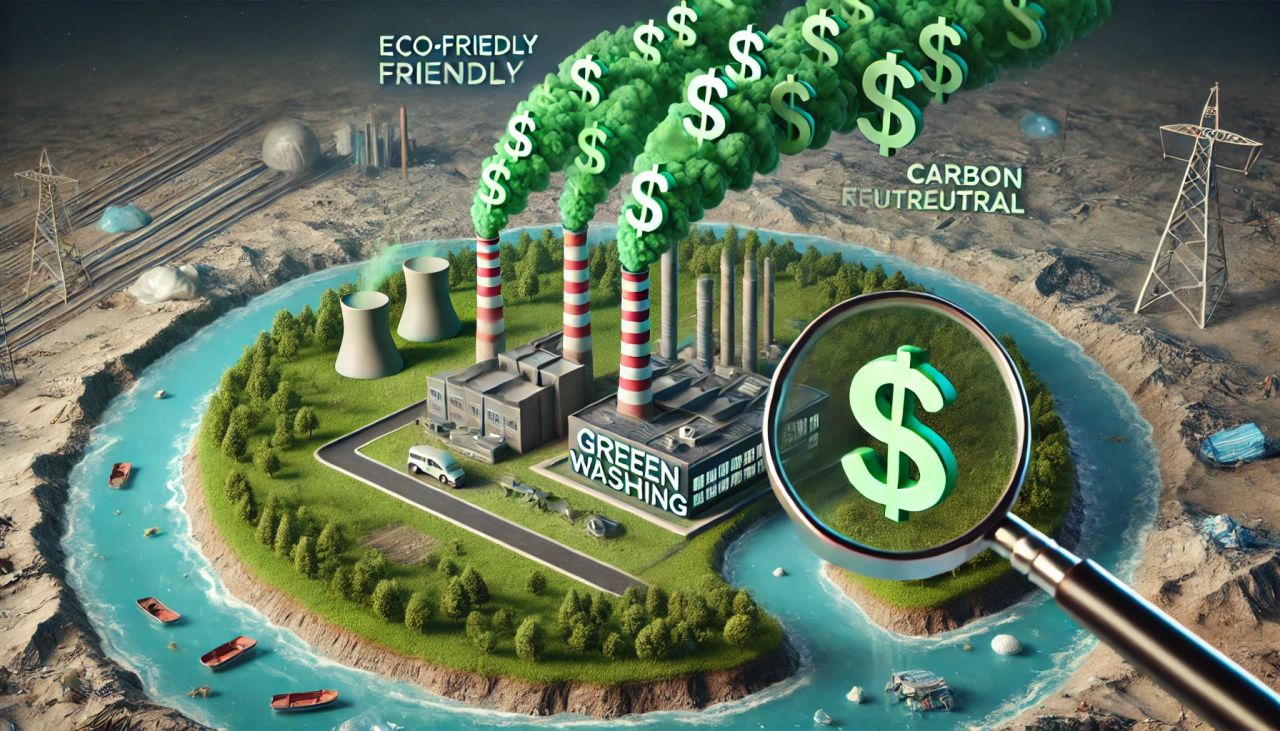
Exposing the Numbers: Top10 Greenwashing Scandals That Misled Millions
As sustainability becomes a priority, some corporations have capitalized on it with Greenwashing—making false or exaggerated environmental claims. Here’s a statistics-driven expose of the top 10 cases that misled consumers on a massive scale:
🌍 1. Volkswagen’s “Dieselgate” Scandal
Fines: Over $30 billion globally
Vehicles Impacted: 11 million with emissions-cheating software
Carbon Deception: Real emissions were up to 40x higher than reported.
🌿 2. Procter&Gamble’s Charmin Toilet Paper
Forests Logged: Over 1 million hectares annually in Canada’s boreal region
Carbon Release: Logging contributes to over 26% of global forest-related emissions annually.
♻️ 3. Keurig’s Recyclable K-Cups
Consumers Misled: 7.5 million households in Canada
Recycling Reality: Only 30% of cities accepted the pods, making claims infeasible.
⛽ 4. Shell’s Carbon Neutral Fuel Claims
Carbon Offsets: Over 80% deemed ineffective
Advertising Reach: Misleading campaigns impacted 40 million Europeans.
✈️ 5. Delta’s Carbon Neutral Airline Claim
Investment in Offsets: $1 billion
Global Aviation Emissions: Aviation accounts for 2.1% of global CO2 emissions annually.
👟 6. Allbirds’ Sustainability Metrics
Wool Production Footprint: Emits 50% more CO2 than advertised
Consumer Reach: Misled 2.5 million buyers annually with incomplete data.
💸 7. Mercer Superannuation’s “Eco-Investments
Fined: $11.3 million in 2024
Green Fund Reality: Included companies linked to fossil fuels—contradicting eco-claims.
🍾 8. CocaCola’s Plastic Recycling Initiatives
Plastic Production: Over 3 million tonnes annually, the largest globally
Recycling Reality: Less than 10% of plastic waste is effectively recycled.
👗 9. H&M’s Conscious Collection
Collection Size: 250+ products marketed as sustainable
False Claims: Over 96% of materials were found to have minimal environmental benefit.
⛽ 10. Applegreen’s Carbon Neutral Fuel
Customer Deception: Affected 1.8 million buyers in the UK and Ireland
Offset Schemes: Criticized for taking up to 50 years to achieve results.
💡 Key Takeaways:
💰 Cost of Greenwashing Fines (Last 5 Years): Over #$45 billion globally
👥 Consumers Impacted: Over 500 million annually exposed to false eco-claims
These cases prove the importance of transparency, regulation, and consumerawareness. Let’s demand RealSustainability, not just empty promises.
SustainabilityMatters ESG CorporateAccountability StayInformed
Originally published on LinkedIn on 2025-01-23 13:37:00: https://www.linkedin.com/feed/update/urn%3Ali%3AgroupPost%3A82951-7288187970291920897
🚨 CorporateGovernance The Lodha Brothers’ Brand Dispute: A Case of Legacy, Law, and Leadership
🔍 Overview
The high-profile legal battle between Abhishek Lodha (Macrotech Developers Ltd.) and Abhinandan Lodha (House of Abhinandan Lodha) over the “Lodha” brand is more than a family feud—it’s a masterclass in governance, brand strategy, and crisis management.
With over ₹1,700 crore invested in marketing and ₹91,000 crore in revenues attributed to the “Lodha” brand (FY14–FY24), the stakes are sky-high. At the heart of the dispute lies a YR2017 family settlement and differing interpretations of rights to the iconic name.
⚡ Why It Matters
Brand Equity: A four-decade legacy risks dilution.
Reputation: Public disputes among business leaders erode stakeholder confidence.
Financial Impact: Rebranding, legal costs, and operational distractions loom large.
📈 Key Lessons
1️⃣ Brand Governance: Clear ownership rights and robust agreements are non-negotiable.
2️⃣ Conflict Resolution: Mediation, not litigation, protects legacy and relationships.
3️⃣ Crisis Communication: Transparent messaging is essential to maintain trust.
4️⃣ Future-Proof Agreements: Regular reviews of family/business settlements can prevent ambiguity.
🎯 What’s Next?
The Bombay High Court will hear the case on January 21, 2025. The decision could reshape how family businesses approach brand governance and conflict management.
💡 Takeaway
For leaders and boards, this dispute serves as a wake-up call: protecting legacy requires more than just great business acumen—it demands foresight, clarity, and a proactive approach to governance.
What’s your perspective on managing brand rights in family businesses? Share your thoughts below!
https://lnkd.in/diXWty7C
Originally published on LinkedIn on 2025-01-21 13:13:50: https://www.linkedin.com/feed/update/urn%3Ali%3AgroupPost%3A2153908-7287457364532695040

