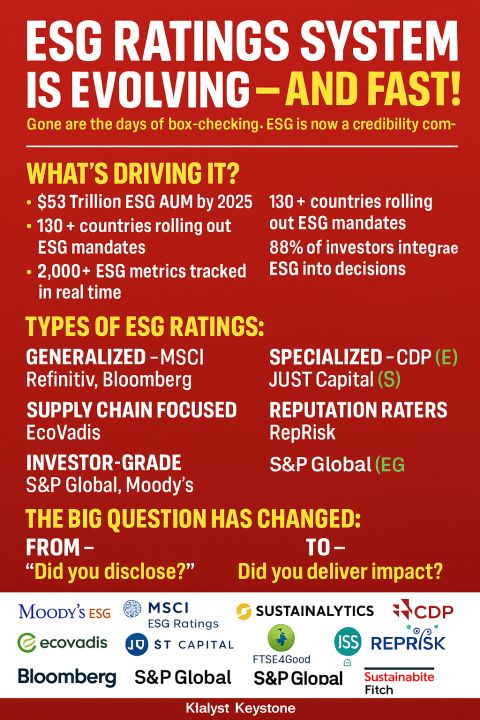
Global ESG Market Size
→ $38 Trillion AUM (Assets Under Management), 2022
→ Expected to hit $53 Trillion by 2025 (Bloomberg)
Investor Trends
→ 88% of institutional investors integrate ESG
→ 75% say poor ESG ratings increase investment risk
Regulatory Wave
→ 130+ countries implementing ESG frameworks
→ EU’s CSRD impacts 50,000+ companies by 2026
Consumer & Talent Shift
→ 73% of millennials consider ESG before purchases
→ 65% prefer employers with strong ESG performance
Data Surge
→ 2,000+ ESG metrics tracked by leading raters
→ Real-time monitoring via AI & IoT on the rise
TopDrivers
Investor Demand
Regulatory Compliance
Risk Management
Reputation
Green Finance

Originally published on LinkedIn on 2025-04-01 20:53:30: https://www.linkedin.com/feed/update/urn%3Ali%3Ashare%3A7312940194670829568
KnowledgeSeries: The Regenerative Economy: The Next Evolution of Business 🌍
Sustainability is no longer enough—it only slows down environmental and social damage. The RegenerativeEconomy aims to heal ecosystems, rebuild communities, and create net-positive businesses.
📊 Why Regeneration > Sustainability?
🔹 91% of the world’s resources are still extracted and wasted in a linear economy (Circularity Gap Report 2023).
🔹 Regenerative agriculture can sequester up to 2.5 tons of CO₂ per acre annually, reversing climate change impacts (Rodale Institute).
🔹 Companies investing in regenerative practices see ROI increases of 20-30% due to resource efficiency and long-term resilience (Harvard Business Review).
🏗️ Key Pillars of the Regenerative Economy
🛑 Regenerative Resources: Beyond Sustainability
📉 60% of global biodiversity loss is linked to unsustainable resource extraction (WWF).
🌱 Regenerative models restore ecosystems, ensuring that natural resources replenish faster than they are used.
💡 Example: Microsoft is investing in carbon-negative operations, removing more CO₂ than it emits.
🔄 Regenerative Design & Circularity
📉 Only 8.6% of the global economy is truly circular—the rest still follows a linear “take-make-waste” model (Circularity Gap Report).
🏢 Regenerative design creates products, infrastructure, and materials that actively benefit the environment.
💡 Example: Cradle-to-Cradle Design where materials are continuously reused without waste.
🌾 Regenerative Agriculture & Food Systems
📉 Industrial agriculture is responsible for 25% of global greenhouse gas emissions (FAO).
🌍 Regenerative farming increases soil carbon capture by 40%, boosting biodiversity and reversing soil degradation.
💡 Example: Nestlé & Danone are investing in regenerative supply chains to future-proof food security.
💰 Regenerative Finance & Investment
📉 $3.7 trillion in global assets are now in impact investing, funding regenerative models (GIIN Report 2023).
💡 Investors are shifting from ESG compliance to funding businesses that restore rather than just sustain.
💡 Example: Regenerative finance models fund carbon capture, biodiversity credits, and nature-based solutions.
👥 Regenerative Communities & Equity
📉 Over 3 billion people rely on degraded ecosystems for their livelihoods (UNEP).
🔄 Regenerative economies empower local communities, respect Indigenous knowledge, and ensure fair wealth distribution.
💡 Example: Community-led climate resilience projects in the Amazon Rainforest and rural India.
⚡ FinalThought
The RegenerativeEconomy is not just a sustainability trend—it’s the future of business. Companies that regenerate ecosystems, create climate-positive models, and restore resources will lead the next wave of economic success.
💬 What’s your take? Is regeneration the future of business? ⬇️

Originally published on LinkedIn on 2025-03-09 04:30:09: https://www.linkedin.com/feed/update/urn%3Ali%3Ashare%3A7304357801869377536
🚨 Moody’s Shakes_Up_Credit_Ratings: The Green_Penalty & Reward_Effect!♻
With #$1.6T+ in ESG-linked financing, Moody’s is redefining creditworthiness, rewarding sustainability leaders & penalizing ESG laggards. 📉🚀 Companies failing on climate, social, & governance metrics are seeing their ratings cut—raising borrowing costs & investor risks.
📊 Companies Hit by Moody’s ESG_Based_Credit_Rating Adjustments
🟥 Nissan Motors – Downgraded 🚨
📌 Moody’s cut Nissan to junk due to weak sustainability integration & financial instability. (Source)
🟥 PG&E – Downgraded 🚨
📌 #$30B in wildfire liabilities led Moody’s to downgrade PG&E, linking climate risk to creditworthiness.
🟩 Royal Philips – Upgraded 🚀
📌 Green loan secured with ESG-linked interest rates, rewarding sustainability progress.
🟥 Thames Water – Downgraded 🚨
📌 Environmental violations & debt risks slashed its credit rating, as S&P flagged financial instability.
🟩 Casino Guichard-Perrachon – Upgraded 🚀
📌 Secured sustainability-linked loans, reducing interest rates based on ESG performance.
🟥 Enbridge – Downgraded 🚨
📌 Despite green loans, Moody’s questioned its carbon-heavy projects, impacting its rating.
🟩 Unibail-Rodamco-Westfield – Upgraded 🚀
📌 Green finance unlocked better credit conditions via ESG-tied loans.
🟥 Avangrid Gas Subsidiaries – Downgraded 🚨
📌 Regulatory ESG concerns lowered its credit ratings, citing fossil fuel dependency.
🟩 Drax Group – Under Review 🔍
📌 Sustainability-linked loans triggered scrutiny over carbon intensity goals.
🟥 Southern Water – Downgraded 🚨
📌 Environmental fines & governance risks led Moody’s to cut its credit rating.
🔥 The Takeaway: Moody’s Is Now Pricing in Sustainability Risks
🟢 17% of Moody’s rated firms see ESG risks impact their credit scores.
🟢 Companies with poor sustainability scores pay up to 15% higher borrowing costs.
🟢 Sustainability-linked finance = Lower interest rates & stronger credit ratings.
📢 Is this the wake-up call for businesses ignoring ESG? Let’s discuss below! 👇

Originally published on LinkedIn on 2025-02-27 12:45:56: https://www.linkedin.com/feed/update/urn%3Ali%3AgroupPost%3A82951-7300858693879799809
🚀 Sustainability in 2025: Who’s Leading, Who’s Lagging & What’s Changing? 🌍📉⚡
If sustainability were a race, some are sprinting, some are jogging, and others are still tying their shoes.
In 2025, sustainability is no longer just about ESGCompliance—it’s about survival. But as regulations shift, businesses hesitate, and grassroots efforts grow stronger, the question remains: Who is truly walking the talk?
📊 1. Europe is Tightening Rules—But Not for Everyone 🇪🇺
🔹 EU’s Corporate Sustainability Reporting Directive (CSRD) is evolving—planning to raise the reporting threshold from 250 employees & €40M turnover to 1,000 employees & €450M.
🔹 Impact? This will exempt thousands of smaller companies while still holding big corporations accountable.
🔹 RealityCheck: Is this a win for business flexibility or a loophole for greenwashing?
📌 Source: Reuters
📊 2. CEOs Know Sustainability = Profit, But Are They Acting? 📈
🔹 PwC’s 2025 CEO Survey: 🌱 29% of Irish CEOs skipped climate investments last year due to regulatory confusion—yet companies that link sustainability to executive compensation see higher revenues.
🔹 The Dilemma: CEOs acknowledge climate risks but struggle with unclear policies.
🔹 RealityCheck: Are companies stalling progress just because it’s complicated?
📌 Source: The Times
📊 3. Grassroots Action is Filling the Gaps 🌱🏡
🔹 Local Sustainability Wins: In Iowa City, a retirement community has diverted thousands of pounds of food waste from landfills—something that big corporations fail to do at scale.
🔹 The Takeaway: Real impact isn’t just about billion-dollar pledges—it’s about execution, big or small.
📌 Source: The Gazette
🏆 KeyTakeaway: The Sustainability Race in 2025
✅ Regulators could be making reporting easier, but risks of weaker accountability loom.
✅ CEOs should be making sustainability a financial strategy, not just PR.
✅ Communities are proving that action matters more than announcements.
💬 What’s your take? Are we moving forward fast enough, or just shifting responsibilities? Drop your thoughts below! 👇
Sustainability ESG ClimateAction GreenBusiness CorporateResponsibility CircularEconomy
https://lnkd.in/d-EBgCzk
Source / shared link: https://www.reuters.com/sustainability/eu-pare-back-sustainability-rules-companies-draft-shows-2025-02-22/
Originally published on LinkedIn on 2025-02-23 03:52:40: https://www.linkedin.com/feed/update/urn%3Ali%3Ashare%3A7299274941965721601
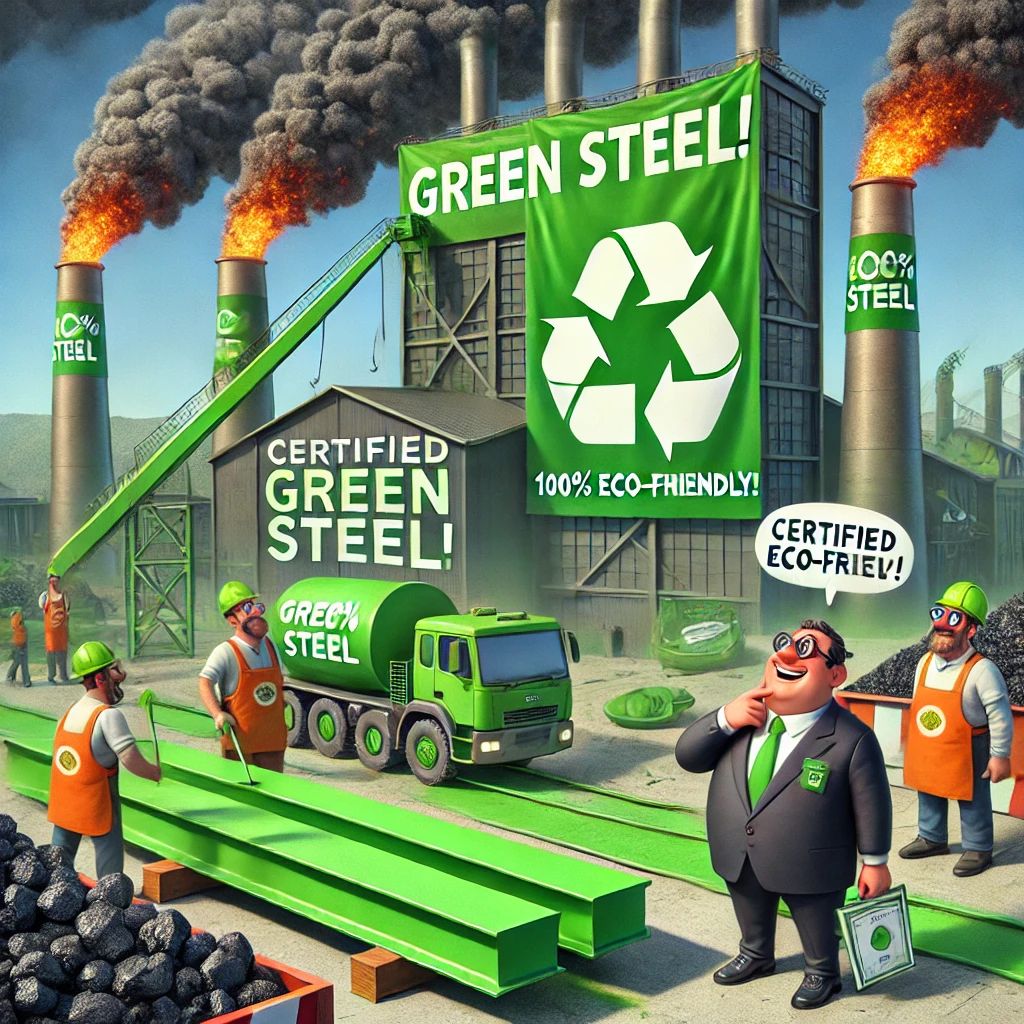
🚨 “The Great Green Steel Confusion: Real Sustainability or Just a Carbon Mirage?” 🌍🔥🔩
The steel industry contributes 8% of global CO₂ emissions, yet companies rush to brand their products as “green steel” while still running on coal. With 2030 and 2050 net-zero targets, is this real progress or just a well-marketed illusion?
📊 Green Steel: Who’s Leading & Who’s Greenwashing?
🔹 United States 🇺🇸 – U.S. Steel & Nucor claim sustainability, yet 74% of production relies on coal, delaying carbon neutrality until 2055. (IEA, 2025)
🔹 European Union 🇪🇺 – Net-zero by 2050, but only 10% of steel plants are transitioning to hydrogen, with heavy reliance on carbon offsets. (World Steel Association, 2025)
🔹 China 🇨🇳 – Produces 55% of global steel, pledged net-zero by 2060, yet 92% of operations still run on coal. (OECD, 2025)
🔹 India 🇮🇳 – Tata & JSW Steel target 2045 net-zero, but 80% of India’s steel output remains carbon-intensive, with <3% green investment. (IEA, 2025)
📌 RealityCheck: Most “green steel” claims lack real emission cuts.
📉 The Hard Truth About Green Steel
🚨 70% of global steel production still relies on coal, emitting 2.2 tons of CO₂ per ton of steel. (IEA, 2025)
🚨 Carbon offsets cover just 5% of emissions; most reductions exist only on paper. (Carbon Market Watch, 2025)
🚨 Hydrogen-based steel is <1% of production, requiring $500B+ investment to scale. (World Steel Association, 2025)
🚨 Fossil-free steel won’t be widely available before 2070, delaying net-zero goals. (OECD, 2025)
📌 RealityCheck: Green steel is still mostly a marketing play.
🏆 Who’s Actually Delivering?
✅ H2 Green Steel (Sweden 🇸🇪) – 100% hydrogen-powered plant launching 2026. (WEF, 2025)
✅ Thyssenkrupp (Germany 🇩🇪) – €2B hydrogen investment, aiming for 3.5M ton CO₂ cuts/year by 2040. (IEA, 2025)
✅ SSAB (Nordics 🇸🇪🇫🇮🇳🇴) – 100% fossil-free steel in pilot phase, hitting markets by 2026. (World Steel Association, 2025)
📌 RealityCheck: Few are pushing real decarbonization—most are just branding.
🏆 KeyTakeaway
The steel industry could be the backbone of a clean revolution, should be scaling hydrogen steel, but would be one of the biggest greenwashing culprits if action doesn’t match promises.
👉 Is ‘green steel’ real progress or just a carbon mirage? Drop your thoughts below! 👇
Originally published on LinkedIn on 2025-02-11 13:56:37: https://www.linkedin.com/feed/update/urn%3Ali%3AgroupPost%3A82951-7295078278359322625
🚨 “The_Great_FII_Exodus: Why Are Foreign Investors Dumping India?” 💰📉🌏
India saw ₹1.14 lakh crore ($13.7B) in FII outflows in October 2024, one of the largest monthly withdrawals ever. (ICICI Direct, 2025)
📌 RealityCheck: Is this a macro correction or is India’s slow ESG adoption and high valuations pushing investors to greener markets?
📊 Why FIIs Are Exiting: The Hard-Hitting Data
🔹 1. U.S. Treasury Yields & Rupee Depreciation
✔️ 10-year U.S. Treasury yields hit 4.8%, making U.S. bonds more attractive. (Reuters, 2025)
✔️ Rupee plunged to ₹87.95/$ in Feb 2025, raising risk concerns. (Reuters, 2025)
🔹 2. Overvaluation & Slowing Growth
✔️ Nifty50 P/E ratio at 24, making India pricier than China & Vietnam. (ICICI Direct, 2025)
✔️ Q3 FY25 corporate profit growth slowed to 3.6%, the weakest in 17 quarters. (Bloomberg, 2025)
🔹 3. ESG & Sustainability Concerns 🌱
✔️ India ranks 120th in global ESG adoption. (WEF, 2025)
✔️ Only 14% of Indian firms disclose Scope 3 emissions vs. 90% in the EU. (SEBI, 2025)
✔️ ESG funds are shifting billions to Vietnam & Indonesia. (Sustainable Finance, 2025)
📌 RealityCheck: India’s weak ESG framework is deterring responsible investment.
📉 Market Impact: The Numbers Speak
✔️ Nifty 50 down 12.6% & Sensex down 11.7% since Sept 2024 highs. (Reuters, 2025)
✔️ Jan 2025 saw the longest market losing streak in 23 years. (Reuters, 2025)
✔️ Retail SIP investments hit ₹18,000 crore ($2.2B) in Jan 2025, offsetting some FII losses. (AMFI, 2025)
📌 RealityCheck: Retail investors are holding the market, but for how long?
🏦 Who’s Pulling Out? The Big Players
❌ Vanguard Group: Pulled $1.8B from Indian stocks. (ETMarkets, 2025)
❌ BlackRock: Divested $2.3B, reallocating to SE Asia. (Bloomberg, 2025)
❌ Singapore Sovereign Funds (GIC & Temasek): Exited $1.5B, moving to Vietnam & Indonesia. (Reuters, 2025)
❌ Norwegian Pension Fund & ABP: Cut India exposure over weak ESG compliance. (ESG Today, 2025)
📌 RealityCheck: India’s sustainability gaps are driving FIIs to transparent markets.
🌏 Where Is the Money Going? SE Asia Gains Big
✔️ Vietnam 🇻🇳 – $5.3B in Q4 2024, 27% FDI jump. (McKinsey, 2025)
✔️ Indonesia 🇮🇩 – $6.2B in 2024, EV & nickel investments. (Bloomberg, 2025)
✔️ Thailand 🇹🇭 – $4.1B FDI in Q4 2024, green manufacturing incentives. (World Bank, 2025)
📌 RealityCheck: India is losing billions to sustainability-driven economies.
💹 What’s Next?
✔️ Fed rate cuts & USD stabilization could slow FII exits.
✔️ Stronger Q4 FY25 corporate earnings needed for investor confidence.
✔️ ESG policy clarity & green finance incentives critical to regain FII trust.
🏆 KeyTakeaway: India must strengthen sustainability regulations & governance to stay competitive.
👉 Will India act fast, or will SE Asia take the lead? Drop your thoughts below! 👇


Originally published on LinkedIn on 2025-02-11 07:23:09: https://www.linkedin.com/feed/update/urn%3Ali%3AgroupPost%3A82093-7294979256407777280
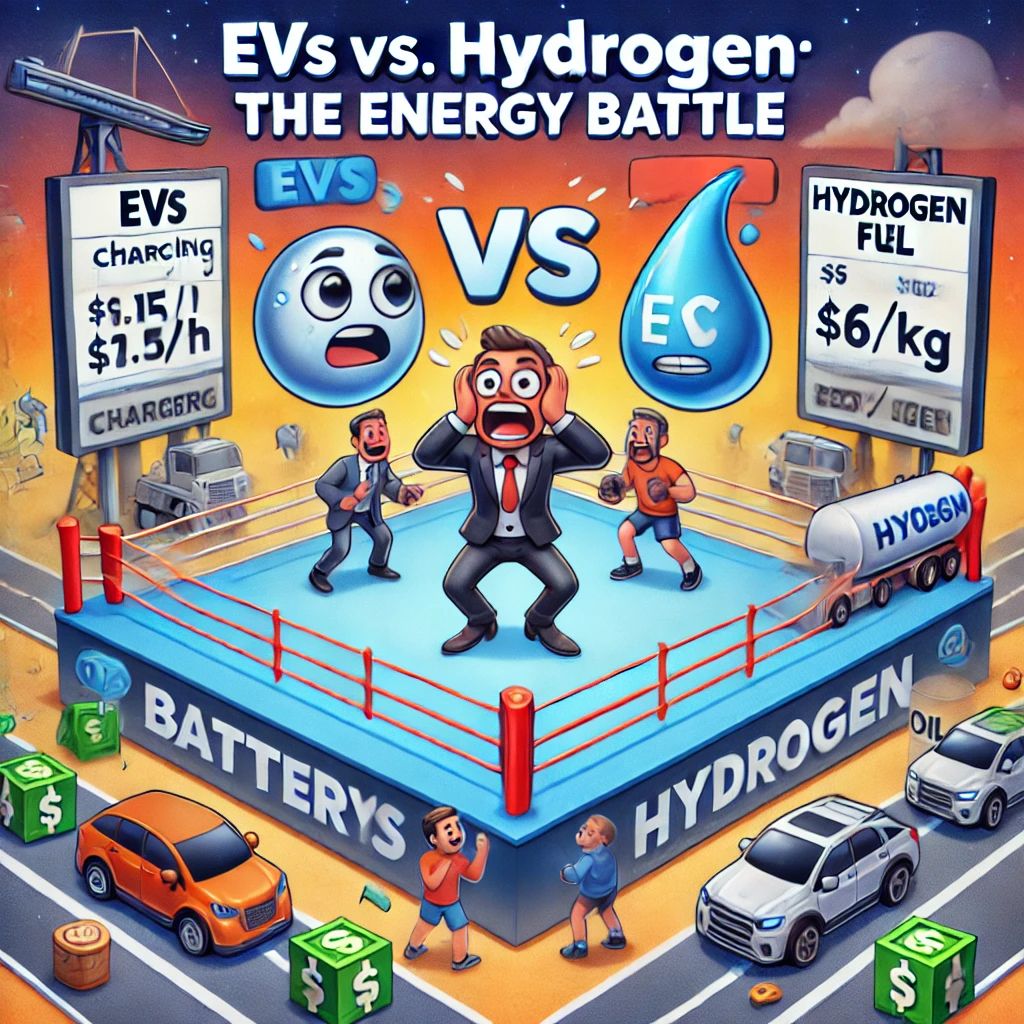
🚗⚡ “Why Are Big_Carbon_Companies_Skipping_EVs_for_Hydrogen?” 🌍🔋💨
📊 With EV sales surpassing 14 million in 2024, why are oil & gas giants betting big on hydrogen instead?
✅ Hydrogen investments by major energy firms hit $320B globally. (McKinsey, 2024)
✅ Over 35 countries now have national hydrogen strategies, with policy incentives rising. (IEA, 2024)
❌ Yet, the transition away from fossil fuels is far from straightforward.
📌 Reality Check: The energy war isn’t EVs vs. fossil fuels—it’s EVs vs. hydrogen.
🔎 Why Are Carbon Giants Favoring Hydrogen Over EVs?
🚨 Hydrogen Leverages Their Existing Infrastructure
🔹 Oil & gas companies already handle gases—hydrogen fits their expertise.
🔹 Refineries & pipelines can be repurposed for hydrogen transport.
🚨 EV Battery Supply Chains Are a Challenge
🔹 70% of the world’s lithium refining is controlled by China. (Bloomberg, 2024)
🔹 Hydrogen avoids reliance on limited mineral resources.
🚨 Hydrogen Works Better for Heavy Transport & Industry
🔹 EV trucks take hours to charge—hydrogen refuels in minutes.
🔹 Steel, shipping & aviation can’t rely on batteries alone. (IEA, 2024)
🚨 Governments Are Pumping Money Into Hydrogen
🔹 EU plans $43B in hydrogen funding by 2030. (EU Hydrogen Strategy, 2024)
🔹 The US Inflation Reduction Act provides $3/kg hydrogen production incentives.
📌 Reality Check: Carbon giants aren’t anti-EV—they’re just betting on what keeps them in business.
⚖️ Is Hydrogen a Real Threat to EVs?
✅ Toyota, BMW, and Hyundai are developing hydrogen fuel cell vehicles.
✅ Over 120 hydrogen fueling stations opened in 2024, but EV chargers still outnumber them 20:1. (Global EV Outlook, 2024)
❌ Green hydrogen is still expensive – costing 4-6x more than fossil fuels today. (IEA, 2024)
📌 Reality Check: EVs dominate now, but hydrogen is creeping up in key sectors.
🏆 KeyTakeaway
💡 EVs could be the dominant player for personal transport, should be complemented by hydrogen for heavy industry, but would be challenged if hydrogen costs drop significantly.
👉 Do you think hydrogen will overtake EVs, or is it just a fossil fuel lifeline? Let’s discuss. 💬

Originally published on LinkedIn on 2025-02-10 04:57:02: https://www.linkedin.com/feed/update/urn%3Ali%3AgroupPost%3A60128-7294580099679490048
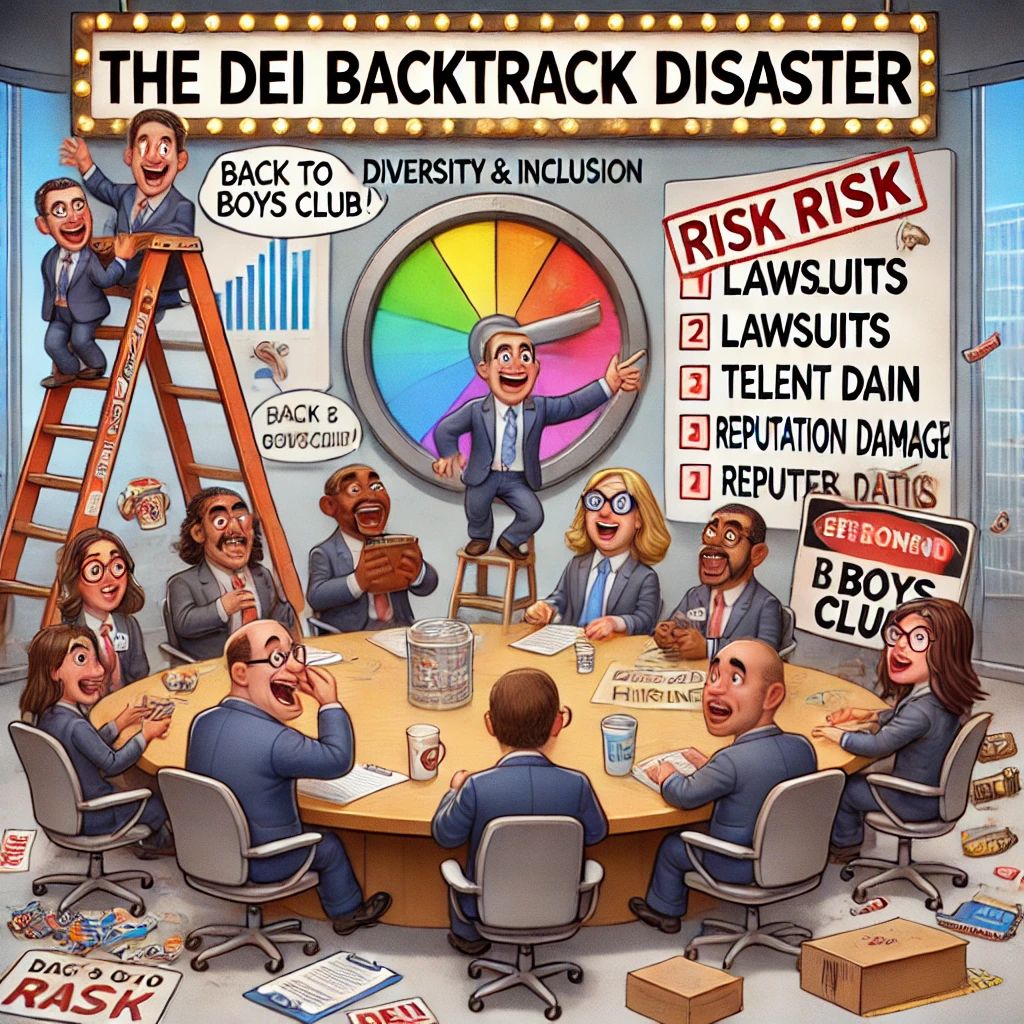
🚨 “Diversity & Inclusion: A Smart Strategy or Corporate Suicide?
💰 #$8 Billion – U.S. companies spent this on DEI programs in 2022. (McKinsey, 2023)
📉 35% of Fortune 500 companies have slashed DEI budgets since 2023. (HBR, 2024)
⚠️ 68% of employees say their company’s DEI progress has stalled or regressed. (Reboot Survey, 2024)
🚨 Backtracking on DEI = Lawsuits, Talent Drain & Reputation Damage.
📌 Reality Check: Cutting DEI might save costs today—but could cost billions in lawsuits, lost talent & investor trust tomorrow.
🏢 Companies That Hit Reverse—And The Fallout
🚨 Accenture:
🔹 Scrapped global DEI goals & career programs for underrepresented employees.
📉 Risk: Employee backlash + rising attrition in diverse leadership. (Financial News London, 2024)
🚨 Target:
🔹 Faced a class-action lawsuit over DEI claims → Stock crashed 22%.
📉 Risk: Investor scrutiny & eroded customer trust. (New York Post, 2024)
🚨 Google:
🔹 Axed diversity hiring targets after government pressure.
📉 Risk: Losing top diverse talent in AI & tech. (Associated Press, 2024)
🚨 Meta, Walmart, McDonald’s:
🔹 Eliminated DEI roles, citing economic slowdowns.
📉 Risk: Lower employee engagement & weaker brand loyalty. (Time, 2024)
📌 Reality Check: DEI isn’t just ‘woke’—it’s workforce strategy. Companies pulling out now may pay a heavy price later.
🌍 DEI & Sustainability: The Unbreakable Link
✅ Diverse teams = higher profits. Companies with inclusive leadership see 30% better financial performance. (McKinsey, 2024)
✅ Women-led firms score 35% higher on climate risk management & ESG strategy. (Harvard Business Review, 2024)
✅ Green industries need diversity. Yet women hold only 32% of clean energy jobs. (IEA, 2024)
📌 Reality Check: Sustainability without diversity is like net zero without emissions cuts—it doesn’t work.
🏆 KeyTakeaway
💡 DEI could be a competitive advantage, should be part of corporate resilience, but would be a massive liability if companies walk away now.
👉 Is your company setting itself up for a DEI backlash disaster? Let’s talk. 💬
Originally published on LinkedIn on 2025-02-07 16:24:10: https://www.linkedin.com/feed/update/urn%3Ali%3AgroupPost%3A82951-7293665858097192961
GoogleDropsDEITargets: What Does It Mean for the Future of Inclusive Hiring?
📢 BreakingNews: Google has officially ended its diversity hiring targets, stating it will no longer have #”aspirational goals” for workforce representation. This move follows legal and political pressures around DEI (Diversity, Equity, and Inclusion) initiatives, particularly for federal contractors.
📊 TheBackdrop
🔹 DEI hiring practices aimed to increase representation across underrepresented groups in the workforce.
🔹 90% of Fortune 500 companies have dedicated DEI programs.
🔹 Diversity-driven companies outperform industry benchmarks by 35% in financial returns (McKinsey).
🔹 75% of job seekers consider workforce diversity an important factor in choosing an employer (Glassdoor).
🔄 WhatChanges at Google?
📌 No more workforce representation targets → Google will stop setting hiring quotas based on diversity metrics.
📌 Reviewing DEI programs → Existing policies and hiring practices are under internal review.
📌 Retaining inclusion efforts → Google states that it will continue supporting employee resource groups and build inclusive products.
⚖️ TheLargerDebate
✅ Proponents say:
✔️ Encourages merit-based hiring rather than diversity quotas.
✔️ Reduces legal risks amid growing scrutiny on DEI initiatives.
⚠️ Critics argue:
❌ DEI targets hold companies accountable for inclusive hiring.
❌ Without targets, diversity progress may slow down in male-dominated sectors like tech.
🚀 WhatNext?
With Google redefining its diversity strategy, will other tech giants follow?
👥 Is this a step toward equal opportunity or a setback for workplace diversity?
Drop your thoughts below! ⬇️
DiversityMatters HiringTrends WorkplaceInclusion CorporateStrategy
Originally published on LinkedIn on 2025-02-06 11:43:22: https://www.linkedin.com/feed/update/urn%3Ali%3Ashare%3A7293232805738651649
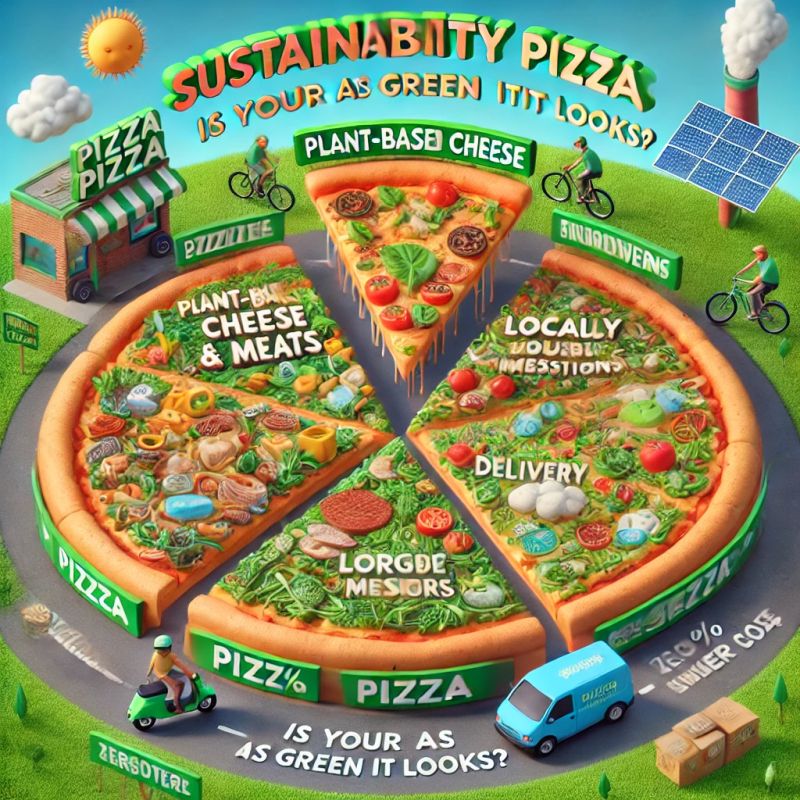
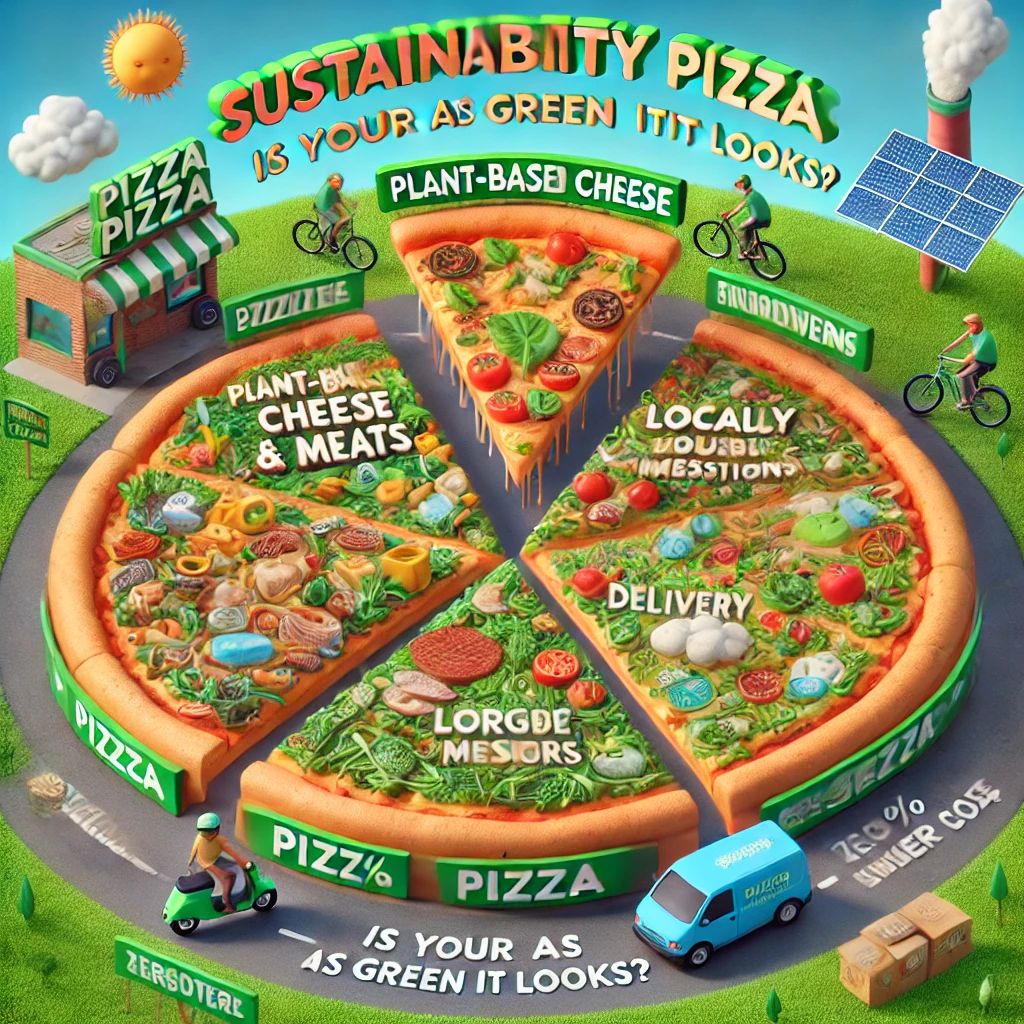
🍕🌱 The_Sustainability_Pizza: Is Your Slice Saving or Polluting the Planet?
Pizza might be the ultimate comfort food, but is it eco-friendly or a hidden climate offender? From cheese emissions to delivery impact, your favorite slice might not be as green as it looks.
📊 The Carbon Footprint of a Pizza
🚨 Dairy Disaster – Cheese production accounts for 60% of a pizza’s total carbon footprint, with dairy farming emitting 4% of global greenhouse gases. (FAO, 2024)
🚨 Meat Overload – Adding pepperoni or sausage increases pizza emissions by 80%, making it one of the least sustainable toppings. (IPCC, 2024)
🚨 Flour Footprint – Wheat farming for pizza dough consumes 35 trillion liters of water annually. (WWF, 2024)
🚨 Packaging Problem – 3 billion pizza boxes are used globally each year, but only 27% are actually recycled due to grease contamination. (EPA, 2024)
🚨 Delivery Emissions – Food deliveries generate 6% of all urban transport emissions, with pizza orders leading the pack. (IEA, 2024)
📌 Reality Check: That cheesy, meaty slice may have a higher footprint than your daily commute.
♻️ How to Make Pizza More Sustainable?
✅ Plant-Based Cheese & Meats – Vegan cheese and alt-meats reduce emissions by 50-80% compared to dairy & pork. (Sustainable Food Report, 2024)
✅ Locally-Sourced Ingredients – Using regional veggies and grains cuts transport emissions by 40%. (UNEP, 2024)
✅ Compostable Pizza Boxes – Some brands now use 100% biodegradable packaging, reducing landfill waste. (Recycling International, 2024)
✅ Energy-Efficient Ovens – New tech lowers energy consumption by 30% while reducing kitchen heat waste. (Clean Energy Council, 2024)
✅ Green Delivery – Bicycle and EV deliveries slash CO₂ emissions by 60% compared to gas scooters. (McKinsey, 2024)
📌 Reality Check: Pizza sustainability isn’t just about the ingredients—it’s the entire supply chain.
🛑 Greenwashing in the Pizza Industry
❌ #‘Eco-Friendly’ Labels Without Action – Some brands highlight one sustainable ingredient while ignoring wasteful packaging and supply chains.
❌ Carbon Offsets Instead of Real Change – Offsetting emissions without actually reducing footprint is a marketing trick.
❌ Recyclable Boxes That Aren’t Recycled – Most pizza boxes are contaminated by grease, making them non-recyclable despite green branding. (Recycling Myths, 2024)
📌 Reality Check: If a pizza brand claims to be ‘green,’ check if their entire supply chain follows through.
🏆 KeyTakeaway
Sustainable pizza could be the next big food revolution, should be focused on reducing food waste & emissions, but would be another greenwashing trend if brands don’t take real action.
👉 Is your favorite pizza actually sustainable, or just a slice of marketing?
SustainableFood GreenPizza EcoFriendlyEats CarbonNeutral CircularEconomy
Originally published on LinkedIn on 2025-02-06 05:19:07: https://www.linkedin.com/feed/update/urn%3Ali%3AgroupPost%3A2474261-7293136103753080832

