IndiaCarbonMoves | CCTS20205 From Chalkboards to Carbon Boards
Kicking off the Carbon_Credit_ComplianceChapter
Markets mature not when they grow, but when they’re held accountable. India just made carbon compliance bankable.
KtalystKeystone
India just dropped a carbon bombshell (the good kind!)
The April2025 Gazette brings GHG Emission Intensity (GEI) targets under the Carbon Credit Trading Scheme (CCTS), 2023—and it’s not optional anymore.
What’sHappening?
A market with a mission. A mandate with math.
BaselineToTarget: 140+ industrial giants get official GEI targets from 2023–24 levels to 2026–27
PenaltyProof: Miss your target? Pay up—2x the average carbon credit price
ComplianceStartsNow: Welcome to India’s first enforceable carbon intensity regime
FunData (but serious):
Vedanta Jharsuguda (Aluminium): Drop from 13.49 → 12.83 tCO₂e/ton
UltraTech Bela (MP): From 0.8351 → 0.8093 tCO₂e/ton
JK White Cement, Gotan: From 0.8743 → 0.8461 tCO₂e/ton
CarbonMoves You Can’t Ignore:
(aka the not-so-fine print)
LegalArmour: Penalties enforced under the Environment Protection Act, 1986
DigitalByDesign: Full compliance and credit tracking via the Indian Carbon Market Portal
CreditMath: Emission gap × output = carbon credits owed or earned
BankItToWinIt: Overachievers? Store surplus credits for future cycles
NoEscapeClause: Grinding units, refineries, even white cement—no one’s exempt
HotspotLogic: Aluminium + Cement = 25%+ of India’s industrial emissions
PenaltyPath: Fail on compliance? CPCB fines = 2x avg. credit price
PublicScrutiny: 60-day window open to file suggestions or objections to MoEFCC
WhatTheLeadersSay
This is India’s carbon market growing a spine. Industry must now move from pledges to performance.
R. K. Singh, Union Minister for Power & New & Renewable Energy
Emission targets will push Indian industries to global competitiveness while greening their core.
Ajay Mathur, DG, International Solar Alliance
CCTS 2025 is not just compliance—it’s carbon accountability.
Sumant Sinha, CEO, ReNew Power
KtalystTake
India’s carbon market just flipped the script—from voluntary virtue-signaling to regulated results.
This is no longer ESG fluff—this is hard math.
You can’t manage what you don’t measure. Now, you can’t skip what you didn’t meet.
Ready to benchmark your GEI or decode this carbon chessboard? Let’s connect.
CCTS IndiaCarbonMarket GHGTargets ComplianceEra NetZeroIndia SustainabilityStrategy KtalystKeystone ESGCompliance ClimateActionIndia
Source / shared link: https://carbon-pulse.com/389823/?utm_source=chatgpt.com
Originally published on LinkedIn on 2025-04-22 05:48:00: https://www.linkedin.com/feed/update/urn%3Ali%3AgroupPost%3A4385073-7320322463400181760
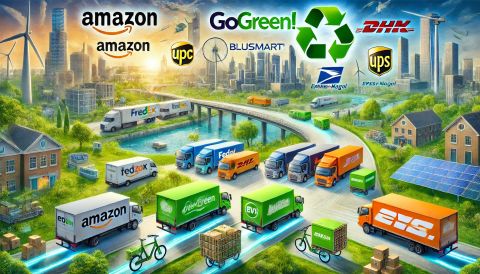
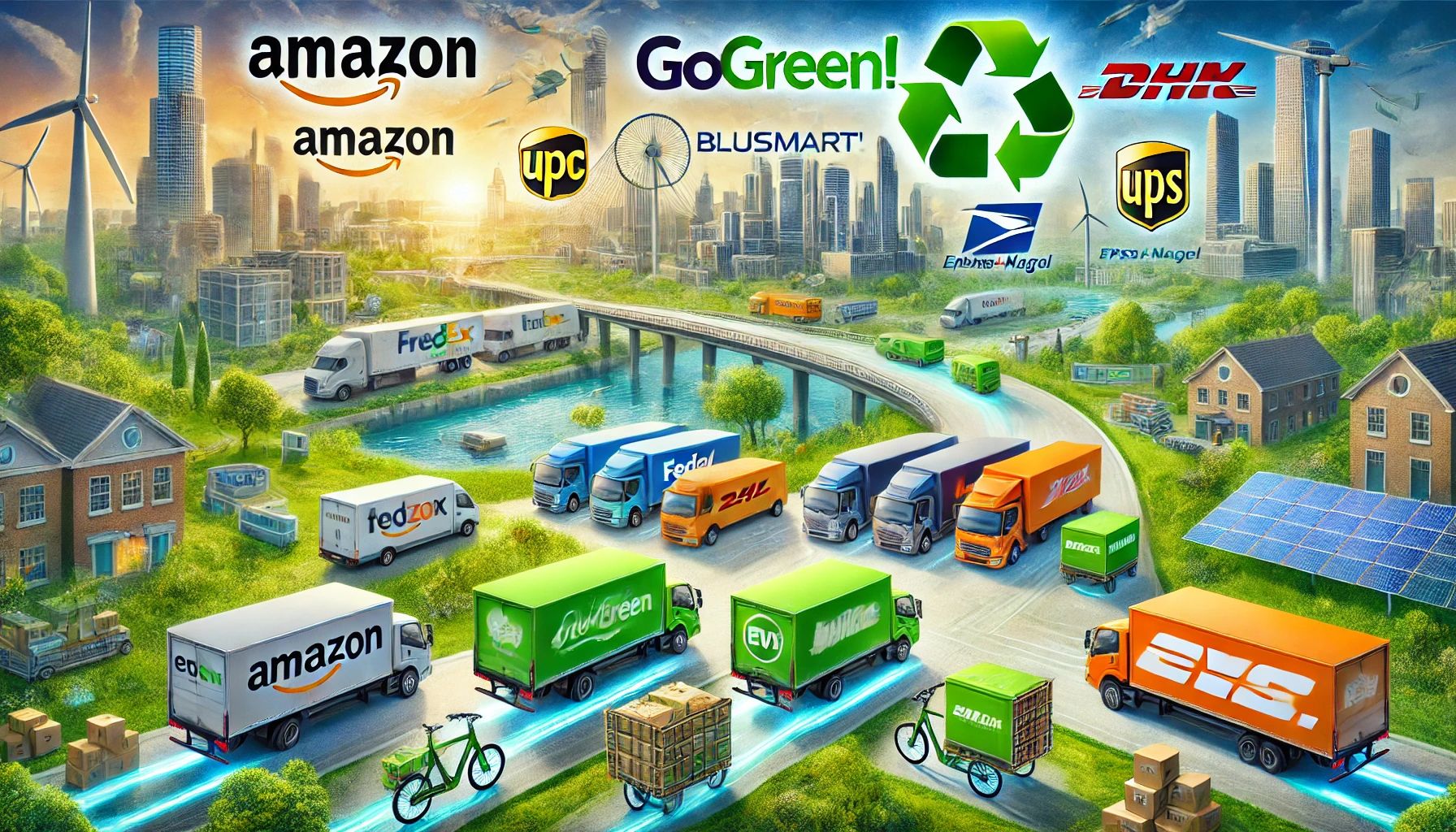
ElectrifyingLogistics: The Global Shift to GoGreen EVs 🌍⚡
The global logistics industry is undergoing a massive EV transition to reduce carbon footprints. Here’s how key players are making an impact:
🌎 Global Leaders
🚚 Amazon:
✅ 100,000 EVs (by 2030) | 5,000+ Rivian vans already on U.S. roads
✅ India: 10,000 EVs across 500 cities (Leh to Gangtok)
✅ UK: Ordered 140+ electric heavy trucks
🔽 Emissions Cut: Over 4M metric tons CO₂ saved
🚛 FedEx:
✅ 2040 Carbon Neutral Goal | EV fleets in 8+ countries
✅ Brazil, Spain, UAE, Canada – Zero-emission bikes & EVs
🔽 Emissions Cut: 50% less CO₂ per delivery
📦 UPS:
✅ Targeting Carbon Neutrality by 2050
✅ Expanding custom-built electric vans & e-bikes in urban hubs
🔽 Emissions Cut: 24% reduction in CO₂ from 2010 levels
🚀 DHL:
✅ Asia expansion: 100% EV fleet in select cities
✅ GoGreen Strategy: Zero emissions by 2050
🔽 Emissions Cut: 10M+ kg CO₂ avoided yearly
📬 USPS:
✅ 66,000 EVs incoming (from 2024)
✅ Nationwide charging infrastructure expansion
🔽 Emissions Cut: 50% lower CO₂ per mail route
🌏 Asian & Indian EV Champions
🚙 BluSmart (India):
✅ 100% electric ride-hailing in Delhi, Bengaluru
🔽 Emissions Cut: 1.8M+ rides = 5M+ kg CO₂ saved
🏍 Yulu (India):
✅ 45,000 EVs | 4M+ users | 240M+ green deliveries
🔽 Emissions Cut: 32M kg CO₂ saved
🛵 Whizzy Logistics (India):
✅ 2,000 EV two-wheelers | 70,000 km/day
🔽 Emissions Cut: 10M+ kg CO₂ avoided
🚌 DTC (Delhi Transport Corp):
✅ India’s largest EV bus fleet (800 buses)
🔽 Emissions Cut: 50% drop in urban transport pollution
🚛 Epsilon Carbon (India):
✅ 5 electric trucks launched for industrial logistics
🔽 Emissions Cut: 40% CO₂ reduction per truck
🌱 Kuehne+Nagel (India):
✅ Airport transfers via EVs in Mumbai
🔽 Emissions Cut: 24.7 tonnes CO₂/year
⚡ Why It Matters?
✅ Lower Costs – Up to 30% fuel savings
✅ Regulatory Push – Global EV mandates & tax incentives
✅ Customer Preference – 70%+ consumers prefer green logistics
EVs aren’t the future—they’re the NOW. 🚀 Which companies do you see leading this charge? Drop your thoughts below! ⬇️
Originally published on LinkedIn on 2025-03-15 15:51:37: https://www.linkedin.com/feed/update/urn%3Ali%3AgroupPost%3A2474261-7306703630965923840
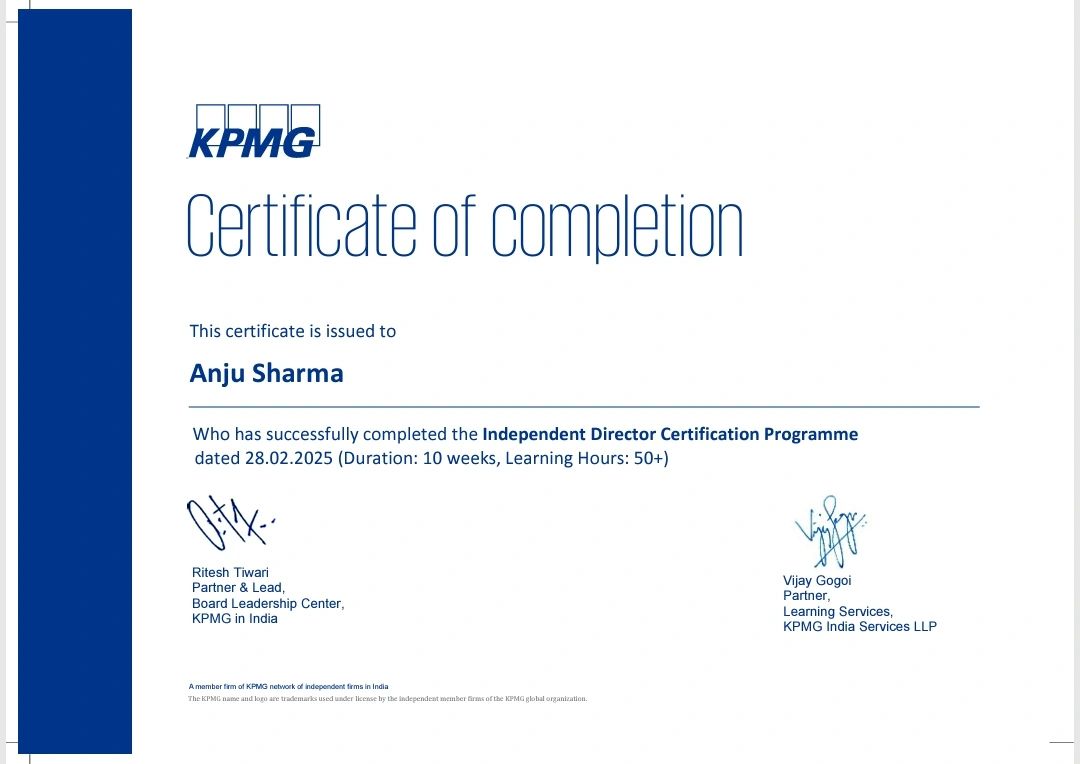
A_New_Chapter – Certified Independent Director!
Some journeys change you, and this one surely did! After three months of rigorous learning, thought-provoking discussions, and countless weekend deep dives, I am incredibly proud to share that I am now a Certified Independent Director, recognized by the Indian Institute of Corporate Affairs (IICA) and from KPMG India’s BoardLeadershipCenter.
This journey was more than just a certification—it was an eye-opener into the intricate world of Corporate Governance, Boardroom Strategy, and Ethical Leadership. Each session challenged my perspective, pushed my boundaries, and reinforced my belief that Business Excellence and Sustainability must go hand in hand.
I am immensely grateful to Ritesh Tiwari and @VijayGogoi, who curated a program rich with insights, real-world case studies, and meaningful discussions. Their mentorship has left an indelible mark on my understanding of what it truly means to be an Independent Director.
A special mention to my Cohort5 peers—what a phenomenal group of professionals! The camaraderie, the shared knowledge, the debates, and the laughter made this journey unforgettable. It is rare to find a group where Intellect meets Passion, and I feel privileged to have been part of it.
A Big Thank You to My Amazing Batchmates
Anand John Joseph, ANISH SHAH, Ashish Merchant , Arun Menon, Bhupendra Chaudhary, Ekta Kamran, Krishnakumar Maurya, Madhu Khatri, Monika Suri, Naresh Rao, Pavithra Reddy, Prem Bajaj, Rakesh Paliwal, Ravi Pokhriyal, Rishi Dhariwal, Kannan Sivasubramanian, Srini US, Srinivas Madabusi, Stella Joshua, Tarun N P Varma, Vijay Paranjape, Ph.D., Vikas Singh, Beenoxi Arora , Sandeep Choudhari, Sushil Menon, Yogesh Joshi, Ganesh Lakshminarayanan.
A Special Thanks to Ishita! Your support and coordination made a huge difference in making this journey a success!
This is not just a certification—it is a commitment. A commitment to Good Governance, Ethical Leadership, and fostering Sustainable Business Practices. I look forward to stepping into boardrooms with a renewed sense of purpose and responsibility, ready to make a meaningful impact.
Originally published on LinkedIn on 2025-03-07 05:03:33: https://www.linkedin.com/feed/update/urn%3Ali%3Ashare%3A7303641434862051328
#️⃣ KnowledgeSeries | Biochar: The Silent Climate Solution 🌱🔥
🌍 Can_We_Lock_Carbon for Centuries While Boosting Soil? Yes—With Biochar!
📊 # Key Biochar Facts & Figures
📉 3Tons of CO₂ Sequestered Per Ton of Biochar – One of the most efficient carbon capture tools. (IPCC)
🌾 # 28% Increase in Crop Yields – Improves soil fertility and water retention. (Nature Communications)
💧 # 50% Less Nitrogen Runoff – Reduces water pollution from fertilizers. (Environmental Science & Technology)
♻ 3BillionUSD Market by 2030 – Growing at 13.2% CAGR, driven by climate policies. (MarketsandMarkets)
🏗 60% Lower Concrete Emissions – Biochar-infused cement is cutting industrial carbon footprints. (MIT Research)
🏭 # 90% Efficiency in Industrial Wastewater Treatment – Filters heavy metals & pollutants. (Journal of Environmental Management)
🔥 Who’s Investing?
💰 Microsoft & Shopify – Using biochar as verified carbon offsets.
🛍 IKEA & H&M – Researching biochar-infused textiles.
🚜 Indian & African Farmers – Improving soil health in degraded lands.
🏆 Biochar’s Future: From Farms to Factories
💡 Could biochar become a global standard in climate strategy? Drop your thoughts! 👇


Originally published on LinkedIn on 2025-03-02 15:37:10: https://www.linkedin.com/feed/update/urn%3Ali%3AgroupPost%3A2474261-7301988952033419264
🚨 India’s EVRegulations 2025: What’s New & What It Means for the Industry? ⚡🚗
With EV sales in India growing 49% YoY, new regulatory shifts are shaping the future of the sector. The latest policies focus on local manufacturing, safety standards, & market expansion while setting new rules for charging infrastructure & import incentives. Here’s what’s changing:
📊 Key EV Policy Updates & Their Impact
🔹 Investment Caps on Charging Infrastructure
📌 The Indian Government now limits EV manufacturers to count only 5% of their total investment in charging networks toward the #$500M minimum investment required for lower import tariffs.
📌 Why It Matters? This ensures priority to local EV production, reducing reliance on imports. (Source)
🔹 Tesla’s Entry & Market Implications
📌 Tesla is setting up showrooms in Mumbai & New Delhi and exploring local production. However, high import duties (up to 100%) could push Tesla’s pricing into the luxury segment, making affordability a challenge.
📌 EV Market Reality: The average car price in India is #$10,000-$15,000, while a Tesla Model 3 would cost over #$50,000 without local assembly. (Source)
🔹 Stricter Safety & Battery Standards
📌 BIS (Bureau of Indian Standards) introduces new EV safety rules, requiring all EVs to meet upgraded performance & fire safety benchmarks.
📌 Battery Regulation: EV battery makers must obtain AIS 156 certification from ARAI (Automotive Research Association of India) to ensure safety compliance.
📌 Why It Matters? India aims to reduce EV fire risks, ensuring consumer safety and boosting market confidence. (Source)
🔹 Union Budget 2024-25: EV Industry Boost
📌 Customs duty exemptions on 25 critical minerals used in EV battery production will lower manufacturing costs.
📌 PLI (Production-Linked Incentive) expansion aims to reduce import dependency & boost domestic production.
📌 FAME III (Faster Adoption & Manufacturing of Electric Vehicles) is expected to focus on charging infrastructure expansion. (Source)
⚡ The Takeaway: What’s Next for India’s EV Industry?
🚀 EV penetration in India is at 2% but projected to hit 30% by 2030.
🚀 Government policies favor local EV manufacturing over imports.
🚀 Safety & compliance measures will shape consumer trust & adoption.
📢 Will these new regulations accelerate India’s EV transition or slow global players like Tesla? Let’s discuss! 👇
Source / shared link: https://m.economictimes.com/industry/renewables/govt-set-to-notify-new-ev-policy-with-new-investment-rules-as-tesla-prepares-for-india-entry/articleshow/118415610.cms
Originally published on LinkedIn on 2025-02-27 06:19:45: https://www.linkedin.com/feed/update/urn%3Ali%3AgroupPost%3A82093-7300761508139974656
🚨 CaseStudyAnalysis: “Volkswagen’s $1.4 Billion Tax Clash in India – A Wake-Up Call for MNCs & Policymakers?” 🚗💸
A stable tax system builds investor trust, but unpredictability drives them away.
Volkswagen, one of the world’s largest automakers, is battling a massive $1.4 billion tax dispute with Indian authorities over misclassification of imported car parts. This case is not just about one company—it reflects systemic tax challenges that impact FDI, business confidence, and India’s economic reputation.
🔍 WhatWentWrong?
📌 RegulatoryAmbiguity: India’s tax system lacks clear, consistent classifications. Volkswagen’s import methods were accepted for years before being reclassified.
📌 RetrospectiveTaxation: India has a history of sudden tax demands on MNCs (Vodafone – $2B, CairnEnergy – $1.2B), eroding investor trust. (Source: Reuters, 2025)
📌 LengthyLitigation: Tax disputes in India take an average of 7-10 years to resolve, delaying investments. (Source: EconomicTimes, 2025)
📌 PolicyShiftsWithoutClarity: Frequent rule changes without transition time force companies into costly legal battles.
🚀 HowIndiaCanImprove?
✅ PredictabilityInTaxation: Stable, transparent tax structures can boost FDI inflows beyond $80B/year. (DPIIT, 2025)
✅ Fast-TrackDisputeResolution: A dedicated tax tribunal for MNCs could cut dispute timelines by 60%. (NITIAayog, 2025)
✅ CustomsClarity: Pre-rulings on tax classifications will reduce compliance risks for 1,000+ global firms operating in India.
✅ InvestorConfidenceReforms: Proactive government engagement with MNCs could prevent capital flight (like SEAsia gaining $25B from exiting investors). (IMF, 2025)
✅ EaseOfDoingBusiness: India improved from Rank142 (2014) to Rank63 (2024) but still struggles with tax complexity. (WorldBank, 2025)
⚖️ TheBiggerPicture
Volkswagen’s case isn’t just about one company—it’s a test for India’s tax and regulatory future. Striking the right balance between RevenueMaximization and InvestorTrust is crucial for long-term economic stability.
💬 What’s your take? Are tax disputes a cost of doing business in India, or can better policies fix this? Let’s discuss! 👇
Originally published on LinkedIn on 2025-02-20 11:41:29: https://www.linkedin.com/feed/update/urn%3Ali%3AgroupPost%3A95089-7298305762500501504
What_You_Havenot_Heard_About_the_New_Income_Tax_Bill 2025 💼💰
While headlines have focused on new tax slabs and simplified tax laws, there are hidden provisions in the Income Tax Bill 2025 that could quietly reshape how individuals and businesses manage their taxes. Here’s what hasn’t made the news yet—but should be on your radar.
🔎 What’s New & What You Haven’t Heard Yet
📌 NRIs Now Have a Tax Wake-Up Call → If you earn over #₹15 lakh ($18,000) in India, you’re now classified as a tax resident. This means taxation on salary, property income, capital gains, and dividends from Indian sources. But foreign earnings? They remain outside India’s tax net for now.
📌 The Unspoken Impact on Gig Workers & Freelancers → With the rise of digital taxation and AI-driven audits, freelancers, content creators, and independent consultants who previously operated in a tax grey area may now be pulled into the formal tax system.
📌 Your Digital Footprint is Being Watched → The bill lays the foundation for AI-driven tax compliance tracking. Expect automated scrutiny of large transactions, crypto earnings, and foreign remittances linked to India.
📌 No Clear Carbon Tax Yet—But Watch This Space → Sustainability is a global priority, but this bill doesn’t yet introduce green tax incentives or penalties for high-emission businesses. However, future amendments may align India’s tax policies with ESG (Environmental, Social, and Governance) goals.
📌 Real Estate May No Longer Be a Safe Tax Haven for NRIs → With stricter capital gains taxation, NRIs who buy and sell Indian property may face higher tax liabilities, especially if they don’t reinvest in eligible tax-saving assets.
📌 More Tax Scrutiny for High-Income Earners → If you fall in the #₹20 lakh+ ($24,000+) bracket, tax authorities may now flag large transactions and offshore holdings, ensuring better compliance without manual intervention.
📉 What Should You Do Next?
✅ NRIs: Review your income sources from India and DTAA agreements in your country to avoid double taxation.
✅ Freelancers & Gig Workers: Ensure your earnings are properly declared to avoid potential penalties.
✅ Investors: Keep an eye on potential capital gains tax reforms affecting stocks, crypto, and real estate.
✅ Businesses: Start preparing for digital compliance requirements that could change audit processes.
💡 “The real impact of tax reform isn’t in what’s obvious—it’s in what changes behind the scenes.
💬 What are your thoughts? Have we missed an important tax change that will impact professionals and businesses? Let’s discuss!

Originally published on LinkedIn on 2025-02-13 11:43:42: https://www.linkedin.com/feed/update/urn%3Ali%3Ashare%3A7295769602515431426
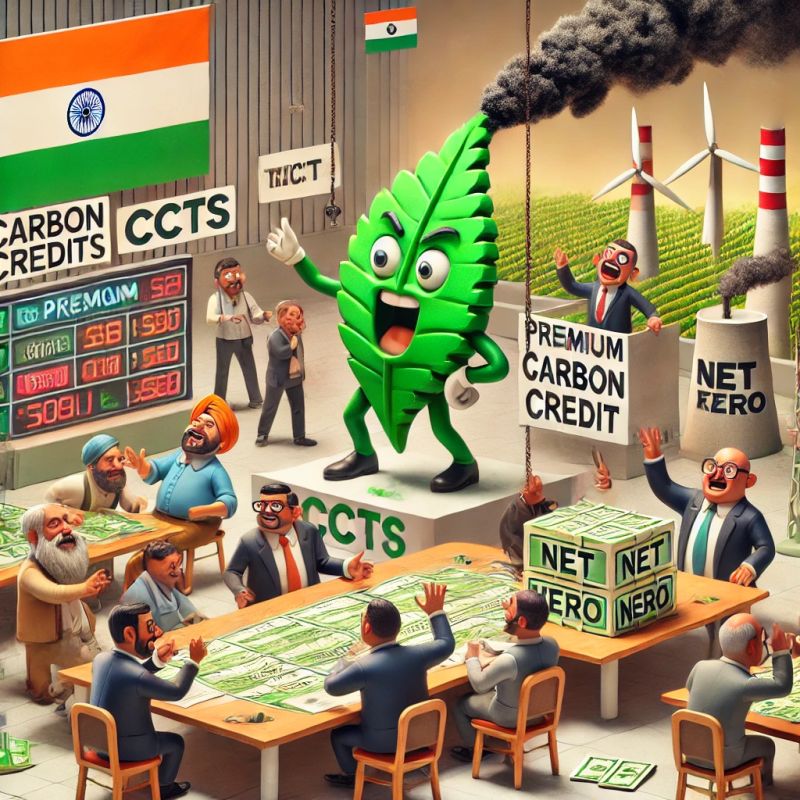
NamasteGreenIndia’s Carbon Market: A Game Changer or Just Another Framework?” 🇮🇳💨
India is making big moves in the carbon credit space with the Indian Carbon Market (ICM), but is it ready to deliver real impact? Here’s a data-driven breakdown of the Carbon_Credit_Trading_Scheme (CCTS) and what’s next.
🔍 What is the Indian Carbon Market (ICM)?
✅ Launched in June 2023 to enable carbon credit trading & cut emissions. (Source: Govt. of India, 2023)
✅ Aims to align with India’s Nationally Determined Contributions (NDCs) under the Paris Agreement.
✅ Regulated under the Carbon Credit Trading Scheme (CCTS), officially notified in June 2023 & amended in December 2023.
🏆 Why It Matters: India is one of the world’s top 3 carbon emitters, and this framework could reshape industries while driving carbon reductions.
📊 Current Status of CCTS
🛠 10 key sectors approved under the Offset Mechanism. (Source: Bureau of Energy Efficiency, 2024)
🚀 Phase 1 covers 6 sectors, with 12 methodologies developed for implementation. (BEE, Sept 2024)
🚨 Challenges:
Pricing clarity & credit validation remain uncertain.
Will industries truly cut emissions, or just buy offsets?
⚡ What’s Next for India’s Carbon Market?
📈 Expansion to more sectors, increasing carbon credit liquidity.
🌱 Stronger enforcement needed to prevent greenwashing.
🌍 Alignment with global carbon markets for international trading opportunities.
🏆 Final Verdict: High potential but execution will decide success.
KeyTakeaway
India’s Carbon Credit Trading Scheme (CCTS) could be a major climate tool, but real impact depends on strong enforcement & pricing mechanisms.
👉 Will India’s carbon market drive real change, or just be another framework?
IndiaCarbonMarket Sustainability ClimateAction NetZero CarbonCredits ESG
Originally published on LinkedIn on 2025-01-30 10:52:26: https://www.linkedin.com/feed/update/urn%3Ali%3Ashare%3A7290683269031907328
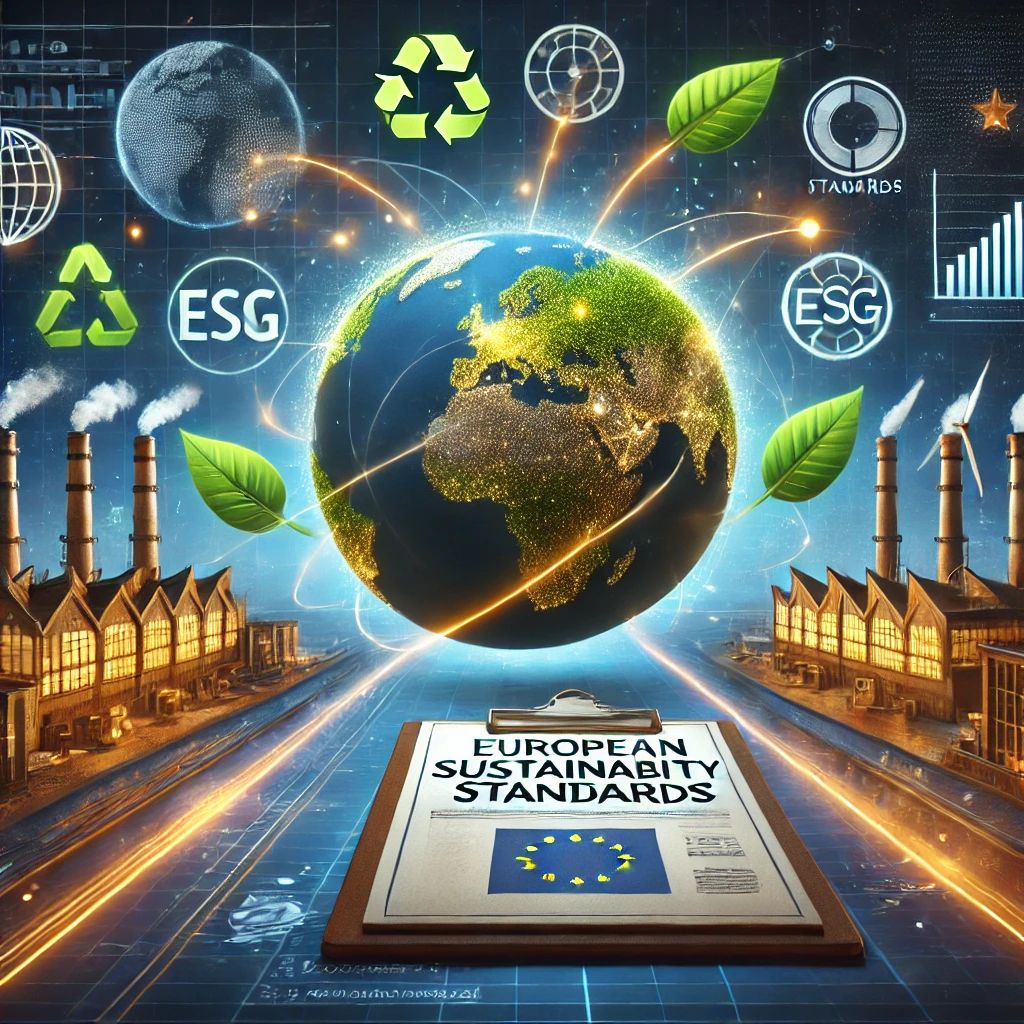
NamasteIndia ESRS_Ripple_Effect:Europe’s Global_Disruptor_Rules Reshape Indian Businesses” 🇮🇳
With the EU’s European Sustainability Reporting Standards (ESRS) coming into effect, Indian businesses are set to feel the heat. Here’s a data-driven breakdown of how these standards will impact India:
🔵 Indian Exporters Face Compliance Pressure
Fact: India exported goods worth #€65 billion to the EU in 2022, making the EU one of India’s largest trading partners. (Source: Eurostat)
Impact: Exporters must now meet ESRS-aligned requirements like carbon reporting, labor conditions, and water usage transparency.
Example: 45% of Indian textile exports go to the EU, which requires ESG disclosures from supply chains.
🟢 Subsidiaries of EU Companies Must Adapt
Fact: Over 4,000 EU-based companies have subsidiaries in India, spanning sectors like IT, pharmaceuticals, and manufacturing. (Source: EU Delegation to India)
Impact: Indian branches will face stricter ESG reporting as EU headquarters comply with ESRS.
Example: Indian operations of EU automotive giants must disclose scope 1, 2, and 3 emissions to support parent company reports.
🟡 Supply Chain Scrutiny to Intensify
Fact: 70% of EU companies rely on global supply chains, with India being a critical link. (Source: EFRAG)
Impact: Indian suppliers must provide accurate sustainability data or risk losing contracts.
Example: EU pharma imports from India, valued at #€8 billion annually, will require ESG-aligned disclosures like energy use and labor practices.
🟠 Regulatory Convergence in India
Fact: India’s BRSR framework, introduced in 2021, already mandates ESG reporting for the top 1,000 listed companies. (Source: SEBI)
Impact: ESRS accelerates India’s regulatory momentum, pushing companies to adopt global ESG benchmarks.
🟣 Opportunities in Green Tech and Consulting
Fact: The ESG consulting market in India is projected to grow at a CAGR of 35%, reaching #$1.2 billion by 2030. (Source: PwC India)
Impact: Indian firms offering ESG solutions—like software platforms for tracking emissions—stand to gain as EU firms outsource compliance support.
🔴 Competitive Advantage for ESG Leaders
Fact: 83% of EU investors prefer companies with strong ESG credentials. (Source: EY)
Impact: Indian companies with advanced sustainability practices will become preferred partners for EU buyers.
Example: Tata Steel’s carbon-neutral initiatives make it a strong supplier for ESG-conscious European firms.
Key Stats That Matter
#€85 billion: Total trade between India and the EU in 2022. (Source: Eurostat)
4,000+: EU-based companies with operations in India. (Source: EU Delegation to India)
35% CAGR: Growth of India’s ESG consulting market by 2030. (Source: PwC)
👉 Are Indian companies ready to navigate the ESG revolution and seize the opportunity?
SustainabilityLeadership ESRSImpact IndiaAndEU ESGCompliance GreenEconomy
Originally published on LinkedIn on 2025-01-27 11:33:17: https://www.linkedin.com/feed/update/urn%3Ali%3AgroupPost%3A3880479-7289606387402207232
🚀 NamasteIndiaMobilityMarket to Exceed $600B by YR2030
Revolutionizing Growth through Electrification & Innovation
The Indian mobility industry is charting its unique course, poised to double and surpass $600B by 2030, with $100B fueled by emerging revenue streams.” — Google-BCG Report
🔑 KeyInsights
💰 RevenueProjections
Classic Revenue Pools:
🔧 ClassicComponents: $65B (+$23B).
🚙 NewSales (ICE Vehicles): $120B (+$33B).
🔄 ClassicAftersales: $162B (+$71B).
💳 Financing&Insurance: $133B (+$59B).
Emerging Revenue Pools:
⚡ BEV&AVComponents: $25B (+$20B).
🌍 NewSales (BEVs): $37B (+$33B).
🔧 NewAftersales: $8B (+$8B).
🚖 NewMobilitySolutions: $62B (+$37B).
👥 ConsumerTrends
⚡ EVAdoption: 1 in 3 planning to buy EVs.
🌸 WomenDriveChange: Women lead 52% of EV purchase decisions.
🌿 WhyItMatters
India’s mobility market is transforming through Sustainability & Electrification. Both classic & emerging revenue pools are converging to shape a global leader in MobilityInnovation.
👉 Are you ready to ride the wave?
Let’s lead the FutureOfMobility! EVs Growth Sustainability BCG Google
Source / shared link: https://m.economictimes.com/industry/auto/auto-news/india-mobility-market-to-double-surpassing-600-mn-by-2030-google-bcg-report/articleshow/117354350.cms
Originally published on LinkedIn on 2025-01-20 13:19:59: https://www.linkedin.com/feed/update/urn%3Ali%3AgroupPost%3A60128-7287096526823153664

