Geneva Plastics Treaty Talks –StatusUpdate
Slow Progress: Negotiations for the first legally binding global plastics treaty are stalling. Plastic production exceeds 400 million tonnes/year (UNEP, 2023) and could triple by 2060 without intervention.
Key Dispute:
Pro-cap countries: 100+ nations want binding caps on virgin polymer production and bans on high-risk single-use plastics, targeting a 40% cut by 2040.
Opposition bloc: Major producers (Saudi Arabia, Russia, U.S., China, India) prefer voluntary measures focused on waste collection and recycling.
Plastics in Focus: Treaty talks are prioritising phase-outs or restrictions on:
Polystyrene foam (EPS/EPS) – used in takeaway containers & insulation.
PVC – especially in food contact materials due to additives like phthalates.
Multi_layer sachets & films – common in snack packs and single-serve goods, difficult to recycle.
Expandedpolyethylene (EPE) – protective packaging.
Plasticmicrobeads – in cosmetics and personal care.
ProblematicAdditives – PFAS (“forever chemicals”), BPA, brominated flame retardants.
Lobbyist Influence: 230+ industry lobbyists (oil, petrochemicals, plastics) present—outnumbering many national delegations—raising fears of watered-down targets.
Finance Talks: Proposals for public–private funds of $10–15 billion/year to improve waste infrastructure in developing nations and compensate economies for transition costs.
High Stakes: Plastics account for 3.4% of global GHG emissions; microplastics are detected in 93% of bottled water and in human placentas. Without bold measures, marineplastic pollution could quadruple by 2050.
PlasticPulpPopulation – The materials that shape our tomorrow, and the choices that decide whether it thrives or withers.” – Dr. Anju Sharma
KtalystInsights | MrsSustainability | KtalystKeystone | PlasticToPulp | PulpOverPlastic | FromWasteToWorth
Originally published on LinkedIn on 2025-08-11 04:25:16: https://www.linkedin.com/feed/update/urn%3Ali%3AgroupPost%3A2474261-7360526696397123585
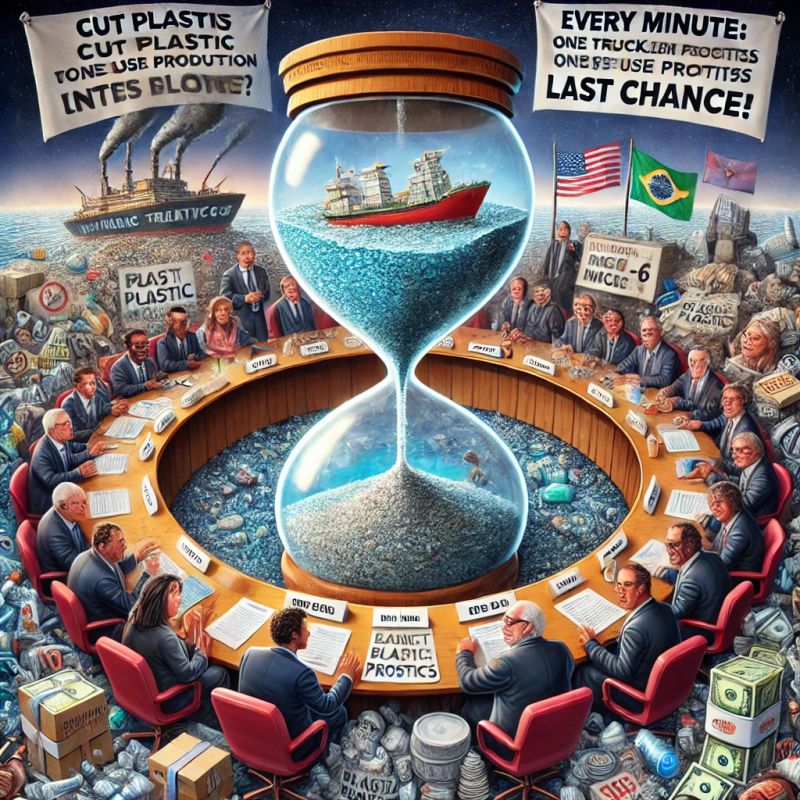
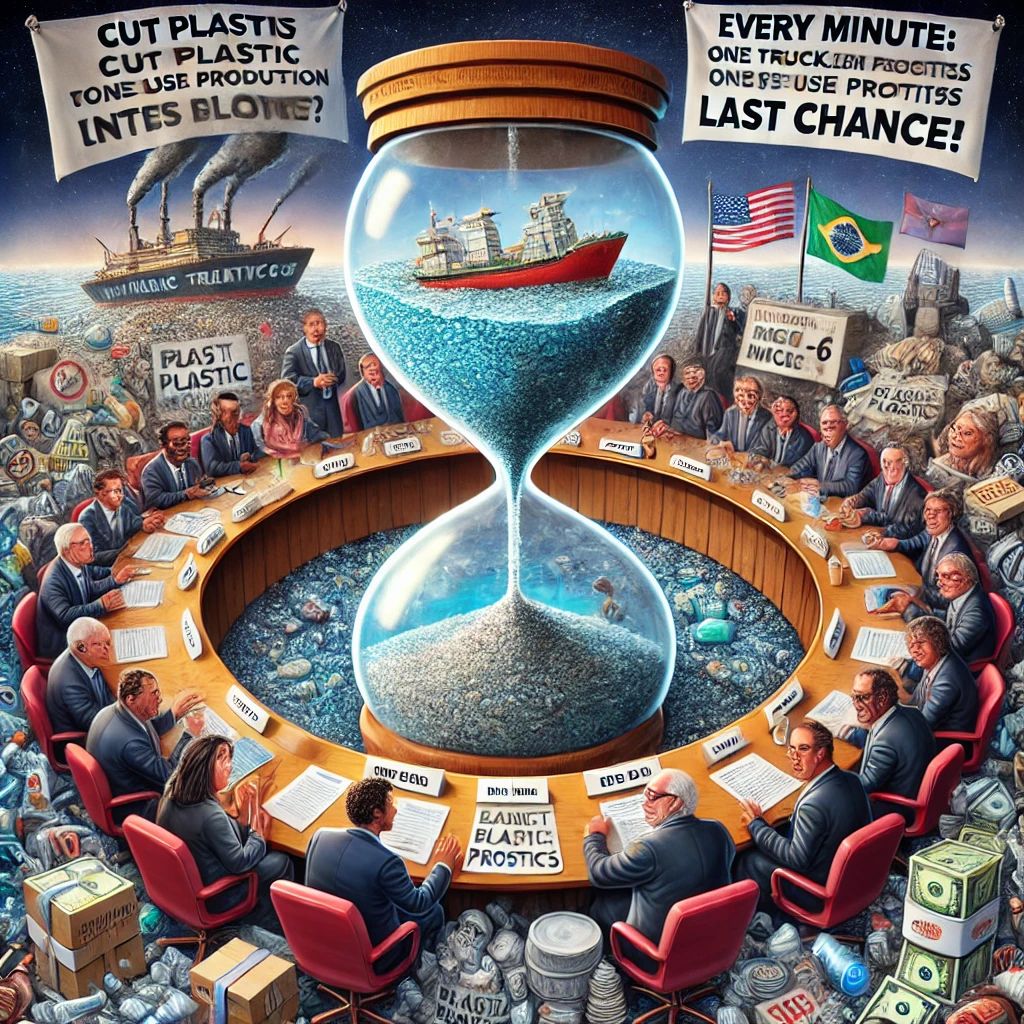
🚨 “Plastic Treaty Deadlock: Is INC-5 Fighting Pollution or Protecting Profits?” ♻️🌍💰
The Intergovernmental Negotiating Committee (INC-5) just wrapped up in Busan, South Korea, aiming to finalize a legally binding treaty on plastic pollution. Instead, the world got another delay. Why? A battle between cutting plastic production and protecting corporate interests.
🔴 1. The Big Divide: Who Wants Action vs. Who Wants Delay?
✅ 85 countries, including the EU and small island nations, pushed for binding plastic production cuts. (Source: UNEP, 2024)
❌ Saudi Arabia, Iran, and Russia led opposition, arguing waste management—not production—is the issue. (Source: The Guardian, 2024)
✅ Plastic waste is projected to triple by 2060 without drastic cuts. (OECD, 2024)
❌ Fossil fuel lobbyists outnumbered environmental groups 3:1 at INC-5, weakening proposals. (Source: WSJ, 2024)
🚨 Reality Check: Plastic production is expected to double by 2040, worsening the crisis. (Source: OECD, 2024)
🟡 2. The Stalemate: Key Proposals vs. Pushback
✅ Caps on virgin plastic production – would target the 450M tons of plastic produced annually. (Source: UNEP, 2024)
✅ Phase-out of toxic chemicals – over 16,000 chemicals are used in plastic, many unregulated. (IPEN, 2024)
✅ Stronger Extended Producer Responsibility (EPR) – shifts waste costs from consumers to corporations.
❌ Plastic production is still expected to grow by 80% by 2050 under current policies. (IEA, 2024)
❌ Half of all plastic ever made has been produced since 2000. (National Geographic, 2024)
🚨 Reality Check: Without cuts, plastic pollution will double in the ocean by 2040. (Source: Pew Charitable Trusts, 2024)
⚠️ 3. The Hard Truth: INC-5 is Running Out of Time
❌ Every minute, the equivalent of a garbage truck of plastic enters the ocean. (WWF, 2024)
❌ Only 9% of all plastic ever made has been recycled. (UNEP, 2024)
❌ Microplastics have been found in 80% of human blood samples tested. (Science Advances, 2024)
🚨 Reality Check: If INC-6 doesn’t enforce production cuts in 2025, this treaty risks becoming another empty climate agreement.
🏆 KeyTakeaway
The INC-5 negotiations ended in deadlock, as plastic-producing nations prioritize profits over pollution cuts. Without stronger global action in INC-6, this treaty could turn into just another greenwashed agreement.
👉 Will the world get a real plastic treaty—or just more delays?
PlasticCrisis NetZero Greenwashing ClimateAction INC5
Originally published on LinkedIn on 2025-02-03 08:51:04: https://www.linkedin.com/feed/update/urn%3Ali%3AgroupPost%3A9270968-7292102277627105281
NamasteGreenIndia at INC-5: Balancing National Interests and Global Goals
India has emphasized waste management over the reduction of plastic production, raising questions about its global strategy.
Key Highlights of India’s Position
1. Leadership in Eliminating Single_Use_Plastics
India has been a pioneer in banning 19 problematic single-use plastic items, following a comprehensive framework developed in 2019.
Atin Biswas, Programme Director for Solid Waste Management and Circular Economy at the Centre for Science and Environment (CSE), stated:
> “The criteria developed by India… can serve as a foundation for creating a comprehensive, logical, and science-based global framework for problematic, unnecessary, and avoidable plastic products including single-use plastic products.
2. Focus on Waste_Management over Production Control
India’s proposal centers on improving waste management practices rather than targeting plastic production reduction, contrasting with the approach of the High Ambition Coalition (HAC). The HAC, comprising 40+ countries like the EU and Peru, advocates for controlling plastic production to curb pollution.
3. Limited Collaboration with Developing Nations
India has faced criticism for not aligning more closely with other developing countries. Experts like Siddharth Ghanshyam Singh highlight the need for collaboration:
> “By aligning with other developing countries, [Like-Minded Countries] can ensure their interests are effectively represented while contributing to a strong, unified position.
4. Concerns About Treaty Scope
India, along with nations like Saudi Arabia, has introduced bracketed texts that narrow the treaty’s focus to waste management. This approach risks weakening the treaty’s ability to address pollution comprehensively.
5. Potential for Global Leadership
Despite its independent stance, India’s successful single-use plastic ban positions it as a potential leader in global negotiations. A collaborative approach with other developing nations could amplify its impact on creating a robust and equitable treaty.
A_Path_Forward: Balancing Independence and Unity
India’s contributions to INC-5 reflect its commitment to addressing plastic pollution through practical implementation and waste management improvements. However, as experts point out, collaboration with other nations can help achieve a more comprehensive global treaty while ensuring the interests of developing countries are effectively represented.
As INC_5 progresses, India’s role will be pivotal in balancing national priorities with the global imperative to combat plastic pollution.
Originally published on LinkedIn on 2024-11-29 05:21:59: https://www.linkedin.com/feed/update/urn%3Ali%3Ashare%3A7268132063952687104

