NamasteIndia Chip Race Smarter Entry.
Dr. Anju Sharma |MrsSustainability
India didn’t start with fabs.
And that wasn’t a delay.
It was a decision.
Coz entering semiconductors at the top means:
?$15–30B per fab
?Years of yield instability
?High failure probability
So India did something different.
👉 WHAT it did:
Launched ISM with ~$10B incentives, anchoring investments across OSAT, ATMP, and a first fab pipeline
👉 HOW it did it:
Built Sanand–Dholera clusters, partnered global players, and prioritized backend + ecosystem over headline fabs
👉 WHY it matters:
Because semiconductors aren’t won at the top.
They are sustained at the bottom.
The world’s most advanced fabs TSMC, Samsung Electronics don’t run on silicon alone.
They run on chemistry:
✓Etching gases: NF₃, CF₄, SF₆
✓Cleaning systems: H₂SO₄, H₂O₂, NH₄OH
✓Photoresists & solvents: PGMEA, IPA
✓CMP slurries: colloidal silica, ceria
At this level, purity is not quality.
It’s survival.
A tiny impurity can drop yields by 10–30%—destroying millions in wafer value.
Here’s the part most miss:
$Fabs are visible.
¢Chemistry is decisive.
Now the strategy becomes clear.
Instead of jumping into fabs where yield takes years to stabilize India is building the layers that keep fabs running.
Coz in semiconductors:
No etch gas → no pattern
No photoresist → no circuit
No slurry → no precision
👉 No chemistry → no yield
👉 No yield → no EBITDA
👉 No EBITDA → no fab
Now the opportunity.
India already has:
✓A $200B+ chemical industry
✓Fluorochemical capabilities (critical for etching & cleaning)
✓Process engineering depth
Yet semiconductor-grade materials remain dominated by Japan (~50%+ share in key segments).
👉 That gap is not a weakness.
It’s the entry point.
Fabs chase scale.
Chemistry builds dependence.
That’s the shift.
If India gets this right:
It integrates into global supply chains immediately
It builds revenue before fabs mature
It becomes part of what fabs cannot operate without
A compounding loop:
Fabs need inputs → India supplies
India supplies → capability deepens
Capability deepens → dependence builds
Once dependence builds…
Fabs don’t just get built in India.
They become inevitable in India.
Silicon powers the chip.
Chemistry decides who profits from it.” Dr. Anju Sharma
⚡ KtalystKlues
✔ Chips are engineered
✔ Yields are chemically controlled
➡ Build fabs → you compete
➡ Enable fabs → you compound
So maybe the real question isn’t:
Can India build fabs?
It’s this:
Can India become too critical to ignore before it does?
KtalystInsights KtalystKlues MrsSustainability
Originally published on LinkedIn on 2026-03-24 03:59:56: https://www.linkedin.com/feed/update/urn%3Ali%3AgroupPost%3A14627700-7442057588814409729
ProfitSustainability, Re_Engineered: TheGermanWay!
Dr. Anju Sharma KtalystInsights™ | MrsSustainability
Margins didn’t collapse in Germany.
They lost protection.
When scale stopped guaranteeing profits, Germany Inc. didn’t chase growth narratives
it changed the structure.
(For context: the DAX represents Germany’s 40 largest listed companies the country’s corporate backbone.)
In YR2026, How DAX giants are re-engineering profits
Siemens
✓ ~25% of Healthineers spun off to shareholders (late-2025)
✓ Siemens retains ~50%, targeting ~37% longer term
✓ Industrial software & automation now deliver >70% of group EBIT
BASF
✓ Agricultural Solutions carved into an independent SE
✓ New board from 1 May 2026
✓ €9.8 bn revenue (2024) ≈ 15% of BASF sales
✓ Ag pure-play peers trade at 2–3× higher EBITDA multiples
Thyssenkrupp
✓ TKMS IPO (Nov-2025) unlocked defence-led valuation
✓ Defence order books in Germany up >30% YoY
✓ Holding-company structure improves capital transparency
Mercedes-Benz Group
✓ High-end luxury models generate ~2× margins vs mass market
✓ Daimler Truck separation removed cyclical capital drag
Volkswagen
✓ €20+ bn committed to PowerCo (batteries)
✓ Cariad restructuring cut software losses ~40% YoY
✓ Structural separation protects core ROCE
Evonik
✓ Specialty chemicals now >80% of EBITDA
✓ Legacy materials exits conclude H1 2026
✓ Specialty peers trade at +300–500 bps margin premium
Allianz
✓ Solvency II ratio consistently >200%
✓ Fee-based earnings now ~⅓ of operating profit
Deutsche Telekom
✓ Towers & fibre valued at 10–15× EBITDA
✓ Infra carve-outs lower balance-sheet intensity
BMW
✓ “Neue Klasse” targets ~30% cost reduction per EV
✓ EV platforms insulated from ICE margin volatility
Bayer
✓ Crop Science contributes ~45% of group revenue
✓ Rising investor pressure to separate Pharma & Ag
✓ Conglomerate discount widened post-Monsanto
📊 The YR2026 reality check
✓ 24.8% of German companies expect business deterioration
(ifo Institute, Q1-2026)
✓ Germany corporate profits ~€215 bn (2026E)
→ profit pools are more concentrated
✓ DAX +~15% YoY, despite muted earnings growth
→ structure, not volume, is driving valuation
✓ ~33% of firms plan workforce reductions
✓ Hiring is strongest in spin-offs: defence, green tech, digital infra
✓ Conglomerates trade at a 15–30% valuation discount
vs comparable pure-play peers
What Germany figured out
In 2026: Size ≠ Strength
✓ Separability = resilience
✓ Pure plays command higher multiples
✓ Focused boards allocate capital faster
✓ Geography decides margins — structure decides valuation
Profit sustainability is the outcome of strategy_sustainability & capitaldiscipline.
Dr. Anju Sharma
Source / shared link: https://www.economist.com/business/2026/01/08/germanys-industrial-conglomerates-are-breaking-up-to-stay-alive?utm_campaign=shared_article
Originally published on LinkedIn on 2026-01-10 09:44:29: https://www.linkedin.com/feed/update/urn%3Ali%3Ashare%3A7415689986395762688
📉💥 KtalystInsights | G30 ThinkTank Report Draws the Line at 2% | Math is economics
🚨 What Just Happened?
The Group of Thirty (G30)—a league of money wizards (think ex-Fed chiefs, econ professors, global bank bosses)—just dropped a 🔥 report asking the U.S. Fed to clean up its act.
Because when the Fed whispers, markets move, currencies shift, and your future loan rate changes.
🧩 Why the Drama?
The Fed’s current playbook (FAIT = Flexible Average Inflation Targeting) = 🌀 Confusing
➡️ Inflation spiked
➡️ Fed delayed
➡️ World freaked out
So G30’s like:
💬 “Enough flexibility. Back to 2% basics.
🎯 What G30 Wants (aka The Fix-it List):
📏 Drop FAIT → Bring Back AIT
→ Just say 2% and mean it. No wiggle room.
🎯 Stick to the Job
→ Inflation > inclusion. Central banks aren’t superheroes.
📈 Show Your Work
→ Publish forecasts + what-if scenarios after every Fed meet.
🛠️ Tool Clarity Please
→ Stop confusing us with QT, QE, and mystery levers.
⏰ Why Now?
📅 Fed is reviewing its rulebook later this year.
🗳️ 2024 U.S. elections = Pressure to cut rates.
🌍 Global markets = Begging for consistency.
G30 = “Fix it before politics or panic rewrite the next chapter.
👥 Who’s Leading This Reality Check?
🧠 Raghuram Rajan = New G30 Chair
📊 Kazuo Ueda = Japan’s top banker joins
💼 William Dudley = Report boss & ex–NY Fed
Yep. The grown-ups are in the room—and they’re drawing red lines in economic sand.
💡 TL;DR How
✨ The 2% target isn’t just a number.
It’s the rule of monetary trust.
And G30 just reminded the Fed (and all of us) that real power lies in predictable math—not political noise.
Economies don’t fail from volatility—they fail from vague frameworks. The G30’s call to anchor at 2% isn’t just monetary housekeeping—it’s a blueprint for global credibility.
Dr. Anju Sharma
GenAlphaPolicy | AITvsFAIT | 2PercentClub | G30Effect | KtalystKeystone | MonetaryMoves | MacroDecoded MoneyMatters | MrsSustainability
Originally published on LinkedIn on 2025-07-26 04:48:19: https://www.linkedin.com/feed/update/urn%3Ali%3AgroupPost%3A14627700-7354734288849776641
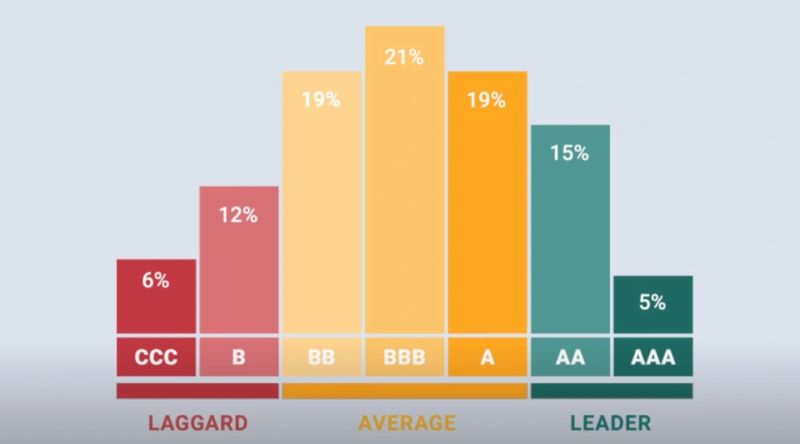
📚 KnowledgeSeries: Understanding MACI SustainabilityRatings
With ESG investing surpassing $40 trillion, sustainability metrics are no longer optional—they directly impact financial markets. But traditional ESG ratings often miss the biggest contributor to emissions: Scope 3 (supply chain & product lifecycle).
Enter MACI (Morningstar Absolute Carbon Impact)—a next-gen sustainability metric designed to measure real carbon impact, beyond corporate disclosures.
🔎 What is MACI?
📌 MACI (Morningstar Absolute Carbon Impact) is a carbon-focused rating that quantifies total emissions, unlike traditional ESG scores that rely on self-reported data.
✅ Scope 1 – Direct emissions from company operations
✅ Scope 2 – Indirect emissions from purchased energy
✅ Scope 3 – Supply chain & product lifecycle emissions (often 80-95% of total emissions)
📊 Only 5% of companies currently disclose full Scope 3 data, despite it making up 75% or more of their total carbon footprint. MACI ensures investors see the full picture.
🌍 Why is MACI a Game-Changer?
🟢 Exposes True Carbon Impact
📌 Over 90% of S&P 500 companies report ESG data, but less than 30% include Scope 3 emissions. MACI forces transparency by measuring actual environmental impact.
💰 Links Carbon Impact to Financial Risk
📌 Firms with high Scope 3 emissions face 10-15% valuation risks due to carbon pricing, regulation, and shifting consumer demand. Investors using MACI can identify & price these risks early.
📊 Goes Beyond Traditional ESG Ratings
📌 MSCI, Sustainalytics, & CDP rely on corporate sustainability claims—but MACI measures actual emissions data. This removes greenwashing from ESG scores.
🚀 Guides Net Zero Investments
📌 81% of global companies have Net Zero goals, but only 19% have credible transition plans. MACI identifies companies actually reducing emissions, ensuring investors back real sustainability leaders.
💡 How Financial Markets Depend on MACI
🏦 Sustainable Finance
📌 #$500 billion in Green Bonds & ESG Funds rely on sustainability scores. MACI ensures these funds actually reduce carbon impact.
📉 Investment Risk Assessment
📌 Climate risk is now considered a financial risk. Regulated markets (EU, US, UK, APAC) require stricter carbon disclosure. MACI helps investors assess exposure before risks impact stock prices.
📜 Regulatory Compliance
📌 The EU Taxonomy, SEC Climate Disclosures, & IFRS ESG Standards will require comprehensive Scope 3 reporting. MACI aligns with these frameworks, ensuring compliance-ready investments.
🔥 The Takeaway
As corporate greenwashing grows, investors need credible carbon metrics that go beyond PR campaigns. MACI is setting the new standard for data-driven sustainability investing.

Originally published on LinkedIn on 2025-02-27 01:47:03: https://www.linkedin.com/feed/update/urn%3Ali%3AgroupPost%3A9088131-7300692883345412096
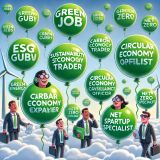
🚨 “Green Job# : The Skills You Need Before It Pops!” 🌱💼💡
Sustainability careers are booming—until they aren’t. Are you equipped to survive the shift?
The GreenJobMarket is in flux. While some companies are doubling down on climate commitments, others are scaling back. To stay employable, professionals must pivot to high-demand green skills and future-proof their careers.
📊 Where Are Green Jobs Growing & Shrinking?
🔹 Growing Sectors
✔️ Renewable Energy – Solar, wind, hydrogen economy roles. (IEA, 2025)
✔️ Carbon Markets & ESG Compliance – Analysts, auditors, legal experts. (WEF, 2025)
✔️ Sustainable Finance – Green bonds, impact investing, risk assessment. (Bloomberg, 2025)
✔️ Circular Economy & Waste Management – Supply chain & product lifecycle managers. (McKinsey, 2025)
✔️ AI & Climate Tech – Data scientists for energy efficiency & emissions tracking. (LinkedIn, 2025)
🔻 Shrinking Sectors
❌ Corporate ESG Jobs – 32% decline in sustainability reporting roles. (LinkedIn, 2025)
❌ Green Marketing & PR – Companies now face greenwashing scrutiny. (SEC, 2025)
❌ EV Production – Hiring slowdown due to margin pressures. (Reuters, 2025)
❌ Fashion & Retail Sustainability – Slowed down due to supply chain issues. (Fashion Index, 2025)
🛠️ Top Skills for the Future of Green Jobs
🚀 Technical Skills
✔️ Renewable Energy Systems (Solar, Wind, Green Hydrogen)
✔️ Climate Data Analytics & AI Integration
✔️ Carbon Accounting & Emissions Reporting
✔️ Environmental Law & ESG Compliance
✔️ Sustainable Finance & Green Bond Structuring
🧠 Soft Skills
✔️ Critical Thinking & Policy Interpretation
✔️ Change Management & Corporate Governance
✔️ Stakeholder Engagement for Climate Initiatives
🔍 How to Access Green Careers?
1️⃣ Certifications Matter – Courses in carbon accounting, ESG frameworks, and energy transition (e.g., CFA ESG, GRI, TCFD).
2️⃣ Tech Upskilling – AI & data science applications in sustainability will be a game-changer.
3️⃣ Networking & Internships – Follow top climate leaders, join sustainability forums.
4️⃣ Freelance & Consulting – Many firms outsource climate expertise due to cost cuts.
5️⃣ Government & Policy Roles – Public sector jobs are growing in climate action strategies.
🏆 KeyTakeaway
💡 Green jobs could be the foundation of future economies—but only for skilled professionals.
📉 Sustainability careers should be backed by technical knowledge, not just passion.
💥 The Green Job Bubble would be the next employment crisis if professionals don’t upskill.
👉 What’s your take? Are green jobs a safe bet for the next decade? Drop your thoughts below! 👇

Originally published on LinkedIn on 2025-02-19 16:37:04: https://www.linkedin.com/feed/update/urn%3Ali%3AgroupPost%3A2474261-7298017760159170565
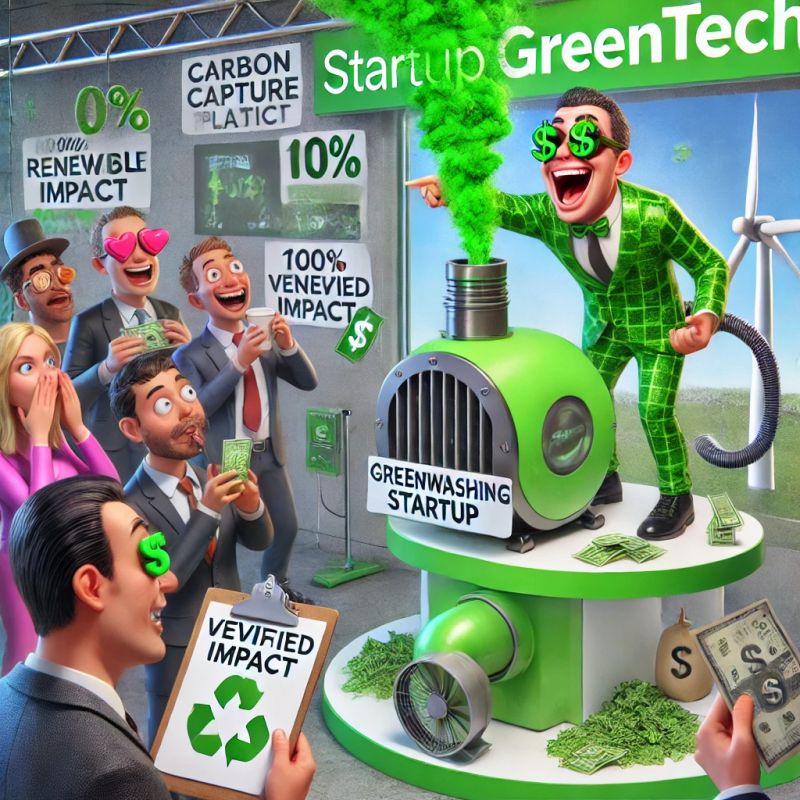
🌿💸 “The Billion_Dollar_Carbon_Mirage: Are Climate Startups the New Face of Greenwashing?
With venture capital flooding into climate tech, the world is betting big on startups promising net-zero innovations. But how many of these so-called ‘climate disruptors’ are truly sustainable, and how many are just cashing in on the green gold rush?
📊 The_Climate_Startup_Boom – Hype vs. Reality
✅ VC Money is Pouring In:
✔️ $60B invested in climate startups in 2024, a record high. (PitchBook, 2025)
✔️ Green energy & carbon capture saw a 310% funding surge in 3 years. (WEF, 2025)
🚨 Reality Check: Funding doesn’t equal impact—many startups prioritize valuations over verified sustainability.
🔍 How Climate Startups Greenwash Investors & Consumers
🛑 1. Carbon_Capture Scams: Startups claiming to remove CO₂ from air but with no independent verification.
🛑 2. ‘Green_AI’ That Isn’t Green: AI-powered sustainability platforms that run on carbon-heavy data centers.
🛑 3. Fake_Circular_Economy Models: Brands advertising “100% recycled” but only 10% of their product actually is.
🛑 4. Tree_Planting Offsets Without Proof: Companies raising billions on reforestation projects—but the land remains barren.
📌 Reality Check: Green startups can be just as guilty of false sustainability claims as big corporations.
⚠️ Biggest Climate Startup Greenwashing Scandals (2024)
❌ CarbonX: Raised $500M for direct air capture, but reports show 95% of emissions “captured” were never stored. (Forbes, 2024)
❌ EcoFuel: Claimed “cleanest biofuel” but emitted 2x more CO₂ than diesel. (Bloomberg, 2024)
❌ ReGen Plastics: Promised 100% ocean plastic recycling, but used only 8% in production. (Greenpeace, 2024)
📌 Reality Check: If climate startups mislead, are they solving the problem—or becoming it?
🏆 KeyTakeaway
The Climate Startup Boom could be a game-changer if real innovation leads the way, should be held accountable through independent audits, but would be the next greenwashing scandal if hype replaces real action.
👉 Are climate startups the future or just another sustainability bubble? Let’s discuss! 👇
Originally published on LinkedIn on 2025-02-17 17:37:01: https://www.linkedin.com/feed/update/urn%3Ali%3AgroupPost%3A4385073-7297308068034363394
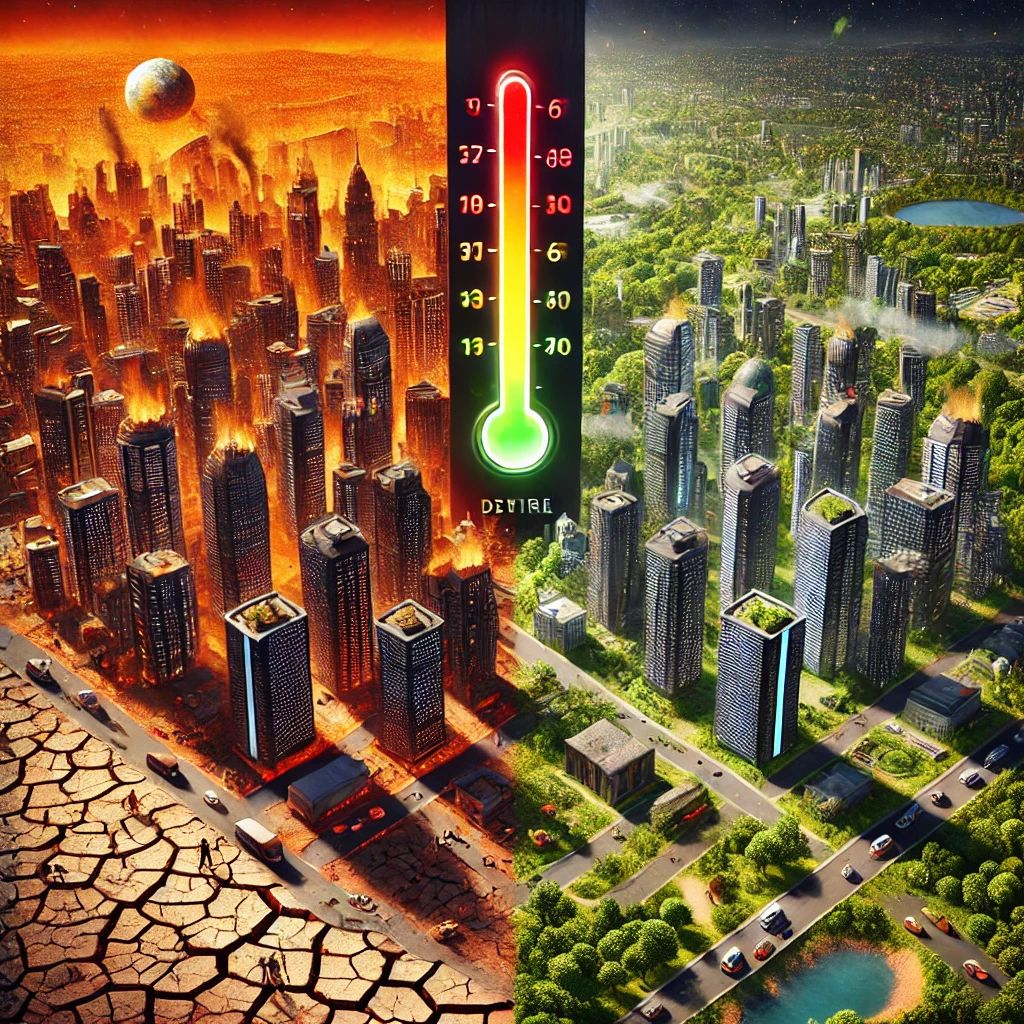
🔥 “India’s Urban_Heat_Trap: Cities Are Warming Faster Than Ever!” 🌆🌡️
🚨 Check_your_city_temperature_rise_in_last_decade_add_it_here! How much has your city warmed up? Let’s build a real-time heat map together.
India’s urban centers are heating up at record rates. Over the past decade, rapid urbanization, deforestation, and climate shifts have caused minimum temperatures to surge across major metros.
📊 How Fast Are Indian Cities Warming?
Delhi: 🌡️ 9.3°C (Feb 2015) → 12°C (Feb 2025), a 3°C rise.
Mumbai: 🌡️ 17.0°C → 20°C, warming despite its coastal buffer.
Ahmedabad: 🌡️ 12.4°C → 15°C, a 2.6°C increase.
Jaipur: 🌡️ 10.3°C → 13.5°C, driven by heat-absorbing concrete expansion.
Patna: 🌡️ 7.9°C → 11°C, highlighting landlocked heat retention.
Lucknow: 🌡️ 4.7°C → 9°C, a sharp 4.3°C surge!
Dehradun: 🌡️ 8.2°C → 10.7°C, warming despite being a hill station.
📌 RealityCheck: 🌍 Urban minimum temperatures are rising 2-4 times faster than rural areas! (IMD, 2025)
🚨 What’s Causing This Heat Surge?
Deforestation & Green Cover Loss – India lost 2.33M hectares of forest (2001-2023). (GlobalForestWatch, 2024)
Urban Heat Island Effect – Cities now absorb & retain 5-7°C more heat than nearby rural areas. (NASA, 2024)
Traffic & Industrialization – Vehicle & industrial emissions trapped heat in 80% of India’s urban regions. (CSE, 2025)
Unregulated Construction – 85% of new Indian buildings use non-reflective, heat-absorbing materials. (BEE, 2024)
🔥 Which Cities Are Most at Risk?
🚨 Delhi: Lost 20% of tree cover in a decade, worsening extreme heat.
🚨 Mumbai: Heat waves increased by 40% since 2010. (IMD, 2025)
🚨 Lucknow & Patna: Surging night-time temperatures, lack of cooling infrastructure.
🚨 Ahmedabad & Jaipur: Urban expansion & land degradation fueling temperature spikes.
🚨 Dehradun: Deforestation in Uttarakhand is pushing mountain cities into heat stress.
📌 RealityCheck: 🏙️ If this continues, Indian summers will be unbearable & winters will vanish.
🏆 What Can Be Done?
✅ Urban Greening – Increasing tree cover & water bodies can lower temperatures by up to 4°C.
✅ Heat-Resistant Infrastructure – Using reflective materials can reduce indoor heat by 20%.
✅ Cooling Corridors & Smart Cities – Integrating natural cooling spaces in city planning.
✅ Reduce Fossil Fuel Dependence – 60% of urban heat emissions come from vehicles & industries.
📌 RealityCheck: 🌡️ Ignoring this will make our cities unlivable.
🏆 KeyTakeaway
India could be a global leader in climate-adaptive urbanization,
should be prioritizing green infrastructure & heat-resilient city planning,
but would be locked in a dangerous heat spiral without urgent action.
👉 Is your city getting hotter? What solutions do you see? Drop your thoughts below! 👇

Originally published on LinkedIn on 2025-02-16 17:01:03: https://www.linkedin.com/feed/update/urn%3Ali%3Ashare%3A7296936630790033408
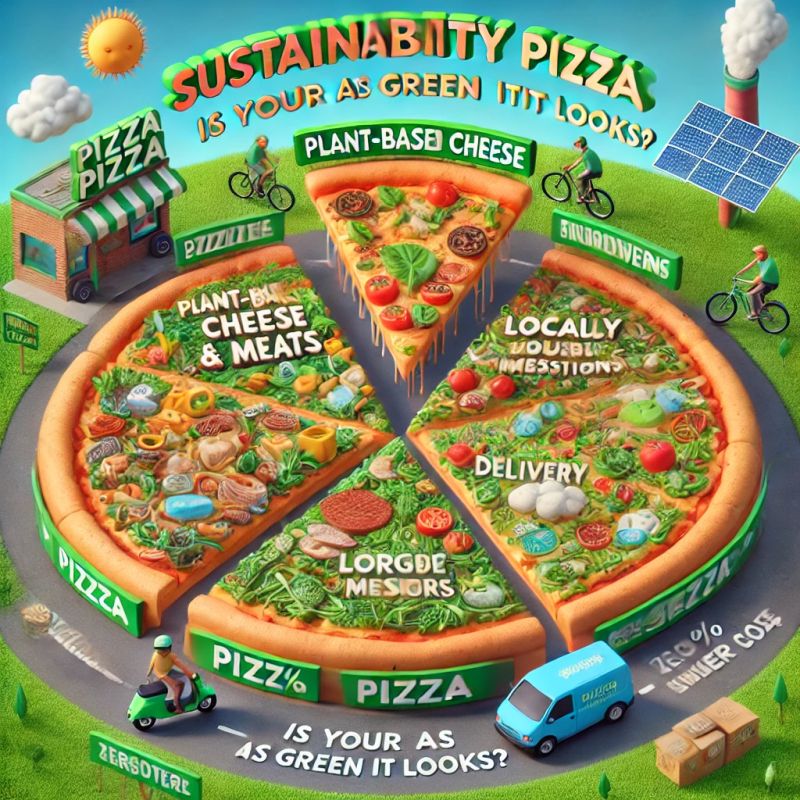
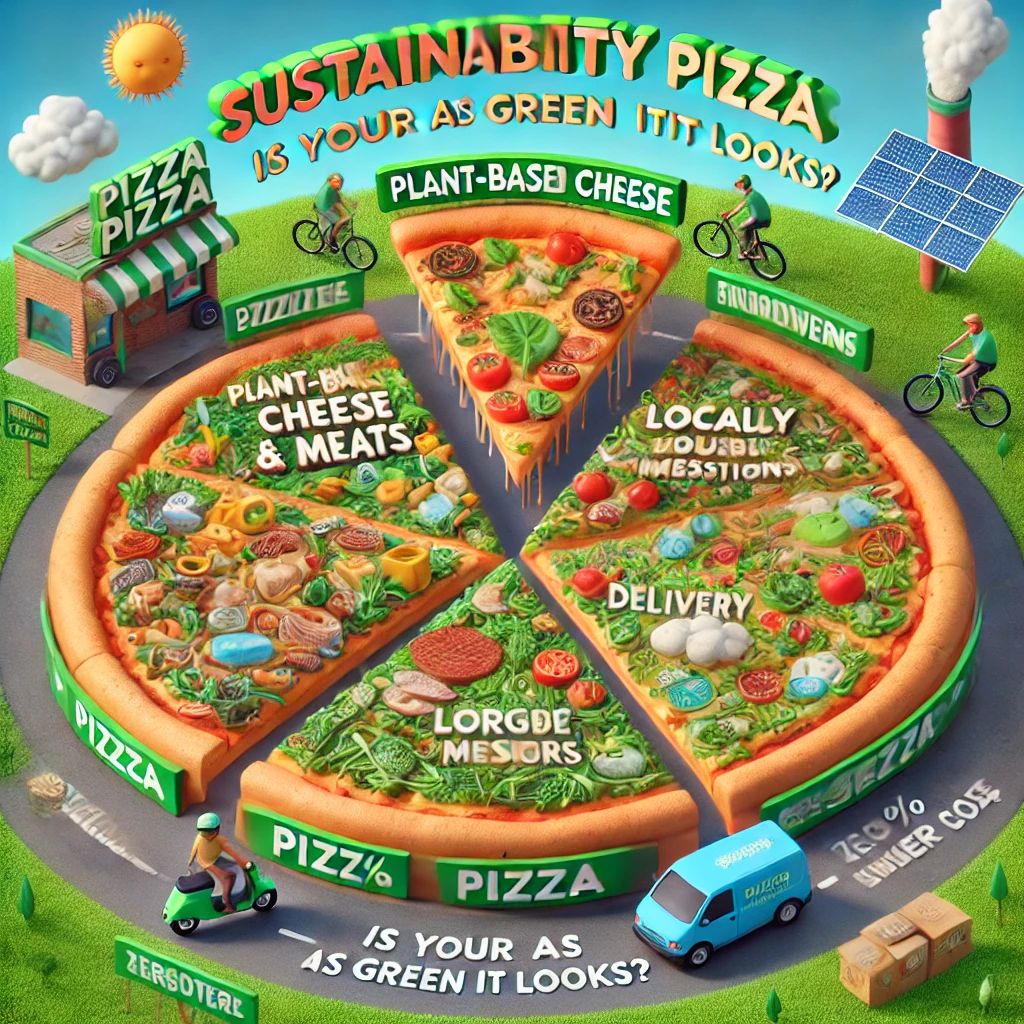
🍕🌱 The_Sustainability_Pizza: Is Your Slice Saving or Polluting the Planet?
Pizza might be the ultimate comfort food, but is it eco-friendly or a hidden climate offender? From cheese emissions to delivery impact, your favorite slice might not be as green as it looks.
📊 The Carbon Footprint of a Pizza
🚨 Dairy Disaster – Cheese production accounts for 60% of a pizza’s total carbon footprint, with dairy farming emitting 4% of global greenhouse gases. (FAO, 2024)
🚨 Meat Overload – Adding pepperoni or sausage increases pizza emissions by 80%, making it one of the least sustainable toppings. (IPCC, 2024)
🚨 Flour Footprint – Wheat farming for pizza dough consumes 35 trillion liters of water annually. (WWF, 2024)
🚨 Packaging Problem – 3 billion pizza boxes are used globally each year, but only 27% are actually recycled due to grease contamination. (EPA, 2024)
🚨 Delivery Emissions – Food deliveries generate 6% of all urban transport emissions, with pizza orders leading the pack. (IEA, 2024)
📌 Reality Check: That cheesy, meaty slice may have a higher footprint than your daily commute.
♻️ How to Make Pizza More Sustainable?
✅ Plant-Based Cheese & Meats – Vegan cheese and alt-meats reduce emissions by 50-80% compared to dairy & pork. (Sustainable Food Report, 2024)
✅ Locally-Sourced Ingredients – Using regional veggies and grains cuts transport emissions by 40%. (UNEP, 2024)
✅ Compostable Pizza Boxes – Some brands now use 100% biodegradable packaging, reducing landfill waste. (Recycling International, 2024)
✅ Energy-Efficient Ovens – New tech lowers energy consumption by 30% while reducing kitchen heat waste. (Clean Energy Council, 2024)
✅ Green Delivery – Bicycle and EV deliveries slash CO₂ emissions by 60% compared to gas scooters. (McKinsey, 2024)
📌 Reality Check: Pizza sustainability isn’t just about the ingredients—it’s the entire supply chain.
🛑 Greenwashing in the Pizza Industry
❌ #‘Eco-Friendly’ Labels Without Action – Some brands highlight one sustainable ingredient while ignoring wasteful packaging and supply chains.
❌ Carbon Offsets Instead of Real Change – Offsetting emissions without actually reducing footprint is a marketing trick.
❌ Recyclable Boxes That Aren’t Recycled – Most pizza boxes are contaminated by grease, making them non-recyclable despite green branding. (Recycling Myths, 2024)
📌 Reality Check: If a pizza brand claims to be ‘green,’ check if their entire supply chain follows through.
🏆 KeyTakeaway
Sustainable pizza could be the next big food revolution, should be focused on reducing food waste & emissions, but would be another greenwashing trend if brands don’t take real action.
👉 Is your favorite pizza actually sustainable, or just a slice of marketing?
SustainableFood GreenPizza EcoFriendlyEats CarbonNeutral CircularEconomy
Originally published on LinkedIn on 2025-02-06 05:19:07: https://www.linkedin.com/feed/update/urn%3Ali%3AgroupPost%3A2474261-7293136103753080832
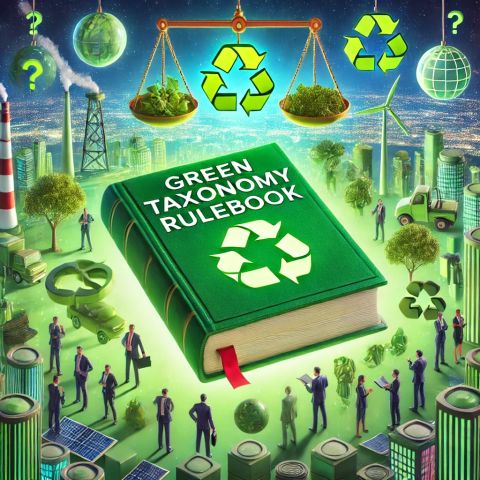
🌍 Green_Taxonomy: The Billion_Dollar_Climate_Rulebook” 📖💰♻️
Governments & investors are pumping trillions into ‘green projects’, but how do we know what’s actually sustainable and what’s greenwashing? That’s where Green Taxonomy comes in—a global rulebook defining what’s truly green.
Let’s break it down data-first.
📖 1. What is Green_Taxonomy?
✅ A classification system that defines which economic activities are truly ‘green.
✅ Prevents greenwashing by ensuring companies & funds don’t falsely claim sustainability.
✅ Guides investors & governments toward legitimate climate-friendly projects.
🚨 Why It Matters? Over $1.5 trillion in ESG investments may be at risk due to misleading green claims. (Bloomberg, 2024)
🏆 Key Impact: Governments use Green Taxonomy to shape climate policies, carbon markets, and financial incentives.
🌎 2. Global Green Taxonomies: Who’s Leading?
✅ 🇪🇺 EU Taxonomy: Strictest framework, defining what counts as green. (Source: EU Commission, 2024)
✅ 🇨🇳 China’s Green Bonds Catalog: Focuses on renewable energy & pollution control. (PBOC, 2024)
✅ 🇮🇳 India’s Green Taxonomy: Aligned with Sustainable Finance Guidelines. (RBI, 2024)
✅ 🇺🇸 US SEC ESG Rules: Weaker than EU’s, but cracking down on greenwashing. (SEC, 2024)
🚨 The Problem? Each country defines ‘green’ differently, creating market confusion for investors.
🏆 What’s Needed? A globally harmonized green taxonomy to ensure credibility & consistency.
💰 3. How Green Taxonomy Affects Business & Investments
✅ Corporations Must Report Sustainability Metrics or risk losing ESG funding.
✅ Green Bonds & Climate Finance—Only certified green projects qualify for funding.
✅ High-Carbon Industries (Oil, Gas, Cement) face stricter compliance & reporting rules.
🚨 Reality Check: #$4.2 trillion in green bonds were issued in 2023—but without strong taxonomy rules, many may not be truly ‘green.’ (Climate Bonds Initiative, 2024)
🏆 Who Wins? Companies investing in real sustainability, not just optics.
⚖️ 4. The Green Taxonomy Controversies
🔴 Is Nuclear Energy Green? 🇪🇺 The EU says YES. Critics say radioactive waste isn’t sustainable.
🔴 Is Natural Gas Green? 🇪🇺 Labeled it ‘transitional green’, sparking backlash from climate groups.
🔴 Are Carbon Offsets Valid? Many taxonomies exclude carbon credits due to verification concerns.
🚨 The Challenge? Balancing economic growth & real sustainability without greenwashing.
🏆 KeyTakeaway
The Green Taxonomy is reshaping global finance & sustainability rules. Countries that set clear standards will attract more green investments, while loopholes & weak regulations risk fueling greenwashing.
👉 Will Green Taxonomy stop greenwashing or just create more loopholes?
GreenFinance Sustainability ESG CarbonMarkets NetZero ClimateAction

Originally published on LinkedIn on 2025-01-31 08:57:08: https://www.linkedin.com/feed/update/urn%3Ali%3AgroupPost%3A100646-7291016643428704256
WowTheWar2. Strategy Over Strength: Smarter Moves for the Corporate Hustle
Sun Tzu once said, “Victorious warriors win first and then go to war, while defeated warriors go to war first and then seek to win.” In today’s corporate jungle, it’s not about having the biggest team or budget—it’s about playing smart, staying sharp, and owning your game. How this works in today’s world???
How to Slay It in the Corporate World
1. Outthink, Don’t Outspend
Think Tesla or Airbnb. They didn’t try to beat the big players at their own game—they rewrote the rules.
Focus on niche solutions that solve real problems better than anyone else. Bigger isn’t always better.
2. Precision Beats Power
Stop trying to do it all. The most successful companies (and people) invest their time and energy into areas where they truly shine.
Be exceptional in what you do, not just noisy. Own your lane.
3. Adapt or Fade Out
Change is the only constant. Companies that survive don’t just react to change—they own it.
Pivot, innovate, and embrace the chaos to stay ahead of the curve.
💡 Pro Moves for the Modern Pro:
Find your sweet spot: Align your strengths with gaps in the market where you can dominate.
Leverage tech: Tools like AI, automation, and analytics aren’t just buzzwords—they’re your secret weapons.
Collab like a boss: Innovation doesn’t happen in silos. Diverse, agile teams are the real MVPs.
TL;DR:
In today’s corporate grind, strategy beats brute force every time. Work smarter, not harder, and let your bold moves do the talking. The future belongs to those who can think fast, adapt faster, and crush it without spending big.
NextGenLeaders CorporateHustle InnovationUnleashed TheArtOfWar

Originally published on LinkedIn on 2024-12-15 12:54:44: https://www.linkedin.com/feed/update/urn%3Ali%3AgroupPost%3A4236911-7274044206354964480

