⚛️ Hope, Hype, & H₂: TripleHelix of H₂ for the new energy world
Hydrogen just entered its rockstar era, hyped by investors, powered by policies, & worshipped by every net-zero manifesto.
Between hope (ambition), hype (investment), & hard_reality (infrastructure) lies the triple_helix twisting the fate of H₂.
Hope: Over 500 H₂ valleys planned by 2030.
Hype — $600 billion announced worldwide, yet <15% reached Final Investment Decision.
Hard Reality — Electrolysers need green electrons, not green headlines.
Sustainability isn’t a trend to follow, it’s a truth to fuel.
Hydrogen_Hard_Facts 2024–25
Cost of Production
1) Grey Hydrogen: ~$1–2 / kg (still cheapest).
2) Blue Hydrogen: 40–60% cheaper than green in 2024 projects.
3) Green Hydrogen: $3.7 / kg (U.S.) – $5.6 / kg (EU) projected by 2030; currently €3–7 / kg depending on renewable power cost.
Electrolyser & Manufacturing Capacity
1) Installed electrolysis capacity hit 2 GW in 2024 (up >1 GW from 2023).
2) Global manufacturing capacity now exceeds 17 GW, though only ~4% of projects reached FID.
3) China leads with 65% of total capacity and >2.4 GW new orders placed in early 2025.
Refuelling Stations & Infrastructure
1) 1,160 hydrogen refuelling stations operational globally by end-2024; ~1,680 operational + planned.
2) Asia has 748 stations (China 384 | Korea 198 | Japan 161); Europe has 294 (Germany 113); North America only 89 (mostly California).
3) 80% of all stations concentrated in 5 countries which are China, South Korea, Japan, France, and Germany.
ProjectPipeline & Investment
Global hydrogen demand ≈ 100 Mt (million tonnes) in 2024 (+2% YoY).
Total committed investments > $29 billion; only ~4% of projects under construction/FID.
Green hydrogen market ≈ $8.8 billion (2024) → forecast > $50 billion by 2030 (CAGR ≈ 40%).
Air Liquide + TotalEnergies investing €1 billion in Dutch electrolyser (450 MW capacity).
Top7Economies :Targets vs Turbulence
US — $9.5 B IRA funding + 7 hydrogen hubs; carbon-intensity rules still unclear.
EU — 20 Mt target by 2030; fragmented pipelines & slow import flows.
Japan — 3 Mt goal; fuel-cell fleet expanding but still grey import reliant (≈ 3× LNG transport cost).
China — 200 pilot projects; 1 Mt target by 2025 but > 80% coal-based.
NamasteIndia — 5 MMT green goal; ₹17,490 Cr (~$2.1 B) in incentives; bottlenecks: land & renewable intermittency.
SouthKorea — 3.9 MMT target; 50 k H₂ vehicles planned; 70% supply via ammonia imports.
Australia — $2 B Hydrogen Headstart Fund; export-ready but logistics costs erode ROI.
H₂ promise is planetary, but making it practical is political, technical, and capital-intensive.
The molecule may be universal but the infrastructure isn’t.
H₂ could rewrite our energy story, only if economics, engineering, and policy play in sync.
💬 Your thoughts — Hope, Hype, or Hard Reality (with data at hand)?
KtalystInsights KtalystKeystone HydrogenRevolution MrsSustainability
Originally published on LinkedIn on 2025-10-15 01:13:19: https://www.linkedin.com/feed/update/urn%3Ali%3AgroupPost%3A82951-7384033599672696832
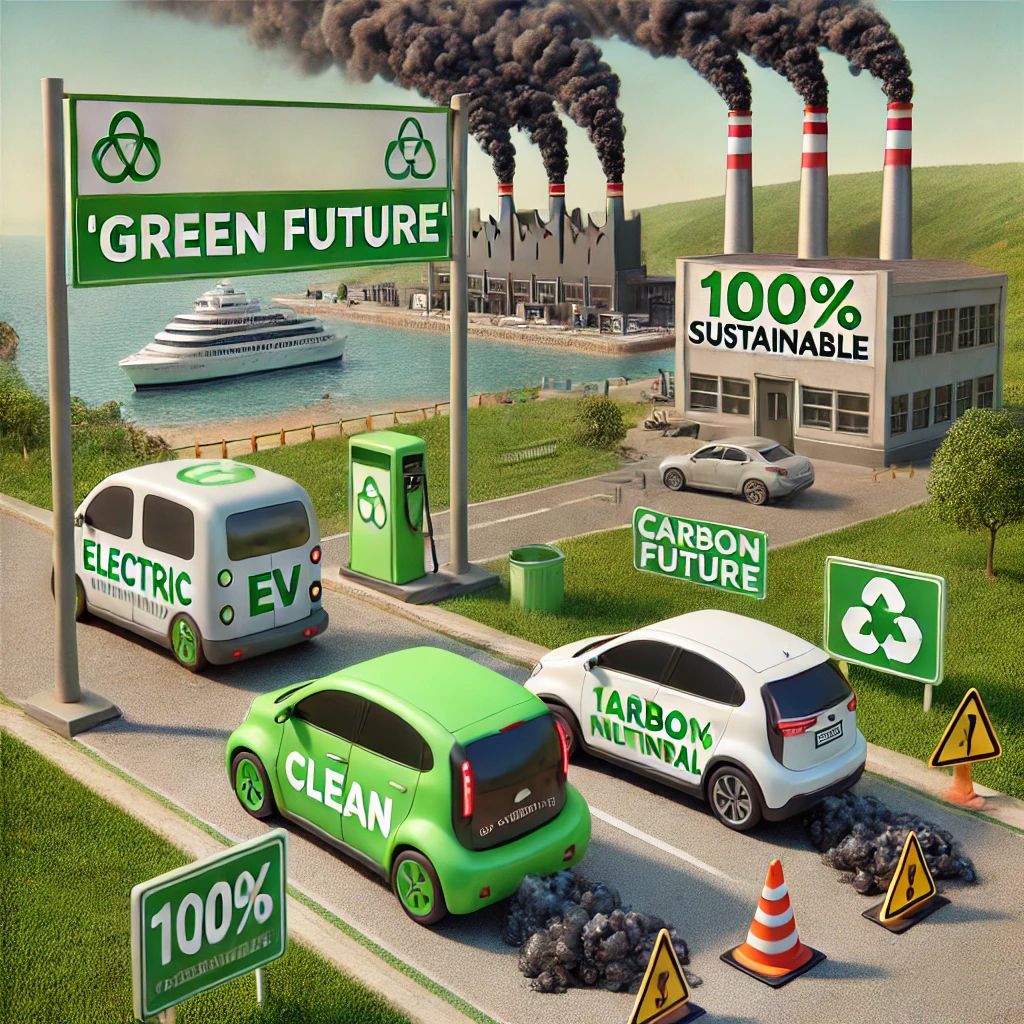
🚗⚡ YR2035’s Green_Auto_Mirage: Are EVs, Hydrogen Fuel Cells, and Synthetic Fuels Truly Sustainable or Just Greenwashing? 🌍💨
As we race toward 2035’s petrol-diesel ban, automakers push EVs, HFCVs, and SyntheticFuels as the future. But are these real solutions or clever marketing?
🔋 EVs: Cleaner or Just Elsewhere Emissions?
📌 Battery Production: An 80 kWh battery emits 2.4 – 16 metric tons of CO₂—equal to driving a gasoline car for 5-7 years. (MIT, 2024)
📌 Resource Impact: Each EV battery needs 63kg lithium, cobalt, & nickel, causing deforestation & water pollution. (GreenCars, 2024)
📌 Power Grid Dependence: An EV running on coal-based electricity emits more CO₂ per mile than hybrids. (EPA, 2024)
📌 Reality Check: EVs help only if powered by clean energy.
💧 Hydrogen: Clean Hype or Fossil Fuel Disguise?
📌 Production Problem: 96% of global hydrogen is made from natural gas & coal, emitting 830M metric tons of CO₂. (IEA, 2024)
📌 Efficiency Loss: HFCVs require 3x more renewable electricity than EVs. (US DOE, 2024)
📌 Reality Check: Unless made from renewables, hydrogen is just another fossil fuel.
⛽ Synthetic Fuels: Carbon-Neutral or Clever Greenwashing?
📌 Energy Guzzler: Producing 1L of synthetic fuel takes 6x more energy than refining petrol. (Fraunhofer, 2024)
📌 Still Polluting: Burns CO₂ and emits more NOx than conventional fuels. (MDPI, 2024)
📌 Reality Check: Synthetic fuels aren’t zero-emission—they just relocate pollution.
🚨 Greenwashing in the Auto Industry
🔻 BMW, Toyota, Honda exaggerated EV carbon savings by omitting battery emissions. (Greenpeace, 2024)
🔻 Porsche’s synthetic fuel plant claims zero emissions but runs on coal-powered electricity. (The Guardian, 2024)
🔻 India & U.S. promised 1M EV chargers by 2025, yet less than 20% installed. (BloombergNEF, 2024)
📌 Reality Check: Many automakers sell ‘green’ promises, but not real sustainability.
🏆 Key Takeaway: Hype or Hope?
🚘 EVs, HFCVs, & Synthetic Fuels could be clean if the supply chain is green.
♻️ They should be backed by strict sustainability policies.
⚠️ But they would be just another greenwashing scandal if industries don’t walk the talk.
👉 Are we truly heading toward sustainable mobility, or just another green illusion? 👇
Originally published on LinkedIn on 2025-02-18 11:22:14: https://www.linkedin.com/feed/update/urn%3Ali%3AgroupPost%3A82093-7297576141614190592

