IndiaAtCOP26: Are We Walking the Talk — or Just Talking the Talk?
You cannot greenwash a deadline. Climate targets don’t wait, and neither should leadership.
Anju Sharma
In 2021, India made a powerful promise to the planet.
By 2025, the applause has faded. It’s time for accountability — not just ambition.
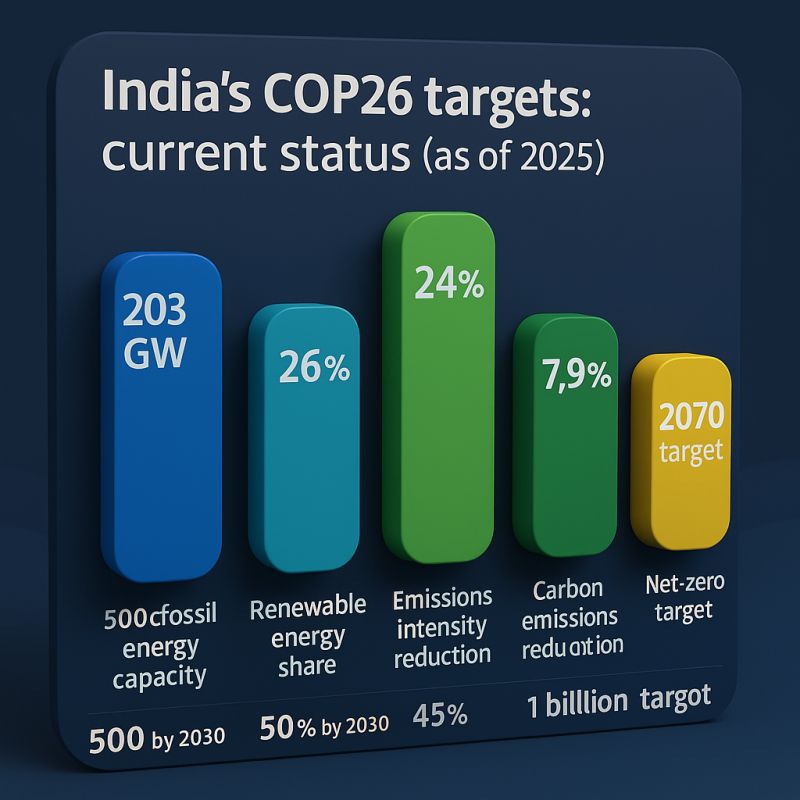
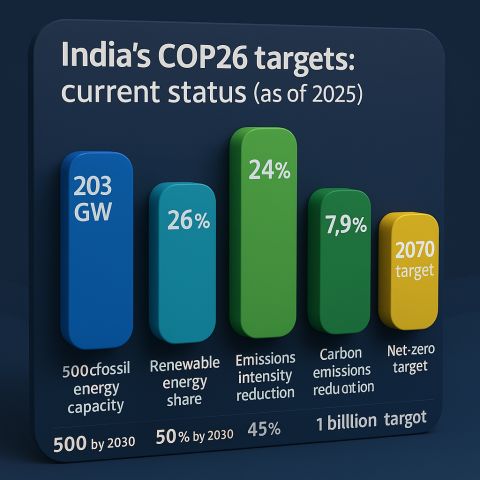
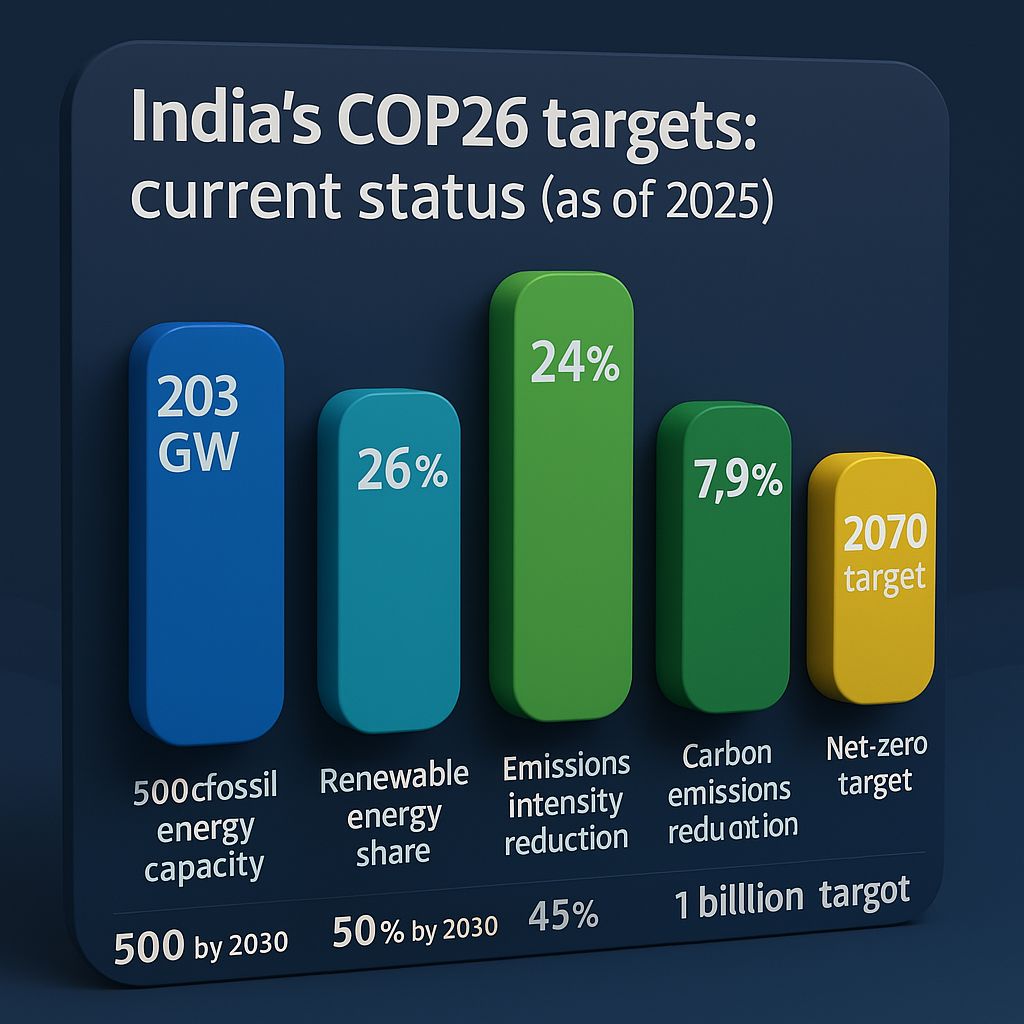
The 5Targets. The 5Year Reality Check:
🔋 500 GW Non-Fossil Energy by 2030
✅ 203.18 GW achieved (as of Oct 2024)
⚠️ Slowing pace. Grid and land hurdles choking large projects.
⚡ 50% Power from Renewables
✅ 26% YoY growth in clean energy (Jan 2025)
⚠️ Rooftop solar under 15% of target. State policies? All over the place.
📉 45% Emission Intensity Cut by 2030
✅ 33% achieved
⚠️ Driven by GDP growth — not aggressive emissions management.
🌫️ 1 Billion Tonnes CO₂ Reduction by 2030
✅ 7.9% drop in 2020
⚠️ But coal production surged 9% in 2024. Net gains? Neutralized.
🕰️ Net-Zero by 2070
✅ Roadmap submitted.
⚠️ No sectoral mandates. No accountability. No serious momentum.
Where’s the Leadership?
🚫 Ministries in silos
🚫 Power sector still fossil-heavy
🚫 EV infra crawling
🚫 Agriculture untouched
Are we really driving the transition — or just riding a global narrative?
And the Money?
💰 India has raised billions — Green Bonds, FDI, PLI schemes…
But…
❌ Utilization = uneven
❌ Outcome tracking = missing
❌ Impact per rupee = unclear
The climate rupee has wings — but no flight path.
The Fix — And Fast
✅ Appoint sector-wise climate champions with KPIs
✅ Launch public climate spend dashboards (Geo-tagged)
✅ Train bureaucrats in ESG, climate finance & tech
✅ Incentivize state-wise performance on climate goals
At_This_Pace, Where_Will_We_Land?
⏳ 3/5 targets may be missed
⏳ Investor confidence may fade
⏳ India’s brand as a climate leader may turn into a paper tiger
India doesn’t lack ambition.
It lacks the fire to deliver.
Time to shift gears.
From policy promises to powerful performance.
Originally published on LinkedIn on 2025-03-30 11:31:32: https://www.linkedin.com/feed/update/urn%3Ali%3AgroupPost%3A4385073-7312073993270784000
KnowledgeSeries The_Circular_Economy4Illusion: Why It’s Not Working ♻️
The CircularEconomy is often seen as a sustainability silver bullet, but the data tells a different story. While “reduce, reuse, recycle” sounds promising, the reality is riddled with inefficiencies, high costs, and greenwashing.
🖼️ Recycling is Failing
🔹 91% of plastic waste has never been recycled (UNEP).
🔹 Only 8.6% of global materials are reused annually (Circularity Gap Report 2023).
🖼️ It’s Expensive & Inefficient
🔹 A fully circular transition requires $4.5 trillion (World Economic Forum).
🔹 Reverse logistics costs 5x more than traditional waste disposal (McKinsey).
🖼️ Fast Fashion & E-Waste Contradictions
🔹 92M tons of textile waste is generated yearly (Ellen MacArthur Foundation).
🔹 Only 20% of smartphones are properly recycled, despite valuable metals (UNEP).
🖼️ Greenwashing is Rampant
🔹 60% of sustainability claims are misleading (Changing Markets Foundation).
🔹 Many brands label products “recyclable” but offer no actual recycling infrastructure.
🖼️ The Root Problem: Overproduction
🔹 The world extracts 100B tons of raw materials annually—yet only 8.6% is cycled back (Circularity Gap Report 2023).
🔹 Recycling can’t keep up with rising consumption—we need reduction, not just circularity.
⚡ FinalThought
The CircularEconomy isn’t a solution unless businesses redesign production, reduce overconsumption, and move beyond greenwashing.
💬 What’s your take—Is circularity a real fix, or just a sustainability myth? ⬇️
Originally published on LinkedIn on 2025-03-08 18:31:06: https://www.linkedin.com/feed/update/urn%3Ali%3AgroupPost%3A82951-7304207047842054145
🚨 CaseStudyAnalysis: “Volkswagen’s $1.4 Billion Tax Clash in India – A Wake-Up Call for MNCs & Policymakers?” 🚗💸
A stable tax system builds investor trust, but unpredictability drives them away.
Volkswagen, one of the world’s largest automakers, is battling a massive $1.4 billion tax dispute with Indian authorities over misclassification of imported car parts. This case is not just about one company—it reflects systemic tax challenges that impact FDI, business confidence, and India’s economic reputation.
🔍 WhatWentWrong?
📌 RegulatoryAmbiguity: India’s tax system lacks clear, consistent classifications. Volkswagen’s import methods were accepted for years before being reclassified.
📌 RetrospectiveTaxation: India has a history of sudden tax demands on MNCs (Vodafone – $2B, CairnEnergy – $1.2B), eroding investor trust. (Source: Reuters, 2025)
📌 LengthyLitigation: Tax disputes in India take an average of 7-10 years to resolve, delaying investments. (Source: EconomicTimes, 2025)
📌 PolicyShiftsWithoutClarity: Frequent rule changes without transition time force companies into costly legal battles.
🚀 HowIndiaCanImprove?
✅ PredictabilityInTaxation: Stable, transparent tax structures can boost FDI inflows beyond $80B/year. (DPIIT, 2025)
✅ Fast-TrackDisputeResolution: A dedicated tax tribunal for MNCs could cut dispute timelines by 60%. (NITIAayog, 2025)
✅ CustomsClarity: Pre-rulings on tax classifications will reduce compliance risks for 1,000+ global firms operating in India.
✅ InvestorConfidenceReforms: Proactive government engagement with MNCs could prevent capital flight (like SEAsia gaining $25B from exiting investors). (IMF, 2025)
✅ EaseOfDoingBusiness: India improved from Rank142 (2014) to Rank63 (2024) but still struggles with tax complexity. (WorldBank, 2025)
⚖️ TheBiggerPicture
Volkswagen’s case isn’t just about one company—it’s a test for India’s tax and regulatory future. Striking the right balance between RevenueMaximization and InvestorTrust is crucial for long-term economic stability.
💬 What’s your take? Are tax disputes a cost of doing business in India, or can better policies fix this? Let’s discuss! 👇
Originally published on LinkedIn on 2025-02-20 11:41:29: https://www.linkedin.com/feed/update/urn%3Ali%3AgroupPost%3A95089-7298305762500501504
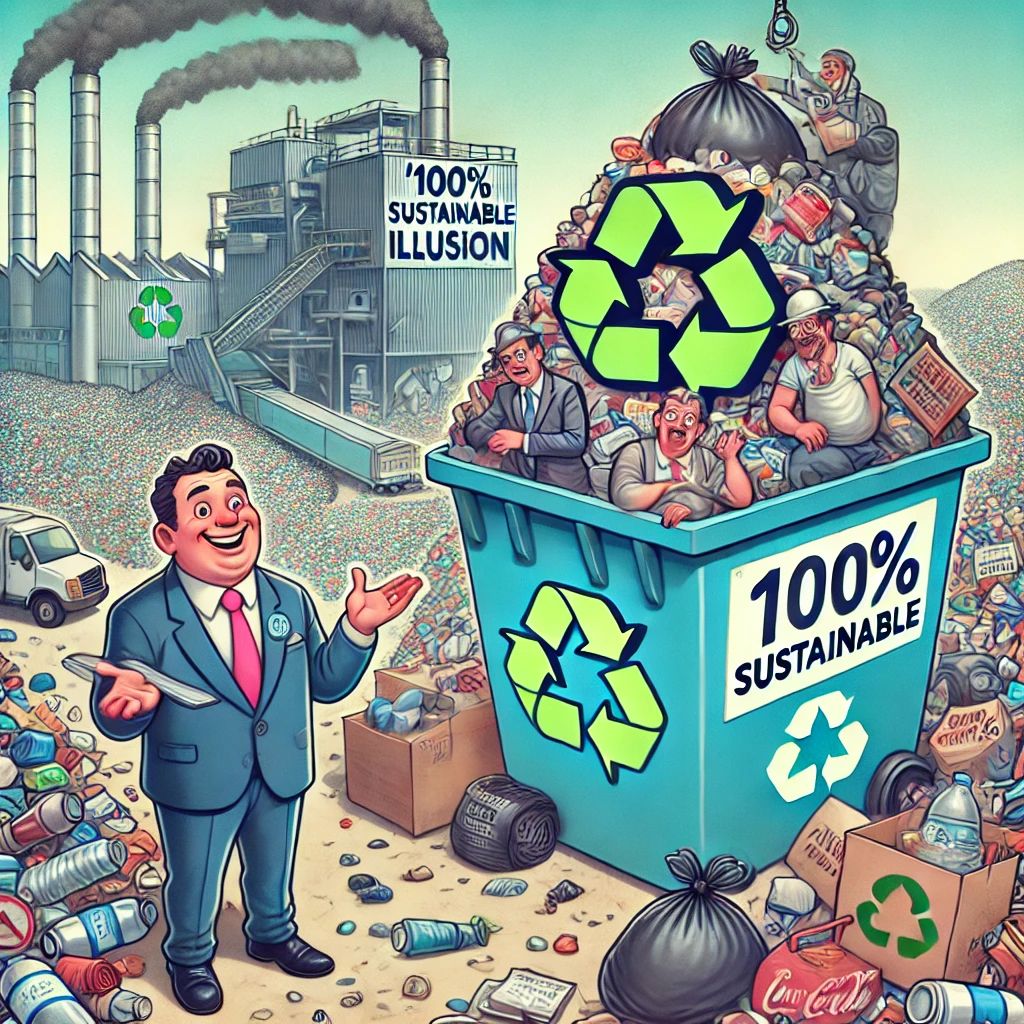
♻️ “The Waste Illusion: Is Sustainability Solving or Just Shifting_the_Problem?” 🌍🚮
Recycling alone won’t save the planet if we keep producing waste at record speed.
From plastic bans to circular economies, sustainability efforts often focus on waste reduction and recycling. But the truth? We’re generating_more_waste_than_ever_before.
🚨 Global waste production will hit 3.4 billion metric tons by 2050—a 70% increase from today. (WorldBank, 2025)
🚨 Only 9% of all plastic waste ever produced has been recycled. (UNEP, 2025)
🚨 Fashion waste alone contributes 92 million tons of landfill every year. (EllenMacArthurFoundation, 2025)
📌 RealityCheck: If sustainability isn’t fixing the waste cycle, are we just postponing the crisis?
🔄 The Waste Cycle: Are We Really Closing the Loop?
✅ Reduce – Brands promote low-waste lifestyles, yet global consumerism is at an all-time high.
✅ Reuse – Circular economies grow, but single-use culture dominates in food, fashion, and tech.
✅ Recycle – Waste sorting improves, but less than 20% of e-waste and plastics are ever recycled. (WEF, 2025)
🚨 RealityCheck: If new waste keeps outpacing recycling, how sustainable is our solution?
⚠️ Biggest Sustainability Loopholes in Waste Management
🔹 Plastic Offsets: Many brands buy plastic credits instead of reducing actual waste. (WWF, 2025)
🔹 Fast Fashion Recycling Myths: Less than 1% of clothing is truly recycled into new garments. (Greenpeace, 2025)
🔹 Food Waste Greenwashing: 30% of all food produced is still wasted despite “sustainable” sourcing. (FAO, 2025)
🔹 E-Waste Lies: Brands promote “recyclable electronics,” but 53.6M tons of e-waste were trashed last year. (UN, 2025)
📌 RealityCheck: A circular economy isn’t working if companies keep producing waste faster than we can recycle.
🏆 KeyTakeaway
♻️ Sustainability should be about eliminating waste at its source, not just recycling it later.
🚨 Greenwashing could be misleading us into thinking waste is under control.
🔄 A real circular economy would be about reducing overproduction, not just increasing recycling efforts.
👉 Are we solving waste or just shifting it around? Drop your thoughts below! 👇
Originally published on LinkedIn on 2025-02-19 05:44:35: https://www.linkedin.com/feed/update/urn%3Ali%3AgroupPost%3A9088131-7297853557188227072
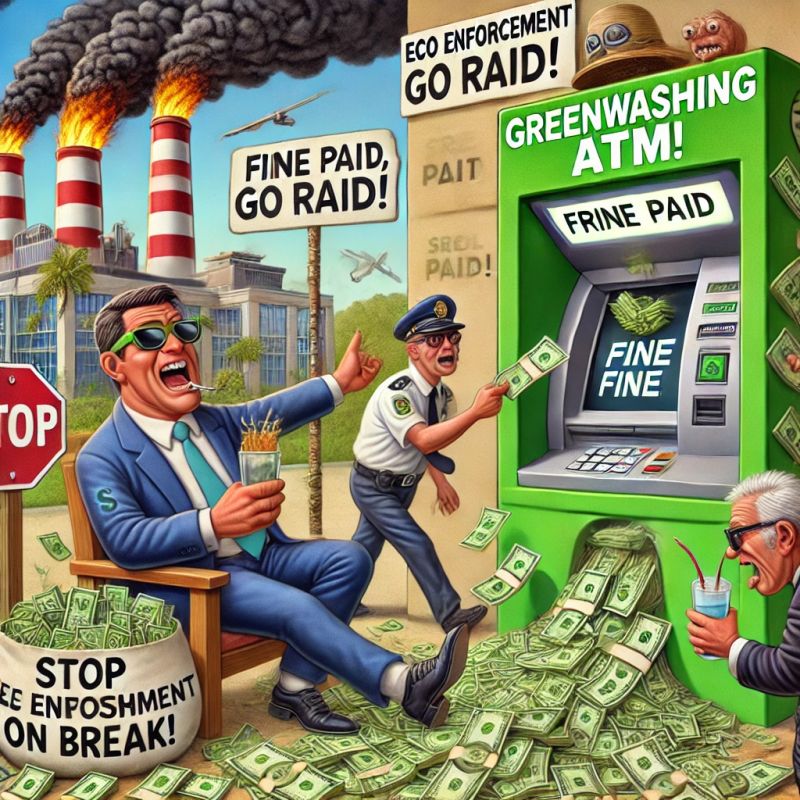
💰 “Green Fines or Green Profits? Are Environmental Penalties Just Revenue Generators?” 🌍⚖️
Fining a corporation for destroying the planet without enforcing change is like giving a speeding ticket to a getaway car—profitable, but pointless.
Governments claim to enforce environmental protection, but are penalties truly about holding polluters accountable—or just another way to boost state revenues without real impact? Let’s look at the numbers.
📊 Who Pays the Most?
✅ 1. Big Oil & Fossil Fuel Giants 🛢️
✔️ BP, ExxonMobil, Shell – Fined $35B+ globally in the last decade. (Reuters, 2024)
✔️ India: Reliance & ONGC collectively paid ₹8,000 crore ($960M) in pollution fines. (CPCB, 2024)
🚨 Reality Check: Despite massive fines, fossil fuel subsidies still exceed $7 trillion globally. (IMF, 2024)
✅ 2. Mining & Deforestation 🌲🏗️
✔️ Brazil’s Amazon Deforestation Fines – Over $2.3B in penalties, yet deforestation rates hit record highs in 2024. (Greenpeace, 2024)
✔️ Vedanta & Adani Mining (India) – Paid ₹12,500 crore ($1.5B) in fines but continue large-scale mining. (MoEFCC, 2024)
🚨 Reality Check: Fines are often a fraction of profits. Most mining firms budget for environmental penalties instead of stopping damage.
✅ 3. Chemical & Industrial Waste 🏭
✔️ Dow Chemicals, BASF, Bayer – $8B+ in global penalties for toxic leaks. (EU Commission, 2024)
✔️ India’s Ganga Pollution Cases – Over ₹1,500 crore ($180M) in fines, but pollution still rising. (NGT, 2024)
🚨 Reality Check: Only 30% of fines are actually collected, and cleanup rarely happens. (UNEP, 2024)
⚠️ Who Gets Away?
❌ Agribusiness & Pesticides – Massive groundwater depletion, but minimal regulation.
❌ Fast Fashion & E-Waste – Textile & electronics giants rarely fined for pollution.
❌ Shipping Industry – 1,000+ oil spills yearly, but most fines are under $1M. (IMO, 2024)
📌 Reality Check: Governments focus on fining profitable industries while ignoring sectors with long-term damage.
🏆 KeyTakeaway: Are Green Fines Just A Cost of Doing Business?
✔️ Fines need to be reinvested in cleanup & prevention—not just govt revenue.
✔️ Penalties should scale with profits—polluters shouldn’t budget for damage.
✔️ Transparency matters—where do these billions in environmental fines actually go?
👉 Should penalties be about revenue or real accountability? Let’s discuss! 👇
Originally published on LinkedIn on 2025-02-17 13:35:21: https://www.linkedin.com/feed/update/urn%3Ali%3AgroupPost%3A4385073-7297247251947556864
💰 “Green_Fines_or_Green_Profits? Are Environmental Penalties Just Revenue Generators?” 🌍⚖️
Fining a corporation for destroying the planet without enforcing 2change is like giving a speeding ticket to a getaway car—profitable, but pointless.
Governments claim to enforce environmental protection, but are penalties truly about holding polluters accountable—or just another way to boost state revenues without real impact? Let’s look at the numbers.
📊 Who Pays the Most?
✅ Big_Oil & Fossil Fuel Giants 🛢️
✔️ BP, ExxonMobil, Shell – Fined $35B+ globally in the last decade. (Reuters, 2024)
✔️ India: Reliance & ONGC collectively paid ₹8,000 crore ($960M) in pollution fines. (CPCB, 2024)
🚨 Reality Check: Despite massive fines, fossil fuel subsidies still exceed $7 trillion globally. (IMF, 2024)
✅ Mining_Deforestation 🌲🏗️
✔️ Brazil’s Amazon Deforestation Fines – Over $2.3B in penalties, yet deforestation rates hit record highs in 2024. (Greenpeace, 2024)
✔️ Vedanta & Adani Mining (India) – Paid ₹12,500 crore ($1.5B) in fines but continue large-scale mining. (MoEFCC, 2024)
🚨 Reality Check: Fines are often a fraction of profits. Most mining firms budget for environmental penalties instead of stopping damage.
✅ Chemical_Industrial_Waste 🏭
✔️ Dow Chemicals, BASF, Bayer – $8B+ in global penalties for toxic leaks. (EU Commission, 2024)
✔️ India’s Ganga Pollution Cases – Over ₹1,500 crore ($180M) in fines, but pollution still rising. (NGT, 2024)
🚨 Reality Check: Only 30% of fines are actually collected, and cleanup rarely happens. (UNEP, 2024)
⚠️ Who Gets Away?
❌ Agribusiness & Pesticides – Massive groundwater depletion, but minimal regulation.
❌ Fast Fashion & E-Waste – Textile & electronics giants rarely fined for pollution.
❌ Shipping Industry – 1,000+ oil spills yearly, but most fines are under $1M. (IMO, 2024)
📌 Reality Check: Governments focus on fining profitable industries while ignoring sectors with long-term damage.
🏆 KeyTakeaway: Are Green Fines Just A Cost of Doing Business?
✔️ Fines need to be reinvested in cleanup & prevention—not just govt revenue.
✔️ Penalties should scale with profits—polluters shouldn’t budget for damage.
✔️ Transparency matters—where do these billions in environmental fines actually go?
👉 Should penalties be about revenue or real accountability? Let’s discuss! 👇
Originally published on LinkedIn on 2025-02-17 13:29:00: https://www.linkedin.com/feed/update/urn%3Ali%3AgroupPost%3A9088131-7297245653515079680
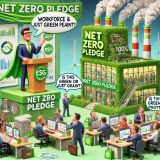
🚨 “Workforce, Workplace & Greenwashing: The ESG Illusion?” 🌍💼📊
Companies boast sustainability targets, but without employee buy_in, ESG is just a boardroom mirage. Are businesses embedding sustainability in workplace culture, or just selling a greenwashed dream?
📊 The Workforce Sustainability Gap
🚨 83% of ESG commitments lack workforce integration. (Morningstar, 2025)
🚨 Only 17% of employees understand their company’s sustainability strategy. (WEF, 2025)
🚨 65% don’t know how their work impacts ESG goals. (McKinsey, 2025)
🚨 92% of CEOs discuss ESG, but only 46% invest in workforce training. (Deloitte, 2025)
🚨 Just 18% of businesses provide sustainability upskilling. (ILO, 2025)
📌 RealityCheck: If employees don’t understand sustainability, ESG is just corporate greenwashing.
🏢 The Workplace ESG Contradiction
🔻 Companies push sustainability, but offices tell another story:
✔️ 56% of companies with net-zero pledges still run high-carbon workspaces. (Carbon Disclosure Project, 2025)
✔️ 78% of corporate buildings lack energy-efficient retrofits. (Green Building Council, 2025)
🔻 Greenwashing in workplace sustainability:
✔️ 48% of “paperless” companies still rely heavily on printed documents. (PwC, 2025)
✔️ 73% of companies claim sustainable procurement, yet 60% import from high-emission suppliers. (Supply Chain ESG, 2025)
📌 RealityCheck: The modern workplace often contradicts corporate sustainability goals.
🛑 Who’s Greenwashing? Workforce & ESG Failures
🔻 Big Tech – Companies like Google & Meta push clean energy narratives but struggle with e-waste & server carbon footprints.
🔻 Fast Fashion – Brands like H&M & Zara promote ‘conscious collections’ while continuing mass production.
🔻 Automotive Giants – Toyota & GM commit to EVs but still invest billions in fossil fuel vehicles.
📌 RealityCheck: ESG goals without internal transformation = Greenwashing 101.
🏆 Who’s Getting ESG Right?
✅ Unilever – Mandatory ESG training for all employees.
✅ Microsoft – Internal ‘Green Skills’ certification program.
✅ Mahindra Group – Ties sustainability KPIs to employee performance.
📌 RealityCheck: Real ESG progress starts with an informed and engaged workforce.
🏆 KeyTakeaway
ESG could be the key to a greener corporate world, should be part of daily workforce operations, but would be just corporate greenwashing if it doesn’t go beyond PR.
👉 Does your workplace walk the ESG talk, or is it just a well-branded illusion? Drop your thoughts below! 👇
Originally published on LinkedIn on 2025-02-16 08:06:14: https://www.linkedin.com/feed/update/urn%3Ali%3AgroupPost%3A100646-7296802039798403073
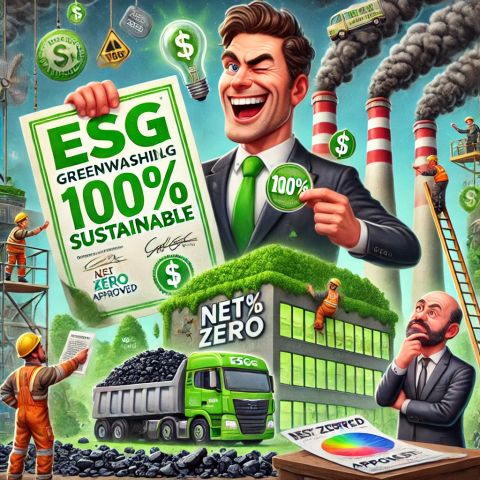
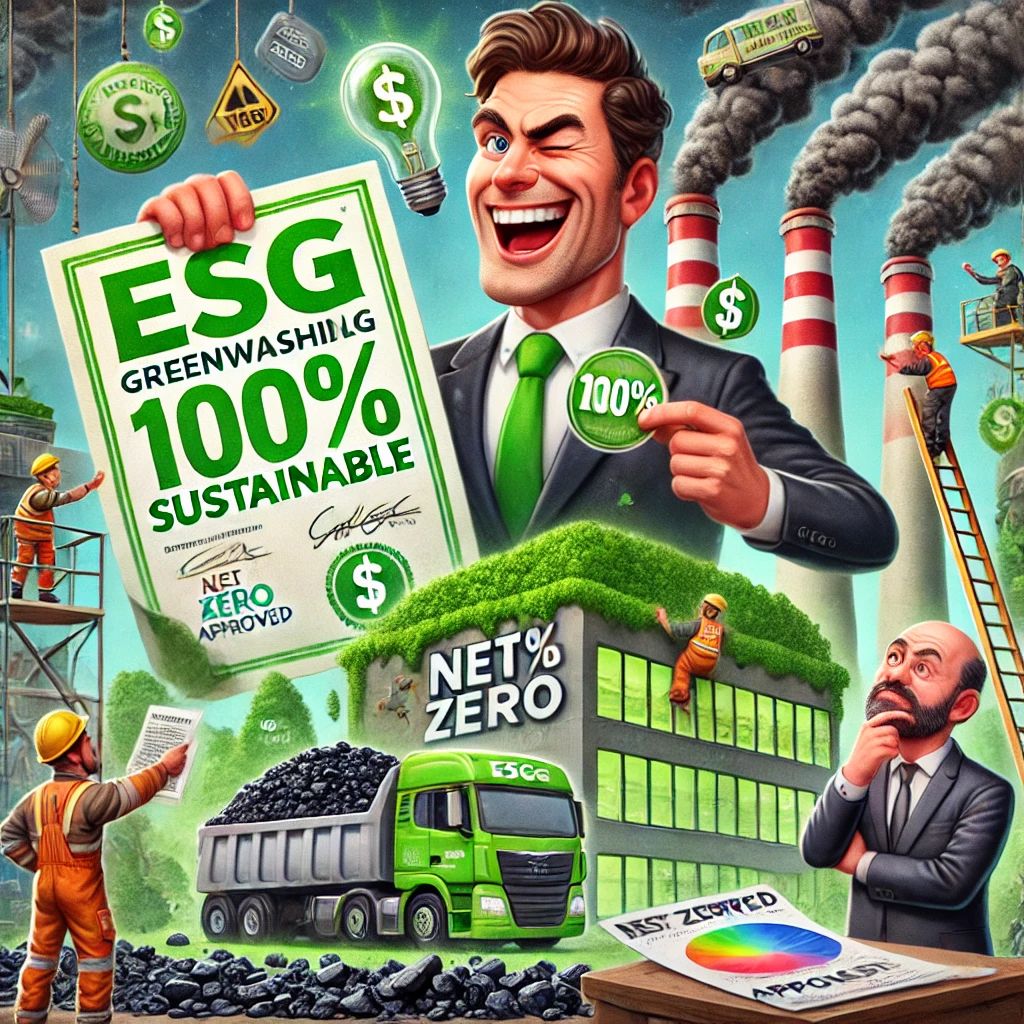
🚨 “The_ESG_Greenwashing Epidemic: Data Exposes the Cracks!” 🌍💰📉
With $40T+ in ESG investments, companies are racing to appear sustainable. But loopholes, weak regulations, and misleading_claims have made ESG a greenwashing goldmine.
📊 Where ESG Frameworks Are Failing
🚨 600+ ESG rating systems cause contradictory scores for the same company. (Bloomberg, 2025)
🚨 Only 30% of ESG funds align with their sustainability claims. (Morningstar, 2025)
🚨 90% of emissions come from supply chains, yet only 14% of companies report Scope 3 emissions. (WEF, 2025)
🚨 Regulatory gaps:
✔️ EU 🇪🇺 (CSRD) – Strict rules, but SMEs struggle.
✔️ USA 🇺🇸 (SEC) – No mandatory Scope 3 reporting.
✔️ China 🇨🇳 – Green finance push, weak transparency.
✔️ India 🇮🇳 (BRSR) – Mandatory for top 1000 firms, but weak enforcement.
📌 RealityCheck: ESG is riddled with self-reported, unchecked claims.
💰 Who’s Leading ESG Greenwashing?
🔻 BlackRock – Lost $4B in ESG funds over greenwashing concerns. (FT, 2025)
🔻 Tesla – Dropped from S&P ESG Index for labor & governance issues. (Reuters, 2025)
🔻 ExxonMobil & Chevron – Invest in carbon offsets but emissions keep rising. (IEA, 2025)
🔻 Fast Fashion (Shein, H&M, Zara) – Only 1% of clothes get recycled, despite sustainability claims. (UNEP, 2025)
📌 RealityCheck: Even ESG ‘leaders’ are failing real sustainability tests.
📉 The ESG Reset: What’s Next?
✅ EU & SEC tightening rules to curb greenwashing.
✅ AI & blockchain-based audits to verify ESG claims.
✅ Investor shift from ESG buzzwords to science-backed decarbonization.
📌 RealityCheck: ESG must move from PR to measurable impact—or risk collapse.
🏆 KeyTakeaway
ESG could be a force for corporate accountability, should be data-driven, but would be a marketing gimmick if greenwashing persists.
👉 Will ESG drive real sustainability or remain a branding exercise? Drop your thoughts below! 👇
Originally published on LinkedIn on 2025-02-16 03:15:11: https://www.linkedin.com/feed/update/urn%3Ali%3AgroupPost%3A100646-7296728792973078528

