ElectrifyingLogistics: The Global Shift to GoGreen EVs 🌍⚡
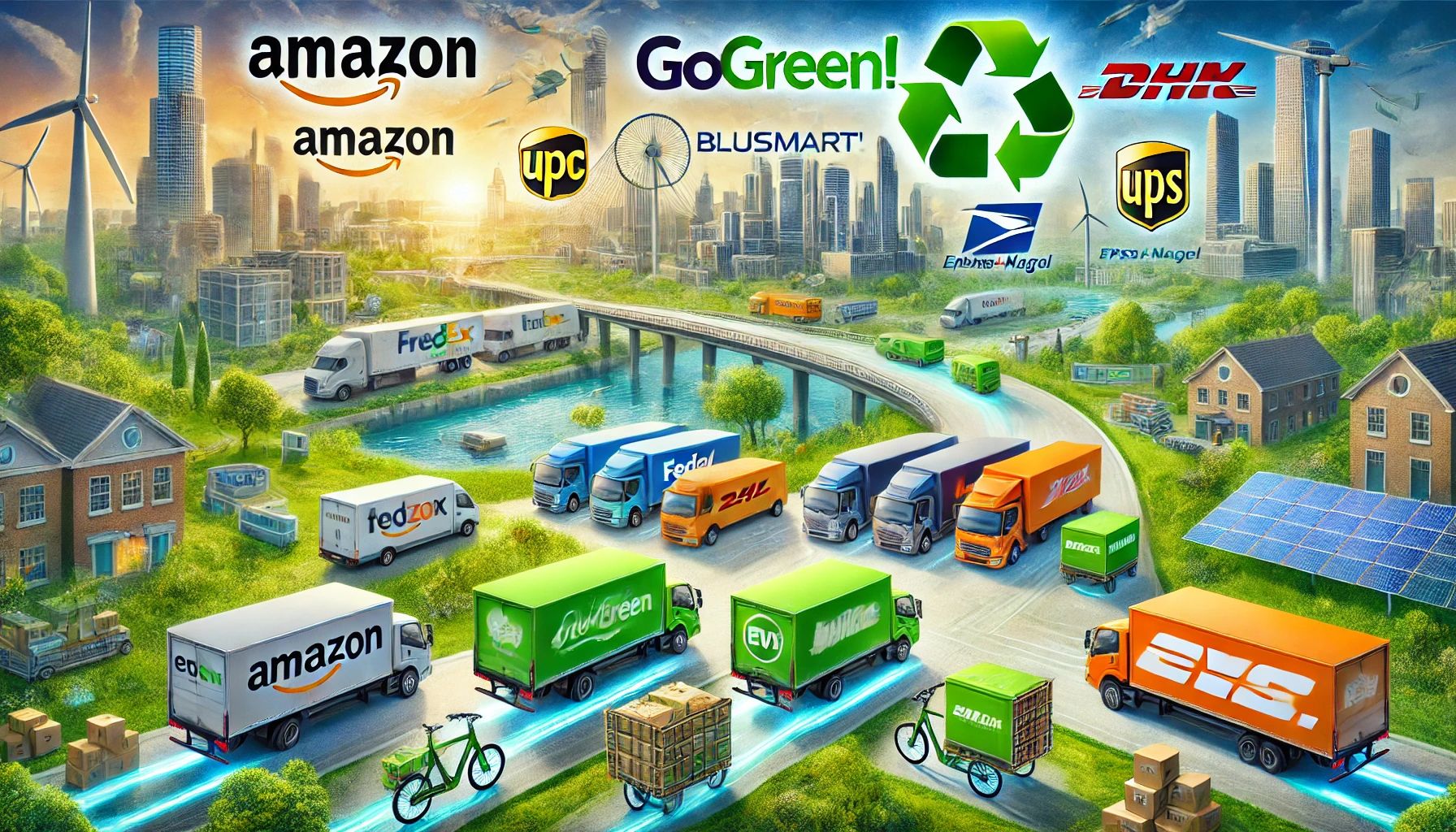
The global logistics industry is undergoing a massive EV transition to reduce carbon footprints. Here’s how key players are making an impact:
🌎 Global Leaders
🚚 Amazon:
✅ 100,000 EVs (by 2030) | 5,000+ Rivian vans already on U.S. roads
✅ India: 10,000 EVs across 500 cities (Leh to Gangtok)
✅ UK: Ordered 140+ electric heavy trucks
🔽 Emissions Cut: Over 4M metric tons CO₂ saved
🚛 FedEx:
✅ 2040 Carbon Neutral Goal | EV fleets in 8+ countries
✅ Brazil, Spain, UAE, Canada – Zero-emission bikes & EVs
🔽 Emissions Cut: 50% less CO₂ per delivery
📦 UPS:
✅ Targeting Carbon Neutrality by 2050
✅ Expanding custom-built electric vans & e-bikes in urban hubs
🔽 Emissions Cut: 24% reduction in CO₂ from 2010 levels
🚀 DHL:
✅ Asia expansion: 100% EV fleet in select cities
✅ GoGreen Strategy: Zero emissions by 2050
🔽 Emissions Cut: 10M+ kg CO₂ avoided yearly
📬 USPS:
✅ 66,000 EVs incoming (from 2024)
✅ Nationwide charging infrastructure expansion
🔽 Emissions Cut: 50% lower CO₂ per mail route
🌏 Asian & Indian EV Champions
🚙 BluSmart (India):
✅ 100% electric ride-hailing in Delhi, Bengaluru
🔽 Emissions Cut: 1.8M+ rides = 5M+ kg CO₂ saved
🏍 Yulu (India):
✅ 45,000 EVs | 4M+ users | 240M+ green deliveries
🔽 Emissions Cut: 32M kg CO₂ saved
🛵 Whizzy Logistics (India):
✅ 2,000 EV two-wheelers | 70,000 km/day
🔽 Emissions Cut: 10M+ kg CO₂ avoided
🚌 DTC (Delhi Transport Corp):
✅ India’s largest EV bus fleet (800 buses)
🔽 Emissions Cut: 50% drop in urban transport pollution
🚛 Epsilon Carbon (India):
✅ 5 electric trucks launched for industrial logistics
🔽 Emissions Cut: 40% CO₂ reduction per truck
🌱 Kuehne+Nagel (India):
✅ Airport transfers via EVs in Mumbai
🔽 Emissions Cut: 24.7 tonnes CO₂/year
⚡ Why It Matters?
✅ Lower Costs – Up to 30% fuel savings
✅ Regulatory Push – Global EV mandates & tax incentives
✅ Customer Preference – 70%+ consumers prefer green logistics
EVs aren’t the future—they’re the NOW. 🚀 Which companies do you see leading this charge? Drop your thoughts below! ⬇️
Originally published on LinkedIn on 2025-03-15 15:51:37: https://www.linkedin.com/feed/update/urn%3Ali%3AgroupPost%3A2474261-7306703630965923840
🚨 “TheGreenParadox: If the Top100 Polluters Go Green, Do Economies Go Red?” 🌍💸🔥
71% of global emissions come from just Just100 companies—but what happens if they actually go green?
📊 TheHardNumbers: Who’s Driving Emissions?
🔹 100Companies = 71% of Global Emissions (CDP Carbon Majors Report, 2025)
🔹 TotalMarketValue = $15.4 Trillion (Forbes, 2025)
🔹 Sectors Dominating Emissions:
✔️ Oil & Gas (ExxonMobil, Shell, Aramco, BP, Reliance) – 52% of global industrial CO₂.
✔️ Coal Giants (ChinaEnergy, Peabody, Glencore) – 14% of all emissions, powering entire nations.
✔️ Steel & Cement (ArcelorMittal, Holcim, TataSteel, JSW) – 8% of emissions, critical to infrastructure.
✔️ Shipping & Aviation (Maersk, Boeing, Delta, Emirates) – 5% of emissions, enabling global trade.
🚨 RealityCheck: Transitioning these industries overnight would shake economies to the core.
💰 TheEconomicCrashPotential
🔻 JobLosses in FossilFuel Sectors – 34M jobs globally depend on oil, coal, and heavy industries. (ILO, 2025)
🔻 GDPImpact on EmergingMarkets – India, China, and Indonesia rely on fossilfuels for 20-35% of GDP. (World Bank, 2025)
🔻 SupplyChain Disruptions – 42% of global logistics, steel, and chemicals are tied to high-emission industries. (McKinsey, 2025)
🔻 EnergyTransition Costs – Full decarbonization needs #$275T investment by 2050—but who’s paying? (IEA, 2025)
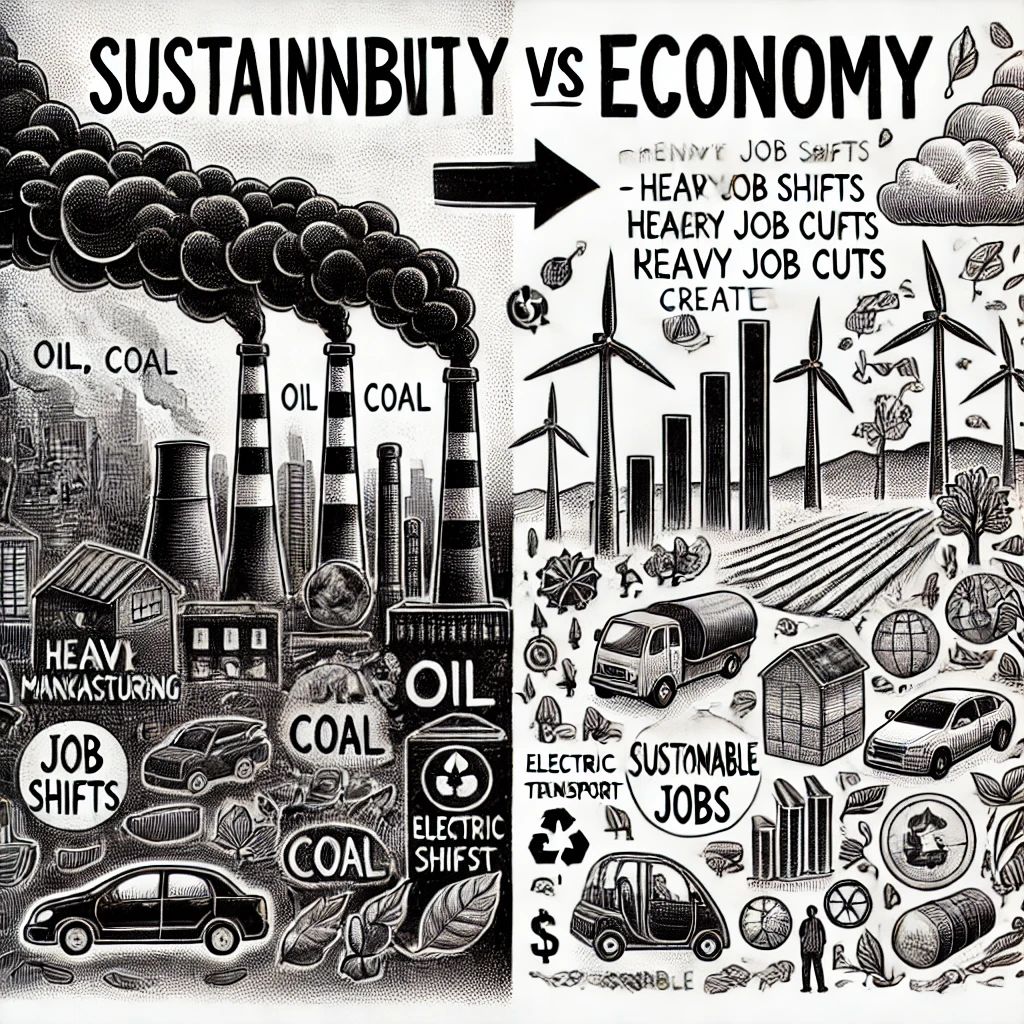
📌 TheDilemma: Accelerating sustainability risks a financialcrisis, while delaying it fuels climate disaster.
🔄 IsThereAMiddlePath?
🏆 IndustriesFindingBalance:
✅ SaudiAramco’s CarbonCapture Push – #$50B invested, but still expanding fossilfuel extraction.
✅ Tesla & BYD’s EVRevolution – EVs now 18% of global carsales, but lithiummining is a sustainability disaster.
✅ GreenSteel Investments (Hybrit, H2GreenSteel) – Promising tech, but adoption is too slow.
🚨 TheProblem: Green initiatives often don’t move fast enough—or they create new environmental costs.
🏆 KeyTakeaway: The TradeOff No One Wants to Talk About
📌 GoingGreen could be an economic revolution if planned strategically.
📌 ItShouldBe a shift that protects jobs, not eliminates them overnight.
📌 ItWouldBe an economicdisaster if industries collapse before sustainable alternatives scale.
👉 CanTheWorldAffordToDecarbonize without crashing economies? Drop your insights below! 👇
Originally published on LinkedIn on 2025-02-20 03:57:07: https://www.linkedin.com/feed/update/urn%3Ali%3AgroupPost%3A82951-7298188896939479040
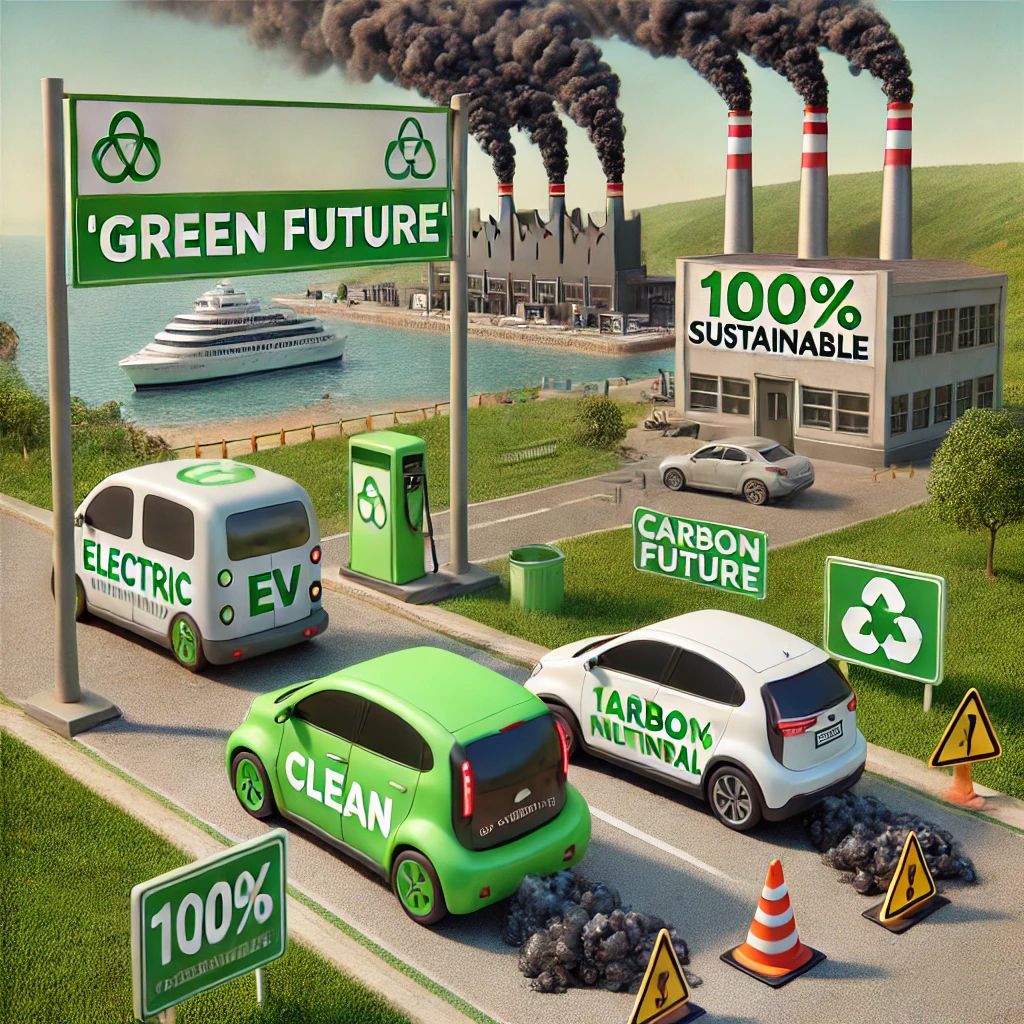
🚗⚡ YR2035’s Green_Auto_Mirage: Are EVs, Hydrogen Fuel Cells, and Synthetic Fuels Truly Sustainable or Just Greenwashing? 🌍💨
As we race toward 2035’s petrol-diesel ban, automakers push EVs, HFCVs, and SyntheticFuels as the future. But are these real solutions or clever marketing?
🔋 EVs: Cleaner or Just Elsewhere Emissions?
📌 Battery Production: An 80 kWh battery emits 2.4 – 16 metric tons of CO₂—equal to driving a gasoline car for 5-7 years. (MIT, 2024)
📌 Resource Impact: Each EV battery needs 63kg lithium, cobalt, & nickel, causing deforestation & water pollution. (GreenCars, 2024)
📌 Power Grid Dependence: An EV running on coal-based electricity emits more CO₂ per mile than hybrids. (EPA, 2024)
📌 Reality Check: EVs help only if powered by clean energy.
💧 Hydrogen: Clean Hype or Fossil Fuel Disguise?
📌 Production Problem: 96% of global hydrogen is made from natural gas & coal, emitting 830M metric tons of CO₂. (IEA, 2024)
📌 Efficiency Loss: HFCVs require 3x more renewable electricity than EVs. (US DOE, 2024)
📌 Reality Check: Unless made from renewables, hydrogen is just another fossil fuel.
⛽ Synthetic Fuels: Carbon-Neutral or Clever Greenwashing?
📌 Energy Guzzler: Producing 1L of synthetic fuel takes 6x more energy than refining petrol. (Fraunhofer, 2024)
📌 Still Polluting: Burns CO₂ and emits more NOx than conventional fuels. (MDPI, 2024)
📌 Reality Check: Synthetic fuels aren’t zero-emission—they just relocate pollution.
🚨 Greenwashing in the Auto Industry
🔻 BMW, Toyota, Honda exaggerated EV carbon savings by omitting battery emissions. (Greenpeace, 2024)
🔻 Porsche’s synthetic fuel plant claims zero emissions but runs on coal-powered electricity. (The Guardian, 2024)
🔻 India & U.S. promised 1M EV chargers by 2025, yet less than 20% installed. (BloombergNEF, 2024)
📌 Reality Check: Many automakers sell ‘green’ promises, but not real sustainability.
🏆 Key Takeaway: Hype or Hope?
🚘 EVs, HFCVs, & Synthetic Fuels could be clean if the supply chain is green.
♻️ They should be backed by strict sustainability policies.
⚠️ But they would be just another greenwashing scandal if industries don’t walk the talk.
👉 Are we truly heading toward sustainable mobility, or just another green illusion? 👇
Originally published on LinkedIn on 2025-02-18 11:22:14: https://www.linkedin.com/feed/update/urn%3Ali%3AgroupPost%3A82093-7297576141614190592
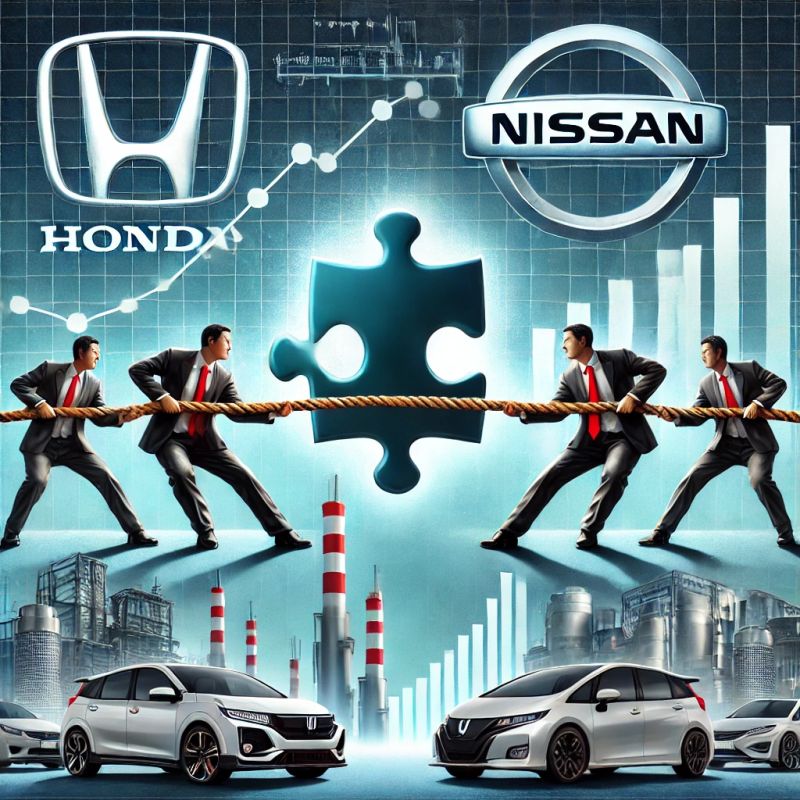
🚗TheHondaNissanStandoff: When Collaboration_Hits_Roadblocks
In the world of corporate mergers, numbers often tell one story, but leadership dynamics tell another. The #$60 billion Honda-Nissan merger, which could have created the world’s third_largest automaker, has officially collapsed—not due to financial infeasibility, but strategic misalignment.
📊 Breaking Down the Numbers
📌 9.5 million vehicles – Combined production of Honda and Nissan in 2023, making them a formidable force against global leaders Toyota and Volkswagen.
📌 20% market share loss in China – Nissan and Honda collectively struggled as Chinese EV makers gained dominance, pushing them toward collaboration.
📌 #$17 billion R&D spending – Honda and Nissan together invested heavily in electric and autonomous vehicle tech, but fragmentation in strategy led to inefficiencies.
📌 41% drop in Nissan’s market cap over 5 years – Pressure to restructure and regain investor confidence was a key driver for the discussions.
🚨 Why Did the Merger Fail?
⚠️ Power Play: Honda proposed making Nissan a subsidiary, triggering resistance from Nissan’s leadership, which feared a loss of autonomy.
⚠️ Culture Clash: Despite both being Japanese automakers, they operate under different leadership styles and decision-making frameworks.
⚠️ Strategic Divergence: Nissan leans toward alliances (e.g., Renault-Mitsubishi), while Honda prefers independent innovation and control.
📉 Lessons for Corporate Collaborations
✅ Size ≠ Success – Scale alone isn’t enough; without aligned governance, even a well-funded partnership can fail.
✅ Autonomy vs. Synergy – Balancing integration while respecting independent strengths is the key to sustainable partnerships.
✅ Adaptability Wins – Now, Nissan is eyeing a potential partnership with Foxconn for EVs, proving that agility matters more than size in today’s fast-moving auto industry.
💡 Advice for Business Leaders:
Collaboration is not about dominance, but about alignment. The best partnerships are those where both parties feel valued, respected, and empowered to contribute.
💬 What’s your take? Have you seen partnerships fail due to leadership clashes rather than financial issues? Drop your thoughts below!
Originally published on LinkedIn on 2025-02-13 08:01:13: https://www.linkedin.com/feed/update/urn%3Ali%3AgroupPost%3A82093-7295713613879640064

