TheGreenBlueprints: When Sustainability Moves from Design to Delivery
The corporate sustainability market has officially outgrown its design phase. For years, organizations focused heavily on drafting beautiful blueprints setting lofty net-zero horizons, formulating ESG frameworks, and collecting broad certificates to decorate annual reports.
TheGreenBlueprints may impress the boardroom. Only green proof survives the audit room.
Today, global buyers, institutional lenders, and sharp regulators are no longer asking about your intentions.
✓ They are testing your delivery discipline.
✓They are treating environmental claims with forensic skepticism, demanding to see the precise, unassailable data architecture backing up every single declaration.
If your green claim lacks this forensic verification, you aren’t demonstrating sustainability. You are just parading a slogan wearing safety shoes.
To transition seamlessly from promise to performance, organizations must move past surface-level compliance and construct a multi-layered, audit-ready proof stack:
TheDisclosureArchive: Verifiable BRSR Core metrics, GRI, and ISSB (IFRS S1 & S2) submissions that translate corporate transparency into absolute, year-on-year data consistency for investors.
TheClimateLedger: Historical carbon accounting structured rigorously under the GHG Protocol and PCAF, backed by validated, science-based SBTi pathways—leaving zero room for creative math or carbon-offset dependency (Verra/Gold Standard).
TheTraceabilityVault: Forensic supply-chain integrity. Batch-level supplier records, ISCC PLUS/REDcert² chain-of-custody receipts, and deep EcoVadis/TfS/SMETA audit trails that prove material truth from day one.
TheProductLifecycle File: Immutable EPD verifications and Cradle to Cradle Certified metrics that prove your product circularity and low-carbon status in physical reality, not just on the marketing invoice.
TheAssuranceShelf: The ultimate corporate guardrail. Independent, investor-grade third-party validation driven by AccountAbility AA1000AS and ISAE 3000 / 3410 to verify non-financial and GHG disclosures.
KtalystInsights™
✓Market trust is no longer given; it is audited.
✓The era of designing a beautiful green strategy and walking away is over.
✓True business longevity belongs to the leadership that can back up public declarations with forensic, archived receipts.
✓Stop collecting generic badges. Build an unassailable proof stack that can withstand the clinical scrutiny of the future.
GreenClaimForensics CorporateGovernance ESGCompliance SupplyChainTransparency KtalystKeystone
MrsSustainability KtalystInsights™ KtalystKlues™ KtalystKeystone Ktalyst5Ts Ktalyst5Ps5Es DataComa KtalystGreenLove
Originally published on LinkedIn on 2026-05-22 04:47:00: https://www.linkedin.com/feed/update/urn%3Ali%3Ashare%3A7463450318018633729
IndiaCarbonMoves | CCTS20205 From Chalkboards to Carbon Boards
Kicking off the Carbon_Credit_ComplianceChapter
Markets mature not when they grow, but when they’re held accountable. India just made carbon compliance bankable.
KtalystKeystone
India just dropped a carbon bombshell (the good kind!)
The April2025 Gazette brings GHG Emission Intensity (GEI) targets under the Carbon Credit Trading Scheme (CCTS), 2023—and it’s not optional anymore.
What’sHappening?
A market with a mission. A mandate with math.
BaselineToTarget: 140+ industrial giants get official GEI targets from 2023–24 levels to 2026–27
PenaltyProof: Miss your target? Pay up—2x the average carbon credit price
ComplianceStartsNow: Welcome to India’s first enforceable carbon intensity regime
FunData (but serious):
Vedanta Jharsuguda (Aluminium): Drop from 13.49 → 12.83 tCO₂e/ton
UltraTech Bela (MP): From 0.8351 → 0.8093 tCO₂e/ton
JK White Cement, Gotan: From 0.8743 → 0.8461 tCO₂e/ton
CarbonMoves You Can’t Ignore:
(aka the not-so-fine print)
LegalArmour: Penalties enforced under the Environment Protection Act, 1986
DigitalByDesign: Full compliance and credit tracking via the Indian Carbon Market Portal
CreditMath: Emission gap × output = carbon credits owed or earned
BankItToWinIt: Overachievers? Store surplus credits for future cycles
NoEscapeClause: Grinding units, refineries, even white cement—no one’s exempt
HotspotLogic: Aluminium + Cement = 25%+ of India’s industrial emissions
PenaltyPath: Fail on compliance? CPCB fines = 2x avg. credit price
PublicScrutiny: 60-day window open to file suggestions or objections to MoEFCC
WhatTheLeadersSay
This is India’s carbon market growing a spine. Industry must now move from pledges to performance.
R. K. Singh, Union Minister for Power & New & Renewable Energy
Emission targets will push Indian industries to global competitiveness while greening their core.
Ajay Mathur, DG, International Solar Alliance
CCTS 2025 is not just compliance—it’s carbon accountability.
Sumant Sinha, CEO, ReNew Power
KtalystTake
India’s carbon market just flipped the script—from voluntary virtue-signaling to regulated results.
This is no longer ESG fluff—this is hard math.
You can’t manage what you don’t measure. Now, you can’t skip what you didn’t meet.
Ready to benchmark your GEI or decode this carbon chessboard? Let’s connect.
CCTS IndiaCarbonMarket GHGTargets ComplianceEra NetZeroIndia SustainabilityStrategy KtalystKeystone ESGCompliance ClimateActionIndia
Source / shared link: https://carbon-pulse.com/389823/?utm_source=chatgpt.com
Originally published on LinkedIn on 2025-04-22 05:48:00: https://www.linkedin.com/feed/update/urn%3Ali%3AgroupPost%3A4385073-7320322463400181760
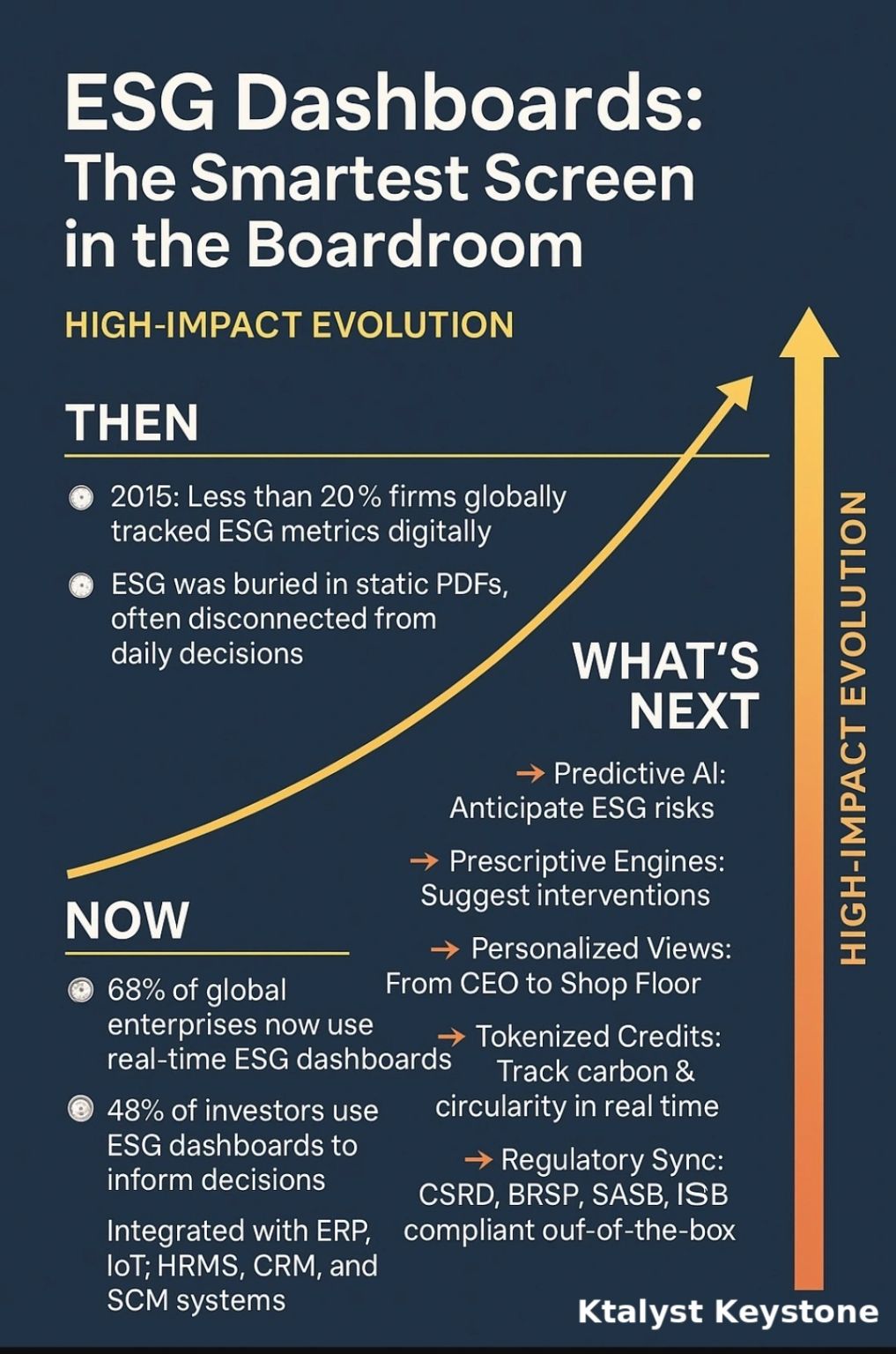
ESGDashboards: The Smartest Screen in the Boardroom
High-Impact Evolution Every Business Needs Now
WhyThisMatters
In today’s climate-conscious, capital-sensitive world—you can’t manage what you can’t measure.
Boards, investors, and regulators are demanding real-time, decision-grade ESG data.
That’s why ESGdashboards have moved from nice_to_have to non_negotiable.
Then: Static, Scattered & Slow
🕰️ In 2015, only 20% of firms tracked ESG metrics digitally (World Bank)
📄 ESG data was siloed, manual, and backward-looking
❌ No clarity, no comparability, no real impact
Now: Smart, Integrated & Boardroom-Ready
📊 68% of global enterprises now use ESG dashboards (Deloitte, 2024)
📈 48% of investors say dashboards influence funding decisions (EY Survey)
⚙️ Connected to ERP, IoT, HRMS, CRM & SCM tools—embedded into operations
Companies Leading the Dashboard Shift
UnitedStates
Microsoft → PowerBI ESG analytics for energy & emissions transparency
Apple → Supply chain dashboards tracking clean energy commitments
GM → Emissions & compliance dashboards tied to EV plant targets
BlackRock → Portfolio ESG risk visualization for client reporting
EuropeanUnion
Unilever → ESG KPI dashboard aligned with Sustainable Living Plan
Nestlé → Water, emissions, and supplier ethics dashboard
Volkswagen → ESG digital twin for Scope 3 and climate risk simulation
Santander → Sustainability-linked loan dashboard for B2B clients
China
Alibaba Group → AI-driven ESG data dashboard for carbon footprint reporting
BYD Auto → Battery lifecycle & emissions dashboards for global exports
Tencent → ESG platform linked to green finance initiatives
China Mobile → ESG compliance dashboard for 5G energy usage
India
Infosys → ESG command center tracking Scope 1–3 & renewable targets
Mahindra Group → Live water, energy, waste dashboards at plant level
Tata Steel → BRSR-linked ESG dashboard integrated with safety metrics
Adani Green → Renewable project progress dashboard with ESG risk overlays
What’sNext: Predictive, Prescriptive, Personalized
🧠 AI to anticipate ESG risks
⚡ Smart engines to suggest interventions
🎯 Role-based views from boardroom to shop floor
♻️ Tokenized credits for circularity & carbon tracking
✅ Auto compliance with CSRD, BRSR Core, ISSB, SASB
WhyActNow
Organizations with mature ESG dashboard systems report:
✅ 20% faster audit readiness
✅ 15% higher investor trust scores
✅ 30–40% lower ESG data processing cost
KtalystKeystone believes dashboards are not just reports.
They are your strategy radar, resilience compass, and stakeholder magnet.
If ESG isn’t on your screen, it’s probably off-track.


Originally published on LinkedIn on 2025-04-02 05:18:14: https://www.linkedin.com/feed/update/urn%3Ali%3AgroupPost%3A4023031-7313067213299625984
🚀 Sustainability in 2025: Who’s Leading, Who’s Lagging & What’s Changing? 🌍📉⚡
If sustainability were a race, some are sprinting, some are jogging, and others are still tying their shoes.
In 2025, sustainability is no longer just about ESGCompliance—it’s about survival. But as regulations shift, businesses hesitate, and grassroots efforts grow stronger, the question remains: Who is truly walking the talk?
📊 1. Europe is Tightening Rules—But Not for Everyone 🇪🇺
🔹 EU’s Corporate Sustainability Reporting Directive (CSRD) is evolving—planning to raise the reporting threshold from 250 employees & €40M turnover to 1,000 employees & €450M.
🔹 Impact? This will exempt thousands of smaller companies while still holding big corporations accountable.
🔹 RealityCheck: Is this a win for business flexibility or a loophole for greenwashing?
📌 Source: Reuters
📊 2. CEOs Know Sustainability = Profit, But Are They Acting? 📈
🔹 PwC’s 2025 CEO Survey: 🌱 29% of Irish CEOs skipped climate investments last year due to regulatory confusion—yet companies that link sustainability to executive compensation see higher revenues.
🔹 The Dilemma: CEOs acknowledge climate risks but struggle with unclear policies.
🔹 RealityCheck: Are companies stalling progress just because it’s complicated?
📌 Source: The Times
📊 3. Grassroots Action is Filling the Gaps 🌱🏡
🔹 Local Sustainability Wins: In Iowa City, a retirement community has diverted thousands of pounds of food waste from landfills—something that big corporations fail to do at scale.
🔹 The Takeaway: Real impact isn’t just about billion-dollar pledges—it’s about execution, big or small.
📌 Source: The Gazette
🏆 KeyTakeaway: The Sustainability Race in 2025
✅ Regulators could be making reporting easier, but risks of weaker accountability loom.
✅ CEOs should be making sustainability a financial strategy, not just PR.
✅ Communities are proving that action matters more than announcements.
💬 What’s your take? Are we moving forward fast enough, or just shifting responsibilities? Drop your thoughts below! 👇
Sustainability ESG ClimateAction GreenBusiness CorporateResponsibility CircularEconomy
https://lnkd.in/d-EBgCzk
Source / shared link: https://www.reuters.com/sustainability/eu-pare-back-sustainability-rules-companies-draft-shows-2025-02-22/
Originally published on LinkedIn on 2025-02-23 03:52:40: https://www.linkedin.com/feed/update/urn%3Ali%3Ashare%3A7299274941965721601
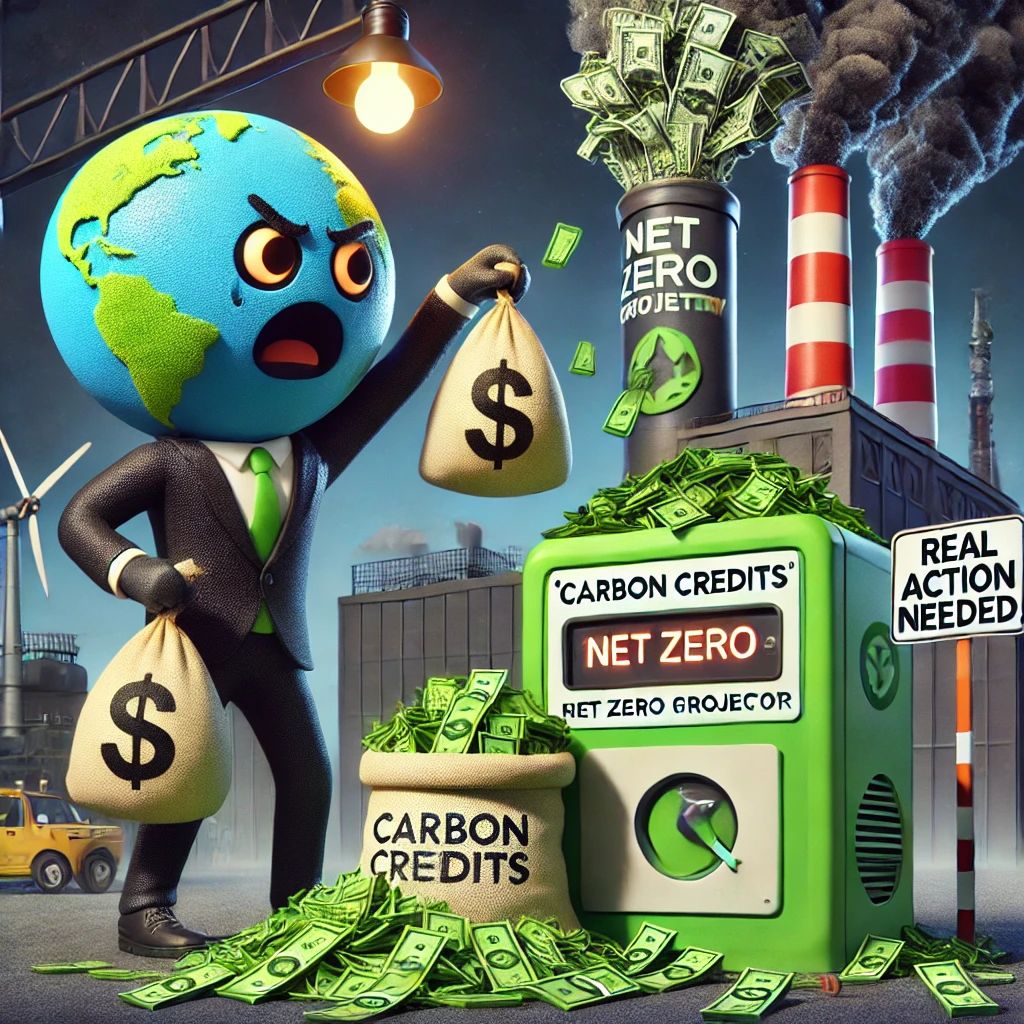
Carbon Hustling: Loopholes or Lies in the Green Revolution?” 🌍💨
Carbon hustling—the deliberate exploitation of carbon reduction schemes—undermines global climate goals. Recent cases reveal systemic exploitation, not mistakes, in corporate carbon management.
🔍 4 Examples of Carbon Hustling
1️⃣ Shell’s Carbon Credit Controversy
Issue: Claimed neutrality using offsets tied to forests at minimal risk of deforestation.
Data: 80% of credits failed to reduce emissions. (Source: ProPublica, 2023)
Why It’s Hustling: Chose unverifiable offsets over real reductions.
2️⃣ Volkswagen’s Double Counting
Issue: Overstated Brazil emissions reductions by 35% with double-counted credits.
Data: Fined #€30 million for systemic misreporting. (Source: Reuters, 2024)
Why It’s Hustling: Exploited weak oversight in carbon markets.
3️⃣ Chevron’s Flawed Net Zero Claims
Issue: Used reforestation offsets; 60% failed verification standards.
Data: Stock dropped 5% after audits exposed discrepancies. (Source: Financial Times, 2023)
Why It’s Hustling: Relied on low-impact projects to mask emissions.
4️⃣ India’s Coal Offsetting Scheme
Issue: An Indian power company financed “green energy” while expanding coal.
Data: Emissions rose 40%, offset benefits negated. (Source: CSE, 2023)
Why It’s Hustling: Used minor green initiatives to greenwash high-pollution activities.
Why It’s Not a Mistake
1️⃣ Systemic Exploitation: Lack of audit standards costs #$2 billion annually in fraud. (Source: UNEP)
2️⃣ Profit over Integrity: Cheap offsets prioritized over genuine reductions.
3️⃣ Strategic Greenwashing: 83% of consumers now demand transparency. (Source: Edelman Trust Barometer, 2024)
KeyTakeaway
Carbon hustling is a systemic issue, delaying real progress. Stricter audits and credible carbon markets are essential to end the hustle.
👉 Are your carbon claims authentic or just optics?
CarbonHustling Greenwashing Sustainability ESGCompliance ClimateAction Transparency

Originally published on LinkedIn on 2025-01-28 03:06:32: https://www.linkedin.com/feed/update/urn%3Ali%3AgroupPost%3A2474261-7289841246922014720
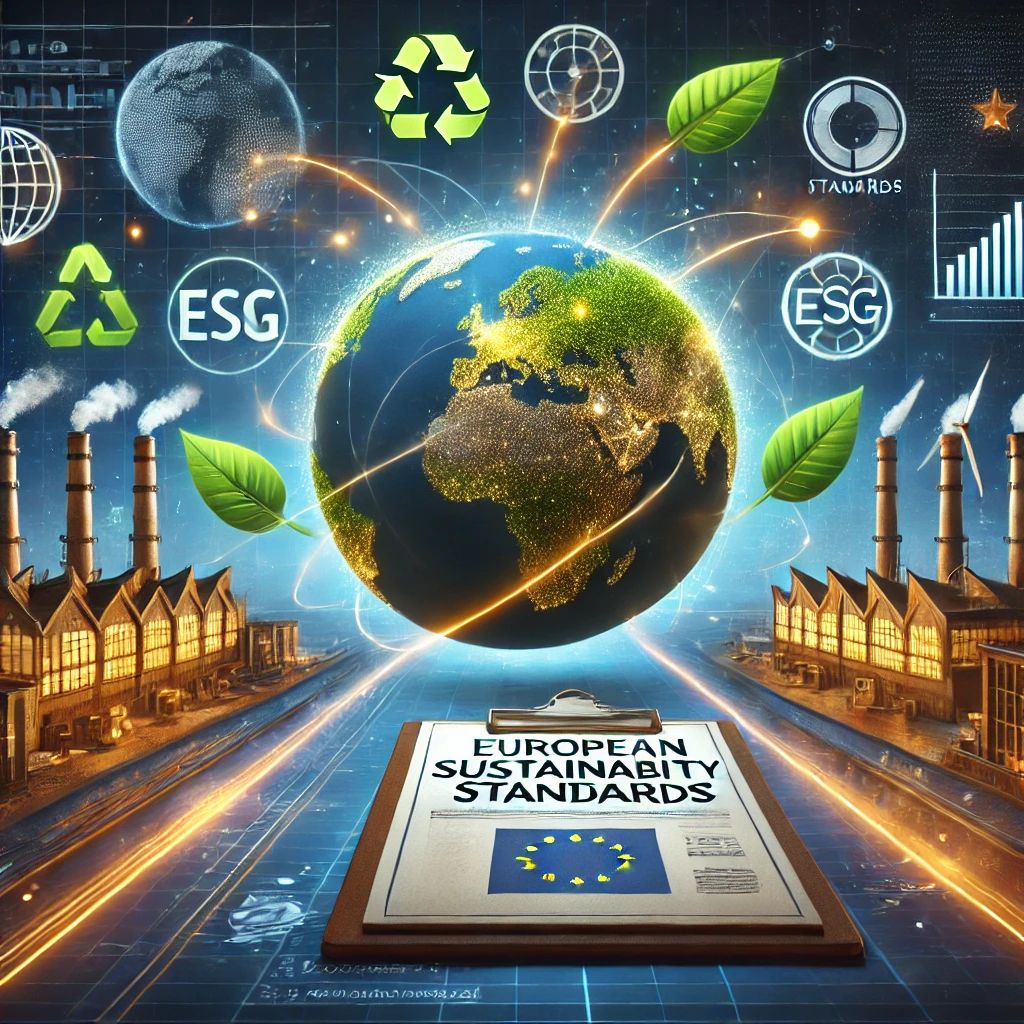
NamasteIndia ESRS_Ripple_Effect:Europe’s Global_Disruptor_Rules Reshape Indian Businesses” 🇮🇳
With the EU’s European Sustainability Reporting Standards (ESRS) coming into effect, Indian businesses are set to feel the heat. Here’s a data-driven breakdown of how these standards will impact India:
🔵 Indian Exporters Face Compliance Pressure
Fact: India exported goods worth #€65 billion to the EU in 2022, making the EU one of India’s largest trading partners. (Source: Eurostat)
Impact: Exporters must now meet ESRS-aligned requirements like carbon reporting, labor conditions, and water usage transparency.
Example: 45% of Indian textile exports go to the EU, which requires ESG disclosures from supply chains.
🟢 Subsidiaries of EU Companies Must Adapt
Fact: Over 4,000 EU-based companies have subsidiaries in India, spanning sectors like IT, pharmaceuticals, and manufacturing. (Source: EU Delegation to India)
Impact: Indian branches will face stricter ESG reporting as EU headquarters comply with ESRS.
Example: Indian operations of EU automotive giants must disclose scope 1, 2, and 3 emissions to support parent company reports.
🟡 Supply Chain Scrutiny to Intensify
Fact: 70% of EU companies rely on global supply chains, with India being a critical link. (Source: EFRAG)
Impact: Indian suppliers must provide accurate sustainability data or risk losing contracts.
Example: EU pharma imports from India, valued at #€8 billion annually, will require ESG-aligned disclosures like energy use and labor practices.
🟠 Regulatory Convergence in India
Fact: India’s BRSR framework, introduced in 2021, already mandates ESG reporting for the top 1,000 listed companies. (Source: SEBI)
Impact: ESRS accelerates India’s regulatory momentum, pushing companies to adopt global ESG benchmarks.
🟣 Opportunities in Green Tech and Consulting
Fact: The ESG consulting market in India is projected to grow at a CAGR of 35%, reaching #$1.2 billion by 2030. (Source: PwC India)
Impact: Indian firms offering ESG solutions—like software platforms for tracking emissions—stand to gain as EU firms outsource compliance support.
🔴 Competitive Advantage for ESG Leaders
Fact: 83% of EU investors prefer companies with strong ESG credentials. (Source: EY)
Impact: Indian companies with advanced sustainability practices will become preferred partners for EU buyers.
Example: Tata Steel’s carbon-neutral initiatives make it a strong supplier for ESG-conscious European firms.
Key Stats That Matter
#€85 billion: Total trade between India and the EU in 2022. (Source: Eurostat)
4,000+: EU-based companies with operations in India. (Source: EU Delegation to India)
35% CAGR: Growth of India’s ESG consulting market by 2030. (Source: PwC)
👉 Are Indian companies ready to navigate the ESG revolution and seize the opportunity?
SustainabilityLeadership ESRSImpact IndiaAndEU ESGCompliance GreenEconomy
Originally published on LinkedIn on 2025-01-27 11:33:17: https://www.linkedin.com/feed/update/urn%3Ali%3AgroupPost%3A3880479-7289606387402207232

