🌊 Angels_in_the_Algae: Meet the Backers Fueling India’s Seaweed Revolution
KtalystInsights | AngelInvesting | SeaweedStartups | BlueEconomy | SustainableIndia | ClimateCapital | NamasteIndia
With 7,500 km of coastline and over 844 native species, India has what it takes to lead the green tide.
Potential seaweed yield? 👉 9.7 million tonnes annually
Actual production? 👇 ~34,000 tonnes
The gap is a kelp-sized opportunity. And smart capital is starting to swim in 🐟💸
Here’s how angel investors are seeding India’s blue economy boom:
🔹 🚀 Sea6 Energy (Bengaluru)
🔧 Mechanized ocean farming | 🌱 Bioplastics & biofuel | 📈 Exports to 20+ countries
💰 Backed by:
🔸 Aqua-Spark (Netherlands)
🔸 Silverstrand Capital (Singapore)
🔸 Tata Capital Innovations Fund
✨ Notable Innovation: SeaCombine harvester & AgroGain biostimulant
🔹 🌿 AquAgri Processing Pvt Ltd (TamilNadu)
🌾 Seaweed-to-carrageenan | 🧪 Crop yield boosters | 👩🌾 600+ fisherfolk employed
💰 Backed by:
🔸 Founder Abhiram Seth (ex-PepsiCo)
🏆 Winner of Tom Ford Plastic Innovation Prize
🔹 ♻️ ZEROCIRCLE Alternatives (Gujarat, Maharashtra)
🎯 Bioplastics for packaging, fashion, F&B
💰 Backed by:
🔸 Rainmatter Foundation (Zerodha)
🔸 GIZ Germany
🔸 Tom Ford Foundation / XPrize
🔹 🍴 Devaamritam | AMMACHI Labs (Kerala)
🥒 Seaweed pickles & superfoods | 🚺 Women-led rural ventures
💰 Backed by:
🔸 Amrita Vishwa Vidyapeetham (Institutional incubation)
🧺 Community-first entrepreneurship meets marine nutrition
🎯 Why It Matters
✅ Global seaweed market = $18.4B (2024)
✅ Climate-positive & methane-reducing
✅ Plastics, proteins, and petrol alternatives from the sea
✅ Supported by PMMSY, NABARD, and India’s Blue Economy 2.0
📉 But Watch the Undercurrents
⛔️ Capital-intensive tech & long product approvals
⛔️ Few earlyexits = investor hesitation
⛔️ Environmental impact assessments required at scale
🧠 “Algae may be ancient, but India’s seaweed startups are new-age disruptors—decarbonizing one frond at a time.
KtalystKeystone
Originally published on LinkedIn on 2025-06-16 13:28:56: https://www.linkedin.com/feed/update/urn%3Ali%3Ashare%3A7340369794669449216
KnowledgeSeries 4.4: PwC – ProfitWithaPurpose 🌍💼♻️
🚀 PwC’s ESG Power Play
PwC is embedding ESG into global strategies across 60+ countries, driving measurable change in climate impact, client advisory, and consumer trust.
🌱 PwC’s Sustainability Vision
> “We’re reducing our footprint—and helping clients build a sustainable economy.
Core Focus Areas
✅ NetZero2030 – Science-Based Target initiative (SBTi) aligned
✅ 50% Emissions Cut – Scope 1, 2 & business travel (baseline FY19)
✅ RenewableTransition – 95% of electricity from clean sources
✅ ClientESGAdvisory – Integrated ESG across industry verticals
📊 PwC by the Numbers – Global ESG Snapshot
♻️ Environmental Progress
🌬️ 71% drop in scope 1 & 2 emissions
✈️ 43% cut in scope 3 travel emissions
⚡ 95% renewable energy adoption across PwC offices
💼 Business & Consumer Insights
💰 US$55.4B revenue in FY24 (↑ 3.7% YoY)
🛒 9.7% premium: what consumers are willing to pay for sustainable products
🧠 70%+ of PwC clients now include ESG in investment risk assessments
📘 PwC’s ESG Tools & Thought Leadership
📄 2024 Environment Report – Tracks progress, scope 3 visibility, and circular economy adoption
🧭 Voice of the Consumer 2024 – ESG as a key buying trigger
🎙️ Sustainability Reporting Podcast – Real talk from ESG leaders & regulators
⚙️ PwC’s ESG Integration Playbook
1️⃣ StrategyDesign – ESG in capital allocation & brand growth
2️⃣ RiskMitigation – Climate, governance & disclosure resilience
3️⃣ DataDrivenReporting – Audit-grade metrics for investors
4️⃣ StakeholderTrust – Proactive board & public engagement
🔭 PwC’s Forward ESG Bets
📊 ESGDataAI – AI + analytics for real-time ESG tracking
💸 GreenFinance – Structuring climate-linked bonds & sustainable investments
🌍 EnhancedDisclosures – TCFD & TNFD alignment across portfolios
🤝 GlobalPartnerships – Public-private ESG collaborations at scale
🌱 PwC isn’t just reporting change—it’s enabling it.
📢 Next in KnowledgeSeries 4.1: PwC’s ESG Transformation Case Files ♻️



Originally published on LinkedIn on 2025-03-24 04:00:03: https://www.linkedin.com/feed/update/urn%3Ali%3AgroupPost%3A2474261-7309786048190976000
Greenwashing Deeproots—“When Engines Lie: Hino’s $1.6 Billion Crash into Corporate Deceit” is a bold and striking headline.
When Engines Lie: Hino’s $1.6 Billion Crash into Corporate Deceit
One of the biggest emission frauds in auto history—and the numbers are jaw-dropping.
The US Department_of_#Justice has called it one of the most systemic emission frauds ever recorded. Hino Motors, a Toyota subsidiary, falsified diesel engine emissions data for nearly two decades. Now, the cost of cutting corners has come due.
The_Deception_in_Numbers
19years of falsified emission data (2003–2022)
105,000+ non_compliant engines sold in the U.S.
4.6 million pounds of excess Nitrogen Oxides (NOx) released
Affected: Class 6 & 8 trucks, off_road and industrial vehicles
The Financial Fallout
$521.76 million – CriminalFines
$1.087 billion – Forfeiture penalties
$525 million – Civil settlements across agencies
$1.63 billion total – One of the highest penalties ever in auto emissions fraud
5-year probation – Ban on importing diesel engines into the U.S.
Cost of Redemption
$155 million – For environmental damage mitigation
$144.2 million – For recall & retrofitting of 2017–2019 models
$10+ million – Internal reform budget (audits, compliance tools, training)
Plans to upgrade marine and rail engines to modern standards
Engineers faced extreme internal pressure to meet emissions targets
Whistleblowers silenced or ignored for years
CEO Satoshi Ogiso issued a public apology and admitted to a “broken culture
Japanese regulators revoked certifications of affected Hino models
Industry Shockwaves
20% drop in Hino’s stock in 72 hours
Global recalls ripple across Asia & North America
Toyota’s brand image faces ESG scrutiny
Other Japanese automakers under investigation
Compliance isn’t optional—it’s existential
ESG isn’t a branding tool—it’s a crisis cushion
Culture is strategy when no one’s watching
Originally published on LinkedIn on 2025-03-21 13:54:01: https://www.linkedin.com/feed/update/urn%3Ali%3AgroupPost%3A100646-7308848361606934528
🚨 Moody’s Shakes_Up_Credit_Ratings: The Green_Penalty & Reward_Effect!♻
With #$1.6T+ in ESG-linked financing, Moody’s is redefining creditworthiness, rewarding sustainability leaders & penalizing ESG laggards. 📉🚀 Companies failing on climate, social, & governance metrics are seeing their ratings cut—raising borrowing costs & investor risks.
📊 Companies Hit by Moody’s ESG_Based_Credit_Rating Adjustments
🟥 Nissan Motors – Downgraded 🚨
📌 Moody’s cut Nissan to junk due to weak sustainability integration & financial instability. (Source)
🟥 PG&E – Downgraded 🚨
📌 #$30B in wildfire liabilities led Moody’s to downgrade PG&E, linking climate risk to creditworthiness.
🟩 Royal Philips – Upgraded 🚀
📌 Green loan secured with ESG-linked interest rates, rewarding sustainability progress.
🟥 Thames Water – Downgraded 🚨
📌 Environmental violations & debt risks slashed its credit rating, as S&P flagged financial instability.
🟩 Casino Guichard-Perrachon – Upgraded 🚀
📌 Secured sustainability-linked loans, reducing interest rates based on ESG performance.
🟥 Enbridge – Downgraded 🚨
📌 Despite green loans, Moody’s questioned its carbon-heavy projects, impacting its rating.
🟩 Unibail-Rodamco-Westfield – Upgraded 🚀
📌 Green finance unlocked better credit conditions via ESG-tied loans.
🟥 Avangrid Gas Subsidiaries – Downgraded 🚨
📌 Regulatory ESG concerns lowered its credit ratings, citing fossil fuel dependency.
🟩 Drax Group – Under Review 🔍
📌 Sustainability-linked loans triggered scrutiny over carbon intensity goals.
🟥 Southern Water – Downgraded 🚨
📌 Environmental fines & governance risks led Moody’s to cut its credit rating.
🔥 The Takeaway: Moody’s Is Now Pricing in Sustainability Risks
🟢 17% of Moody’s rated firms see ESG risks impact their credit scores.
🟢 Companies with poor sustainability scores pay up to 15% higher borrowing costs.
🟢 Sustainability-linked finance = Lower interest rates & stronger credit ratings.
📢 Is this the wake-up call for businesses ignoring ESG? Let’s discuss below! 👇

Originally published on LinkedIn on 2025-02-27 12:45:56: https://www.linkedin.com/feed/update/urn%3Ali%3AgroupPost%3A82951-7300858693879799809
🌍 AroundTheWorld: Sustainability News at a Glance! 🌱
Key updates shaping sustainability, business, and policy:
🔹 Policy & Regulation
📌 EU to Cut Sustainability Reporting Burden
The European Commission plans a 25% reduction in corporate reporting, saving businesses #€40 billion. (Read More)
📌 Australia Mandates Climate Reporting
Starting January 2025, 1,800 companies must disclose climate risks, aligning with global ESG norms. (Read More)
🔹 CorporateInitiatives
📌 United Legwear Tracks Scope 3 Emissions
The company adopts Worldly’s Impact Calculator, tracking 100% supply chain emissions toward a 42% reduction by 2030. (Read More)
📌 OSF HealthCare Reduces Waste
By remanufacturing medical devices, OSF cut landfill waste by 50%, earning the Sustainability Champion Award. (Read More)
🔹 IndustryTrends
📌 London Fashion Week Bans Exotic Skins
100+ designers now commit to zero exotic leather use, reinforcing ethical fashion. (Read More)
📌 Helsinki Ranked Most Sustainable City
With 80% renewable energy use and 90% certified green hotels, Helsinki sets an eco-tourism benchmark. (Read More)
🔹 Research & ConsumerBehavior
📌 Consumers Drive Sustainability
73% of Americans believe purchasing power influences corporate environmental policies. (Read More)
📌 Sustainable Materials Revolution
Scientists identify low-carbon topological materials, optimizing industrial applications for climate-conscious production. (Read More)
💡 Sustainability is an opportunity, not a challenge. Which initiative inspires you most? Drop your thoughts below! 👇

Originally published on LinkedIn on 2025-02-26 10:42:34: https://www.linkedin.com/feed/update/urn%3Ali%3AgroupPost%3A82093-7300465261634060289
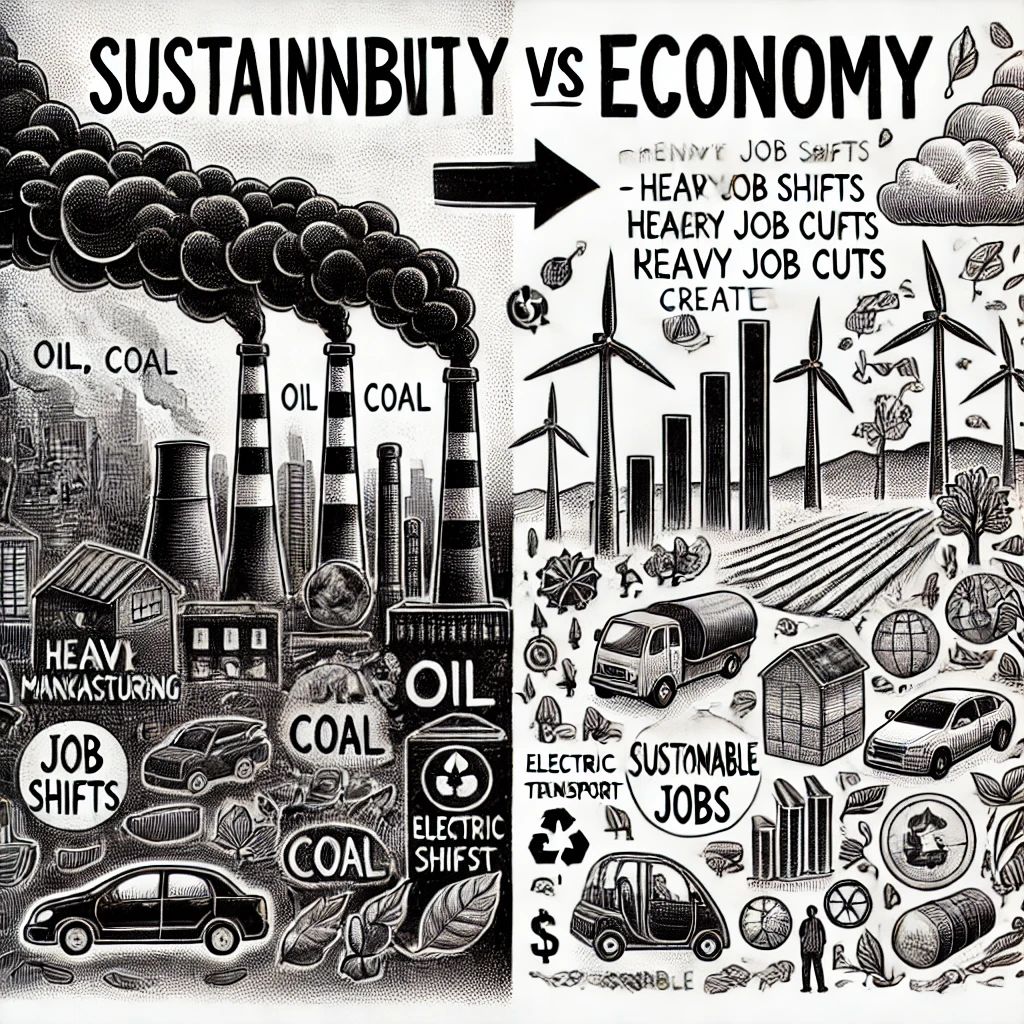
🚨 “TheGreenParadox: If the Top100 Polluters Go Green, Do Economies Go Red?” 🌍💸🔥
71% of global emissions come from just Just100 companies—but what happens if they actually go green?
📊 TheHardNumbers: Who’s Driving Emissions?
🔹 100Companies = 71% of Global Emissions (CDP Carbon Majors Report, 2025)
🔹 TotalMarketValue = $15.4 Trillion (Forbes, 2025)
🔹 Sectors Dominating Emissions:
✔️ Oil & Gas (ExxonMobil, Shell, Aramco, BP, Reliance) – 52% of global industrial CO₂.
✔️ Coal Giants (ChinaEnergy, Peabody, Glencore) – 14% of all emissions, powering entire nations.
✔️ Steel & Cement (ArcelorMittal, Holcim, TataSteel, JSW) – 8% of emissions, critical to infrastructure.
✔️ Shipping & Aviation (Maersk, Boeing, Delta, Emirates) – 5% of emissions, enabling global trade.
🚨 RealityCheck: Transitioning these industries overnight would shake economies to the core.
💰 TheEconomicCrashPotential
🔻 JobLosses in FossilFuel Sectors – 34M jobs globally depend on oil, coal, and heavy industries. (ILO, 2025)
🔻 GDPImpact on EmergingMarkets – India, China, and Indonesia rely on fossilfuels for 20-35% of GDP. (World Bank, 2025)
🔻 SupplyChain Disruptions – 42% of global logistics, steel, and chemicals are tied to high-emission industries. (McKinsey, 2025)
🔻 EnergyTransition Costs – Full decarbonization needs #$275T investment by 2050—but who’s paying? (IEA, 2025)
📌 TheDilemma: Accelerating sustainability risks a financialcrisis, while delaying it fuels climate disaster.
🔄 IsThereAMiddlePath?
🏆 IndustriesFindingBalance:
✅ SaudiAramco’s CarbonCapture Push – #$50B invested, but still expanding fossilfuel extraction.
✅ Tesla & BYD’s EVRevolution – EVs now 18% of global carsales, but lithiummining is a sustainability disaster.
✅ GreenSteel Investments (Hybrit, H2GreenSteel) – Promising tech, but adoption is too slow.
🚨 TheProblem: Green initiatives often don’t move fast enough—or they create new environmental costs.
🏆 KeyTakeaway: The TradeOff No One Wants to Talk About
📌 GoingGreen could be an economic revolution if planned strategically.
📌 ItShouldBe a shift that protects jobs, not eliminates them overnight.
📌 ItWouldBe an economicdisaster if industries collapse before sustainable alternatives scale.
👉 CanTheWorldAffordToDecarbonize without crashing economies? Drop your insights below! 👇
Originally published on LinkedIn on 2025-02-20 03:57:07: https://www.linkedin.com/feed/update/urn%3Ali%3AgroupPost%3A82951-7298188896939479040
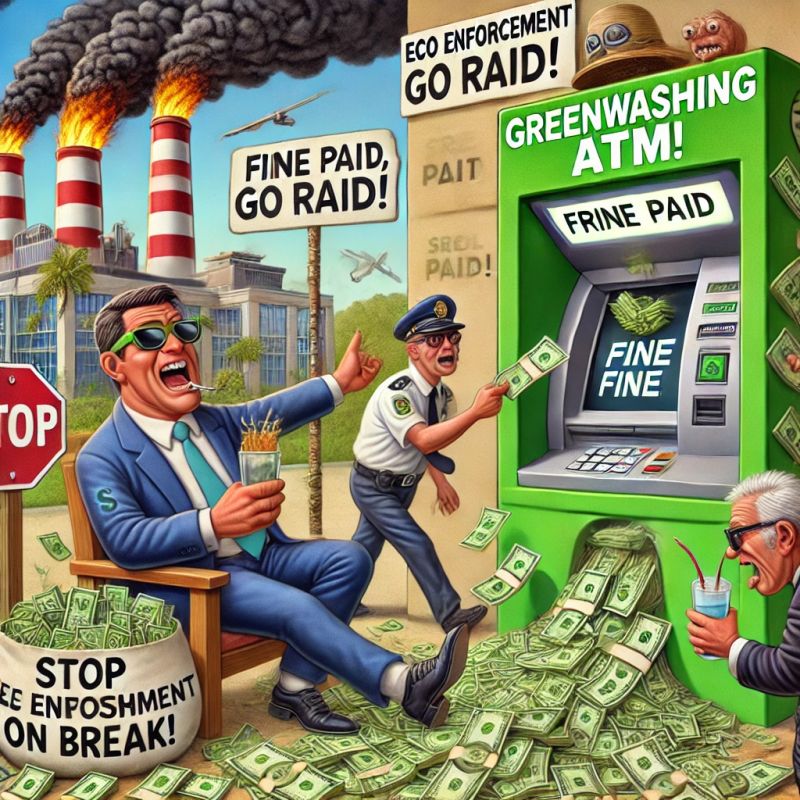
💰 “Green_Fines_or_Green_Profits? Are Environmental Penalties Just Revenue Generators?” 🌍⚖️
Fining a corporation for destroying the planet without enforcing 2change is like giving a speeding ticket to a getaway car—profitable, but pointless.
Governments claim to enforce environmental protection, but are penalties truly about holding polluters accountable—or just another way to boost state revenues without real impact? Let’s look at the numbers.
📊 Who Pays the Most?
✅ Big_Oil & Fossil Fuel Giants 🛢️
✔️ BP, ExxonMobil, Shell – Fined $35B+ globally in the last decade. (Reuters, 2024)
✔️ India: Reliance & ONGC collectively paid ₹8,000 crore ($960M) in pollution fines. (CPCB, 2024)
🚨 Reality Check: Despite massive fines, fossil fuel subsidies still exceed $7 trillion globally. (IMF, 2024)
✅ Mining_Deforestation 🌲🏗️
✔️ Brazil’s Amazon Deforestation Fines – Over $2.3B in penalties, yet deforestation rates hit record highs in 2024. (Greenpeace, 2024)
✔️ Vedanta & Adani Mining (India) – Paid ₹12,500 crore ($1.5B) in fines but continue large-scale mining. (MoEFCC, 2024)
🚨 Reality Check: Fines are often a fraction of profits. Most mining firms budget for environmental penalties instead of stopping damage.
✅ Chemical_Industrial_Waste 🏭
✔️ Dow Chemicals, BASF, Bayer – $8B+ in global penalties for toxic leaks. (EU Commission, 2024)
✔️ India’s Ganga Pollution Cases – Over ₹1,500 crore ($180M) in fines, but pollution still rising. (NGT, 2024)
🚨 Reality Check: Only 30% of fines are actually collected, and cleanup rarely happens. (UNEP, 2024)
⚠️ Who Gets Away?
❌ Agribusiness & Pesticides – Massive groundwater depletion, but minimal regulation.
❌ Fast Fashion & E-Waste – Textile & electronics giants rarely fined for pollution.
❌ Shipping Industry – 1,000+ oil spills yearly, but most fines are under $1M. (IMO, 2024)
📌 Reality Check: Governments focus on fining profitable industries while ignoring sectors with long-term damage.
🏆 KeyTakeaway: Are Green Fines Just A Cost of Doing Business?
✔️ Fines need to be reinvested in cleanup & prevention—not just govt revenue.
✔️ Penalties should scale with profits—polluters shouldn’t budget for damage.
✔️ Transparency matters—where do these billions in environmental fines actually go?
👉 Should penalties be about revenue or real accountability? Let’s discuss! 👇

Originally published on LinkedIn on 2025-02-17 13:29:00: https://www.linkedin.com/feed/update/urn%3Ali%3AgroupPost%3A9088131-7297245653515079680
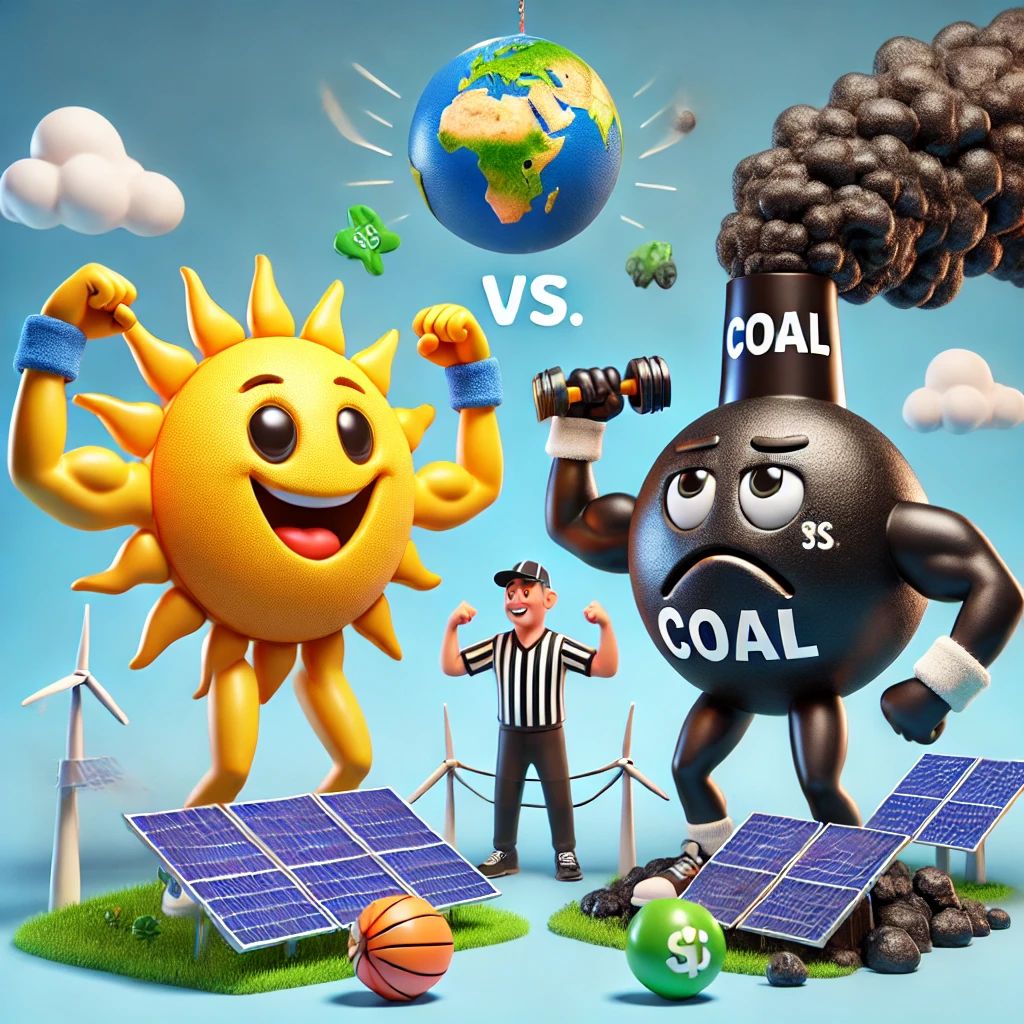
Solar vs. Coal: The USD10_Trillion Energy Disruption We Can’t Ignore” ☀️⚡🔥
Solar is cheaper, cleaner, and scaling fast, but can it fully replace coal? Here’s a data-driven breakdown of efficiency, cost, impact, and future trends.
🔍 Efficiency & Reliability
☀️ Solar – 15-22% efficiency, drops 80-90% at night. (Source: NREL, 2023)
🔥 Coal – 35-45% efficiency, generates 24/7 power. (Source: IEA, 2023)
🏆 Winner: Coal (for base-load power), Solar (for clean production).
💰 Cost & Scalability
☀️ Solar – #$25-$50 per MWh, 89% price drop since 2010. (Source: Lazard, 2023)
🔥 Coal – #$65-$150 per MWh, rising due to fuel costs & carbon taxes. (Source: IEA, 2023)
🏆 Winner: Solar (cheaper & getting cheaper).
🌍 Environmental Impact
☀️ Solar – Zero emissions, but 78M tons of solar waste by 2050. (Source: IRENA, 2023)
🔥 Coal – 820g CO₂ per kWh, highest among energy sources. (Source: IPCC, 2023)
🏆 Winner: Solar (cleaner, but needs better recycling).
🔋 Future Trends
✅ Solar Prices Falling – Expected 50% cheaper than coal by 2030. (Source: BloombergNEF, 2024)
✅ Coal Declining – 40% of coal plants to shut by 2040. (Source: IEA, 2023)
✅ Battery Breakthroughs – Solving solar’s intermittency problem.
🏆 Final Verdict: Solar ✅ (Cleaner, scalable, and cost-effective, but storage & recycling must improve).
KeyTakeaway
Solar is already outcompeting coal, but its future depends on energy storage & recycling innovations. The transition is happening—the only question is how fast.
👉 Will solar dominate, or does coal still have a future?
SolarVsCoal CleanEnergy Sustainability EnergyEfficiency FutureOfEnergy
Originally published on LinkedIn on 2025-01-28 11:16:10: https://www.linkedin.com/feed/update/urn%3Ali%3AgroupPost%3A10334500-7289964467918983170
NamasteGreenIndia’s Ethanol Revolution: Achieving 20% Blending with a Sustainable Edge
India is on the brink of achieving a 20% ethanol blending target, a transformative step towards energy independence, environmental sustainability, and agricultural empowerment. Here’s how this revolution is shaping up:
📈 The Progress So Far
🟢 2014: Ethanol blending in petrol was just 1.53%.
🟢 2024: Achieved 15%, with 4.62 million metric tonnes (MMT) of ethanol produced.
🟢 2025 Target: Projected to produce 10.2 MMT annually to meet blending and industrial needs.
🌍 Economic & Environmental Wins
💰 USD 4 Billion Saved: Annual savings on crude oil imports.
🌎 10 MMT CO₂ Reduced: Emissions cut significantly with 20% ethanol blending.
👷 500,000 Jobs Created: Boosting rural employment through distilleries and supply chains.
🚢 USD 300 Million Export Potential: Surplus ethanol positioned for international markets.
🚗 Automotive Industry’s Ethanol Push
🔧 Flex-Fuel Vehicles: Tata Motors, Mahindra, Maruti Suzuki, and Hyundai to launch 100% bio-ethanol vehicles within six months.
🛢️ Fossil Fuel Demand Cut: Flex-fuel vehicles to reduce reliance on fossil fuels by 5.5 MMT annually.
🏭 Toyota’s Commitment: Investing ₹20,000 crore (USD 2.4 billion) in ethanol-compatible vehicle production.
🌾 Agricultural Boost
🌱 8-9 MMT of Sugar: Diverted annually for ethanol production, stabilizing prices and supporting farmers.
🌾 1.5 MMT of Surplus Grains: Utilized for ethanol, ensuring sustainable revenue for agriculture.
⚡ Challenges & Opportunities
📊 Feedstock Demand: India needs an additional 2 MMT of sugarcane and 1.5 MMT of surplus grains for sustainable production.
🏗️ Infrastructure Gaps: Only 30% of fuel pumps are ready for E20 blending.
🌍 Global Leadership: Scaling production and refining distribution could position India as a leader in ethanol exports.
💡 Why This Matters
India’s ethanol revolution is more than a blending target—it’s about energy self-reliance, cutting carbon footprints, and empowering rural economies. This initiative showcases India as a global benchmark for sustainable energy transitions.
💬 Let’s discuss how India’sEthanolJourney is driving SustainableEnergy, AutomotiveInnovation, and RuralEmpowerment! 🚀
Originally published on LinkedIn on 2025-01-16 09:51:29: https://www.linkedin.com/feed/update/urn%3Ali%3AgroupPost%3A12538632-7285594503120347137
🚀 NamasteCSR_India’s $3.48 Billion CSR Revolution: Transforming Lives, Shaping the Future 🚀
Total CSR Spending: ₹29,000 crore (~$3.48 billion USD)
Corporate India is leading a powerful movement in social_responsibility_investing billions into initiatives that empower communities, address inequalities, and build a sustainable future.
📊 Industry-Wise CSR Spending
Where the $3.48 billion made a difference:
🎓 Education, Differently Abled, and Livelihood:
💰 ₹13,209 crore (~$1.58 billion USD) | 44% of Total CSR
Empowering individuals through skill-building and education.
🩺 Healthcare and Sanitation:
💰 ₹8,739 crore (~$1.05 billion USD) | 29%
Improving health access and sanitation for underserved communities.
🌾 Rural Development:
💰 ₹2,005 crore (~$240 million USD) | 7%
Building sustainable livelihoods and infrastructure in rural areas.
🌿 Environment and Conservation:
💰 ₹2,921 crore (~$350 million USD) | 10%
Driving green initiatives and conserving biodiversity.
👩🎓 Gender Equality and Women Empowerment:
💰 ₹893 crore (~$107 million USD) | 3%
Breaking barriers and empowering women across sectors.
🏅 Encouraging Sports:
💰 ₹526 crore (~$63 million USD) | 2%
Fostering sporting talent and creating opportunities.
🏛️ Heritage and Culture:
💰 ₹441 crore (~$53 million USD) | 1%
Preserving India’s rich cultural legacy.
🤝 PM Relief and Other Funds:
💰 ₹815 crore (~$98 million USD) | 3%
Supporting disaster relief and community aid initiatives.
🏆 Top 10 Contributors Driving the Revolution
These companies collectively spent ₹5,070 crore (~$608 million USD):
1. ⭐ Reliance Industries Limited: ₹1,592 crore (~$190M)
2. 💼 HDFC Bank Limited: ₹945 crore (~$113M)
3. 💻 Tata Consultancy Services: ₹900 crore (~$108M)
4. 🏭 Tata Steel Limited: ₹827 crore (~$99M)
5. 🛢️ ONGC Limited: ₹635 crore (~$76M)
6. ⛽ Indian Oil Corporation: ₹580 crore (~$70M)
7. 💡 Infosys Limited: ₹458 crore (~$55M)
8. 🌱 ITC Limited: ₹404 crore (~$48M)
9. 🔌 Power Grid Corporation: ₹331 crore (~$40M)
10. 💻 HCL Technologies: ₹261 crore (~$31M)
🌟 Why This Matters
This is more than compliance—it’s transformational. India’s CSR ecosystem is creating lasting change, targeting critical issues like education gaps, healthcare disparities, environmental challenges, and community empowerment.
By YR2047, as India marks 100Years of independence, these contributions will shape an inclusive, sustainable, and empowered future for generations to come.
💬 What are your thoughts on this revolution? Let’s connect and collaborate!
CSR India Impact Sustainability CorporateLeadership ChangeMakers

Originally published on LinkedIn on 2025-01-11 15:12:43: https://www.linkedin.com/feed/update/urn%3Ali%3AgroupPost%3A10020629-7283863402731479040

