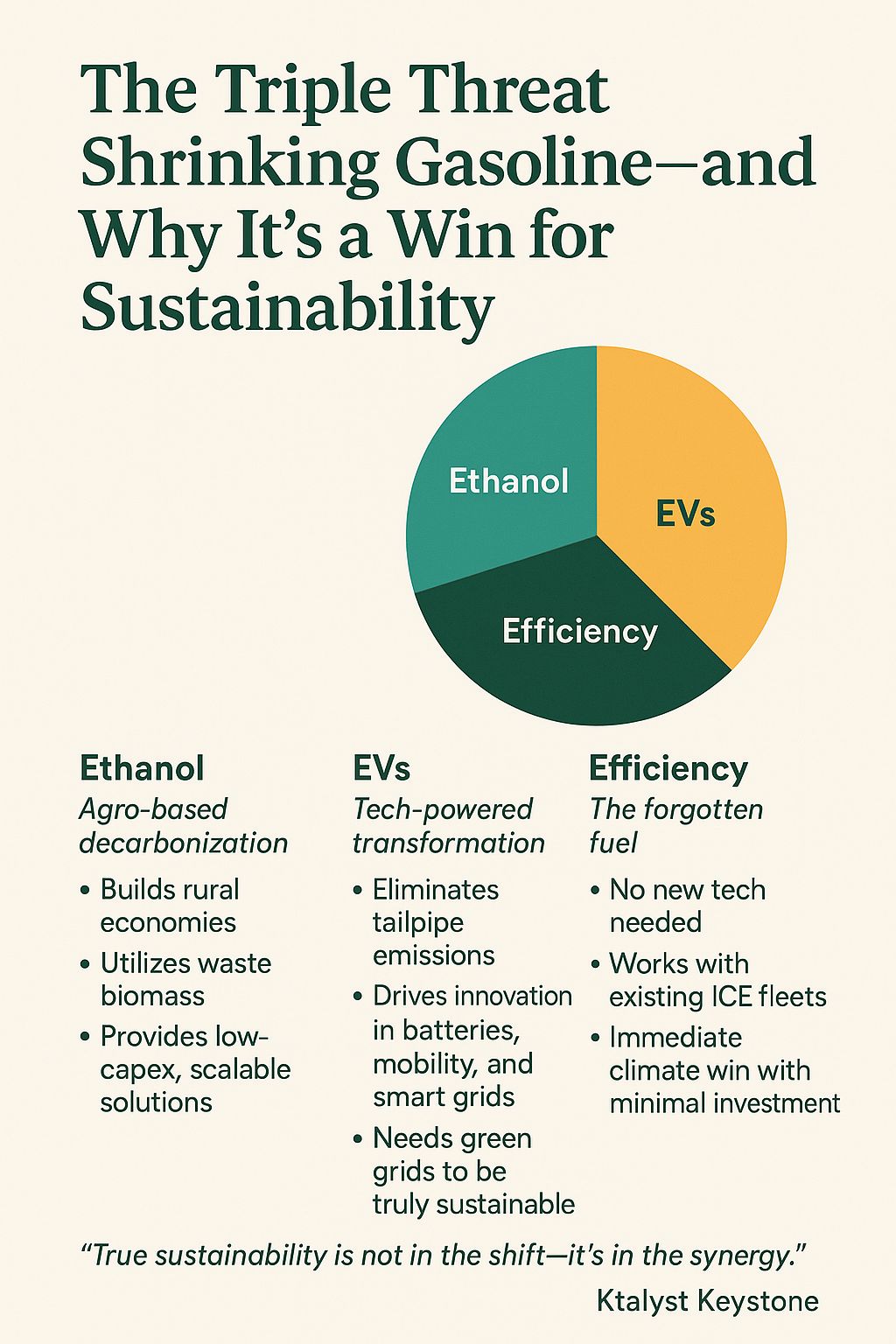
TheTripleThreat ShrinkingGasoline—and Why It’s a Winfor Sustainability
KtalystTake
It’s not a duel. It’s a dual + one disruption.
Ethanol, EVs, and Efficiency—three forces quietly rewriting the gasoline story.
Gasoline isn’t dying in a war. It’s being shaved away—policy by policy, charge by charge, and mile by mile.
Ktalyst Keystone
TripleThreat:
1. Ethanol – Agro-based Decarbonization
🔁 Builds rural economies
♻️ Utilizes waste biomass
⚙️ Scalable, low-CAPEX pathways
🇮🇳 India’s E20 rollout = CAGR ~15%
2. EVs – Tech-Powered Transformation
⚡ Zero tailpipe emissions
🔋 Accelerates battery + smart grid innovation
🌍 China & EU lead with 25–30% CAGR
🚗 Each EV = lifetime gasoline exit
3. Efficiency – The Forgotten Fuel
⛽ Improves ICE vehicle performance
🧠 No new tech needed—works instantly
♨️ 1.5–2.5% fuel-saving per year = silent CO₂ win
KtalystQuote
True sustainability is not in the shift—it’s in the synergy.


Originally published on LinkedIn on 2025-04-23 05:21:13: https://www.linkedin.com/feed/update/urn%3Ali%3AgroupPost%3A82951-7320678109681201153
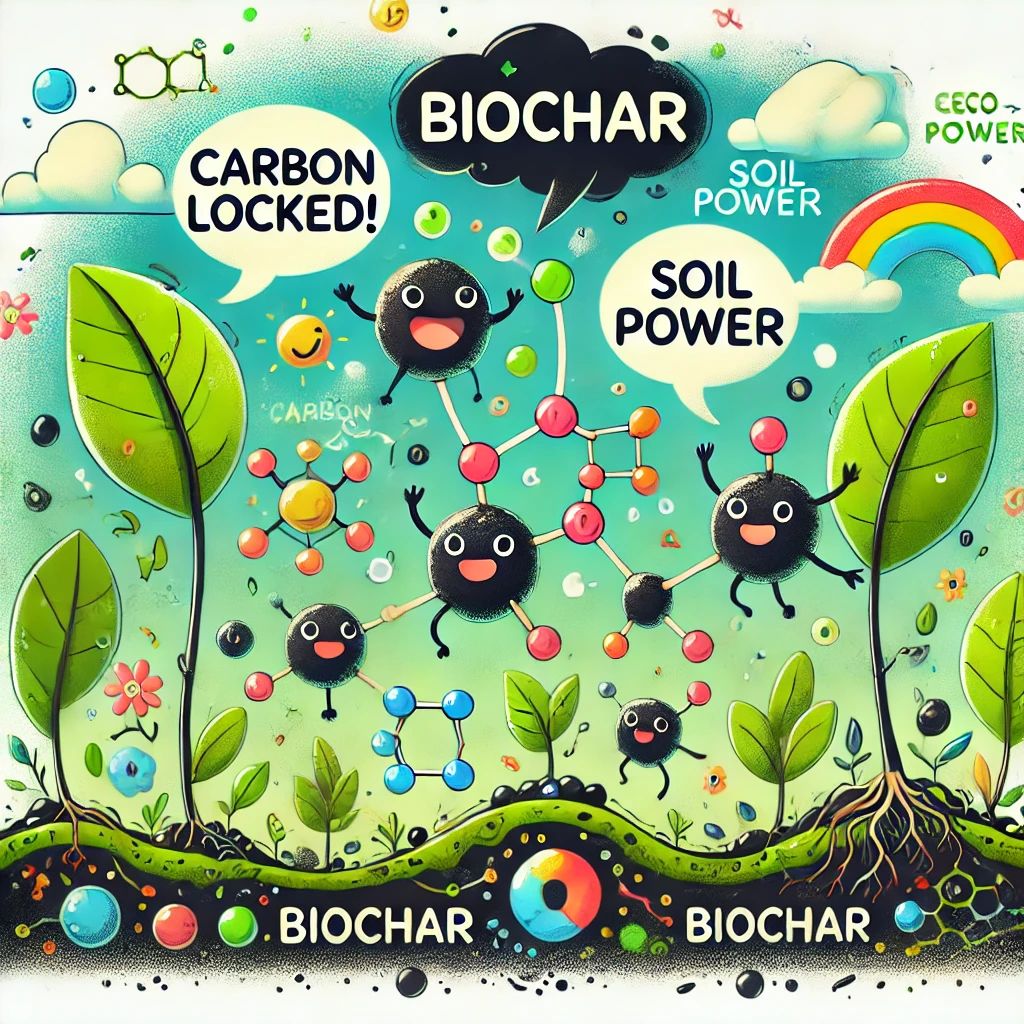
#️⃣ KnowledgeSeries | Biochar: The Silent Climate Solution 🌱🔥
🌍 Can_We_Lock_Carbon for Centuries While Boosting Soil? Yes—With Biochar!
📊 # Key Biochar Facts & Figures
📉 3Tons of CO₂ Sequestered Per Ton of Biochar – One of the most efficient carbon capture tools. (IPCC)
🌾 # 28% Increase in Crop Yields – Improves soil fertility and water retention. (Nature Communications)
💧 # 50% Less Nitrogen Runoff – Reduces water pollution from fertilizers. (Environmental Science & Technology)
♻ 3BillionUSD Market by 2030 – Growing at 13.2% CAGR, driven by climate policies. (MarketsandMarkets)
🏗 60% Lower Concrete Emissions – Biochar-infused cement is cutting industrial carbon footprints. (MIT Research)
🏭 # 90% Efficiency in Industrial Wastewater Treatment – Filters heavy metals & pollutants. (Journal of Environmental Management)
🔥 Who’s Investing?
💰 Microsoft & Shopify – Using biochar as verified carbon offsets.
🛍 IKEA & H&M – Researching biochar-infused textiles.
🚜 Indian & African Farmers – Improving soil health in degraded lands.
🏆 Biochar’s Future: From Farms to Factories
💡 Could biochar become a global standard in climate strategy? Drop your thoughts! 👇

Originally published on LinkedIn on 2025-03-02 15:37:10: https://www.linkedin.com/feed/update/urn%3Ali%3AgroupPost%3A2474261-7301988952033419264
🚀 “The 3Es of ₹Ethanol: Environment, Economy & Efficiency – Is India Getting It Right?” 🌱💰⚡
Fueling sustainability or fueling a crisis?
India’s EthanolBlending mission is racing toward 20% ethanol-petrol blending (E20) by 2025-26, aiming to slash ₹53,894 crore ($6.5B) in crude oil imports annually while cutting CO₂ emissions by 2.3 million tonnes—equivalent to taking 4.2 lakh cars off the road. (MoPNG, 2024) But does ethanol truly deliver on Environment, Economy, and Efficiency?
🌍 1. Environment: Green or Resource-Heavy?
✔️ CO₂ Reduction: Ethanol blending cut 2.3M tonnes of CO₂ in 2023, but its full lifecycle emissions remain debated. (MoPNG, 2024)
✔️ Water Crisis: Producing 1L of ethanol from sugarcane requires 2,860L of water, straining groundwater. (NITI Aayog, 2024)
✔️ Crop Dependency: 92% of India’s ethanol comes from sugarcane, a crop linked to declining soil fertility. (IEA, 2024)
✔️ Air Quality Gains: E20 reduces particulate matter by 30-50%, improving urban air pollution. (ICCT, 2024)
📌 RealityCheck: Can ethanol be truly sustainable when it risks food & water security?
💰 2. Economy: Cost Savings vs. Inflation?
✔️ Fuel Independence: Ethanol saved India $6.5B in oil imports in 2023. (MoPNG, 2024)
✔️ Investment Boom: The sector is attracting ₹41,000 crore ($4.9B) in new investments by 2025. (NITI Aayog, 2024)
✔️ Job Creation: Ethanol production has generated 4 lakh jobs in rural India. (MoPNG, 2024)
✔️ Food Price Spike: 40L tonnes of sugarcane & 25L tonnes of grain were diverted to ethanol in 2023, contributing to food inflation. (FAO, 2024)
📌 RealityCheck: Are we trading food security for fuel independence?
⚡ 3. Efficiency: Can Ethanol Compete with Petrol?
✔️ Mileage Drop: E20 reduces fuel efficiency by 6-10%, requiring more frequent refueling. (SIAM, 2024)
✔️ Vehicle Readiness: Only 20% of India’s petrol vehicles are E20-ready. (MoRTH, 2024)
✔️ Slow Adoption: Just 6% of fuel stations nationwide are E20-compliant. (BPCL, 2024)
✔️ Flex-Fuel Future: Maruti, Toyota & Honda have launched E85-compatible vehicles, but mass adoption is slow. (AutoCar India, 2024)
📌 RealityCheck: Can ethanol match petrol’s efficiency without major tech breakthroughs?
🇺🇸 US Interest in India’s Ethanol Push
🔹 Corn Exports: The US exported $1.2B worth of ethanol-friendly corn to India in 2023. (USDA, 2024)
🔹 Big Oil & Biofuels: ExxonMobil & Chevron have invested $800M in India’s ethanol supply chain. (Bloomberg, 2024)
🔹 Strategic Partnerships: US firms are eyeing India’s ₹41,000 crore ($4.9B) ethanol market for global expansion. (Reuters, 2024)
Originally published on LinkedIn on 2025-02-21 17:04:12: https://www.linkedin.com/feed/update/urn%3Ali%3AgroupPost%3A82951-7298749364091428865
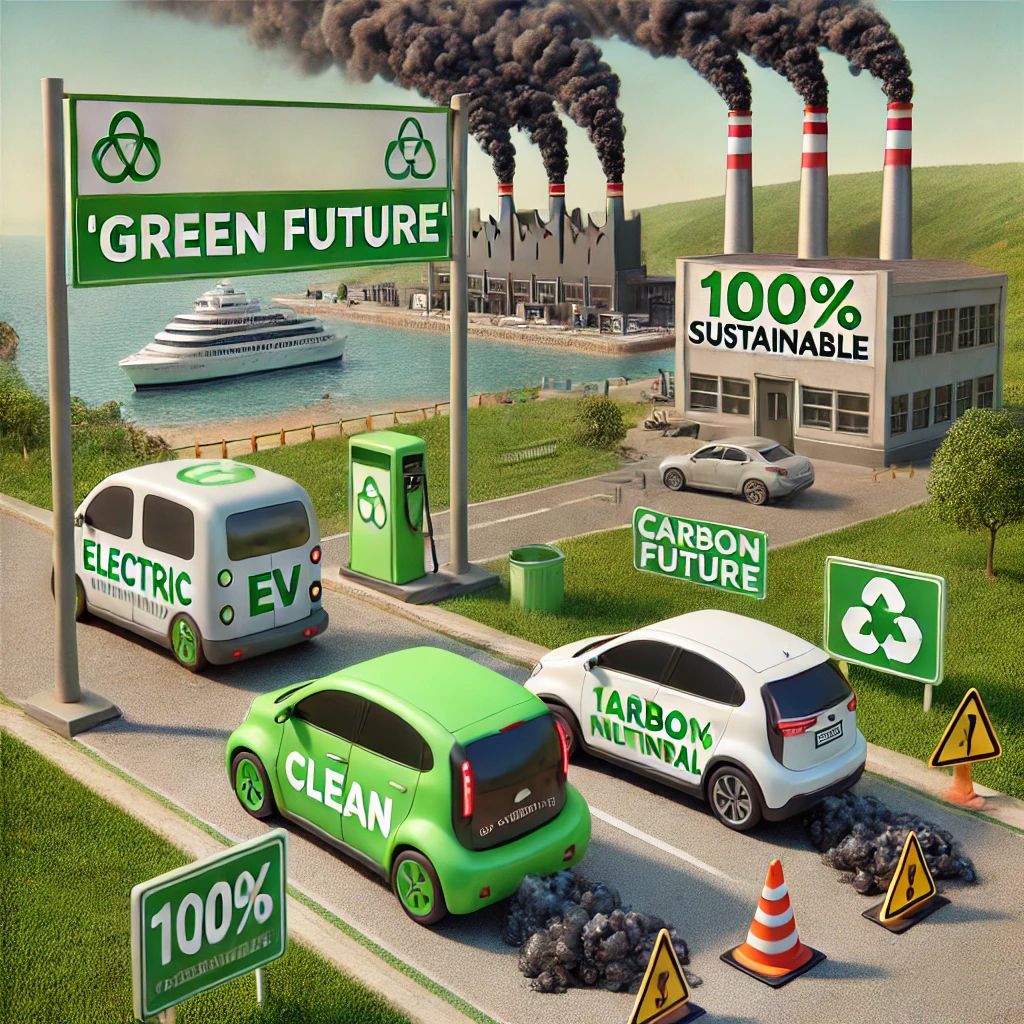
🚗⚡ YR2035’s Green_Auto_Mirage: Are EVs, Hydrogen Fuel Cells, and Synthetic Fuels Truly Sustainable or Just Greenwashing? 🌍💨
As we race toward 2035’s petrol-diesel ban, automakers push EVs, HFCVs, and SyntheticFuels as the future. But are these real solutions or clever marketing?
🔋 EVs: Cleaner or Just Elsewhere Emissions?
📌 Battery Production: An 80 kWh battery emits 2.4 – 16 metric tons of CO₂—equal to driving a gasoline car for 5-7 years. (MIT, 2024)
📌 Resource Impact: Each EV battery needs 63kg lithium, cobalt, & nickel, causing deforestation & water pollution. (GreenCars, 2024)
📌 Power Grid Dependence: An EV running on coal-based electricity emits more CO₂ per mile than hybrids. (EPA, 2024)
📌 Reality Check: EVs help only if powered by clean energy.
💧 Hydrogen: Clean Hype or Fossil Fuel Disguise?
📌 Production Problem: 96% of global hydrogen is made from natural gas & coal, emitting 830M metric tons of CO₂. (IEA, 2024)
📌 Efficiency Loss: HFCVs require 3x more renewable electricity than EVs. (US DOE, 2024)
📌 Reality Check: Unless made from renewables, hydrogen is just another fossil fuel.
⛽ Synthetic Fuels: Carbon-Neutral or Clever Greenwashing?
📌 Energy Guzzler: Producing 1L of synthetic fuel takes 6x more energy than refining petrol. (Fraunhofer, 2024)
📌 Still Polluting: Burns CO₂ and emits more NOx than conventional fuels. (MDPI, 2024)
📌 Reality Check: Synthetic fuels aren’t zero-emission—they just relocate pollution.
🚨 Greenwashing in the Auto Industry
🔻 BMW, Toyota, Honda exaggerated EV carbon savings by omitting battery emissions. (Greenpeace, 2024)
🔻 Porsche’s synthetic fuel plant claims zero emissions but runs on coal-powered electricity. (The Guardian, 2024)
🔻 India & U.S. promised 1M EV chargers by 2025, yet less than 20% installed. (BloombergNEF, 2024)
📌 Reality Check: Many automakers sell ‘green’ promises, but not real sustainability.
🏆 Key Takeaway: Hype or Hope?
🚘 EVs, HFCVs, & Synthetic Fuels could be clean if the supply chain is green.
♻️ They should be backed by strict sustainability policies.
⚠️ But they would be just another greenwashing scandal if industries don’t walk the talk.
👉 Are we truly heading toward sustainable mobility, or just another green illusion? 👇
Originally published on LinkedIn on 2025-02-18 11:22:14: https://www.linkedin.com/feed/update/urn%3Ali%3AgroupPost%3A82093-7297576141614190592
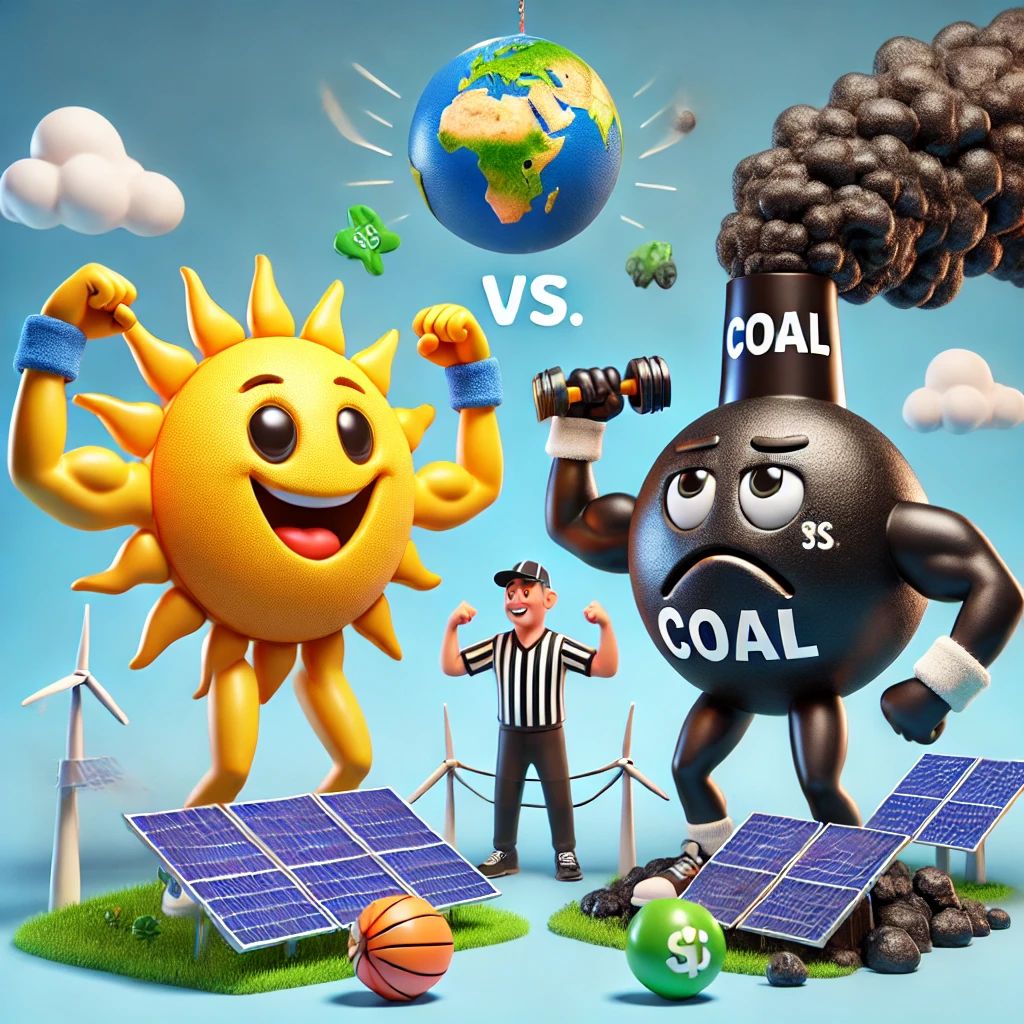
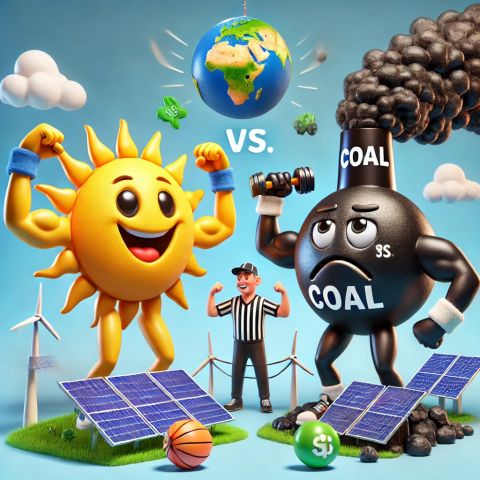
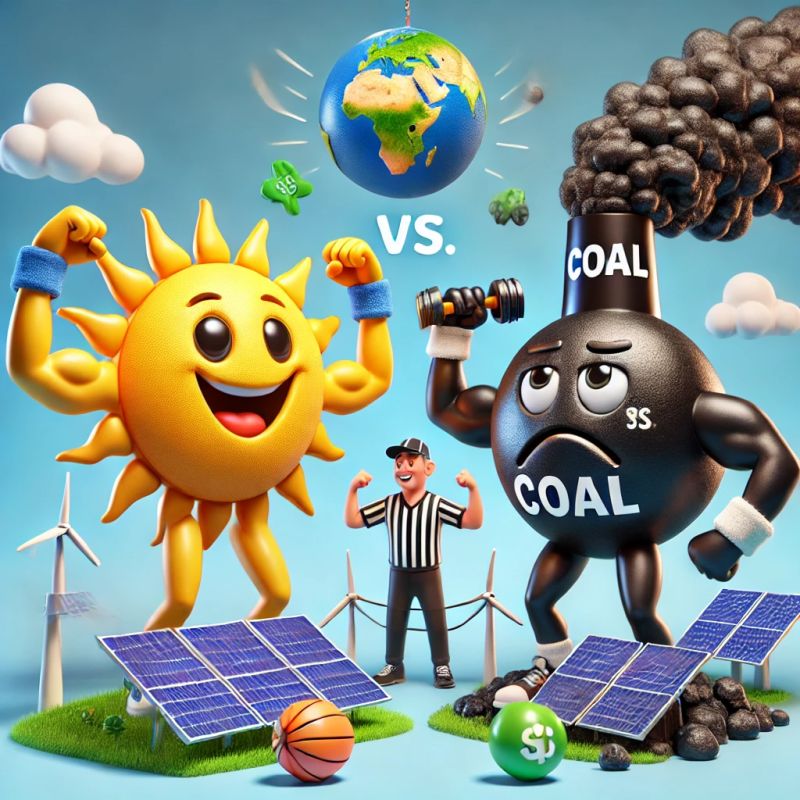
Solar vs. Coal: The USD10_Trillion Energy Disruption We Can’t Ignore” ☀️⚡🔥
Solar is cheaper, cleaner, and scaling fast, but can it fully replace coal? Here’s a data-driven breakdown of efficiency, cost, impact, and future trends.
🔍 Efficiency & Reliability
☀️ Solar – 15-22% efficiency, drops 80-90% at night. (Source: NREL, 2023)
🔥 Coal – 35-45% efficiency, generates 24/7 power. (Source: IEA, 2023)
🏆 Winner: Coal (for base-load power), Solar (for clean production).
💰 Cost & Scalability
☀️ Solar – #$25-$50 per MWh, 89% price drop since 2010. (Source: Lazard, 2023)
🔥 Coal – #$65-$150 per MWh, rising due to fuel costs & carbon taxes. (Source: IEA, 2023)
🏆 Winner: Solar (cheaper & getting cheaper).
🌍 Environmental Impact
☀️ Solar – Zero emissions, but 78M tons of solar waste by 2050. (Source: IRENA, 2023)
🔥 Coal – 820g CO₂ per kWh, highest among energy sources. (Source: IPCC, 2023)
🏆 Winner: Solar (cleaner, but needs better recycling).
🔋 Future Trends
✅ Solar Prices Falling – Expected 50% cheaper than coal by 2030. (Source: BloombergNEF, 2024)
✅ Coal Declining – 40% of coal plants to shut by 2040. (Source: IEA, 2023)
✅ Battery Breakthroughs – Solving solar’s intermittency problem.
🏆 Final Verdict: Solar ✅ (Cleaner, scalable, and cost-effective, but storage & recycling must improve).
KeyTakeaway
Solar is already outcompeting coal, but its future depends on energy storage & recycling innovations. The transition is happening—the only question is how fast.
👉 Will solar dominate, or does coal still have a future?
SolarVsCoal CleanEnergy Sustainability EnergyEfficiency FutureOfEnergy
Originally published on LinkedIn on 2025-01-28 11:16:10: https://www.linkedin.com/feed/update/urn%3Ali%3AgroupPost%3A10334500-7289964467918983170
NamasteIndia Is carbon capture an efficient way to tackle CO2?
Carbon capture and storage (CCS) is a promising technology for reducing CO2 emissions, but its efficiency and effectiveness can vary.
Efficiency: Most CCS technologies aim to capture at least 90% of CO2 emissions from industrial sources. However, achieving higher efficiency becomes increasingly expensive and energy-intensive.
Direct Air Capture (DAC): This method captures CO2 directly from the atmosphere. For example, the Mammoth plant in Iceland captures 36,000 tons of CO2 annually. However, DAC requires significant electricity, often sourced from renewable energy.
Economic and Engineering Challenges: Capturing the last few percentages of CO2 is more challenging and costly due to diminishing returns.
Applications: Captured CO2 can be stored underground or used in various industries, such as manufacturing fuels and building materials.
While CCS is a valuable tool in the fight against climate change, it is most effective when combined with other strategies like renewable energy and energy efficiency improvements.
Originally published on LinkedIn on 2024-08-07 20:32:49: https://www.linkedin.com/feed/update/urn%3Ali%3Ashare%3A7227049064356298752

