Sustainability as a CompetitiveAdvantage: Data-Backed Insights from Market Leaders
How Green Strategies Drive Profitability and Market Dominance
1️⃣ The Business Case: Numbers Don’t Lie
Sustainability is no longer just CSR—it’s a profit-driver. Companies leading in ESG (Environmental, Social, Governance) outperform competitors in key metrics:
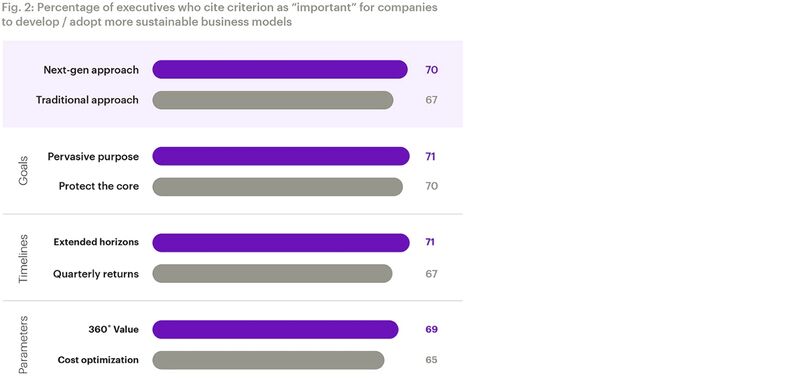
67% of consumers prefer sustainable brands, and 50% are willing to pay a premium (Nielsen)
ESG-focused firms achieve 23% higher return on assets (Harvard Business School)
Sustainable investments reached #$30.7 trillion globally (Global Sustainable Investment Alliance, 2023)
Green supply chains reduce costs by 9% to 16% (McKinsey & Co.)
2️⃣ CaseStudy: Unilever – Sustainability Driving Growth
The Challenge:
Stagnant growth, rising operational costs, and increasing consumer skepticism.
TheStrategy:
✅ Launched Sustainable Living Plan – focusing on carbon neutrality, waste reduction, and ethical sourcing
✅ Introduced eco-friendly products – biodegradable detergents, refillable packaging
✅ Integrated sustainable supply chain – ethical sourcing, fair wages
TheOutcome:
Sustainable brands grew 69% faster than Unilever’s traditional portfolio
Cost savings of #€1.2 billion from energy efficiency & waste reduction
65% reduction in CO2 emissions while maintaining profit growth
3️⃣ The TeslaEffect: Sustainability as a Disruptor
TheChallenge:
EVs were costly, niche, and lacked mass adoption.
TheStrategy:
✅ Positioned EVs as luxury, creating aspirational demand
✅ Invested in battery innovation & circular economy for cost reduction
✅ Built renewable-powered gigafactories for operational efficiency
TheOutcome:
Stock value surged 5,500% in a decade (NASDAQ)
25% gross margin per vehicle, higher than traditional automakers (Toyota: 16%)
Industry-wide shift: Ford, GM, and Volkswagen investing heavily in EVs
4️⃣ IKEA: Circular Economy for Cost & Brand Loyalty
TheChallenge:
Fast furniture was unsustainable, affecting brand reputation.
TheStrategy:
✅ Shifted to circular design, using recyclable & repairable materials
✅ Built energy-positive stores, investing in solar & wind farms
✅ Launched buy-back programs, promoting a second-hand economy
TheOutcome:
50% carbon footprint reduction while increasing revenue
#$3 billion savings from renewable energy investments
World’s largest buyer of sustainable wood
5️⃣ Data-Proven Takeaways: Making Sustainability a Business Advantage
🔹 Sustainability is a growth driver – ESG-focused companies outperform peers by 20% in stock market returns (McKinsey)
🔹 Green innovation cuts costs – Sustainable practices lower operational costs by up to 16% (Deloitte)
🔹 Consumers reward sustainability – 77% of millennials consider environmental impact when purchasing (Forbes)
🔹 Investors prioritize ESG – 88% of global investors consider sustainability a key factor (Morningstar)
Originally published on LinkedIn on 2025-03-18 16:14:07: https://www.linkedin.com/feed/update/urn%3Ali%3AgroupPost%3A82093-7307796454041935875
🌍 AroundTheWorld: Sustainability News at a Glance! 🌱
Key updates shaping sustainability, business, and policy:
🔹 Policy & Regulation
📌 EU to Cut Sustainability Reporting Burden
The European Commission plans a 25% reduction in corporate reporting, saving businesses #€40 billion. (Read More)
📌 Australia Mandates Climate Reporting
Starting January 2025, 1,800 companies must disclose climate risks, aligning with global ESG norms. (Read More)
🔹 CorporateInitiatives
📌 United Legwear Tracks Scope 3 Emissions
The company adopts Worldly’s Impact Calculator, tracking 100% supply chain emissions toward a 42% reduction by 2030. (Read More)
📌 OSF HealthCare Reduces Waste
By remanufacturing medical devices, OSF cut landfill waste by 50%, earning the Sustainability Champion Award. (Read More)
🔹 IndustryTrends
📌 London Fashion Week Bans Exotic Skins
100+ designers now commit to zero exotic leather use, reinforcing ethical fashion. (Read More)
📌 Helsinki Ranked Most Sustainable City
With 80% renewable energy use and 90% certified green hotels, Helsinki sets an eco-tourism benchmark. (Read More)
🔹 Research & ConsumerBehavior
📌 Consumers Drive Sustainability
73% of Americans believe purchasing power influences corporate environmental policies. (Read More)
📌 Sustainable Materials Revolution
Scientists identify low-carbon topological materials, optimizing industrial applications for climate-conscious production. (Read More)
💡 Sustainability is an opportunity, not a challenge. Which initiative inspires you most? Drop your thoughts below! 👇

Originally published on LinkedIn on 2025-02-26 10:42:34: https://www.linkedin.com/feed/update/urn%3Ali%3AgroupPost%3A82093-7300465261634060289
CustomerInfluence is Driving CorporateSustainability—Are Businesses Ready? 🇮🇳🌍🛍️
What if every dollar (or rupee!) you spent was a vote for the future you wanted?
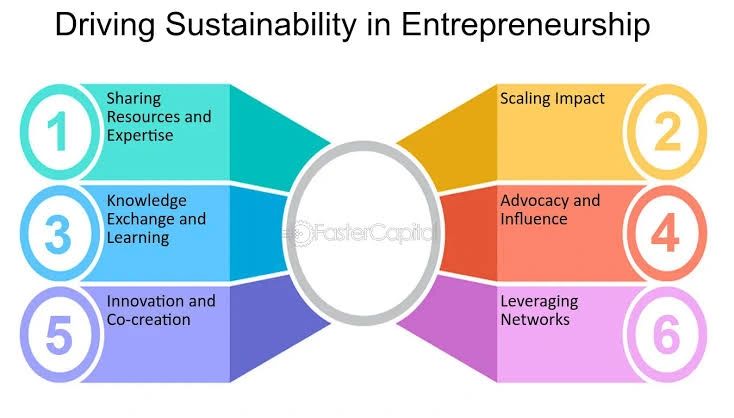
Consumers are no longer just buying products—they’re reshaping industries. In India, 85% of urban shoppers now prefer eco-friendly brands (Nielsen, 2024), pushing businesses to align with sustainability or risk losing relevance.
📢 WhichIndustries Are Most Affected by Customer Demand for Sustainability?
🚗 Automobile & Mobility
✔️ India’s EV market grew 48% YoY as consumers shift to greener transport (SIAM, 2024).
✔️ Tata Motors leads India’s EV sector with a 74% market share, while global automakers scramble to meet demand (Economic Times, 2024).
✔️ Uber & Ola face pressure to electrify fleets, with government mandates accelerating the shift.
🛍️ Retail & Fashion
✔️ Fast fashion faces a reckoning: 73% of Gen Z in India prefer sustainable brands (Deloitte, 2024).
✔️ H&M & Zara under fire for greenwashing, while local sustainable brands like FabIndia & B Label are thriving.
✔️ Shein & Flipkart Fashion have faced sustainability backlash, yet mass-market appeal keeps them afloat.
🥤 Food & Beverage
✔️ 70% of Indian consumers prefer eco-friendly packaging, pushing brands to reduce plastic use (Mint, 2024).
✔️ Nestlé & PepsiCo face bans on single-use plastics, while Amul & Mother Dairy work on sustainable dairy farming.
✔️ Plant-based meat & dairy alternatives are gaining ground, with a 32% YoY growth in demand (FICCI, 2024).
🏡 RealEstate & Construction
✔️ Green buildings account for 7% of new constructions in India, but demand for sustainable housing is rising (JLL India, 2024).
✔️ Godrej Properties & Mahindra Lifespaces are leading in green-certified real estate.
✔️ Builders failing on sustainability face regulatory & buyer scrutiny, pushing firms toward solar power & eco-friendly materials.
💄 Beauty & Personal Care
✔️ India’s natural beauty segment is growing 35% YoY, driven by demand for chemical-free, cruelty-free products (Statista, 2024).
✔️ Forest Essentials & Kama Ayurveda thrive, while L’Oréal & Unilever struggle with green claims scrutiny.
📊 KeyTakeaway: Consumers Hold the Power
📌 Customers could be the biggest force in driving corporate climate action.
📌 Brands should be transparent & proactive—greenwashing is no longer an option.
📌 The future would be shaped by companies prioritizing real impact over marketing.
👉 Do you factor sustainability into your purchasing decisions? Let’s discuss below! 👇

Originally published on LinkedIn on 2025-02-26 05:06:26: https://www.linkedin.com/feed/update/urn%3Ali%3AgroupPost%3A95089-7300380670919426049
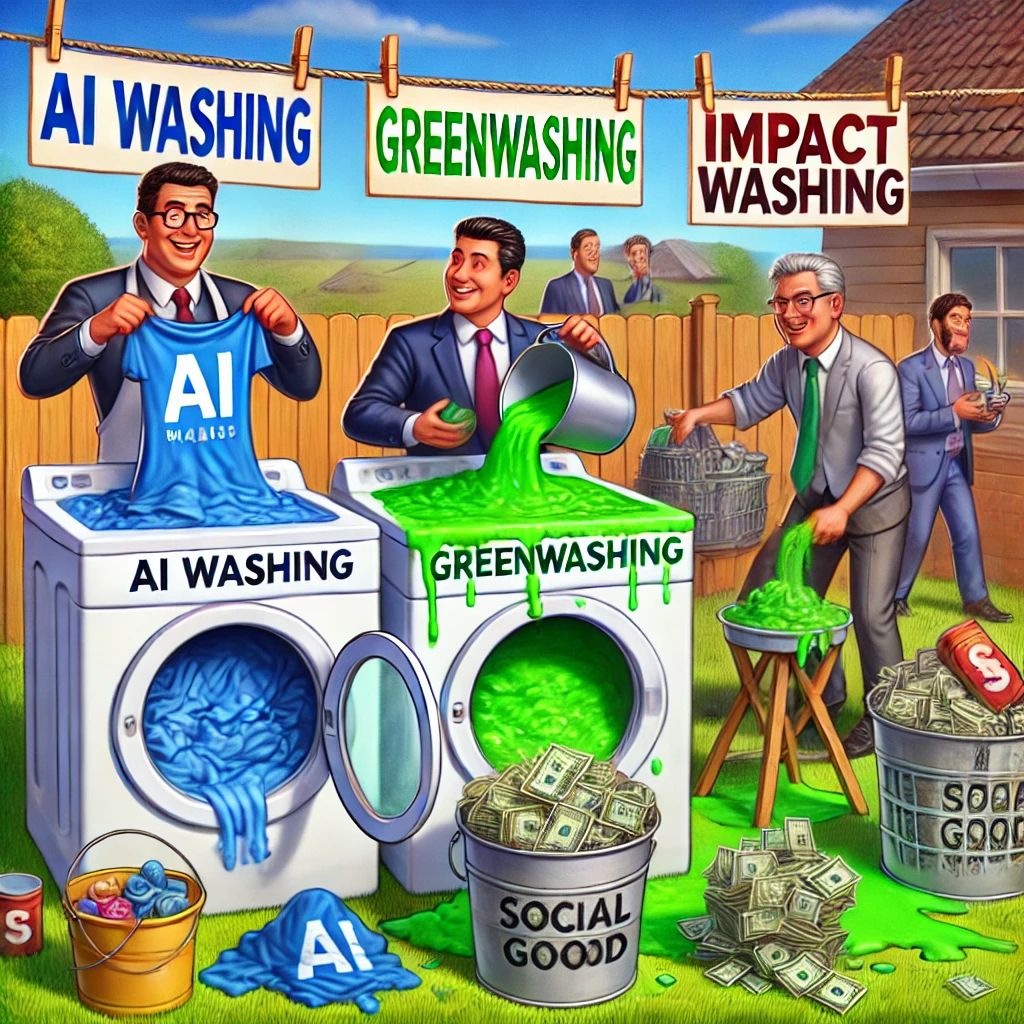
🚨 “The Corporate Hattrick of Deception: AI Washing, Greenwashing & Impact Washing!” 🤖💚🌍💸
If corporate Greenwashing was a sport, they’d be playing in the finals every year!
Just when AI Washing and Greenwashing weren’t enough, a third player has emerged—Impact Washing. Companies are not just misleading on AI and Sustainability, but also inflating their ‘SocialImpact’ to attract Investors and dodge scrutiny.
In 2025, these deceptive practices have led to Billions in InvestorLawsuits, RegulatoryCrackdowns, and GreenFinanceMisallocations across US, EU, China, India, and Asia.
📊 The Hattrick of Corporate Washing & Global Case Studies
🛑 1. AI Washing: The ArtificialIntelligence Illusion
🚨 75% of firms claiming AI leadership lack real AI adoption. (MIT Sloan, 2025)
🚨 InvestorLawsuits for AI deception doubled in 2024. (Stanford Law, 2025)
📌 Case Studies:
🔹 US: Tesla’s “Full Self-Driving” Fraud 🚗 – #$2.3B lawsuit for misleading AI claims. (SEC, 2025)
🔹 China: Fake AI CarbonTracking 📊 – #$1.1B in GreenBonds issued for fabricated AI-based EmissionsMonitoring. (Nikkei Asia, 2025)
🌱 2. Greenwashing: The FakeSustainability Playbook
🚨 #$1.3 Trillion in ‘Sustainable’ investments exposed as misleading. (EU GreenFinance Report, 2025)
🚨 60% of ‘CarbonNeutral’ pledges lack ScientificValidation. (UNEP, 2025)
📌 Case Studies:
🔹 EU: Volkswagen’s EV Greenwashing 🚗 – #€500M fine for false CarbonSavings claims. (European Commission, 2025)
🔹 India: Adani Group’s “CarbonNeutral” Ports 🚢 – #₹8,200 crore ($1B) GreenBond probe. (SEBI, 2025)
🔹 Asia: FastFashion’s “EcoFriendly” Lie 👗 – #$780M in Penalties for misleading “100% Sustainable” fabric claims. (Reuters, 2025)
💸 3. Impact Washing: The ESG & SocialResponsibility Mirage
🚨 Only 17% of companies reporting ‘SocialImpact’ actually measure it. (WEF, 2025)
🚨 #$400B in ESG funds reclassified due to FalseClaims. (Morningstar, 2025)
📌 Case Studies:
🔹 US: Meta’s “EthicalAI” Ad Controversy 📱 – #$500M lawsuit over manipulative AI-driven ads. (Bloomberg, 2025)
🔹 India: Tata Group’s “InclusiveHiring” Scandal 🏭 – #₹2,100 crore ($250M) Penalty for inflating Diversity stats. (Economic Times, 2025)
🔹 China: ESG Failures in Tech SupplyChains 🏭 – #$3B InvestorPullout due to ForcedLabor revelations. (SCMP, 2025)
🏆 KeyTakeaway
🤖 AI Washing could be a powerful force for Innovation—if used Ethically.
🌍 Greenwashing should be eliminated with strict Regulations.
💸 Impact Washing would be the next BillionDollar Scandal if unchecked.
📌 Reality Check: Investors and Consumers must demand Transparency—not just PRSpin!
💬 Which of these Corporate Washings have you spotted? Drop your thoughts below! 👇
Originally published on LinkedIn on 2025-02-18 11:39:42: https://www.linkedin.com/feed/update/urn%3Ali%3AgroupPost%3A4385073-7297580537215434754
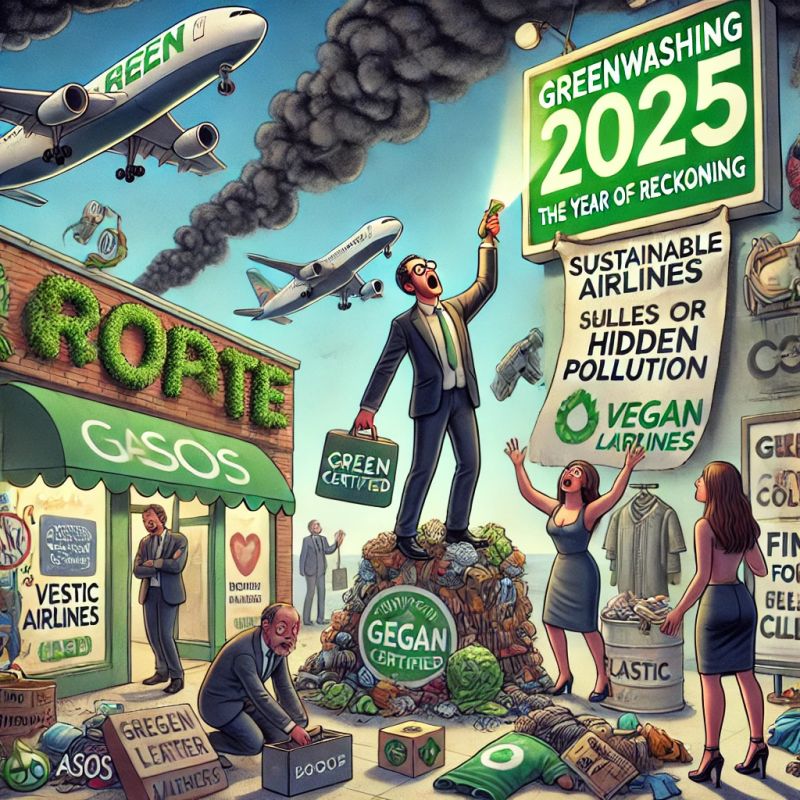
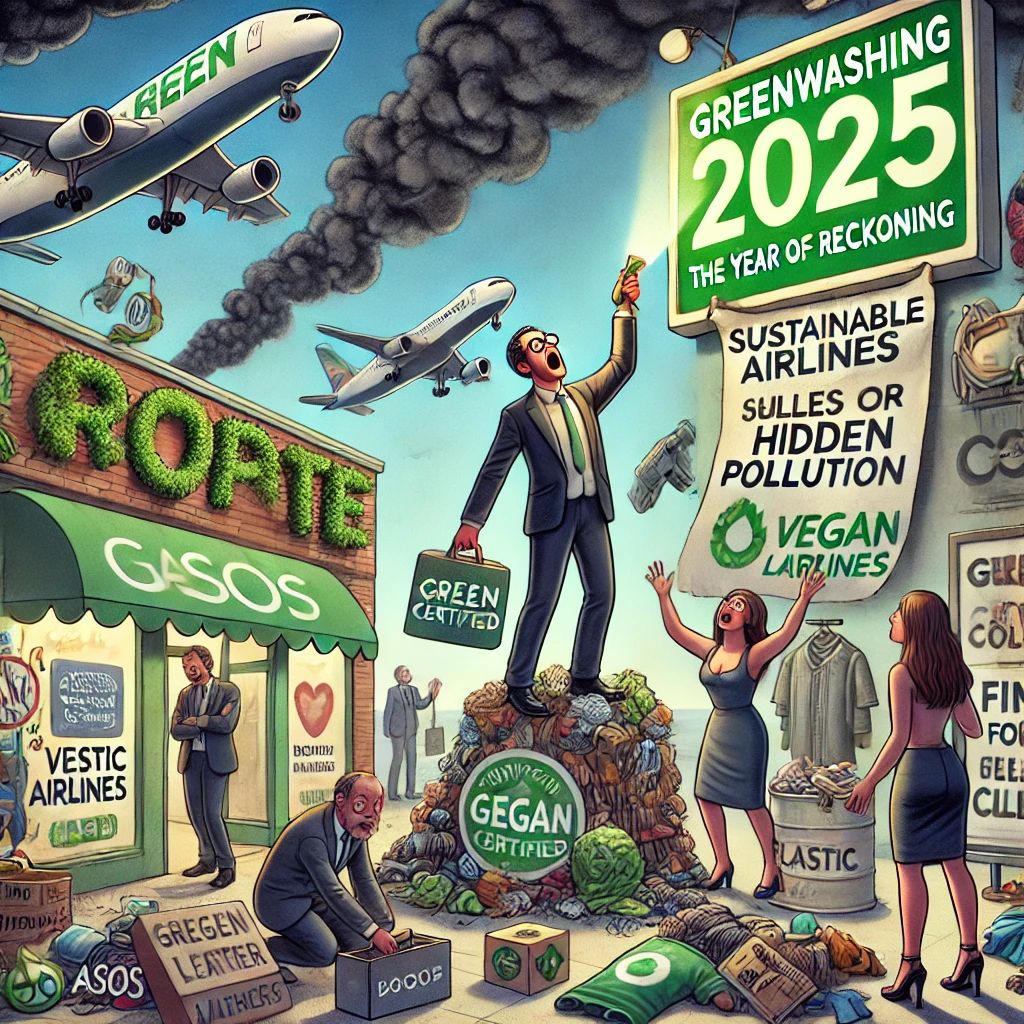
🚨 “Greenwashing in YR2025: The Year of Reckoning Begins?” 🌍💰🔥
📊 $7 Trillion. That’s the Sustainable Investment Market in 2025. (World Bank, 2025)
📉 Yet, 68% of corporate leaders admit to greenwashing. (ESG News, 2025)
🚨 Legal crackdowns have begun—are brands ready for accountability?
📌 Reality Check: Consumers and regulators are no longer buying empty green promises.
🌱 New Greenwashing Scandals in January 2025
🚨 Water Companies in England Rebrand Sewage Plants as ‘Water Recycling Centres
🔹 Accusation: Using misleading terminology to disguise environmental damage.
🔹 Fallout: UK government launches an investigation into the sector’s sustainability claims. (The Guardian, 2025)
🚨 EU Airlines Caught in Carbon Offset Scam
🔹 Accusation: 20 airlines under scrutiny for selling carbon offsets with minimal impact.
🔹 Fallout: European watchdogs are tightening CO₂ offset regulations. (Financial Times, 2025)
🚨 Big Agri Firms Misuse EU Green Subsidies
🔹 Accusation: Using environmental subsidies while maintaining business-as-usual practices.
🔹 Fallout: Calls for stricter audit mechanisms in the EU’s Green Deal funding. (E&E News, 2025)
🚨 Fashion Giants Forced to Rethink ‘Sustainable Collections
🔹 Accusation: UK probes Asos, Boohoo, & George for misleading green marketing.
🔹 Fallout: Retailers agree to stricter transparency rules on sustainability claims. (Financial Times, 2025)
🚨 Luxury Brands & ‘Vegan Leather’ Controversy
🔹 Accusation: Many ‘vegan leather’ products still rely on plastic-based alternatives.
🔹 Fallout: Rising backlash over misleading material claims. (Sustainability Monitor, 2025)
📌 Reality Check: Greenwashing isn’t just a PR risk—it’s a legal & financial liability.
⚖️ The Greenwashing Crackdown Has Begun
✅ EU: New Laws Against Misleading Eco-Labels – Fines for false sustainability claims. (EU Commission, 2025)
✅ US SEC: Tougher ESG Disclosure Rules – Companies must prove their green claims. (Reuters, 2025)
✅ Asia: Carbon Markets Under Scrutiny – China & India push for stricter climate finance audits. (Asia Business Times, 2025)
📌 Reality Check: Greenwashing fines are rising—are brands ready to prove their ESG commitments?
🏆 KeyTakeaway
💡 Greenwashing could be an easy marketing fix, should be replaced by real climate action, but would be a corporate disaster if companies don’t adapt.
👉 Will 2025 be the year greenwashing finally ends, or will brands keep playing the same game? Let’s discuss. 💬
Originally published on LinkedIn on 2025-02-09 07:50:11: https://www.linkedin.com/feed/update/urn%3Ali%3AgroupPost%3A1850284-7294261283661471744
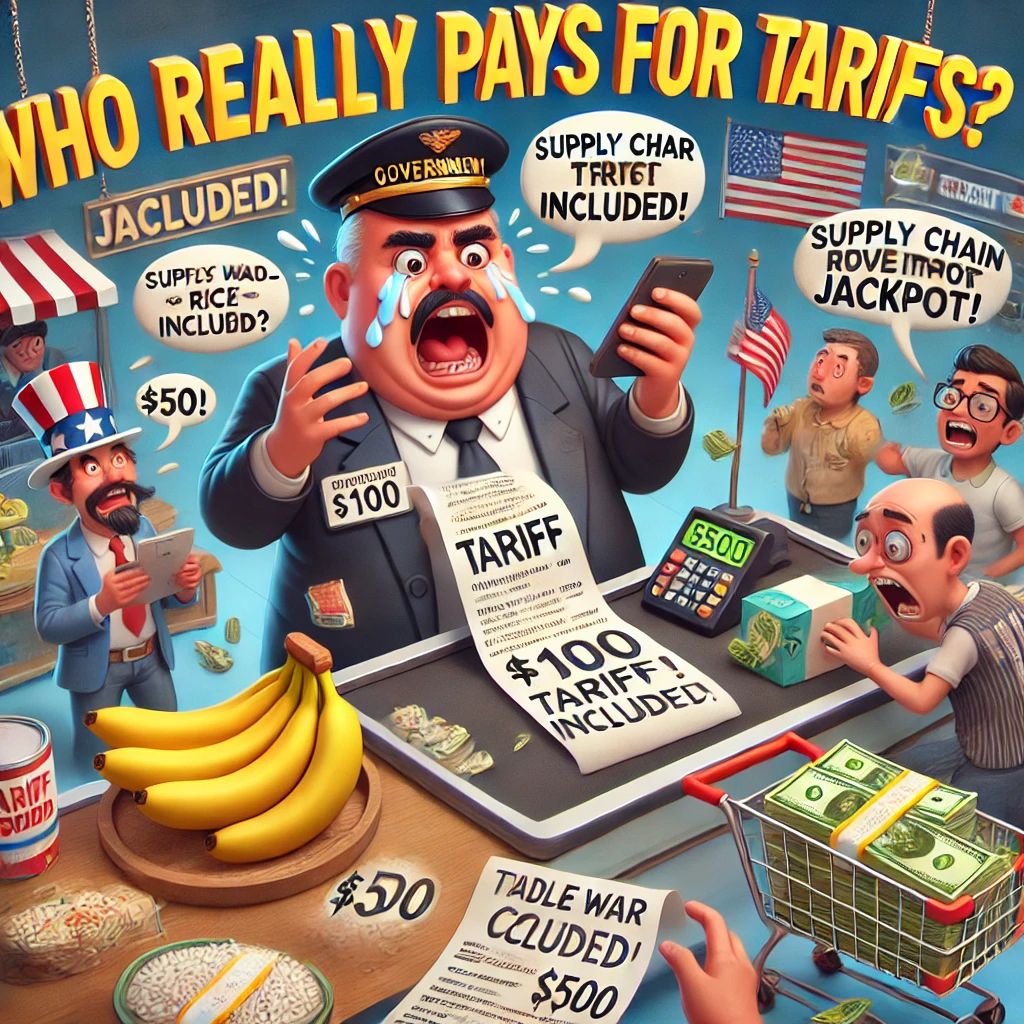
💰🌎 Tariff Wars: Who Really Pays the Price?
As governments escalate trade wars, businesses adjust supply chains, and consumers brace for price hikes, are tariffs truly protecting economies, or just shifting the cost?
🚨 Who Pays for Tariffs?
📉 Consumers Bear the Burden – 60% of tariff costs are passed on to consumers through higher prices. (IMF, 2024)
📉 Businesses Face Higher Costs – US companies paid $105B in tariffs since 2018, impacting supply chains. (USTR, 2024)
📉 Job Loss Risks – Tariffs on auto parts could cost 700K US jobs as production shifts. (Peterson Institute, 2024)
📉 Inflation Pressure – Every 10% tariff hike increases inflation by 0.5% globally. (World Bank, 2024)
📌 Reality Check: Tariffs aren’t just taxes on imports—they’re taxes on people.
🏆 Who Benefits?
✅ Governments Cash In – Tariffs generated $80B for the US Treasury in 2023. (USTR, 2024)
✅ Local Manufacturers Get Protection – Steel & aluminum industries saw a 20% production boost. (Reuters, 2024)
✅ Nearshoring Countries Profit – Mexico & Vietnam gained $65B in trade diversions from China. (IMF, 2024)
📌 Reality Check: While some industries win, the average consumer still loses.
🔮 What’s Next?
💡 Regional Trade Over Globalization – Supply chains are shifting closer to home to avoid tariff risks.
💡 Digital & AI Trade Solutions – Automated trade processing could reduce costs by 15%. (McKinsey, 2024)
💡 Green Tariffs Rising – Carbon-based tariffs will add new costs to imports, reshaping global trade. (EU CBAM, 2024)
📌 Reality Check: The cost of tariffs may outweigh the benefits if trade wars escalate.
🏆 KeyTakeaway
Tariffs could be a tool for protecting industries, should be used strategically, but would be an economic strain if prices keep rising.
👉 Who really pays for the trade war—governments, businesses, or you?
TradeWar Tariffs GlobalEconomy SupplyChainCrisis Inflation
Originally published on LinkedIn on 2025-02-05 16:37:39: https://www.linkedin.com/feed/update/urn%3Ali%3AgroupPost%3A2474261-7292944474018611204
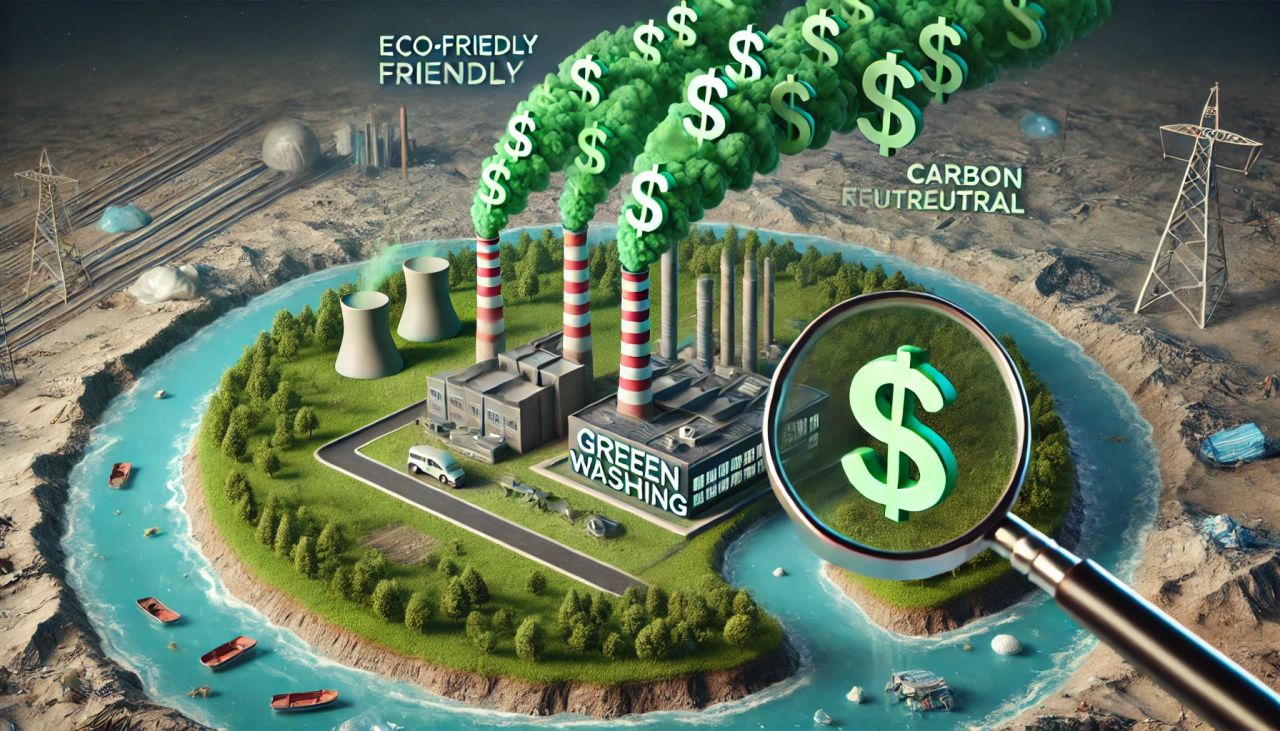
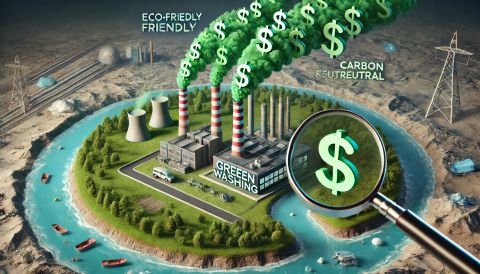
Exposing the Numbers: Top10 Greenwashing Scandals That Misled Millions
As sustainability becomes a priority, some corporations have capitalized on it with Greenwashing—making false or exaggerated environmental claims. Here’s a statistics-driven expose of the top 10 cases that misled consumers on a massive scale:
🌍 1. Volkswagen’s “Dieselgate” Scandal
Fines: Over $30 billion globally
Vehicles Impacted: 11 million with emissions-cheating software
Carbon Deception: Real emissions were up to 40x higher than reported.
🌿 2. Procter&Gamble’s Charmin Toilet Paper
Forests Logged: Over 1 million hectares annually in Canada’s boreal region
Carbon Release: Logging contributes to over 26% of global forest-related emissions annually.
♻️ 3. Keurig’s Recyclable K-Cups
Consumers Misled: 7.5 million households in Canada
Recycling Reality: Only 30% of cities accepted the pods, making claims infeasible.
⛽ 4. Shell’s Carbon Neutral Fuel Claims
Carbon Offsets: Over 80% deemed ineffective
Advertising Reach: Misleading campaigns impacted 40 million Europeans.
✈️ 5. Delta’s Carbon Neutral Airline Claim
Investment in Offsets: $1 billion
Global Aviation Emissions: Aviation accounts for 2.1% of global CO2 emissions annually.
👟 6. Allbirds’ Sustainability Metrics
Wool Production Footprint: Emits 50% more CO2 than advertised
Consumer Reach: Misled 2.5 million buyers annually with incomplete data.
💸 7. Mercer Superannuation’s “Eco-Investments
Fined: $11.3 million in 2024
Green Fund Reality: Included companies linked to fossil fuels—contradicting eco-claims.
🍾 8. CocaCola’s Plastic Recycling Initiatives
Plastic Production: Over 3 million tonnes annually, the largest globally
Recycling Reality: Less than 10% of plastic waste is effectively recycled.
👗 9. H&M’s Conscious Collection
Collection Size: 250+ products marketed as sustainable
False Claims: Over 96% of materials were found to have minimal environmental benefit.
⛽ 10. Applegreen’s Carbon Neutral Fuel
Customer Deception: Affected 1.8 million buyers in the UK and Ireland
Offset Schemes: Criticized for taking up to 50 years to achieve results.
💡 Key Takeaways:
💰 Cost of Greenwashing Fines (Last 5 Years): Over #$45 billion globally
👥 Consumers Impacted: Over 500 million annually exposed to false eco-claims
These cases prove the importance of transparency, regulation, and consumerawareness. Let’s demand RealSustainability, not just empty promises.
SustainabilityMatters ESG CorporateAccountability StayInformed
Originally published on LinkedIn on 2025-01-23 13:37:00: https://www.linkedin.com/feed/update/urn%3Ali%3AgroupPost%3A82951-7288187970291920897
From Prada to Pixels: How Youth Are Packing Bags, Not Handbags
Over the past five years, younger consumers have significantly shifted their spending patterns across luxury goods, travel, and technology.
Luxury Goods:
Market Trends: The global luxury goods market has experienced fluctuations. In 2023, the market was valued at approximately €320 billion. However, forecasts for 2024 indicate a potential decline of about 2%, bringing the market to approximately €363 billion, marking the first downturn since the Great Recession.
Consumer Behavior: Younger demographics, particularly Generation Z, are increasingly valuing experiences over material possessions, contributing to a decline in the traditional appeal of luxury goods.
Travel:
Spending Surge: Post-pandemic, there’s been a significant rebound in travel spending. In 2023, travel and tourism’s direct contribution to gross domestic product (GDP) was approximately $9.9 trillion, making up a 9.1 percent share of the total global GDP.
Youth Preferences: Younger consumers are prioritizing travel, with many opting for experiences over luxury goods. This shift is evident in the increased spending on travel and related experiences.
Technology and Gadgets:
Consistent Demand: Spending on technology, including smartphones, gaming, and streaming services, has remained robust, aligning with the digital lifestyles of younger generations.
Market Trends: The tech sector continues to innovate, offering new products that attract younger consumers, leading to sustained or increased spending in this category.
In summary, while luxury goods have seen a decline in spending among younger consumers, travel and technology sectors have experienced growth, reflecting a generational shift towards valuing experiences and digital engagement over traditional luxury possessions.
Originally published on LinkedIn on 2024-11-27 09:22:01: https://www.linkedin.com/feed/update/urn%3Ali%3AgroupPost%3A131340-7267467694407393280

