🌈 “PrideMonth comes in June. Respect and dignity stay year-round.” – KtalystInsights
NamasteIndia didn’t borrow the idea of inclusion—we pioneered it.
From VasudhaivaKutumbakam to Article21, our foundation is built on the right to live with dignity.
So_why_June?
June1969, the StonewallRiots in New York ignited the global LGBTQ+ movement. That resistance became Pride Month—a symbol of visibility, identity, and courage.
But in India, the roots go deeper.
🧵 Our heritage already knew:
Shikhandi led in battle.
Ardhanarishvara embodied balance.
Communities existed with identity and voice—even when law didn’t.
📜 In YR2018, the SupremeCourt struck down Section 377, restoring legal dignity to what was always culturally understood.
Originally published on LinkedIn on 2025-06-27 08:06:17: https://www.linkedin.com/feed/update/urn%3Ali%3Ashare%3A7344274862640640000
🚀 Sustainability in 2025: Who’s Leading, Who’s Lagging & What’s Changing? 🌍📉⚡
If sustainability were a race, some are sprinting, some are jogging, and others are still tying their shoes.
In 2025, sustainability is no longer just about ESGCompliance—it’s about survival. But as regulations shift, businesses hesitate, and grassroots efforts grow stronger, the question remains: Who is truly walking the talk?
📊 1. Europe is Tightening Rules—But Not for Everyone 🇪🇺
🔹 EU’s Corporate Sustainability Reporting Directive (CSRD) is evolving—planning to raise the reporting threshold from 250 employees & €40M turnover to 1,000 employees & €450M.
🔹 Impact? This will exempt thousands of smaller companies while still holding big corporations accountable.
🔹 RealityCheck: Is this a win for business flexibility or a loophole for greenwashing?
📌 Source: Reuters
📊 2. CEOs Know Sustainability = Profit, But Are They Acting? 📈
🔹 PwC’s 2025 CEO Survey: 🌱 29% of Irish CEOs skipped climate investments last year due to regulatory confusion—yet companies that link sustainability to executive compensation see higher revenues.
🔹 The Dilemma: CEOs acknowledge climate risks but struggle with unclear policies.
🔹 RealityCheck: Are companies stalling progress just because it’s complicated?
📌 Source: The Times
📊 3. Grassroots Action is Filling the Gaps 🌱🏡
🔹 Local Sustainability Wins: In Iowa City, a retirement community has diverted thousands of pounds of food waste from landfills—something that big corporations fail to do at scale.
🔹 The Takeaway: Real impact isn’t just about billion-dollar pledges—it’s about execution, big or small.
📌 Source: The Gazette
🏆 KeyTakeaway: The Sustainability Race in 2025
✅ Regulators could be making reporting easier, but risks of weaker accountability loom.
✅ CEOs should be making sustainability a financial strategy, not just PR.
✅ Communities are proving that action matters more than announcements.
💬 What’s your take? Are we moving forward fast enough, or just shifting responsibilities? Drop your thoughts below! 👇
Sustainability ESG ClimateAction GreenBusiness CorporateResponsibility CircularEconomy
https://lnkd.in/d-EBgCzk
Source / shared link: https://www.reuters.com/sustainability/eu-pare-back-sustainability-rules-companies-draft-shows-2025-02-22/
Originally published on LinkedIn on 2025-02-23 03:52:40: https://www.linkedin.com/feed/update/urn%3Ali%3Ashare%3A7299274941965721601
Climate_Change_Disrupting_Global Supply Chains: A Call for Immediate Action
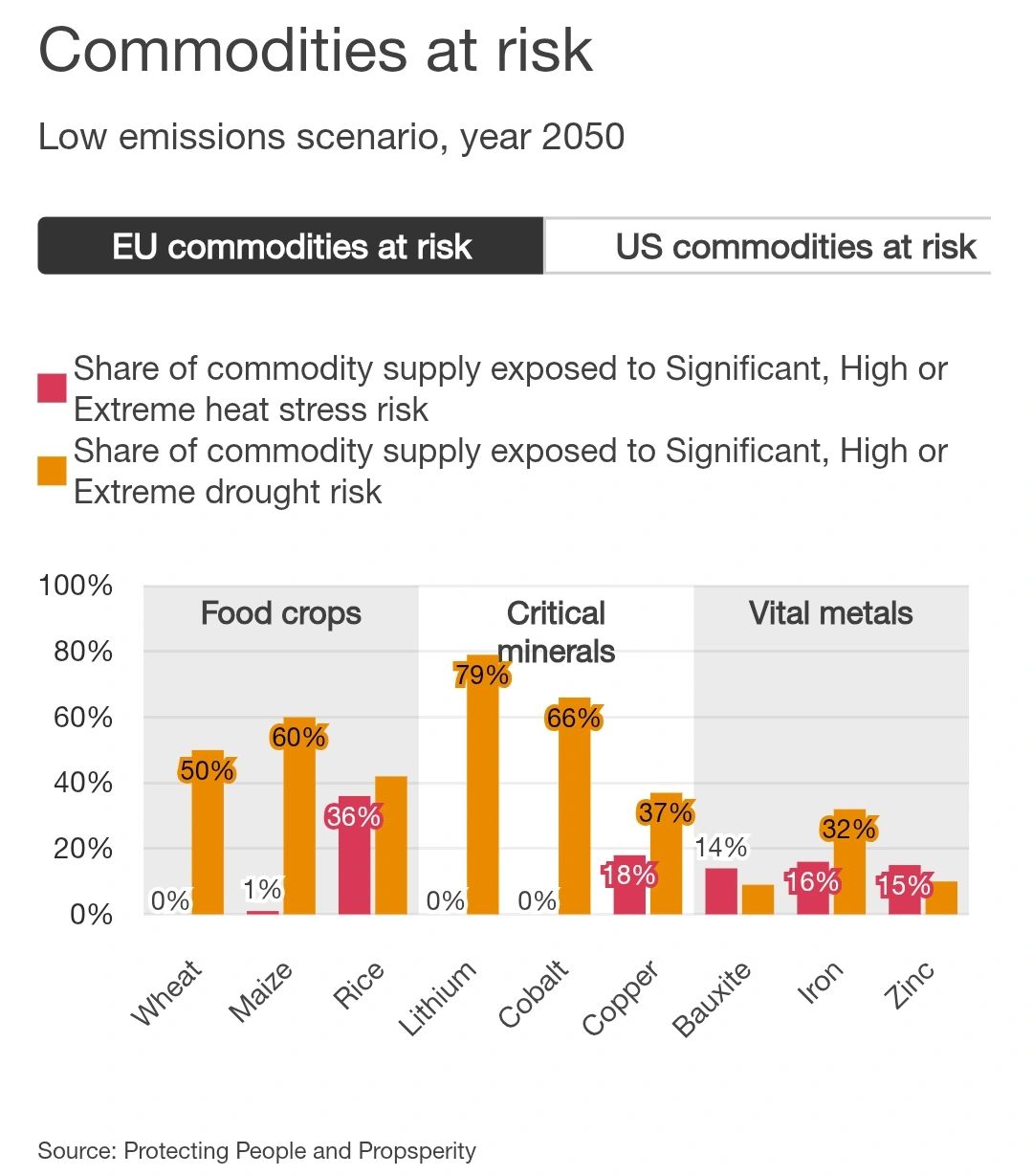
As the world grapples with escalating climate challenges, the ability to secure essential commodities is under threat. PwC’s insights reveal how heat_stress and drought could profoundly impact industries and communities, emphasizing the need for proactive measures.
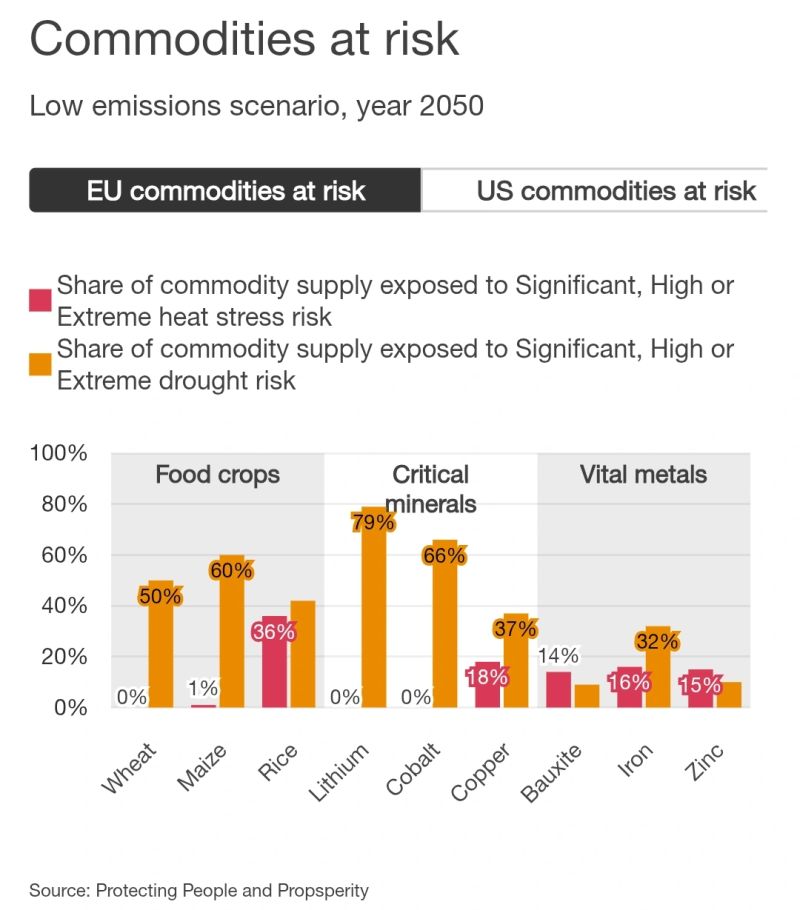
Critical_Minerals at Risk: Heat stress and drought threaten the supply of cobalt, copper, and lithium—key to electronics, green energy, and transportation sectors.
Food Security Challenges: Maize, rice, and wheat, which provide 42% of human calories, are vulnerable to production instability, jeopardizing global food supplies.
Vital Metals Under Pressure: Iron, zinc, and bauxite (used in aluminum production) face disruption due to mining challenges caused by extreme weather.
Industries in Peril: Transportation, construction, and manufacturing sectors heavily reliant on these commodities risk operational breakdowns.
Impact on Producers and Communities: Farmers and miners are already experiencing hardships from extreme heat and water scarcity, reducing productivity and health safety.
Supply Chain Resilience is Critical: PwC highlights the urgency for businesses to assess climate-related vulnerabilities and mitigate risks to prevent supply chain disruptions.
Call for Proactive Action: The cascading effects of climate change demand swift preventive strategies to safeguard commodities and ensure industrial continuity.
PwC’s report serves as a stark reminder of the growing vulnerabilities within global supply chains. Businesses must act now to incorporate sustainable practices, enhance resilience, and mitigate climate-related risks.
For a detailed analysis, explore PwC’s full report here.https://https://lnkd.in/d_9bwcRn
Originally published on LinkedIn on 2024-12-25 03:55:16: https://www.linkedin.com/feed/update/urn%3Ali%3AgroupPost%3A3880479-7277532326702534656

