🌍 NamasteIndia’s Emerging 2025TrendsGreenTechOutlook 🇮🇳
From coastal corridors to global climate leadership, India is positioning itself as a hub for green hydrogen, ammonia, and clean energy exports.
📌 Key Trend: GreenHydrogen is not just a domestic ambition—it’s India’s new global growth story.
🔹 Top India-HQ Players Leading the Shift:
1. AMGreen – Launches the Kakinada green ammonia project (0.5–1 MTPA), with plans to supply 20% of Europe’s green ammonia by YR2030.
2. Reliance – GigaScale hydrogen from Jamnagar.
3. AdaniGreen – Scaling from 13.48 GW to 45 GW of renewables by 2030, driving integrated hydrogen-ammonia systems.
4. BPCL & LarsenToubro – Building electrolyzers, mobility hubs, and infrastructure from Kochi to Mundra.
5. NTPCGreen – Powering public-sector scale, with targets of 100,000 tonnes/year of green hydrogen.
6. Startups – Log 9 Materials and Green Trek are pioneering graphene fuel cells and sustainable steel.
📈 Emerging 2025Trends:
✅ Export-first ammonia & hydrogen corridors to Europe, Japan, and Singapore
✅ Indigenous electrolyzer manufacturing reducing costs by 30%
✅ Sector-wide decarbonization across fertilizers, aviation, and shipping
✅ Startup and public-private collaboration shaping India’s green edge
🔎 What’s Driving It:
📊 India’s green hydrogen market projected at $8B by YR2030!
🏛️ NationalGreenHydrogen Mission ($2.4B) + PLI schemes + global MOUs
🌞 Lowest solar costs globally (~$0.03/kWh), making green fuels viable
💬 India’s GenZ workforce, global investors, and policy leaders are aligning with one goal: Sustainable growth, exported at scale.
📢 What should India prioritize next—electrolyzer R&D, green steel, or global alliances?
Originally published on LinkedIn on 2025-05-28 11:39:24: https://www.linkedin.com/feed/update/urn%3Ali%3Ashare%3A7333456858675867648
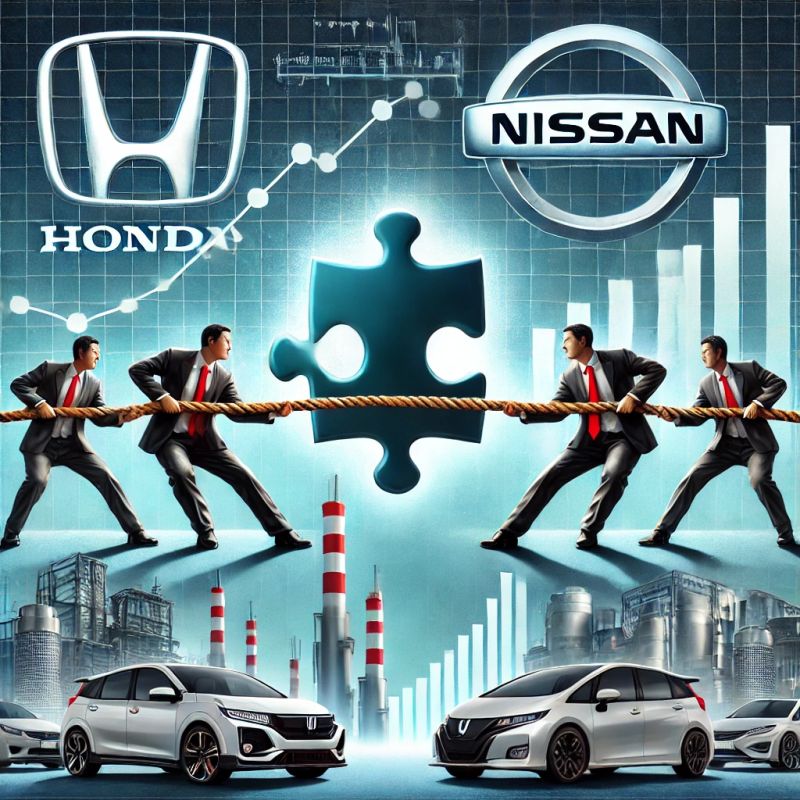
🚗TheHondaNissanStandoff: When Collaboration_Hits_Roadblocks
In the world of corporate mergers, numbers often tell one story, but leadership dynamics tell another. The #$60 billion Honda-Nissan merger, which could have created the world’s third_largest automaker, has officially collapsed—not due to financial infeasibility, but strategic misalignment.
📊 Breaking Down the Numbers
📌 9.5 million vehicles – Combined production of Honda and Nissan in 2023, making them a formidable force against global leaders Toyota and Volkswagen.
📌 20% market share loss in China – Nissan and Honda collectively struggled as Chinese EV makers gained dominance, pushing them toward collaboration.
📌 #$17 billion R&D spending – Honda and Nissan together invested heavily in electric and autonomous vehicle tech, but fragmentation in strategy led to inefficiencies.
📌 41% drop in Nissan’s market cap over 5 years – Pressure to restructure and regain investor confidence was a key driver for the discussions.
🚨 Why Did the Merger Fail?
⚠️ Power Play: Honda proposed making Nissan a subsidiary, triggering resistance from Nissan’s leadership, which feared a loss of autonomy.
⚠️ Culture Clash: Despite both being Japanese automakers, they operate under different leadership styles and decision-making frameworks.
⚠️ Strategic Divergence: Nissan leans toward alliances (e.g., Renault-Mitsubishi), while Honda prefers independent innovation and control.
📉 Lessons for Corporate Collaborations
✅ Size ≠ Success – Scale alone isn’t enough; without aligned governance, even a well-funded partnership can fail.
✅ Autonomy vs. Synergy – Balancing integration while respecting independent strengths is the key to sustainable partnerships.
✅ Adaptability Wins – Now, Nissan is eyeing a potential partnership with Foxconn for EVs, proving that agility matters more than size in today’s fast-moving auto industry.
💡 Advice for Business Leaders:
Collaboration is not about dominance, but about alignment. The best partnerships are those where both parties feel valued, respected, and empowered to contribute.
💬 What’s your take? Have you seen partnerships fail due to leadership clashes rather than financial issues? Drop your thoughts below!
Originally published on LinkedIn on 2025-02-13 08:01:13: https://www.linkedin.com/feed/update/urn%3Ali%3AgroupPost%3A82093-7295713613879640064
When_AI_loses_your_Customer DataVsMind: The Detergent Dilemma
✨ WhatHappensWhen Machines Crunch Numbers but Humans Add Context?
Here’s a fun tale with a twist:
🌟 TheProblem
Sales of MarketCorp’s flagship product, WonderWash Detergent, dropped by 25% in just 3Months.
Enter TeamMachine, armed with their AI wizard, “DataDroid.
🤖 WhatTheAISaw
Region X has poor feedback scores. Solution? Launch a loyalty program!
Sounds logical, right? But after 3MoreMonths of loyalty perks, sales were still flat.
💡 EnterTeamHuman
Led by analyst Maya, TeamHuman went beyond the numbers. Maya hit the ground running—visiting Region X, talking to customers, and studying competitors.
🔍 WhatTheyFound
The real culprit? A Competitor Offering a Combo Deal: detergent + free stain remover.
Why didn’t AI catch this? It wasn’t captured in the data!
📊 TheBigInsight
When Maya combined her findings with AI’s numbers:
Competitor’s ComboDeal increased trials by 40%.
82% of Customers preferred “extra value” over loyalty perks.
MarketCorp lost #$500,000 in Revenue in one quarter.
🎯 TheFix
MarketCorp launched their own combo—WonderWash + stain remover—and added a handwritten thank-you note for a personal touch.
Result? SalesRebounded by 15% in Just 6Weeks.
💬 TheMoralOfTheStory
🤖 AI can crunch data, but only humans can see the HeartBehindTheNumbers. Combine Data + Intuition to create solutions that truly work.
When_data_pulls_strings, intuition_ties_the_knot!
✨ DataWithHeart | HumanPlusMachine | Collaboration | BusinessStrategy

Originally published on LinkedIn on 2025-01-24 10:33:20: https://www.linkedin.com/feed/update/urn%3Ali%3AgroupPost%3A9500072-7288504136218636288
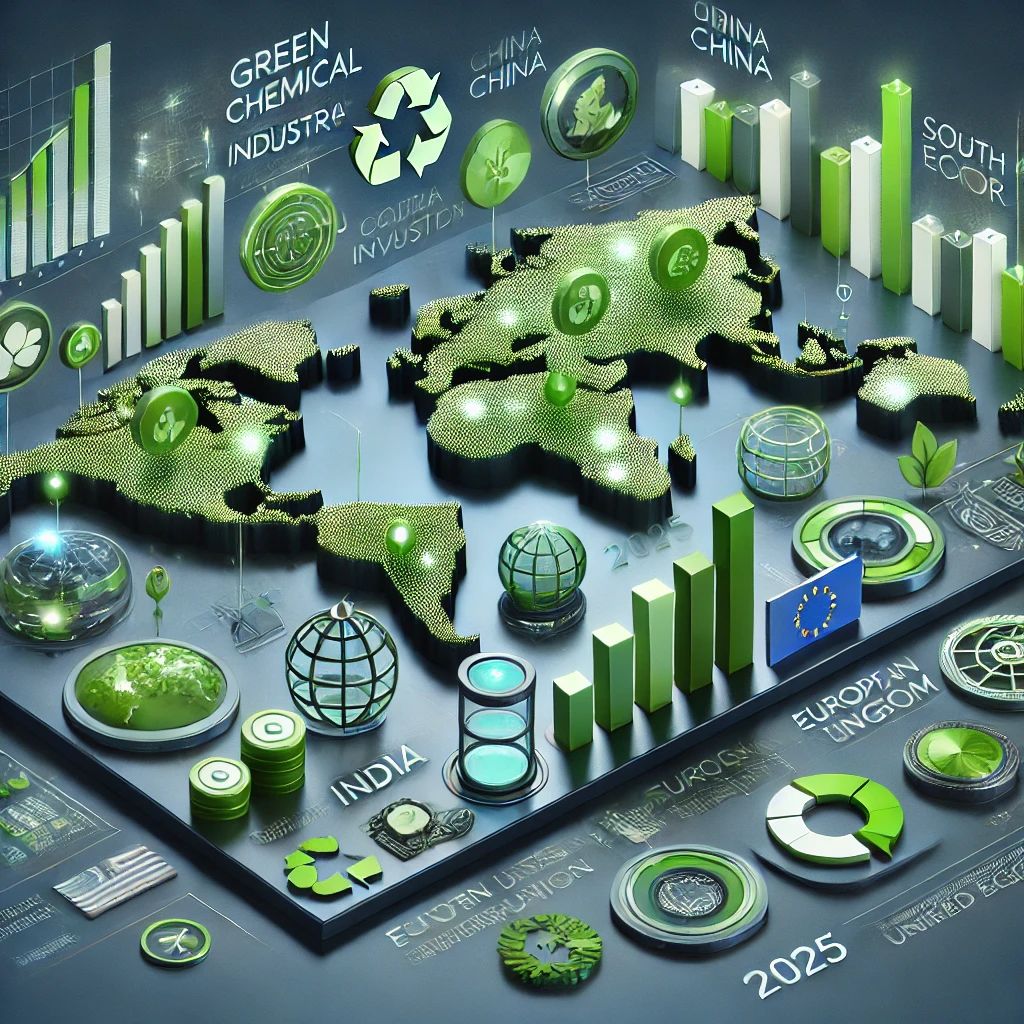
Global Chemical Industry 2025: Challenges, Growth, and the Green Transition
Additonal_costs_for_GreenChemcals_20%???
The USD 6.3 trillion global chemical industry is navigating a pivotal year, facing regulatory hurdles, rising costs, and the demand for sustainability. With green investments surging, YR2025 marks a transformative period for this vital sector.
📊 India
🌟 $383 billion market projected by 2030.
🌟 Environmental compliance costs up 20%.
🌟 Part of Asia-Pacific’s $51.41 billion green chemical market in 2024.
🧪 China
🌟 70% of hazardous producers impacted by stricter safety laws.
🌟 Sustainability spending increased by 15% in 2025.
🌟 Driving Asia-Pacific green market to $137.73 billion by 2034 (CAGR 10.35%).
🌱 Japan
🌟 9.6% CAGR in green chemical investments (2023-2033).
🌟 Prioritizing hydrogen and clean energy for carbon neutrality by 2050.
🌿 South Korea
🌟 15% YoY rise in K-REACH compliance costs.
🌟 Major investments in AI-driven carbon capture technologies.
💧 United States
🌟 PFAS compliance costs exceed $1 billion.
🌟 Green market grew from $64.52 billion (2023) to $71.82 billion (2024), projected to reach $141.33 billion by 2030 (CAGR 11.85%).
🌍 European Union
🌟 REACH compliance costs increased by 30%.
🌟 $50 billion invested in circular economy initiatives.
🌟 Green market projected to reach $387.97 billion by 2034.
⚡ United Kingdom
🌟 Production output dropped 10% since 2021 due to high energy costs.
🌟 Ineos halts ethanol production at Grangemouth.
Global Trends in 2025
📈 Energy Costs
🌟 Increased by 20%-30%, challenging operational efficiencies.
🛠️ Compliance Challenges
🌟 Over 50% of companies report regulation as their top concern.
🌱 Sustainability Investments
🌟 Expected to exceed $150 billion, emphasizing green chemistry and circular economy goals.
The Road Ahead
🌟 The industry’s transformation depends on innovation, collaboration, and green investment strategies. With strategic actions, the chemical sector is poised to lead in shaping a sustainable, resilient global economy.
Let’s connect to build a sustainable future together! 🌍✨
Originally published on LinkedIn on 2025-01-13 16:33:25: https://www.linkedin.com/feed/update/urn%3Ali%3AgroupPost%3A3880479-7284608488431906816
NamasteGreenIndia at INC-5: Balancing National Interests and Global Goals
India has emphasized waste management over the reduction of plastic production, raising questions about its global strategy.
Key Highlights of India’s Position
1. Leadership in Eliminating Single_Use_Plastics
India has been a pioneer in banning 19 problematic single-use plastic items, following a comprehensive framework developed in 2019.
Atin Biswas, Programme Director for Solid Waste Management and Circular Economy at the Centre for Science and Environment (CSE), stated:
> “The criteria developed by India… can serve as a foundation for creating a comprehensive, logical, and science-based global framework for problematic, unnecessary, and avoidable plastic products including single-use plastic products.
2. Focus on Waste_Management over Production Control
India’s proposal centers on improving waste management practices rather than targeting plastic production reduction, contrasting with the approach of the High Ambition Coalition (HAC). The HAC, comprising 40+ countries like the EU and Peru, advocates for controlling plastic production to curb pollution.
3. Limited Collaboration with Developing Nations
India has faced criticism for not aligning more closely with other developing countries. Experts like Siddharth Ghanshyam Singh highlight the need for collaboration:
> “By aligning with other developing countries, [Like-Minded Countries] can ensure their interests are effectively represented while contributing to a strong, unified position.
4. Concerns About Treaty Scope
India, along with nations like Saudi Arabia, has introduced bracketed texts that narrow the treaty’s focus to waste management. This approach risks weakening the treaty’s ability to address pollution comprehensively.
5. Potential for Global Leadership
Despite its independent stance, India’s successful single-use plastic ban positions it as a potential leader in global negotiations. A collaborative approach with other developing nations could amplify its impact on creating a robust and equitable treaty.
A_Path_Forward: Balancing Independence and Unity
India’s contributions to INC-5 reflect its commitment to addressing plastic pollution through practical implementation and waste management improvements. However, as experts point out, collaboration with other nations can help achieve a more comprehensive global treaty while ensuring the interests of developing countries are effectively represented.
As INC_5 progresses, India’s role will be pivotal in balancing national priorities with the global imperative to combat plastic pollution.
Originally published on LinkedIn on 2024-11-29 05:21:59: https://www.linkedin.com/feed/update/urn%3Ali%3Ashare%3A7268132063952687104
NamasteInnovativeIndia Government of India approves DST’s VigyanDhara via
15th FinanceCommission approves 10.58 billion USD(equivalent to ₹10,579.84 crore).
Objective and Purpose:
Strengthening S&T Ecosystem: The VigyanDhara scheme, launched by the Department of Science and Technology (DST) in India, aims to bolster the country’s Science, Technology, and Innovation (STI) ecosystem.
Capacity Building: It focuses on enhancing research capabilities, fostering innovation, and promoting technology development.
Components and Focus Areas:
S&T Institutional and Human Capacity Building:
This component emphasizes equipping research and development (R&D) labs within academic institutions.
It aims to increase the number of Full-Time Equivalent (FTE) researchers, fostering a robust scientific workforce.
Research and Development (R&D):
Basic Research: Vigyan Dhara supports fundamental research across various domains.
Translational Research: It encourages research with practical applications, addressing critical challenges such as sustainable energy, water management, and healthcare.
International Collaboration: The scheme promotes collaborative research with global partners.
Innovation, Technology Development, and Deployment:
Vigyan Dhara actively engages with educational institutions, industries, and startups to drive innovation.
It facilitates the transition from research outcomes to real-world solutions.
Budget :
The proposed budget for Vigyan Dhara during the 15th Finance Commission period (2021-22 to 2025-26) is approximately 10.58 billion USD(equivalent to ₹10,579.84 crore).
Gender Parity and Inclusivity:
The scheme places emphasis on increasing women’s participation in science and technology.
Collaboration between academia, government agencies, and industries is encouraged.
Originally published on LinkedIn on 2024-08-29 11:53:58: https://www.linkedin.com/feed/update/urn%3Ali%3AgroupPost%3A60128-7234891024651739136

