CoalVsSolar | Coal’s Quiet CashSurge Outshines Solar’s Spotlight
Solar wins headlines. Coal wins hedge funds.
Energy transition isn’t linear—it’s layered with hedges, geopolitics, and capacity math.
2023 Global Investment Snapshot:
Coal: #$200B invested, #+20% vs. 2019 (IEA)
Solar: #$380B invested (BloombergNEF)
Lifetime ROI Showdown:
Coal: ~40 years, 50–70% capacity factor
Solar: ~20–25 years, 15–25% capacity factor
Market Mapping – Who’s Buying Coal & Why:
China: 106 GW new coal approved, driven by industrial demand and energy self-sufficiency (CREA)
India: 80+ coal projects revived, citing peak-hour reliability (Global Energy Monitor)
Africa: Coal finance up 45%, often backed by foreign utilities for mining + grid stability (IEEFA)
EU: 17+ plants restarted or extended, post-Ukraine war crisis, showing energy realism (EU Commission)
US: #$35B+ still active in coal, via private equity and grid fallback plans (IEEFA, Sierra Club)
KtalystKeystone Insights –
5Markers of MarketReality:
1. ESG mandates aren’t muting fossil flows—they’re redirecting them.
2. Base-load capacity is still funded when renewables falter under intermittency.
3. Policy ambition ≠ Capital flow alignment. Markets hedge for stability, not sustainability.
4. Emerging economies see coal as insurance, not indulgence.
5. The ROI on resilience is outweighing optics—for now.
KtalystKeystone Insight:
Green is the goal—but grey still guards the grid.
Until storage, grids, and critical minerals scale up, coal isn’t being replaced—it’s being re-priced.
Originally published on LinkedIn on 2025-05-10 12:21:09: https://www.linkedin.com/feed/update/urn%3Ali%3AgroupPost%3A82951-7326944383285571585
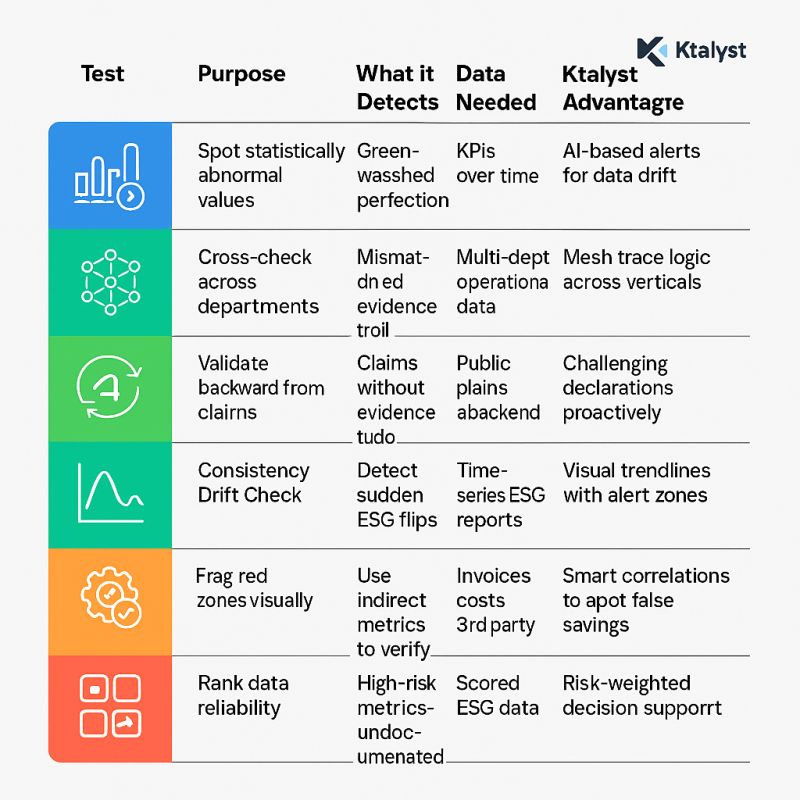
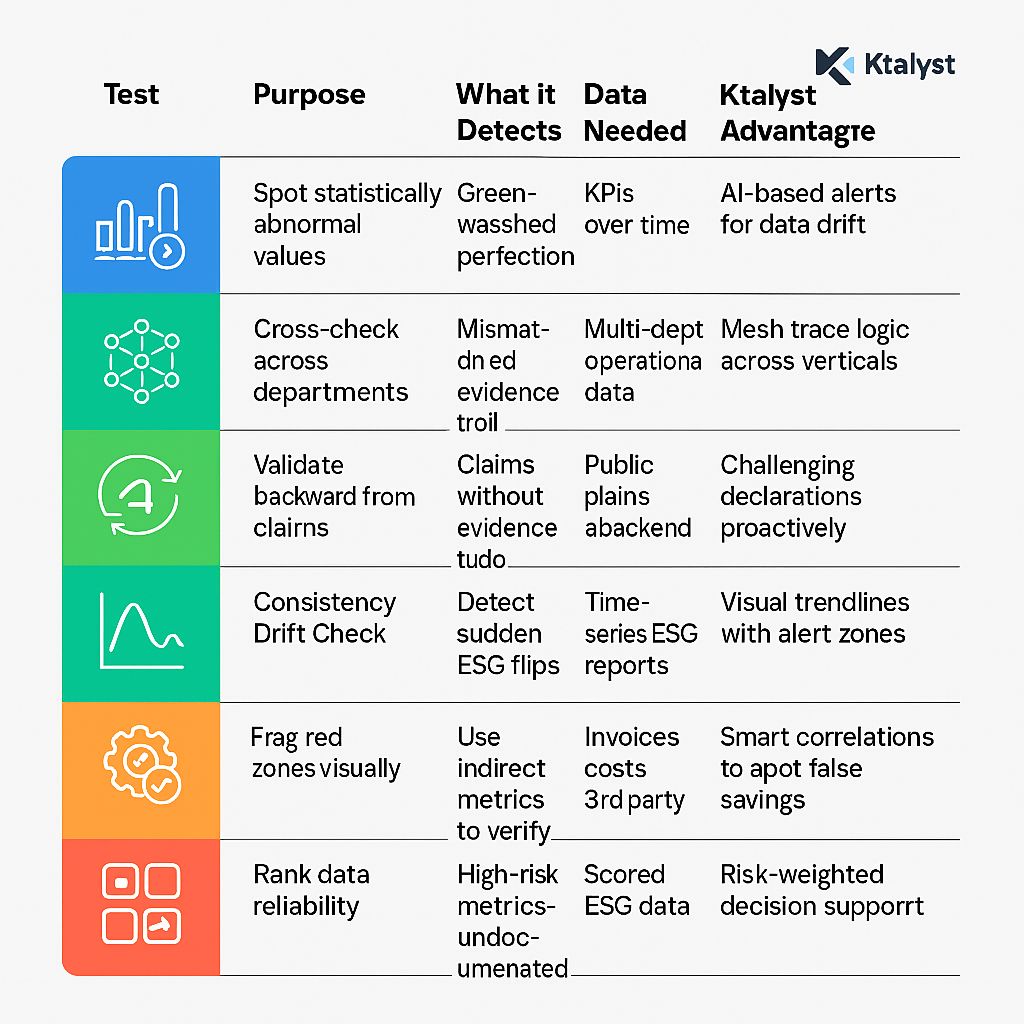
GreenwashedAndGutted | The Cost of ESG Without Checkpoints NoReadyToUse, each company NeedsToGet KtalystPatternFunnels Designed for their OwnSystems.
CutCopyPaste = Fail
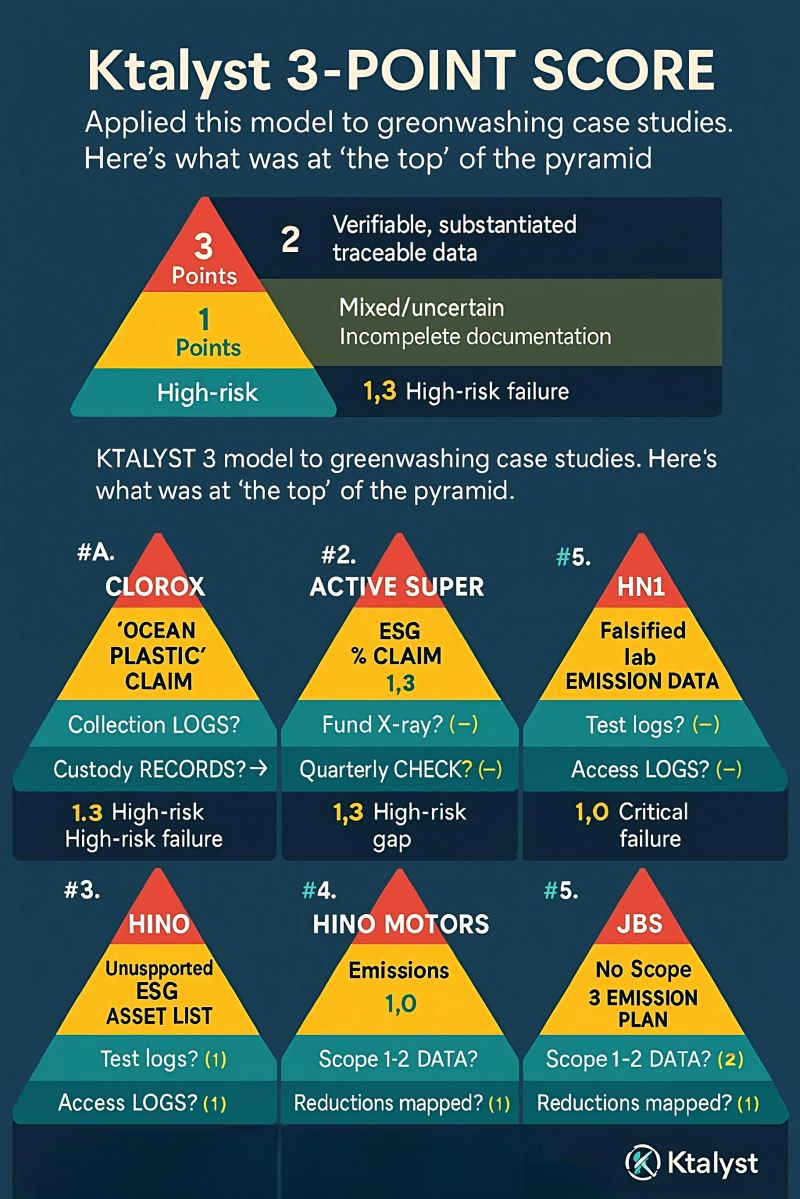
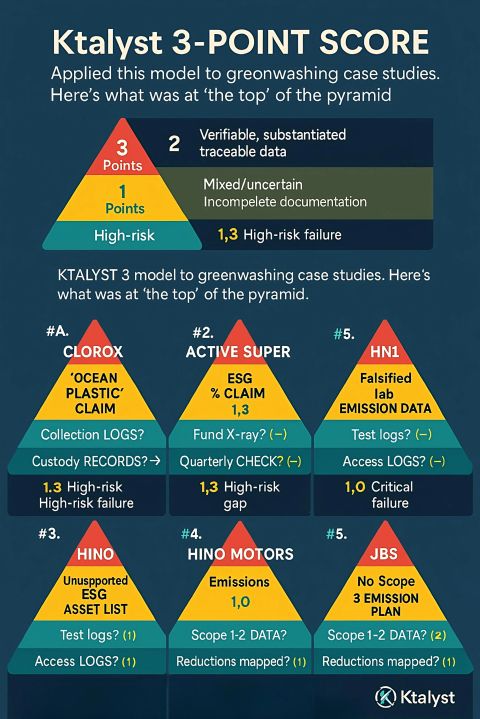
I studied 5global greenwashing disasters.
The pattern# was loud and clear:
✅ Intent was strong
❌ Systems were weak
They didn’t lie. They just didn’t verify.
Clorox Australia – “Ocean Plastic” That Never Saw the Sea
Claim: GLAD bags made from 50% ocean plastic
Truth: Plastic came from inland villages, nowhere near the coast
I 🧭 Geo-tagged collection logs to confirm coastal origin
🔗 Chain-of-custody tracking from pickup to processing
📦 Batch linkage system to connect source with product
Active Super – Ethical Fund, Ethical Gaps
Claim: No investments in coal, tobacco, or gambling
Truth: Audit revealed exposure to all three
🗺️ Live ESG mapping between fund positions and exclusion list
⏰ Quarterly auto-checkpoints for compliance assurance
🚨 Real-time breach alerts to flag policy violations
II DWS Group – 50% ESG. But Verified by Whom?
Claim: Half the portfolio was ESG-compliant
Truth: Many assets lacked certified ratings
📝 Third-party score integration with time-stamped logs
⛔ Expiry flags for outdated or unverifiable claims
🌡️ Portfolio heatmap to track low-certainty zones
III Hino Motors – When the Lab Fakes Clean Air
Claim: Vehicles passed emissions testing
Truth: Over 100,000 units involved in data manipulation
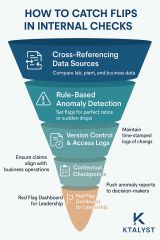
📊 Time-stamped lab audit trails
🔁 Cross-verification with actual plant output
🔐 Anomaly triggers and access control logs
IV JBS – Net Zero, But Where’s the Map?
Claim: Net Zero by 2040
Truth: No Scope 3 data, no implementation roadmap
🌍 Emission mapping tools across operations & vendors
🔗 Syncing declarations to backend data
📉 Red flag dashboards for leadership visibililty.
KtalystKeystone Takeaway:
They weren’t caught greenwashing.
They were caught assuming—without systems to validate their ESG story.
> “Sustainability isn’t a slogan. It’s a supply chain of truths.
Ktalyst Keystone
CleanClaimsOnly | PoweredByKtalyst


Originally published on LinkedIn on 2025-04-15 05:23:10: https://www.linkedin.com/feed/update/urn%3Ali%3AgroupPost%3A82951-7317779497859096578
🚨 “TheGreenParadox: If the Top100 Polluters Go Green, Do Economies Go Red?” 🌍💸🔥
71% of global emissions come from just Just100 companies—but what happens if they actually go green?
📊 TheHardNumbers: Who’s Driving Emissions?
🔹 100Companies = 71% of Global Emissions (CDP Carbon Majors Report, 2025)
🔹 TotalMarketValue = $15.4 Trillion (Forbes, 2025)
🔹 Sectors Dominating Emissions:
✔️ Oil & Gas (ExxonMobil, Shell, Aramco, BP, Reliance) – 52% of global industrial CO₂.
✔️ Coal Giants (ChinaEnergy, Peabody, Glencore) – 14% of all emissions, powering entire nations.
✔️ Steel & Cement (ArcelorMittal, Holcim, TataSteel, JSW) – 8% of emissions, critical to infrastructure.
✔️ Shipping & Aviation (Maersk, Boeing, Delta, Emirates) – 5% of emissions, enabling global trade.
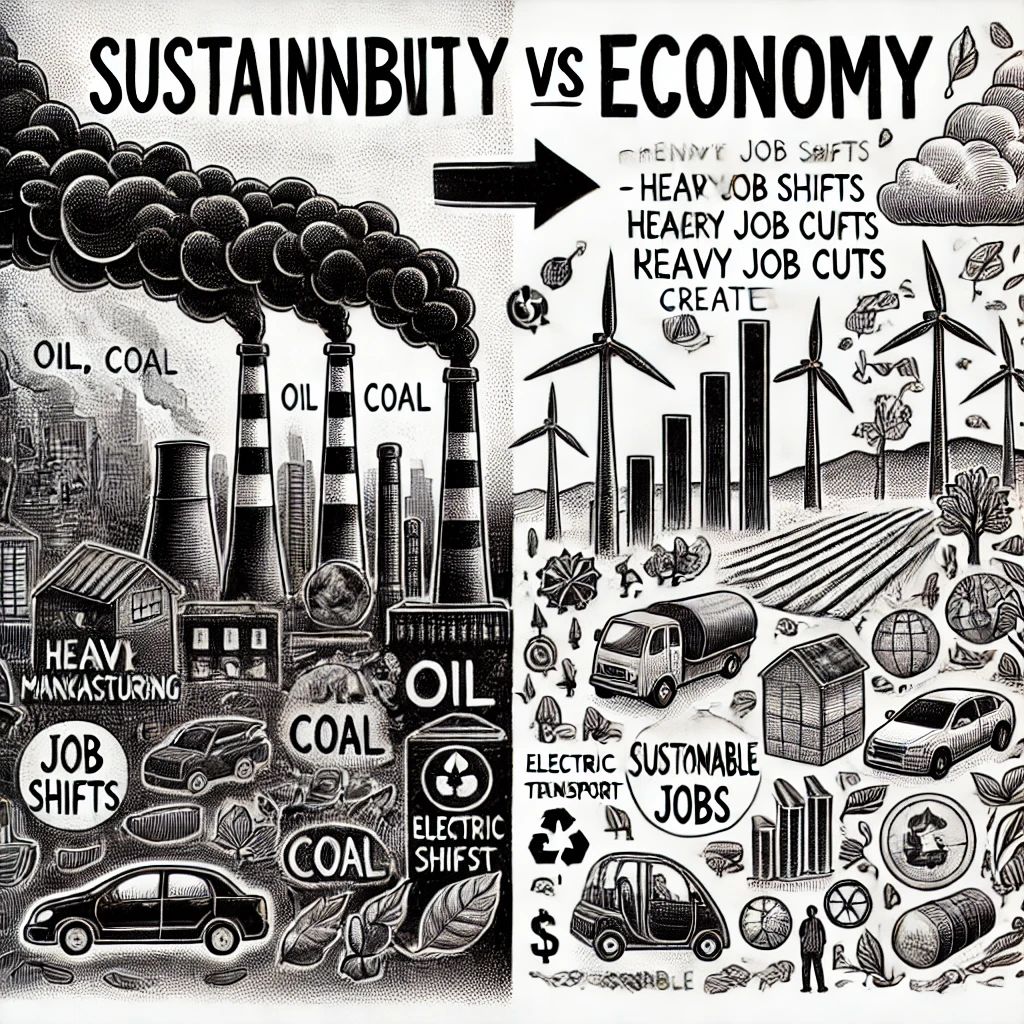
🚨 RealityCheck: Transitioning these industries overnight would shake economies to the core.
💰 TheEconomicCrashPotential
🔻 JobLosses in FossilFuel Sectors – 34M jobs globally depend on oil, coal, and heavy industries. (ILO, 2025)
🔻 GDPImpact on EmergingMarkets – India, China, and Indonesia rely on fossilfuels for 20-35% of GDP. (World Bank, 2025)
🔻 SupplyChain Disruptions – 42% of global logistics, steel, and chemicals are tied to high-emission industries. (McKinsey, 2025)
🔻 EnergyTransition Costs – Full decarbonization needs #$275T investment by 2050—but who’s paying? (IEA, 2025)
📌 TheDilemma: Accelerating sustainability risks a financialcrisis, while delaying it fuels climate disaster.
🔄 IsThereAMiddlePath?
🏆 IndustriesFindingBalance:
✅ SaudiAramco’s CarbonCapture Push – #$50B invested, but still expanding fossilfuel extraction.
✅ Tesla & BYD’s EVRevolution – EVs now 18% of global carsales, but lithiummining is a sustainability disaster.
✅ GreenSteel Investments (Hybrit, H2GreenSteel) – Promising tech, but adoption is too slow.
🚨 TheProblem: Green initiatives often don’t move fast enough—or they create new environmental costs.
🏆 KeyTakeaway: The TradeOff No One Wants to Talk About
📌 GoingGreen could be an economic revolution if planned strategically.
📌 ItShouldBe a shift that protects jobs, not eliminates them overnight.
📌 ItWouldBe an economicdisaster if industries collapse before sustainable alternatives scale.
👉 CanTheWorldAffordToDecarbonize without crashing economies? Drop your insights below! 👇
Originally published on LinkedIn on 2025-02-20 03:57:07: https://www.linkedin.com/feed/update/urn%3Ali%3AgroupPost%3A82951-7298188896939479040
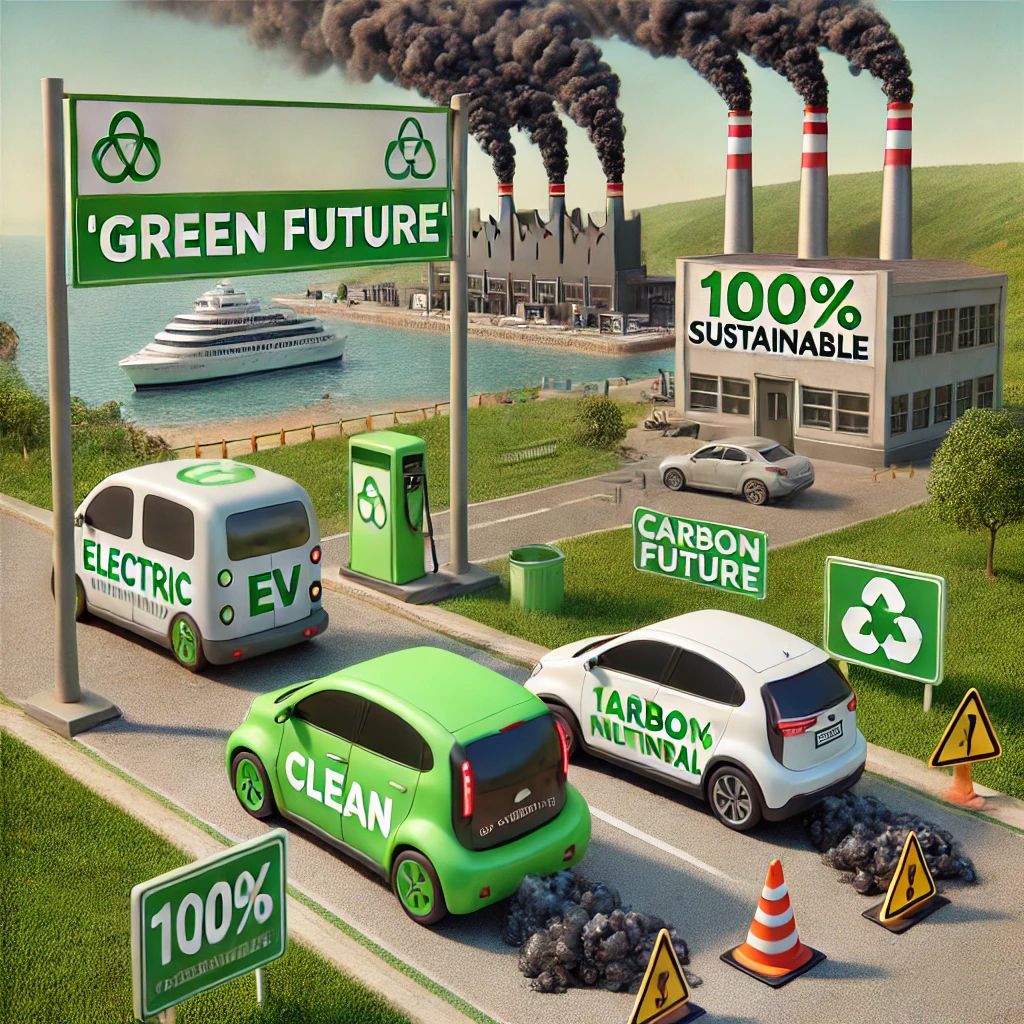
🚗⚡ YR2035’s Green_Auto_Mirage: Are EVs, Hydrogen Fuel Cells, and Synthetic Fuels Truly Sustainable or Just Greenwashing? 🌍💨
As we race toward 2035’s petrol-diesel ban, automakers push EVs, HFCVs, and SyntheticFuels as the future. But are these real solutions or clever marketing?
🔋 EVs: Cleaner or Just Elsewhere Emissions?
📌 Battery Production: An 80 kWh battery emits 2.4 – 16 metric tons of CO₂—equal to driving a gasoline car for 5-7 years. (MIT, 2024)
📌 Resource Impact: Each EV battery needs 63kg lithium, cobalt, & nickel, causing deforestation & water pollution. (GreenCars, 2024)
📌 Power Grid Dependence: An EV running on coal-based electricity emits more CO₂ per mile than hybrids. (EPA, 2024)
📌 Reality Check: EVs help only if powered by clean energy.
💧 Hydrogen: Clean Hype or Fossil Fuel Disguise?
📌 Production Problem: 96% of global hydrogen is made from natural gas & coal, emitting 830M metric tons of CO₂. (IEA, 2024)
📌 Efficiency Loss: HFCVs require 3x more renewable electricity than EVs. (US DOE, 2024)
📌 Reality Check: Unless made from renewables, hydrogen is just another fossil fuel.
⛽ Synthetic Fuels: Carbon-Neutral or Clever Greenwashing?
📌 Energy Guzzler: Producing 1L of synthetic fuel takes 6x more energy than refining petrol. (Fraunhofer, 2024)
📌 Still Polluting: Burns CO₂ and emits more NOx than conventional fuels. (MDPI, 2024)
📌 Reality Check: Synthetic fuels aren’t zero-emission—they just relocate pollution.
🚨 Greenwashing in the Auto Industry
🔻 BMW, Toyota, Honda exaggerated EV carbon savings by omitting battery emissions. (Greenpeace, 2024)
🔻 Porsche’s synthetic fuel plant claims zero emissions but runs on coal-powered electricity. (The Guardian, 2024)
🔻 India & U.S. promised 1M EV chargers by 2025, yet less than 20% installed. (BloombergNEF, 2024)
📌 Reality Check: Many automakers sell ‘green’ promises, but not real sustainability.
🏆 Key Takeaway: Hype or Hope?
🚘 EVs, HFCVs, & Synthetic Fuels could be clean if the supply chain is green.
♻️ They should be backed by strict sustainability policies.
⚠️ But they would be just another greenwashing scandal if industries don’t walk the talk.
👉 Are we truly heading toward sustainable mobility, or just another green illusion? 👇
Originally published on LinkedIn on 2025-02-18 11:22:14: https://www.linkedin.com/feed/update/urn%3Ali%3AgroupPost%3A82093-7297576141614190592
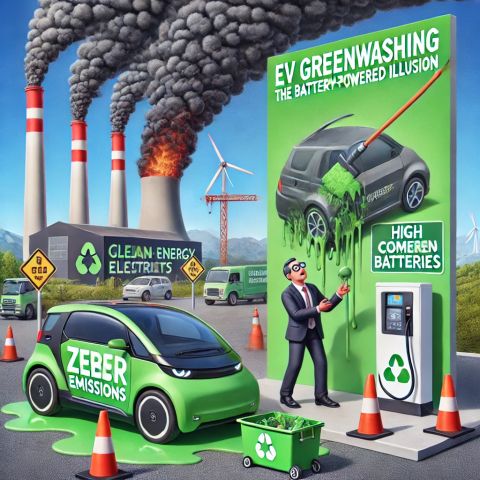
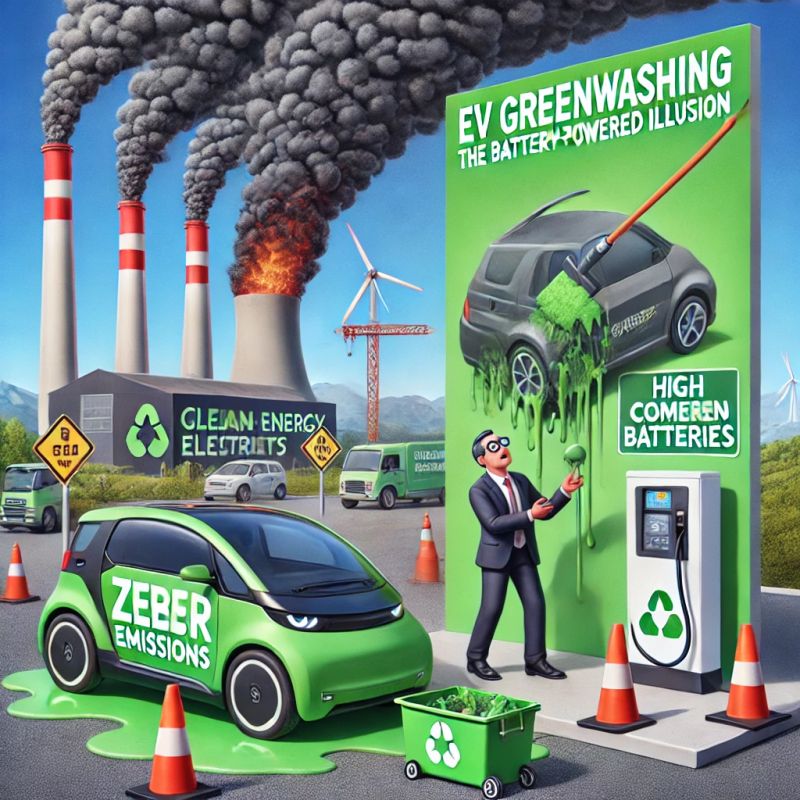
🚘🔋 “EVs & Greenwashing: The Truth_Behind_Zero_Emissions_Claims” 🌍⚡
🚨 Are electric vehicles (EVs) really green, or are they just a new kind of greenwashing?
📊 Global EV sales surged past 14 million in 2024, yet concerns about misleading sustainability claims are rising. (IEA, 2024)
💰 EV companies received over $100B in green subsidies last year, but are they truly sustainable? (World Bank, 2024)
📌 Reality Check: EVs may not emit carbon, but their supply chains sure do.
🌱 Greenwashing in the EV Industry
🚨 #‘Zero Emissions’ Claims Are Misleading
🔹 EVs produce no tailpipe emissions, but battery production & charging still generate CO₂.
🔹 BMW & MG Motors were banned from advertising ‘zero emissions’ without disclaimers. (UK ASA, 2024)
🚨 Hybrid Vehicles Marketed as ‘Electrified
🔹 Toyota accused of misleading consumers by branding hybrids as ‘electrified.’ (Consumer Watchdog Ekō, 2024)
🔹 Most hybrids still rely on fossil fuels—but their marketing suggests otherwise.
🚨 Battery Supply Chain Concerns
🔹 An EV battery requires 500,000 lbs of earth mining for lithium, cobalt & nickel. (IEA, 2024)
🔹 China controls 70% of the world’s lithium refining, raising geopolitical concerns. (Bloomberg, 2024)
🚨 Coal-Powered EVs? The Dirty Secret
🔹 Over 60% of global electricity still comes from fossil fuels. (IEA, 2024)
🔹 Charging an EV in a coal-powered country negates its ‘green’ impact.
📌 Reality Check: EVs are a step forward, but their true sustainability depends on clean energy grids.
⚖️ Regulatory Crackdowns Begin
✅ EU’s Green Claims Directive – Stricter rules on misleading sustainability claims. (EU Commission, 2024)
✅ US SEC’s ESG Disclosure Rules – EV makers must prove their green claims. (Reuters, 2024)
✅ India’s EV Incentives Shift – Government tightening ESG norms for subsidies. (Economic Times, 2024)
📌 Reality Check: Greenwashing fines are increasing—is the EV industry ready?
🏆 KeyTakeaway
💡 EVs could be the future of transport, should be part of a broader clean energy transition, but would be another greenwashing disaster if sustainability claims aren’t backed by action.
👉 Are EVs really driving us to a greener future, or is it just a battery-powered illusion? Let’s discuss. 💬
Originally published on LinkedIn on 2025-02-09 17:38:07: https://www.linkedin.com/feed/update/urn%3Ali%3AgroupPost%3A82951-7294409242336227329
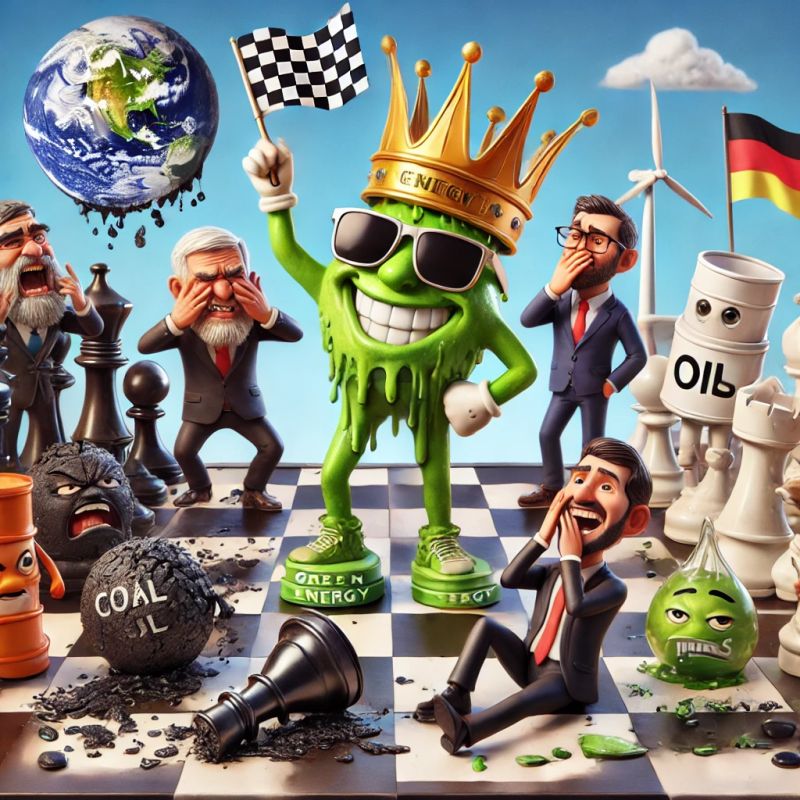
Is Green the New_Global_Superpower? How Climate Policies Are Reshaping the World” 🌍♻️🏛️
Climate policies are no longer just about saving the planet—they’re reshaping global politics, economies, and power dynamics. Welcome to the era of Green Political Global, where sustainability is the new currency of influence.
🌱 1. Is Climate the New_Geopolitical_Weapon?
✅ Carbon Tariffs & Trade Rules: The EU’s Carbon Border Adjustment Mechanism (CBAM) is forcing nations to cut emissions or pay the price.
✅ Green Trade Wars: Countries are using climate policies to favor domestic industries, from EV subsidies to clean energy export bans.
🚨 Who’s Winning? The US, EU, and China lead the green tech race, while developing nations struggle with compliance costs.
💰 2. Is Green Finance Replacing Oil Money?
✅ #$1.5 Trillion in ESG Investments: Global funds are shifting capital toward sustainable projects. (Source: BloombergNEF, 2024)
✅ Debt-for-Nature Swaps: Countries like Ecuador and Belize are cutting debt by committing to climate conservation.
🚨 Who’s Losing? Fossil-fuel-dependent nations risk economic isolation if they don’t transition fast enough.
⚡ 3. Who Controls the Future Energy Chessboard?
✅ China dominates solar & battery production, controlling 80% of global supply chains. (Source: IEA, 2024)
✅ US and EU investing billions in green hydrogen & rare earth mining to reduce dependence on China.
🚨 Who’s at Risk? Countries reliant on coal & oil exports face declining demand, reshaping global alliances.
🚀 4. Is Climate Politics the New Kingmaker?
✅ Green Politics is Winning Elections: Climate-focused leaders are gaining ground in Europe, the US, and Latin America.
✅ Corporate Influence Growing: Tech giants and carbon credit billionaires are shaping global climate policies.
🚨 Who’s Losing? Traditional fossil industries face increasing policy restrictions and legal battles.
🏆 KeyTakeaway
Climate policy is no longer just science—it’s global strategy. Nations that control green tech, finance, and trade rules will dominate the next economic era.
👉 Is your country leading the Green Power Shift, or falling behind?
ClimatePower Geopolitics GreenEconomy NetZero Sustainability FutureOfEnergy
Originally published on LinkedIn on 2025-01-30 11:06:32: https://www.linkedin.com/feed/update/urn%3Ali%3AgroupPost%3A2635374-7290686820978233345
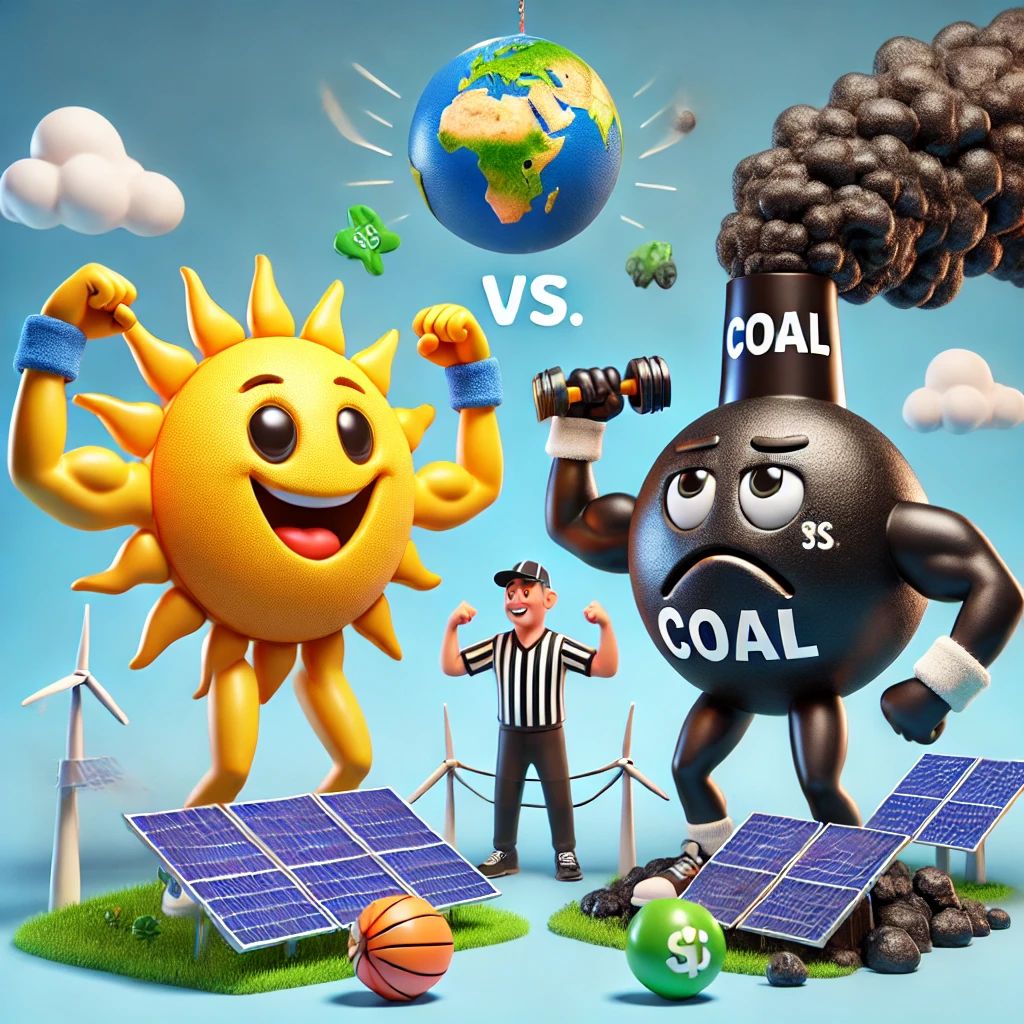
Solar vs. Coal: The USD10_Trillion Energy Disruption We Can’t Ignore” ☀️⚡🔥
Solar is cheaper, cleaner, and scaling fast, but can it fully replace coal? Here’s a data-driven breakdown of efficiency, cost, impact, and future trends.
🔍 Efficiency & Reliability
☀️ Solar – 15-22% efficiency, drops 80-90% at night. (Source: NREL, 2023)
🔥 Coal – 35-45% efficiency, generates 24/7 power. (Source: IEA, 2023)
🏆 Winner: Coal (for base-load power), Solar (for clean production).
💰 Cost & Scalability
☀️ Solar – #$25-$50 per MWh, 89% price drop since 2010. (Source: Lazard, 2023)
🔥 Coal – #$65-$150 per MWh, rising due to fuel costs & carbon taxes. (Source: IEA, 2023)
🏆 Winner: Solar (cheaper & getting cheaper).
🌍 Environmental Impact
☀️ Solar – Zero emissions, but 78M tons of solar waste by 2050. (Source: IRENA, 2023)
🔥 Coal – 820g CO₂ per kWh, highest among energy sources. (Source: IPCC, 2023)
🏆 Winner: Solar (cleaner, but needs better recycling).
🔋 Future Trends
✅ Solar Prices Falling – Expected 50% cheaper than coal by 2030. (Source: BloombergNEF, 2024)
✅ Coal Declining – 40% of coal plants to shut by 2040. (Source: IEA, 2023)
✅ Battery Breakthroughs – Solving solar’s intermittency problem.
🏆 Final Verdict: Solar ✅ (Cleaner, scalable, and cost-effective, but storage & recycling must improve).
KeyTakeaway
Solar is already outcompeting coal, but its future depends on energy storage & recycling innovations. The transition is happening—the only question is how fast.
👉 Will solar dominate, or does coal still have a future?
SolarVsCoal CleanEnergy Sustainability EnergyEfficiency FutureOfEnergy
Originally published on LinkedIn on 2025-01-28 11:16:10: https://www.linkedin.com/feed/update/urn%3Ali%3AgroupPost%3A10334500-7289964467918983170
NamasteGreenIndia’s Power Mix 2024: Renewables Surge Amid SlowestGrowth Since Pandemic
KeyStats
🟩 GrowthRate: Power output grew by 5.6%, the slowest since the pandemic.
⚡ CoalShare: Coal contributed 74.4% of total power generation, slightly down from 75% in 2023.
🌞 RenewableEnergyContribution: Renewables formed 12.1% of total power generation.
🌬️ WindEnergy: Added 3.5GW, reaching a total installed capacity of 48.16GW.
💧 HydropowerGrowth: Output increased by 4%, recovering from a 13.7% decline in 2023.
🔋 SolarEnergy: Added 24.5GW, boosting total capacity to 97.86GW.
EnergyMixHighlights
🟨 Coal: 212.3GW installed capacity (45.96% of total).
🟦 Renewables: Total capacity reached 209.44GW (15.84% YoY growth).
💧 Hydropower: 46.93GW capacity.
🌞 Solar: 97.86GW capacity.
🌬️ Wind: 48.16GW capacity.
KeyTakeaways
🌧️ WeatherImpact: Unseasonal rains reduced cooling and irrigation energy demand.
📉 EconomicSlowdown: Industrial hubs reported muted power consumption.
🔄 RenewableChallenges: Variability in solar and wind generation impacted output.
VisualSummary
🟩 RenewableCapacityGrowth: 209.44GW (15.84% YoY growth).
🟧 CoalDominance: 74.4% of power mix.
🌬️ WindEnergyGrowth: 3.5GW added.
🌞 SolarEnergyExpansion: 24.5GW added.
💧 HydropowerRecovery: 4% output growth.
India is steadfast in achieving its 500GW renewable energy capacity by 2030, balancing EnergySecurity, IndustrialGrowth, and ClimateAction.
Let’s connect and discuss how sustainableenergy is shaping the future of EnergyTransition.
Originally published on LinkedIn on 2025-01-14 12:59:12: https://www.linkedin.com/feed/update/urn%3Ali%3AgroupPost%3A2368335-7284916965930864640
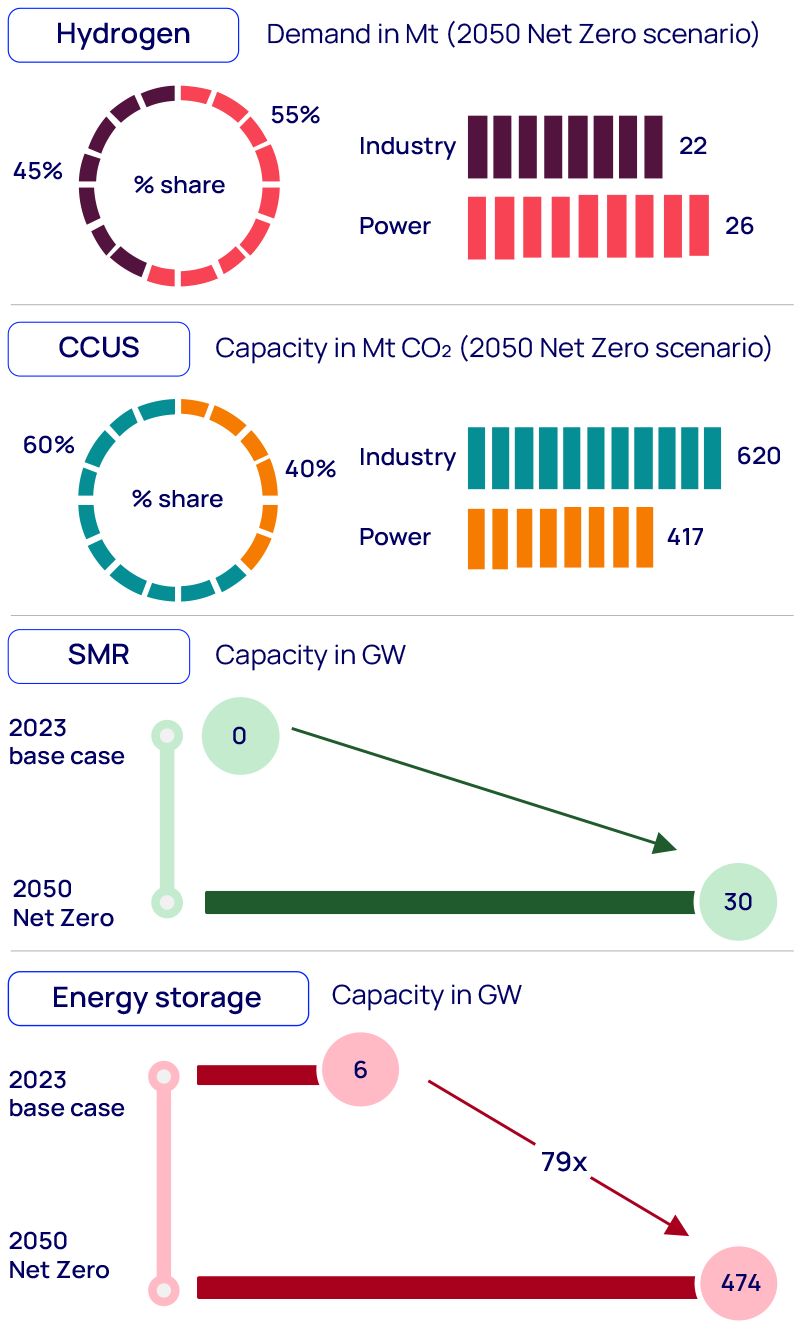
Namaste India pathway to net zero by 2070
1. Long-Term Low Greenhouse Gas Emission Development Strategies (LT-LEDS):
Submission to UNFCCC: In November 2022, India submitted its LT-LEDS to the United Nations Framework Convention on Climate Change (UNFCCC). This comprehensive document outlines the country’s pathway to net zero emissions.
Vision and Principles: LT-LEDS reaffirms India’s commitment to achieving net zero by 2070. It emphasizes principles of equity, climate justice, and the concept of Common but Differentiated Responsibilities and Respective Capabilities (CBDR-RC).
2. Seven Key Strategic Transitions:
Low Carbon Electricity Systems:
India aims to develop electricity systems that align with its economic growth while minimizing carbon emissions.
Investments in renewable energy sources (solar, wind, hydropower) and grid modernization are critical.
Efficient, Inclusive Transport:
The country is working toward an integrated, low-carbon transport system.
Initiatives include promoting electric vehicles, improving public transportation, and enhancing last-mile connectivity.
Urban Adaptation and Efficiency:
Sustainable urbanization is a priority.
Urban design, energy-efficient buildings, and green infrastructure play key roles.
Economy-Wide Decoupling:
India aims to reduce emissions while maintaining economic growth.
Decoupling economic development from carbon-intensive practices is essential.
CO2 Removal Solutions:
Research and deployment of carbon removal technologies (e.g., afforestation, direct air capture) are underway.
Enhancing Forest Cover:
Balancing socio-economic needs with ecological conservation.
Afforestation, reforestation, and sustainable forest management are emphasized.
Economic and Financial Aspects:
Transitioning to net zero requires innovative financing mechanisms and policy frameworks.
3. Afforestation and Green Credit Program:
**Compensatory Afforestation**:
Projects diverting forestland for non-forestry purposes must undertake compensatory afforestation.
This ensures a balance between development and environmental conservation.
Ek Ped Maa Ke Naam” Campaign:
Launched nationwide on World Environment Day 2024, this tree plantation campaign encourages citizens to participate actively.
Green Credit Program:
Encourages tree planting by individuals, organizations, and communities.
Generates green credits that contribute to India’s net-zero efforts.
4. ChallengesOpportunities:
Coal Dependence: India faces challenges due to heavy reliance on coal for energy.
Funding Constraints: Transitioning to net zero requires substantial investments.
Innovation and Collaboration: India seeks global partnerships and technological innovations to accelerate its net-zero drive.

Originally published on LinkedIn on 2024-08-04 14:56:29: https://www.linkedin.com/feed/update/urn%3Ali%3Ashare%3A7225877260304543744
NamasteIndia.. SAADHA PUNJAB Punjab’s state-run power plants using biomass pellets:
Biomass Utilization: Punjab’s power plants are incorporating biomass pellets made from paddy straw as a fuel source.
CropResidue Reduction: Blending biomasspellets with coal helps reduce crop residue burning and air pollution.
PurchaseOrders: PSPCL has ordered 6,000 metric tonnes of straw pellets, with more procurement planned.
Specific Plants: Ropar and Lehra Mohabbat units will receive significant quantities of pellets.
Cost Considerations: Although slightly costlier than coal, the focus is on curbing stubble burning.
Private Plants: Private thermal power plants in Punjab are also adopting straw pellets .
Originally published on LinkedIn on 2024-07-11 11:25:00: https://www.linkedin.com/feed/update/urn%3Ali%3AgroupPost%3A81198-7217126731176943616

