If It’s Not Green, Is It Blue, Grey, or Black? The Sustainability_Color_Code You Need to Know” 🌍🎨
Greenwashing has made “green” claims more questionable than ever. But if an initiative isn’t truly sustainable, what color does it fall under? Welcome to the new reality of sustainability labeling—where “not green” has shades of its own.
🔹 Blue, Grey, or Black? Understanding The Sustainability Spectrum
🔹 Blue: Sustainable but with a catch.
💧 Used for water-based and ocean-related sustainability projects—but can sometimes be misused, like “Blue Hydrogen” (which still relies on fossil fuels).
📉 Example: Companies investing in “blue carbon” like mangrove restoration while continuing offshore drilling.
🔸 Grey: A transition state—low-carbon but not net-zero.
🏭 Used for industries moving toward green but still dependent on fossil fuels.
📉 Example: Grey Hydrogen, made from natural gas with carbon capture, is cleaner than black coal, but still polluting.
⚫ Black: The dirtiest of them all—zero sustainability efforts.
🔥 Represents industries fully reliant on fossil fuels, heavy pollution, and no green commitments.
📉 Example: Coal-powered energy plants or airlines offsetting emissions with tree-planting, rather than cutting fuel use.
📊 The Reality Check: Who’s Being Misclassified?
✔️ Blue Hydrogen was sold as “clean,” but studies show it still emits up to 20% more CO₂ than burning gas directly! (Cornell University, 2024)
✔️ Grey Finance: Many banks market ESG funds, but 58% still finance fossil fuels. (Rainforest Action Network, 2024)
✔️ Black Energy’s Disguise: 76% of energy companies claiming net-zero still invest in new oil & gas projects. (IEA, 2024)
🏆 KeyTakeaway: The Color You Need is Transparency, Not Just Green
🌍 Sustainability isn’t just about color—it’s about credibility.
💰 Investors and consumers must look beyond green claims to understand what’s truly sustainable.
🚀 Regulators need stricter labeling to ensure companies don’t misuse “clean” colors for marketing.
👉 What do you think? Should companies be forced to use color codes for sustainability claims? Let’s discuss! 👇

Originally published on LinkedIn on 2025-02-17 06:55:36: https://www.linkedin.com/feed/update/urn%3Ali%3AgroupPost%3A9270968-7297146651570311168
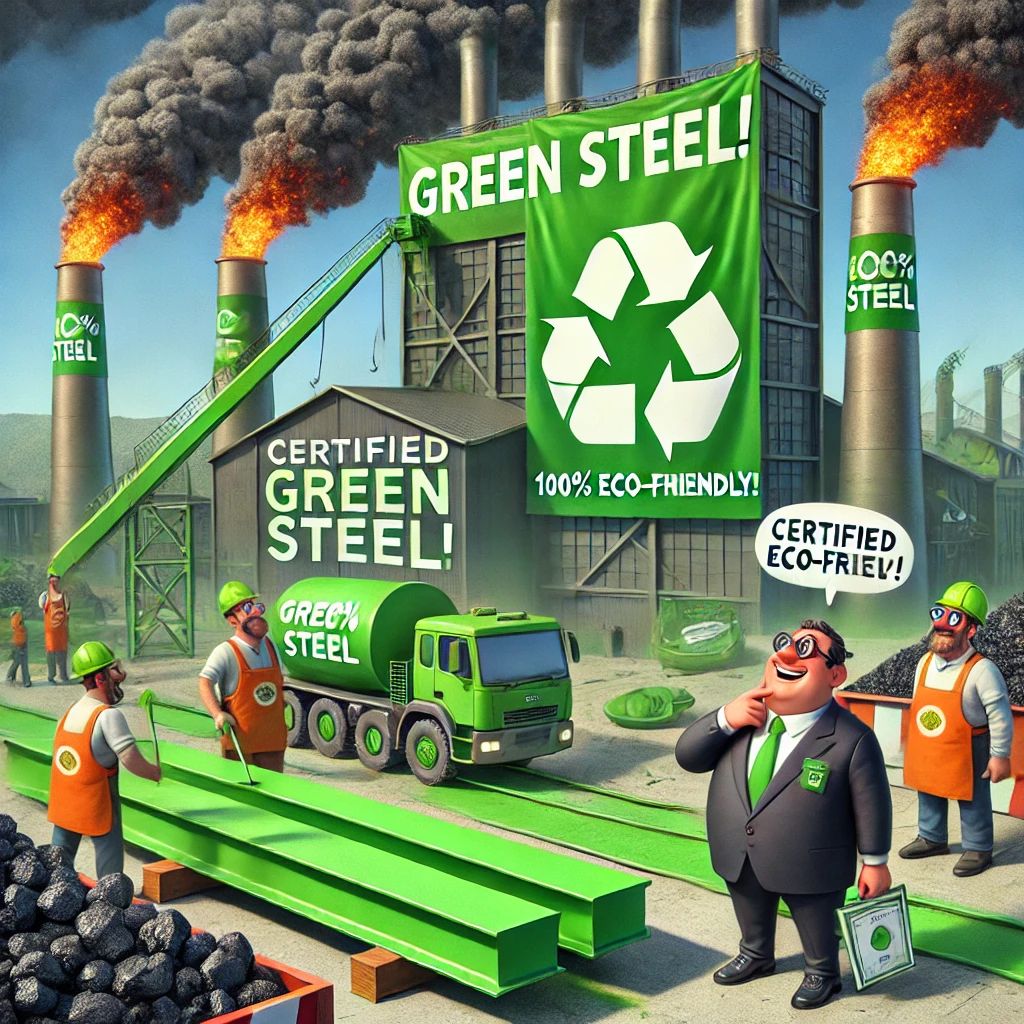
🚨 “The Great Green Steel Confusion: Real Sustainability or Just a Carbon Mirage?” 🌍🔥🔩
The steel industry contributes 8% of global CO₂ emissions, yet companies rush to brand their products as “green steel” while still running on coal. With 2030 and 2050 net-zero targets, is this real progress or just a well-marketed illusion?
📊 Green Steel: Who’s Leading & Who’s Greenwashing?
🔹 United States 🇺🇸 – U.S. Steel & Nucor claim sustainability, yet 74% of production relies on coal, delaying carbon neutrality until 2055. (IEA, 2025)
🔹 European Union 🇪🇺 – Net-zero by 2050, but only 10% of steel plants are transitioning to hydrogen, with heavy reliance on carbon offsets. (World Steel Association, 2025)
🔹 China 🇨🇳 – Produces 55% of global steel, pledged net-zero by 2060, yet 92% of operations still run on coal. (OECD, 2025)
🔹 India 🇮🇳 – Tata & JSW Steel target 2045 net-zero, but 80% of India’s steel output remains carbon-intensive, with <3% green investment. (IEA, 2025)
📌 RealityCheck: Most “green steel” claims lack real emission cuts.
📉 The Hard Truth About Green Steel
🚨 70% of global steel production still relies on coal, emitting 2.2 tons of CO₂ per ton of steel. (IEA, 2025)
🚨 Carbon offsets cover just 5% of emissions; most reductions exist only on paper. (Carbon Market Watch, 2025)
🚨 Hydrogen-based steel is <1% of production, requiring $500B+ investment to scale. (World Steel Association, 2025)
🚨 Fossil-free steel won’t be widely available before 2070, delaying net-zero goals. (OECD, 2025)
📌 RealityCheck: Green steel is still mostly a marketing play.
🏆 Who’s Actually Delivering?
✅ H2 Green Steel (Sweden 🇸🇪) – 100% hydrogen-powered plant launching 2026. (WEF, 2025)
✅ Thyssenkrupp (Germany 🇩🇪) – €2B hydrogen investment, aiming for 3.5M ton CO₂ cuts/year by 2040. (IEA, 2025)
✅ SSAB (Nordics 🇸🇪🇫🇮🇳🇴) – 100% fossil-free steel in pilot phase, hitting markets by 2026. (World Steel Association, 2025)
📌 RealityCheck: Few are pushing real decarbonization—most are just branding.
🏆 KeyTakeaway
The steel industry could be the backbone of a clean revolution, should be scaling hydrogen steel, but would be one of the biggest greenwashing culprits if action doesn’t match promises.
👉 Is ‘green steel’ real progress or just a carbon mirage? Drop your thoughts below! 👇
Originally published on LinkedIn on 2025-02-11 13:56:37: https://www.linkedin.com/feed/update/urn%3Ali%3AgroupPost%3A82951-7295078278359322625
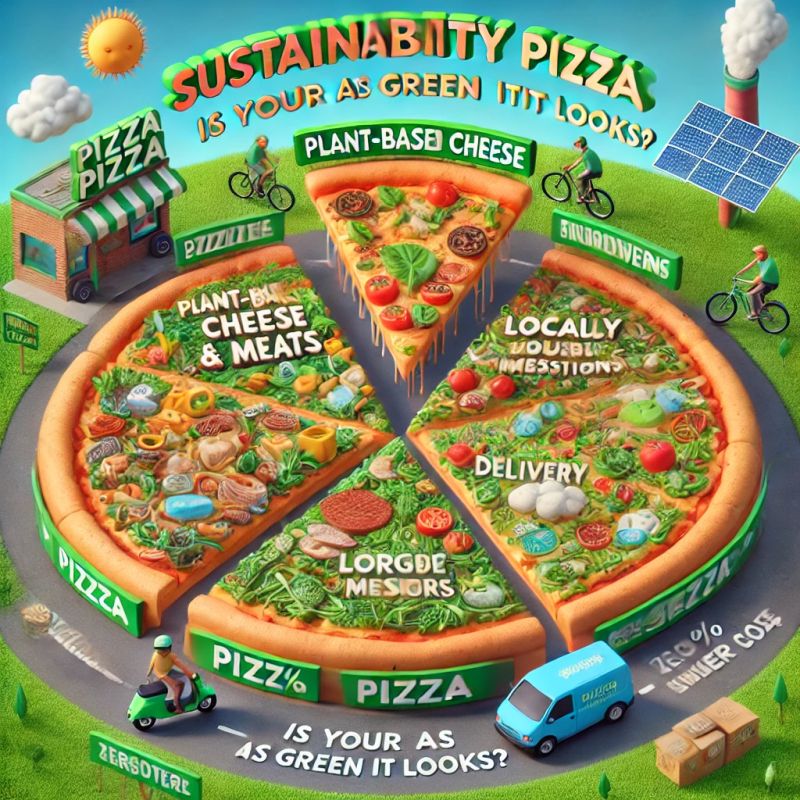
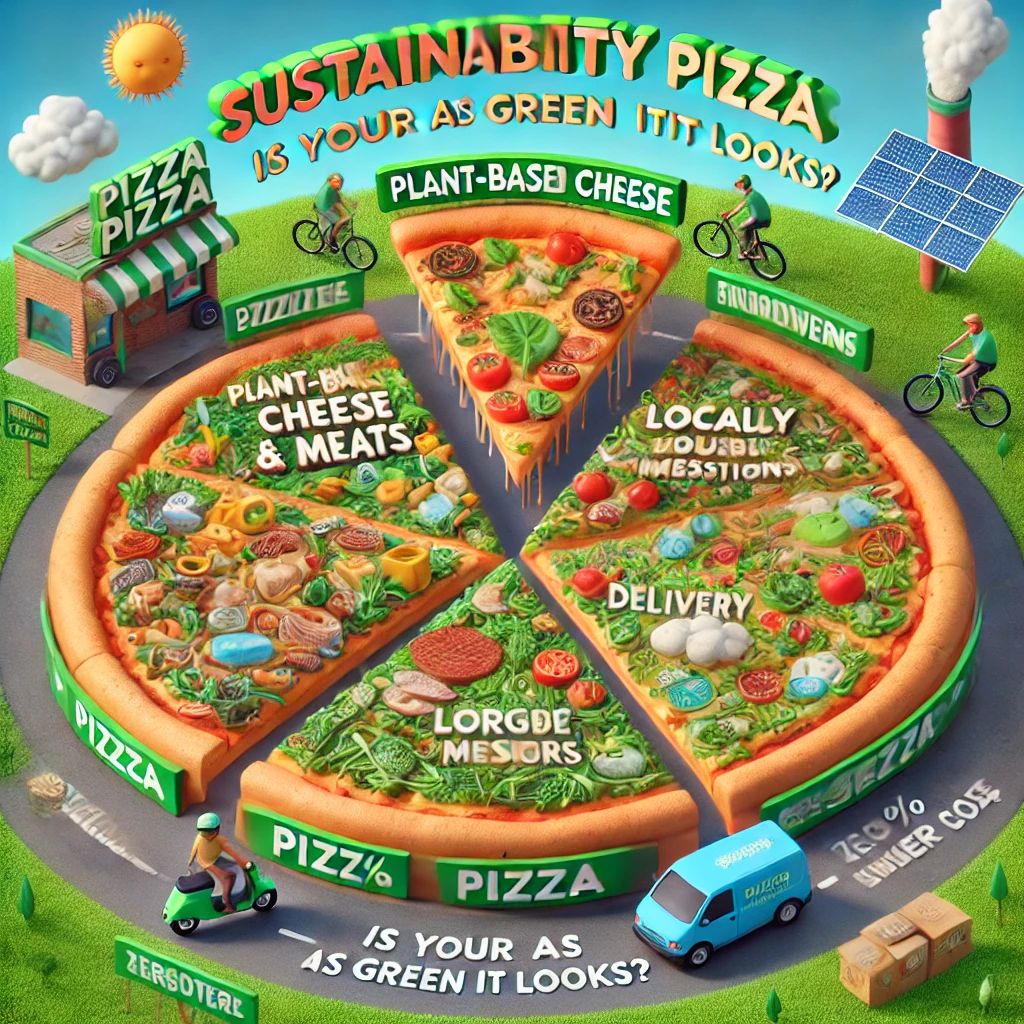
🍕🌱 The_Sustainability_Pizza: Is Your Slice Saving or Polluting the Planet?
Pizza might be the ultimate comfort food, but is it eco-friendly or a hidden climate offender? From cheese emissions to delivery impact, your favorite slice might not be as green as it looks.
📊 The Carbon Footprint of a Pizza
🚨 Dairy Disaster – Cheese production accounts for 60% of a pizza’s total carbon footprint, with dairy farming emitting 4% of global greenhouse gases. (FAO, 2024)
🚨 Meat Overload – Adding pepperoni or sausage increases pizza emissions by 80%, making it one of the least sustainable toppings. (IPCC, 2024)
🚨 Flour Footprint – Wheat farming for pizza dough consumes 35 trillion liters of water annually. (WWF, 2024)
🚨 Packaging Problem – 3 billion pizza boxes are used globally each year, but only 27% are actually recycled due to grease contamination. (EPA, 2024)
🚨 Delivery Emissions – Food deliveries generate 6% of all urban transport emissions, with pizza orders leading the pack. (IEA, 2024)
📌 Reality Check: That cheesy, meaty slice may have a higher footprint than your daily commute.
♻️ How to Make Pizza More Sustainable?
✅ Plant-Based Cheese & Meats – Vegan cheese and alt-meats reduce emissions by 50-80% compared to dairy & pork. (Sustainable Food Report, 2024)
✅ Locally-Sourced Ingredients – Using regional veggies and grains cuts transport emissions by 40%. (UNEP, 2024)
✅ Compostable Pizza Boxes – Some brands now use 100% biodegradable packaging, reducing landfill waste. (Recycling International, 2024)
✅ Energy-Efficient Ovens – New tech lowers energy consumption by 30% while reducing kitchen heat waste. (Clean Energy Council, 2024)
✅ Green Delivery – Bicycle and EV deliveries slash CO₂ emissions by 60% compared to gas scooters. (McKinsey, 2024)
📌 Reality Check: Pizza sustainability isn’t just about the ingredients—it’s the entire supply chain.
🛑 Greenwashing in the Pizza Industry
❌ #‘Eco-Friendly’ Labels Without Action – Some brands highlight one sustainable ingredient while ignoring wasteful packaging and supply chains.
❌ Carbon Offsets Instead of Real Change – Offsetting emissions without actually reducing footprint is a marketing trick.
❌ Recyclable Boxes That Aren’t Recycled – Most pizza boxes are contaminated by grease, making them non-recyclable despite green branding. (Recycling Myths, 2024)
📌 Reality Check: If a pizza brand claims to be ‘green,’ check if their entire supply chain follows through.
🏆 KeyTakeaway
Sustainable pizza could be the next big food revolution, should be focused on reducing food waste & emissions, but would be another greenwashing trend if brands don’t take real action.
👉 Is your favorite pizza actually sustainable, or just a slice of marketing?
SustainableFood GreenPizza EcoFriendlyEats CarbonNeutral CircularEconomy
Originally published on LinkedIn on 2025-02-06 05:19:07: https://www.linkedin.com/feed/update/urn%3Ali%3AgroupPost%3A2474261-7293136103753080832
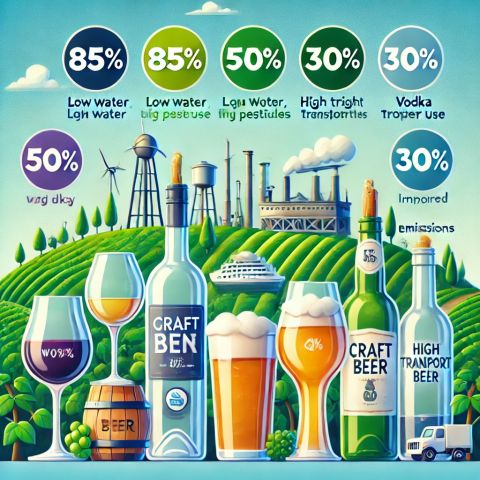
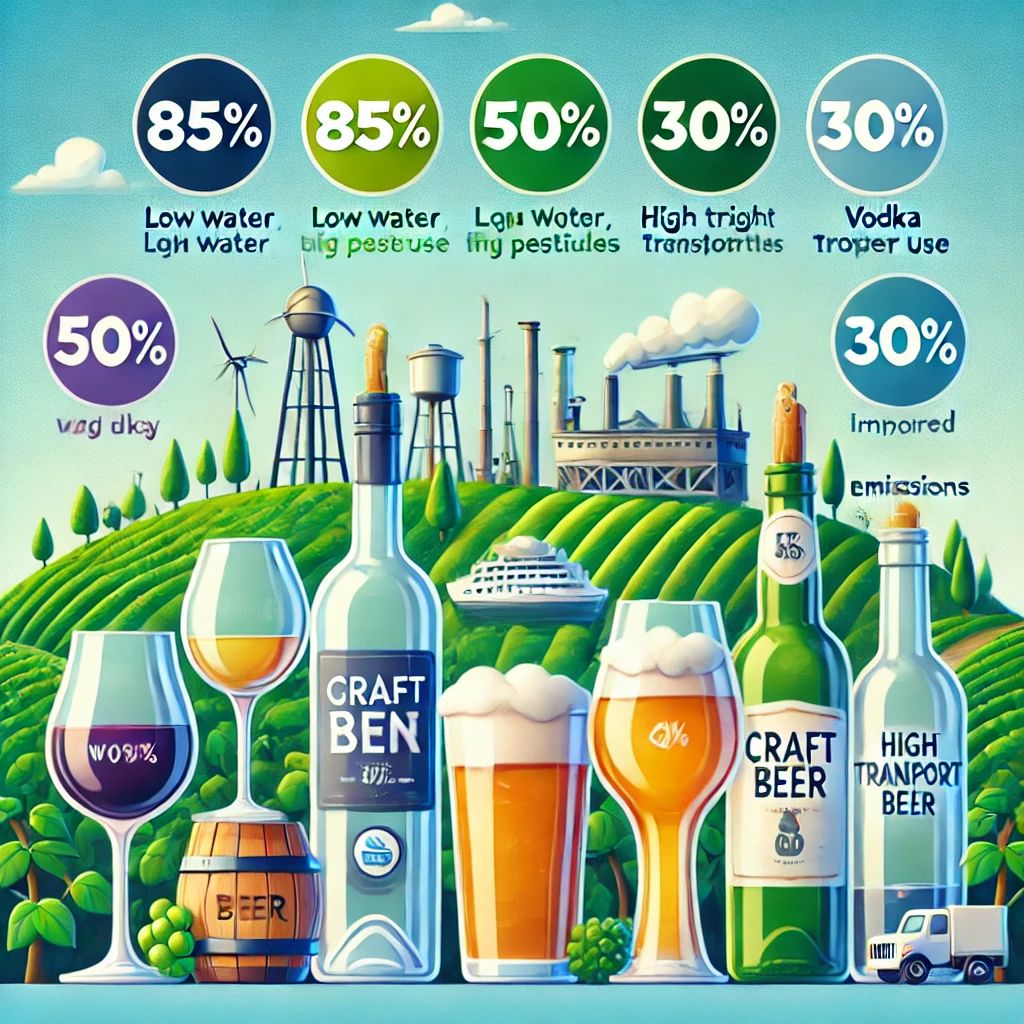
🍻🌱 “Green Booze: Is Your Drink Really Sustainable?
From beer to whiskey to wine, the alcohol industry is a silent sustainability offender—water-intensive, carbon-heavy, and waste-generating. But is booze going green, or just another case of marketing buzz?
📊 The Environmental Cost of Alcohol
🚨 Water Guzzler – Producing 1L of beer takes 4-6L of water, while 1L of whiskey requires up to 50L! (WWF, 2024)
🚨 High Carbon Emissions – A single pint of beer emits 3x more CO₂ than a soft drink. (IEA, 2024)
🚨 Glass Waste Crisis – Over 60% of alcohol packaging is glass, but only 31% is recycled globally. (Recycling International, 2024)
🚨 Grape Waste in Winemaking – Wine production leaves behind 13M tons of grape waste annually. (FAO, 2024)
📌 Reality Check: That happy hour drink may have a heavier footprint than you think.
♻️ Which Alcohols Are Actually Sustainable?
✅ Organic & Biodynamic Wines – Lower pesticide use and 30% less water-intensive. (Rainforest Alliance, 2024)
✅ Local & Craft Beers – Shorter supply chains reduce emissions by 20-30% compared to imported brands. (BrewTech, 2024)
✅ Sustainable Distilleries – Brands like Glenfiddich are converting distillery waste into biofuel-powered trucks. (WhiskeyNet, 2024)
✅ Plastic-Free Spirits – Companies switching to 100% recycled glass & aluminum bottles. (EcoPackaging, 2024)
🚨 Reality Check: A wine bottle may be recyclable, but transporting it across continents isn’t exactly green.
🛑 Greenwashing in the Alcohol Industry
❌ #‘Eco-Friendly’ Labels on Mass-Produced Booze – Big brands use buzzwords but still rely on carbon-heavy production.
❌ Carbon-Neutral Claims – Some distilleries buy offsets instead of actually reducing emissions.
❌ Recyclable Bottles That Aren’t Recycled – Glass recycling rates are still low due to lack of infrastructure.
📌 Reality Check: Just because a drink is labeled ‘sustainable’ doesn’t mean it actually is.
🏆 KeyTakeaway
Green Booze could be the future with real sustainability efforts, should be focused on reducing waste & emissions, but would be another greenwashing gimmick if brands don’t take real action.
👉 Is your drink as eco-friendly as it claims to be?
SustainableAlcohol GreenBreweries EcoDistilleries CarbonNeutral CircularEconomy
Originally published on LinkedIn on 2025-02-05 05:17:13: https://www.linkedin.com/feed/update/urn%3Ali%3AgroupPost%3A2474261-7292773237057314816
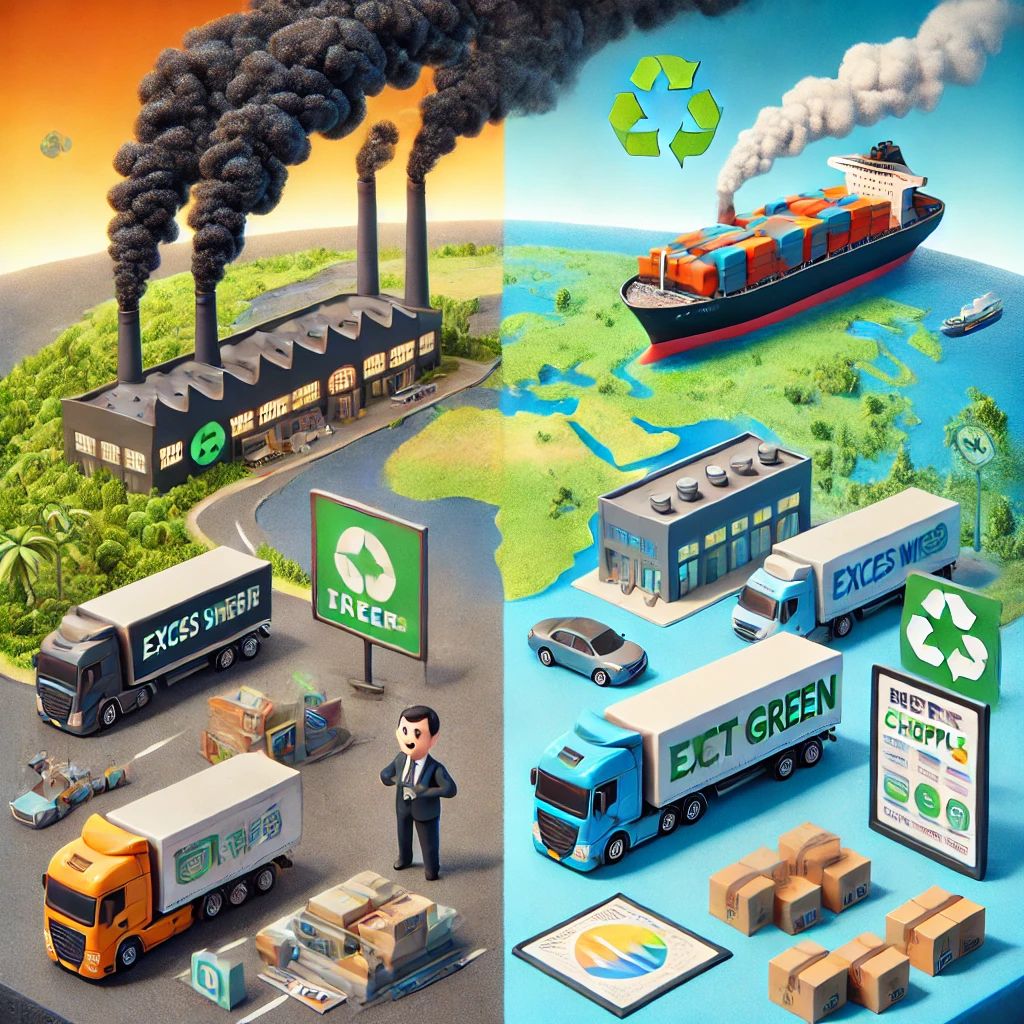
🚛 “How_Green_Are_Global_Supply_Chains? Numbers_Don’t Lie!” 🌍♻️
Supply chains are critical for global trade but also massive polluters. With 11% of worldwide CO₂ emissions coming from logistics, are supply chains truly sustainable, or just corporate greenwashing?
📊 The Global State of Green Supply Chains
🚨 Only 52% of companies in major industries (food, textile, wood products) use sustainable sourcing. (PNAS, 2024)
🚨 60.5% of companies apply sustainability only to first-tier suppliers, ignoring deeper supply chain impact. (PNAS, 2024)
🚨 #$44 trillion in global GDP is directly dependent on nature and ecosystem services. (World Economic Forum, 2024)
🚨 Private businesses contribute 70% of GDP in OECD countries, making their supply chains critical for sustainability. (OECD, 2024)
📌 Reality Check: Most “green” supply chains cover surface-level sustainability, missing deeper impact areas.
🛑 Where Are Supply Chains Falling Short?
🔴 Carbon-Intensive Transport – 90% of global trade still runs on fossil-fueled shipping & trucking.
🔴 Plastic Waste & Packaging – 140M tons of plastic waste come from logistics annually. (UNEP, 2024)
🔴 Overproduction & Inefficiency – 40% of global goods never reach consumers due to supply chain waste. (McKinsey, 2024)
🚨 Reality Check: Sustainability is still an afterthought for most global supply chains.
🚀 What’s Moving Supply Chains Towards Sustainability?
✅ EV & Hydrogen Trucks – Amazon, UPS, & Maersk investing in low-carbon fleets.
✅ Smart Routing & AI Logistics – AI-powered optimization cuts fuel waste by 20%. (McKinsey, 2024)
✅ Sustainable Packaging – IKEA & Unilever eliminating single-use plastics.
✅ Nearshoring & Circular Supply Chains – 52% of businesses shifting sourcing closer to home. (Gartner, 2024)
📌 Reality Check: Green supply chains are possible—but only with deeper accountability.
🏆 KeyTakeaway
Supply chains could be green with genuine commitments, should be integrated with circular economies, but would be just another ESG illusion if companies don’t track deeper impacts.
👉 Are global supply chains truly green or just scratching the surface?
GreenLogistics SustainableSupplyChain CarbonNeutral CircularEconomy ESG
Originally published on LinkedIn on 2025-02-05 04:15:01: https://www.linkedin.com/feed/update/urn%3Ali%3AgroupPost%3A82951-7292757584820756480

