Protecting Local Steel: Malaysia’s Stand Against Unfair Trade Practices
Malaysia’s Strategic Move
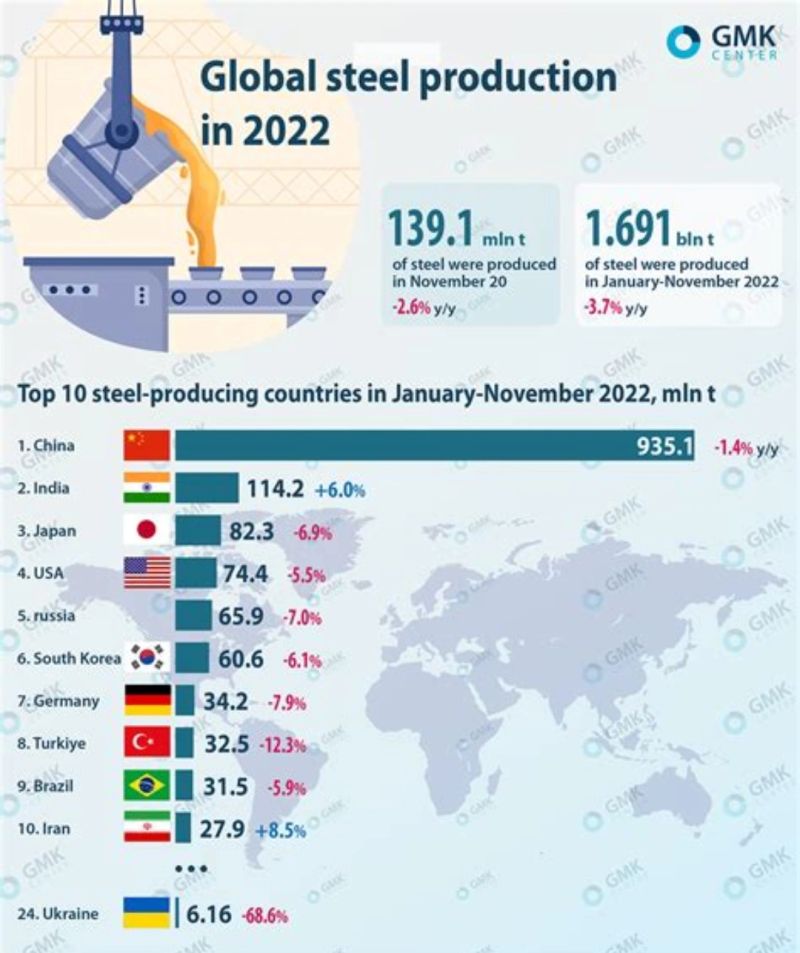
Malaysia has taken decisive action to safeguard its domestic steel industry by imposing anti-dumping duties on imports of flat-rolled iron or non-alloy steel from four major exporting nations. Here’s what you need to know:
Key Highlights:
🌏 Targeted Nations:
🇨🇳 China: Duty up to 36.80%
🇮🇳 India: Duty between 2.52% – 36.80%
🇯🇵 Japan: Duty between 2.52% – 36.80%
🇰🇷 South Korea: Duty up to 36.80%
#🛠️ Affected Products:
Flat_rolled iron or non-alloy steel products, >600mm width
#📅 Effective Date:
January 11, 2025, for a 120-day provisional period
#🕒 Final Decision:
Expected by May 10, 2025
#🚨 Why This Matters
#📉 Unfair Trade Practices:
Imports were allegedly priced below production costs in their home countries, causing harm to Malaysian manufacturers.
#🏗️ Protecting Local Industry:
These duties aim to level the playing field and shield local businesses from unfair pricing.
#📊 Key Statistics on Anti-Dumping Measures:
Malaysia has enforced 9 anti-dumping actions between 2015 and 2023.
Currently investigating 4 ongoing cases targeting steel and plastic products.
#🌟 Impact on Trade
#🇨🇳 China: Frequent subject of anti-dumping investigations in Malaysia.
#🇮🇳 India: Faces growing scrutiny for its export practices.
#🇯🇵 Japan: High-quality steel imports challenge local markets.
#🇰🇷 South Korea: A competitive player in Malaysia’s steel sector.
Malaysia’s commitment to fair trade sends a strong message to global exporters. By imposing these duties, the government is safeguarding local industries, ensuring economic stability, and fostering long-term growth.
#💬 What are your thoughts on these measures? Let’s discuss below.

Originally published on LinkedIn on 2025-01-14 11:28:07: https://www.linkedin.com/feed/update/urn%3Ali%3AgroupPost%3A2368335-7284894047507206146
NamasteIndia goes vigilant once more!
The imposition of anti-dumping duties on Epichlorohydrin imports from China, SouthKorea, and Thailand is set to impact several Indian industries and companies that rely on this chemical.
Industries_Affected:
1. Adhesives Industry: Epichlorohydrin is a key component in producing adhesives. Companies manufacturing adhesives may face increased raw material costs, potentially affecting their pricing and profitability.
2. Epoxy Resins Production: Epichlorohydrin is essential for producing epoxy resins, which are used in coatings, composites, and electronics. Manufacturers in this sector might experience cost escalations.
3. Textiles and Paper Industries: Epichlorohydrin is used in producing wet-strength resins for paper and textile applications. Companies in these sectors could see increased expenses.
Major Indian Companies Potentially Affected:
1. Pidilite Industries: A leading manufacturer of adhesives and sealants, Pidilite relies on Epichlorohydrin for some of its products.
2. Atul Ltd: Engaged in producing epoxy resins, Atul Ltd uses Epichlorohydrin as a primary raw material.
3. Huntsman International (India) Pvt Ltd: A significant player in the epoxy resins market, Huntsman may face increased production costs due to the duty.
4. Resinova Chemie Ltd: A manufacturer of adhesives and resins, Resinova’s operations could be impacted by the increased cost of Epichlorohydrin.
5. Kemrock Industries and Exports Ltd: Involved in composites manufacturing, Kemrock uses epoxy resins derived from Epichlorohydrin.
Potential Implications:
Increased Production Costs: Companies may face higher expenses due to the duty, leading to increased product prices.
Supply Chain Adjustments: Firms might seek alternative suppliers or consider local production to mitigate costs.
Market Competitiveness: Higher prices could affect the competitiveness of Indian products in domestic and international markets.
While the duty aims to protect domestic Epichlorohydrin producers, it may have a cascading effect on downstream industries, leading to potential price adjustments and strategic shifts within these sectors.
Major Exporters that could be Affected:
1. Jiangsu Yangnong Chemical Group (China)
2. Hanwha Solutions Corporation (South Korea)
3. Shandong Haili Chemical Industry Co., Ltd. (China)
4. AGC Chemicals (Thailand)
5. Olin Corporation (USA, via Asian subsidiaries)
Originally published on LinkedIn on 2024-11-13 06:01:03: https://www.linkedin.com/feed/update/urn%3Ali%3Ashare%3A7262343687093821440
NamasteIndia – Reasons for India’s High Anti-Dumping Cases**:
Market Size: India’s large consumer market attracts foreign suppliers, leading to increased trade volume and potential disputes.
Domestic Industry Protection**: India uses anti-dumping measures to safeguard local industries from unfair competition by imported goods.
Global Trade Dynamics: As a major player in international trade, India encounters more instances of dumping practices.
Sector-Specific Issues: Certain sectors, such as steel, chemicals, and textiles, face intense competition and are prone to anti-dumping actions.
Originally published on LinkedIn on 2024-07-27 13:34:14: https://www.linkedin.com/feed/update/urn%3Ali%3AgroupPost%3A60128-7222957457717792768
NamasteIndia – Reasons for India’s High Anti-Dumping Cases**:
Market Size: India’s large consumer market attracts foreign suppliers, leading to increased trade volume and potential disputes.
Domestic Industry Protection**: India uses anti-dumping measures to safeguard local industries from unfair competition by imported goods.
Global Trade Dynamics: As a major player in international trade, India encounters more instances of dumping practices.
Sector-Specific Issues: Certain sectors, such as steel, chemicals, and textiles, face intense competition and are prone to anti-dumping actions.
Originally published on LinkedIn on 2024-07-27 13:34:07: https://www.linkedin.com/feed/update/urn%3Ali%3Ashare%3A7222957429288783872

