Carbon Hustling: Loopholes or Lies in the Green Revolution?” 🌍💨
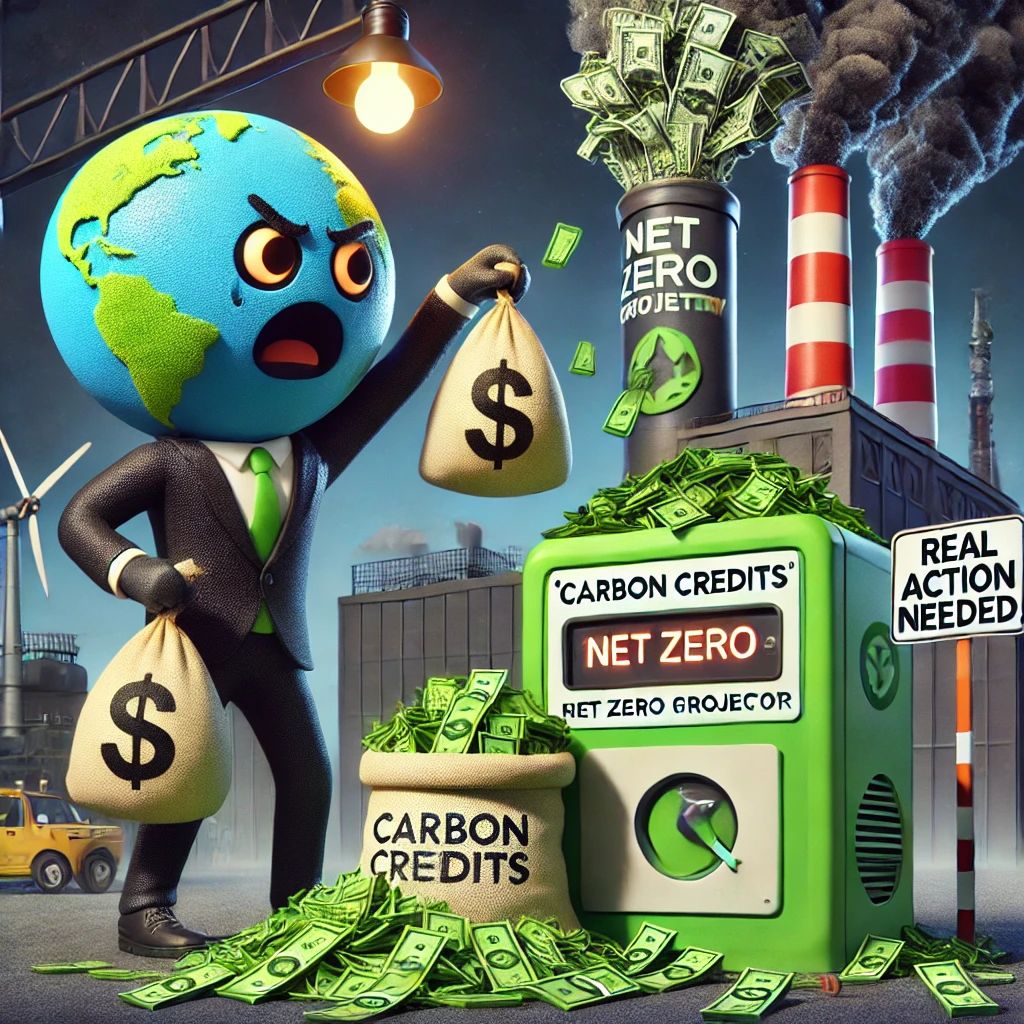
Carbon hustling—the deliberate exploitation of carbon reduction schemes—undermines global climate goals. Recent cases reveal systemic exploitation, not mistakes, in corporate carbon management.
🔍 4 Examples of Carbon Hustling
1️⃣ Shell’s Carbon Credit Controversy
Issue: Claimed neutrality using offsets tied to forests at minimal risk of deforestation.
Data: 80% of credits failed to reduce emissions. (Source: ProPublica, 2023)
Why It’s Hustling: Chose unverifiable offsets over real reductions.
2️⃣ Volkswagen’s Double Counting
Issue: Overstated Brazil emissions reductions by 35% with double-counted credits.
Data: Fined #€30 million for systemic misreporting. (Source: Reuters, 2024)
Why It’s Hustling: Exploited weak oversight in carbon markets.
3️⃣ Chevron’s Flawed Net Zero Claims
Issue: Used reforestation offsets; 60% failed verification standards.
Data: Stock dropped 5% after audits exposed discrepancies. (Source: Financial Times, 2023)
Why It’s Hustling: Relied on low-impact projects to mask emissions.
4️⃣ India’s Coal Offsetting Scheme
Issue: An Indian power company financed “green energy” while expanding coal.
Data: Emissions rose 40%, offset benefits negated. (Source: CSE, 2023)
Why It’s Hustling: Used minor green initiatives to greenwash high-pollution activities.
Why It’s Not a Mistake
1️⃣ Systemic Exploitation: Lack of audit standards costs #$2 billion annually in fraud. (Source: UNEP)
2️⃣ Profit over Integrity: Cheap offsets prioritized over genuine reductions.
3️⃣ Strategic Greenwashing: 83% of consumers now demand transparency. (Source: Edelman Trust Barometer, 2024)
KeyTakeaway
Carbon hustling is a systemic issue, delaying real progress. Stricter audits and credible carbon markets are essential to end the hustle.
👉 Are your carbon claims authentic or just optics?
CarbonHustling Greenwashing Sustainability ESGCompliance ClimateAction Transparency

Originally published on LinkedIn on 2025-01-28 03:06:32: https://www.linkedin.com/feed/update/urn%3Ali%3AgroupPost%3A2474261-7289841246922014720
NamasteIndia ESRS_Ripple_Effect:Europe’s Global_Disruptor_Rules Reshape Indian Businesses” 🇮🇳
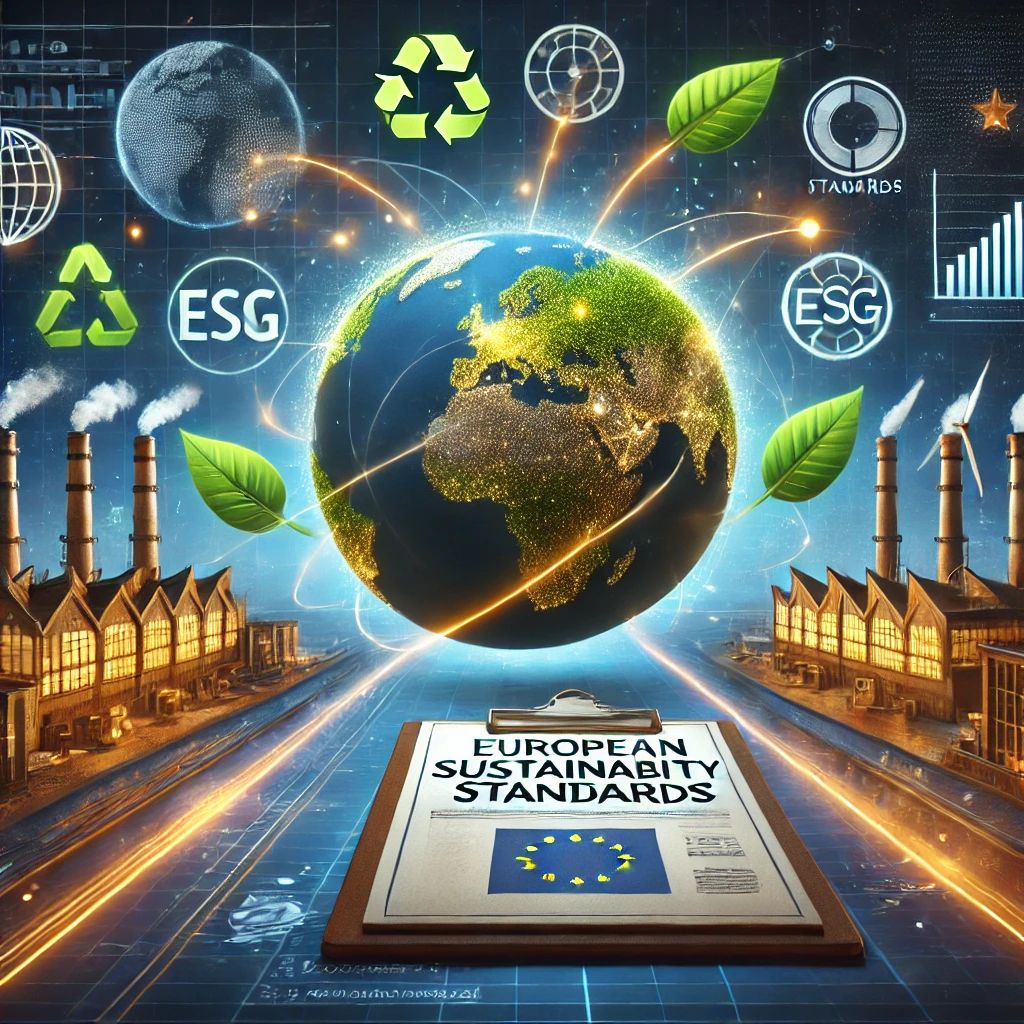
With the EU’s European Sustainability Reporting Standards (ESRS) coming into effect, Indian businesses are set to feel the heat. Here’s a data-driven breakdown of how these standards will impact India:
🔵 Indian Exporters Face Compliance Pressure
Fact: India exported goods worth #€65 billion to the EU in 2022, making the EU one of India’s largest trading partners. (Source: Eurostat)
Impact: Exporters must now meet ESRS-aligned requirements like carbon reporting, labor conditions, and water usage transparency.
Example: 45% of Indian textile exports go to the EU, which requires ESG disclosures from supply chains.
🟢 Subsidiaries of EU Companies Must Adapt
Fact: Over 4,000 EU-based companies have subsidiaries in India, spanning sectors like IT, pharmaceuticals, and manufacturing. (Source: EU Delegation to India)
Impact: Indian branches will face stricter ESG reporting as EU headquarters comply with ESRS.
Example: Indian operations of EU automotive giants must disclose scope 1, 2, and 3 emissions to support parent company reports.
🟡 Supply Chain Scrutiny to Intensify
Fact: 70% of EU companies rely on global supply chains, with India being a critical link. (Source: EFRAG)
Impact: Indian suppliers must provide accurate sustainability data or risk losing contracts.
Example: EU pharma imports from India, valued at #€8 billion annually, will require ESG-aligned disclosures like energy use and labor practices.
🟠 Regulatory Convergence in India
Fact: India’s BRSR framework, introduced in 2021, already mandates ESG reporting for the top 1,000 listed companies. (Source: SEBI)
Impact: ESRS accelerates India’s regulatory momentum, pushing companies to adopt global ESG benchmarks.
🟣 Opportunities in Green Tech and Consulting
Fact: The ESG consulting market in India is projected to grow at a CAGR of 35%, reaching #$1.2 billion by 2030. (Source: PwC India)
Impact: Indian firms offering ESG solutions—like software platforms for tracking emissions—stand to gain as EU firms outsource compliance support.
🔴 Competitive Advantage for ESG Leaders
Fact: 83% of EU investors prefer companies with strong ESG credentials. (Source: EY)
Impact: Indian companies with advanced sustainability practices will become preferred partners for EU buyers.
Example: Tata Steel’s carbon-neutral initiatives make it a strong supplier for ESG-conscious European firms.
Key Stats That Matter
#€85 billion: Total trade between India and the EU in 2022. (Source: Eurostat)
4,000+: EU-based companies with operations in India. (Source: EU Delegation to India)
35% CAGR: Growth of India’s ESG consulting market by 2030. (Source: PwC)
👉 Are Indian companies ready to navigate the ESG revolution and seize the opportunity?
SustainabilityLeadership ESRSImpact IndiaAndEU ESGCompliance GreenEconomy
Originally published on LinkedIn on 2025-01-27 11:33:17: https://www.linkedin.com/feed/update/urn%3Ali%3AgroupPost%3A3880479-7289606387402207232

