Sustainability as a CompetitiveAdvantage: Data-Backed Insights from Market Leaders
How Green Strategies Drive Profitability and Market Dominance
1️⃣ The Business Case: Numbers Don’t Lie
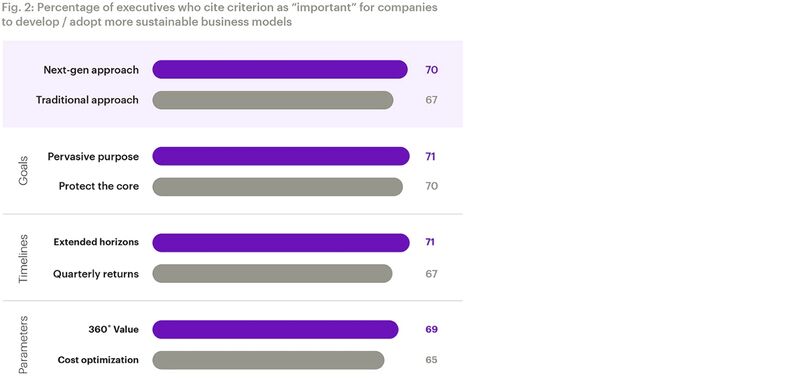
Sustainability is no longer just CSR—it’s a profit-driver. Companies leading in ESG (Environmental, Social, Governance) outperform competitors in key metrics:
67% of consumers prefer sustainable brands, and 50% are willing to pay a premium (Nielsen)
ESG-focused firms achieve 23% higher return on assets (Harvard Business School)
Sustainable investments reached #$30.7 trillion globally (Global Sustainable Investment Alliance, 2023)
Green supply chains reduce costs by 9% to 16% (McKinsey & Co.)
2️⃣ CaseStudy: Unilever – Sustainability Driving Growth
The Challenge:
Stagnant growth, rising operational costs, and increasing consumer skepticism.
TheStrategy:
✅ Launched Sustainable Living Plan – focusing on carbon neutrality, waste reduction, and ethical sourcing
✅ Introduced eco-friendly products – biodegradable detergents, refillable packaging
✅ Integrated sustainable supply chain – ethical sourcing, fair wages
TheOutcome:
Sustainable brands grew 69% faster than Unilever’s traditional portfolio
Cost savings of #€1.2 billion from energy efficiency & waste reduction
65% reduction in CO2 emissions while maintaining profit growth
3️⃣ The TeslaEffect: Sustainability as a Disruptor
TheChallenge:
EVs were costly, niche, and lacked mass adoption.
TheStrategy:
✅ Positioned EVs as luxury, creating aspirational demand
✅ Invested in battery innovation & circular economy for cost reduction
✅ Built renewable-powered gigafactories for operational efficiency
TheOutcome:
Stock value surged 5,500% in a decade (NASDAQ)
25% gross margin per vehicle, higher than traditional automakers (Toyota: 16%)
Industry-wide shift: Ford, GM, and Volkswagen investing heavily in EVs
4️⃣ IKEA: Circular Economy for Cost & Brand Loyalty
TheChallenge:
Fast furniture was unsustainable, affecting brand reputation.
TheStrategy:
✅ Shifted to circular design, using recyclable & repairable materials
✅ Built energy-positive stores, investing in solar & wind farms
✅ Launched buy-back programs, promoting a second-hand economy
TheOutcome:
50% carbon footprint reduction while increasing revenue
#$3 billion savings from renewable energy investments
World’s largest buyer of sustainable wood
5️⃣ Data-Proven Takeaways: Making Sustainability a Business Advantage
🔹 Sustainability is a growth driver – ESG-focused companies outperform peers by 20% in stock market returns (McKinsey)
🔹 Green innovation cuts costs – Sustainable practices lower operational costs by up to 16% (Deloitte)
🔹 Consumers reward sustainability – 77% of millennials consider environmental impact when purchasing (Forbes)
🔹 Investors prioritize ESG – 88% of global investors consider sustainability a key factor (Morningstar)
Originally published on LinkedIn on 2025-03-18 16:14:07: https://www.linkedin.com/feed/update/urn%3Ali%3AgroupPost%3A82093-7307796454041935875
Sustainability Wars: Profits of the Bold, Losses of the Blind
Sustainability isn’t just a buzzword—it’s the defining strategy for profitability in modern business. These 10 examples showcase how companies that embraced sustainability secured financial success, while competitors who hesitated faced staggering losses and shrinking market share.
📊 1. Unilever vs. Procter & Gamble (P&G)
Unilever: Sustainable brands grew 69% faster, saving #€1 billion by 2020.
P&G: Lost #$8 billion in 2023, struggling to appeal to eco-conscious consumers in Europe.
📊 2. Tesla vs. General Motors (GM)
Tesla: EV dominance earned #$12.6 billion net income (2022) and an 800% valuation increase in 5 years.
GM: EVs accounted for just 2% of revenue (2022), causing a 25% market share drop in China.
📊 3. IKEA vs. Wayfair
IKEA: Renewable energy and circular practices saved #€2 billion and grew customer loyalty by 25%.
Wayfair: Suffered #$1.5 billion losses (2022) due to unsustainable operations.
📊 4. Patagonia vs. Columbia Sportswear
Patagonia: Eco-friendly initiatives helped achieve #$1 billion annual revenue and build brand trust.
Columbia: Lost 15% market share between 2020-2023 to Patagonia due to lack of sustainability focus.
📊 5. Walmart vs. Target
Walmart: Energy efficiency saved #$1 billion annually, cutting operational costs significantly.
Target: Reported a #$2 billion profit dip (2022) due to slower sustainability adoption.
📊 6. Nike vs. Adidas
Nike: Flyknit technology saved 60% material costs, generating #$3.5 billion in savings.
Adidas: Faced a #€500 million revenue loss (2023) from delayed sustainable innovations.
📊 7. Apple vs. Samsung
Apple: 100% renewable energy adoption fueled record #$394 billion revenue (2022) and 40% brand equity growth.
Samsung: Lost 15% EU market share, criticized for lagging in renewable energy initiatives.
📊 8. Microsoft vs. Oracle
Microsoft: Sustainability efforts drove 27% Azure growth (2023), securing eco-conscious enterprise clients.
Oracle: Missed #$1.2 billion in contracts, trailing in cloud services for sustainability-focused industries.
📊 9. PepsiCo vs. Coca-Cola
PepsiCo: Water-saving initiatives saved #$80 million annually, stabilizing global supply chains.
Coca-Cola: Lost #$2 billion (2022) due to water mismanagement protests and plant shutdowns in India.
📊 10. Toyota vs. Ford
Toyota: Sold 16 million hybrid vehicles, generating #$70 billion in cumulative profits.
Ford: Lost 10% market share (2020-2023) due to delayed EV and hybrid innovations.
The Bottom Line
Companies that lead with sustainability strategies not only maximize profits but also future-proof their business. Those that delay or ignore the shift face crippling losses in revenue, market share, and reputation.
SustainabilityWins GreenGrowth ProfitWithPurpose CorporateLeadership
Originally published on LinkedIn on 2025-01-24 05:11:11: https://www.linkedin.com/feed/update/urn%3Ali%3AgroupPost%3A82951-7288423065552609280

