Decoding_an_Eventfull_Week: 10GlobalShifts That_Will_Shape_Your_Boardroom_YR2025
From tariffs to tarmac, profits to policies—here’s how decision-makers should read the signals before they shake the strategy.
10_Global_Moves | 10_Business_Ripples | 10_Smart_Perspectives
Curated by: KTALYST KEYSTONE
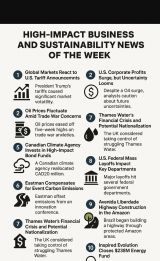
US_Tariffs on India – Trade Flashpoint
China absorbs with subsidies.
Vietnam escapes via FTAs.
India should attract FDI: “Tariffed there? Manufactured here.
Oil_Price_Volatility – Energy Chessboard
India secures discounts, but remains exposed.
U.S. shale pumps faster, EU scrambles.
Time to pivot to biofuels & hydrogen early.
US_Corporate_Profits – High but Hollow
204B profits, but 15% layoffs.
Big Tech trims fat, not revenue.
Efficient Excellence is the new productivity playbook.
BASF’s Green Push – Playing Catch-Up
Croda leads with 61% green revenue.
Evonik innovates, BASF delays.
Mindset shift needed: sustainability as profit driver.
Canadian_Climate_Fund_Shift – Municipal Muscle
CAD 20M goes green locally.
Outperforms federal climate spend.
Cities will lead, not capitals.
Eastman_Offsets_Emissions – Scope 3 Moves In
Unseen emissions, now seen.
Eastman acts, others talk.
Scope 3 = License to Operate soon.
Thames_Water_Crisis – Leaky Logic
#£15B in debt, bailout looming.
Japan, Singapore guard infra smartly.
Water isn’t just utility, it’s national security.
US_Federal_Layoffs – Silent Collapse
35,000 cut, while EU hires for AI & climate.
India upskills, U.S. downsizes.
Public policy needs people, not contractors.
AmazonHighway – Brazil’s COP Contradiction
Protected zones bulldozed.
Kenya, India build green infra, Brazil risks COP30 face.
Tarmac over trees = Trust deficit.
10. Inspired_Evolution_Fund – Africa Powers Up
#$238M clean energy fund.
1.7x bigger than Acumen 2023.
Africa can leap, if policies match capital.
Quote_of_the_Week:
Every ripple in global policy or boardroom signals a tide shift in power, purpose, and preparedness. Those who read early, move early.
KTALYSTKEYSTONE
Originally published on LinkedIn on 2025-04-03 12:18:18: https://www.linkedin.com/feed/update/urn%3Ali%3Ashare%3A7313535315867054080
🚨 Moody’s & Sustainability: ESG is Now a Credit Rating Factor! 📊💚
With #$40T in ESG assets under management, Moody’s is reshaping how financial markets assess creditworthiness. No longer just about profits & losses, a company’s sustainability risks now directly impact credit ratings, borrowing costs, & investment potential.
🔍 How Moody’s Integrates Sustainability into Credit Ratings
🟢 ESG factors impact the credit ratings of 18% of companies & governments rated by Moody’s. (Source)
📊 Issuer Profile Scores (IPS): Measures 15 ESG subfactors (climate risk, governance strength, social responsibility).
📊 Credit Impact Scores (CIS): Rates how ESG performance affects a company’s credit rating & risk profile.
📊 Second Party Opinions (SPOs): Validates Green Bonds & Sustainability-Linked Loans, ensuring funds are climate-aligned.
🔹 Moody’s now assesses over 3,000 entities based on ESG factors.
💰 ESG & Financial Impact: Why Credit Ratings Depend on Sustainability
🏦 Banks & Investors Are Watching
📌 Companies with poor ESG ratings face higher borrowing costs, as investors demand sustainability-linked loans & bonds.
📉 Carbon-Intensive Companies Are High-Risk
📌 Firms with high Scope 3 emissions face 15-20% valuation risks due to carbon pricing & regulatory changes. (Source)
🚀 Sustainability-Linked Bonds & Loans Are Surging
📌 #$1.6T in sustainability-linked bonds & loans have been issued, with Moody’s validating green claims to prevent greenwashing. (Source)
🌍 Moody’s ESG Leadership: Recognitions & Market Influence
🏆 FTSE4Good Index Inclusion (6 Years Running) → Recognizing top ESG performers.
🏆 EcoVadis Bronze Medal → Top 35% of global companies for sustainability.
🏆 CDP Supplier Engagement Leader → Among the top 4% of companies driving supply chain decarbonization. (Source)
🔥 The Takeaway: Sustainability is No Longer Optional
🟢 18% of Moody’s rated companies now have ESG-driven credit adjustments.
🟢 Investors demand transparent sustainability metrics before lending.
🟢 Greenwashing is no longer profitable—credit ratings now hold companies accountable.
📢 Should ESG be an even bigger factor in credit ratings? Let’s discuss below! 👇

Originally published on LinkedIn on 2025-02-27 04:39:26: https://www.linkedin.com/feed/update/urn%3Ali%3AgroupPost%3A82951-7300736262829711360
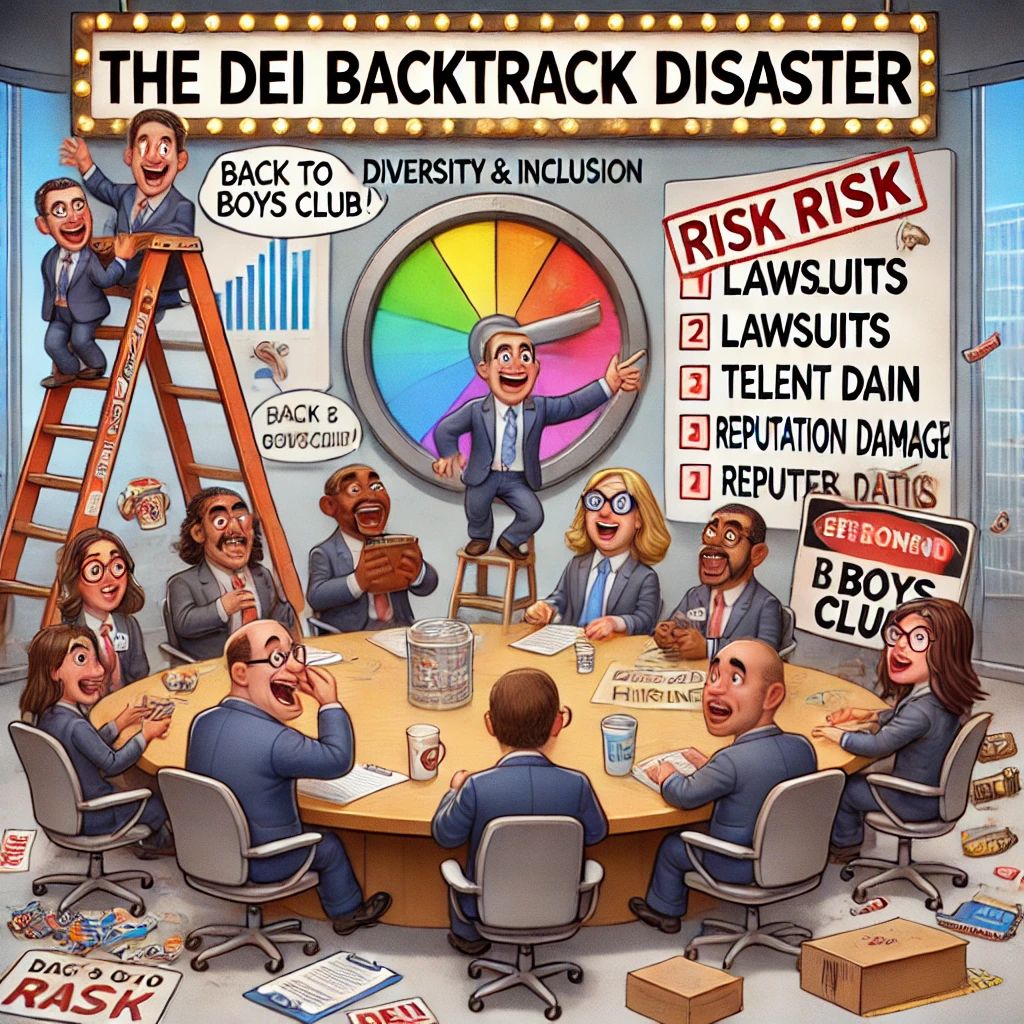
🚨 “Diversity & Inclusion: A Smart Strategy or Corporate Suicide?
💰 #$8 Billion – U.S. companies spent this on DEI programs in 2022. (McKinsey, 2023)
📉 35% of Fortune 500 companies have slashed DEI budgets since 2023. (HBR, 2024)
⚠️ 68% of employees say their company’s DEI progress has stalled or regressed. (Reboot Survey, 2024)
🚨 Backtracking on DEI = Lawsuits, Talent Drain & Reputation Damage.
📌 Reality Check: Cutting DEI might save costs today—but could cost billions in lawsuits, lost talent & investor trust tomorrow.
🏢 Companies That Hit Reverse—And The Fallout
🚨 Accenture:
🔹 Scrapped global DEI goals & career programs for underrepresented employees.
📉 Risk: Employee backlash + rising attrition in diverse leadership. (Financial News London, 2024)
🚨 Target:
🔹 Faced a class-action lawsuit over DEI claims → Stock crashed 22%.
📉 Risk: Investor scrutiny & eroded customer trust. (New York Post, 2024)
🚨 Google:
🔹 Axed diversity hiring targets after government pressure.
📉 Risk: Losing top diverse talent in AI & tech. (Associated Press, 2024)
🚨 Meta, Walmart, McDonald’s:
🔹 Eliminated DEI roles, citing economic slowdowns.
📉 Risk: Lower employee engagement & weaker brand loyalty. (Time, 2024)
📌 Reality Check: DEI isn’t just ‘woke’—it’s workforce strategy. Companies pulling out now may pay a heavy price later.
🌍 DEI & Sustainability: The Unbreakable Link
✅ Diverse teams = higher profits. Companies with inclusive leadership see 30% better financial performance. (McKinsey, 2024)
✅ Women-led firms score 35% higher on climate risk management & ESG strategy. (Harvard Business Review, 2024)
✅ Green industries need diversity. Yet women hold only 32% of clean energy jobs. (IEA, 2024)
📌 Reality Check: Sustainability without diversity is like net zero without emissions cuts—it doesn’t work.
🏆 KeyTakeaway
💡 DEI could be a competitive advantage, should be part of corporate resilience, but would be a massive liability if companies walk away now.
👉 Is your company setting itself up for a DEI backlash disaster? Let’s talk. 💬
Originally published on LinkedIn on 2025-02-07 16:24:10: https://www.linkedin.com/feed/update/urn%3Ali%3AgroupPost%3A82951-7293665858097192961
GoogleDropsDEITargets: What Does It Mean for the Future of Inclusive Hiring?
📢 BreakingNews: Google has officially ended its diversity hiring targets, stating it will no longer have #”aspirational goals” for workforce representation. This move follows legal and political pressures around DEI (Diversity, Equity, and Inclusion) initiatives, particularly for federal contractors.
📊 TheBackdrop
🔹 DEI hiring practices aimed to increase representation across underrepresented groups in the workforce.
🔹 90% of Fortune 500 companies have dedicated DEI programs.
🔹 Diversity-driven companies outperform industry benchmarks by 35% in financial returns (McKinsey).
🔹 75% of job seekers consider workforce diversity an important factor in choosing an employer (Glassdoor).
🔄 WhatChanges at Google?
📌 No more workforce representation targets → Google will stop setting hiring quotas based on diversity metrics.
📌 Reviewing DEI programs → Existing policies and hiring practices are under internal review.
📌 Retaining inclusion efforts → Google states that it will continue supporting employee resource groups and build inclusive products.
⚖️ TheLargerDebate
✅ Proponents say:
✔️ Encourages merit-based hiring rather than diversity quotas.
✔️ Reduces legal risks amid growing scrutiny on DEI initiatives.
⚠️ Critics argue:
❌ DEI targets hold companies accountable for inclusive hiring.
❌ Without targets, diversity progress may slow down in male-dominated sectors like tech.
🚀 WhatNext?
With Google redefining its diversity strategy, will other tech giants follow?
👥 Is this a step toward equal opportunity or a setback for workplace diversity?
Drop your thoughts below! ⬇️
DiversityMatters HiringTrends WorkplaceInclusion CorporateStrategy
Originally published on LinkedIn on 2025-02-06 11:43:22: https://www.linkedin.com/feed/update/urn%3Ali%3Ashare%3A7293232805738651649
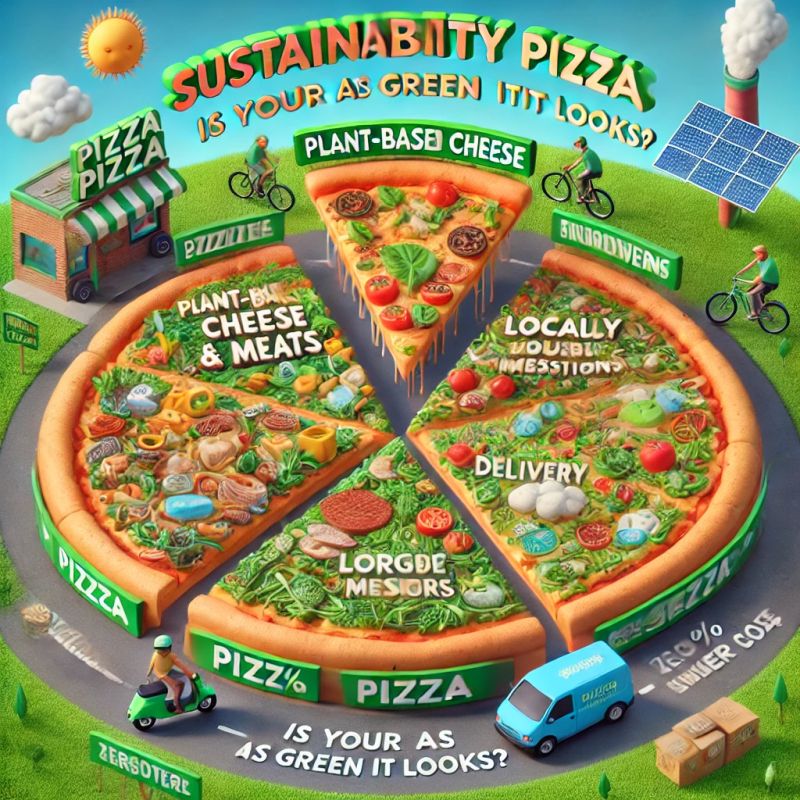
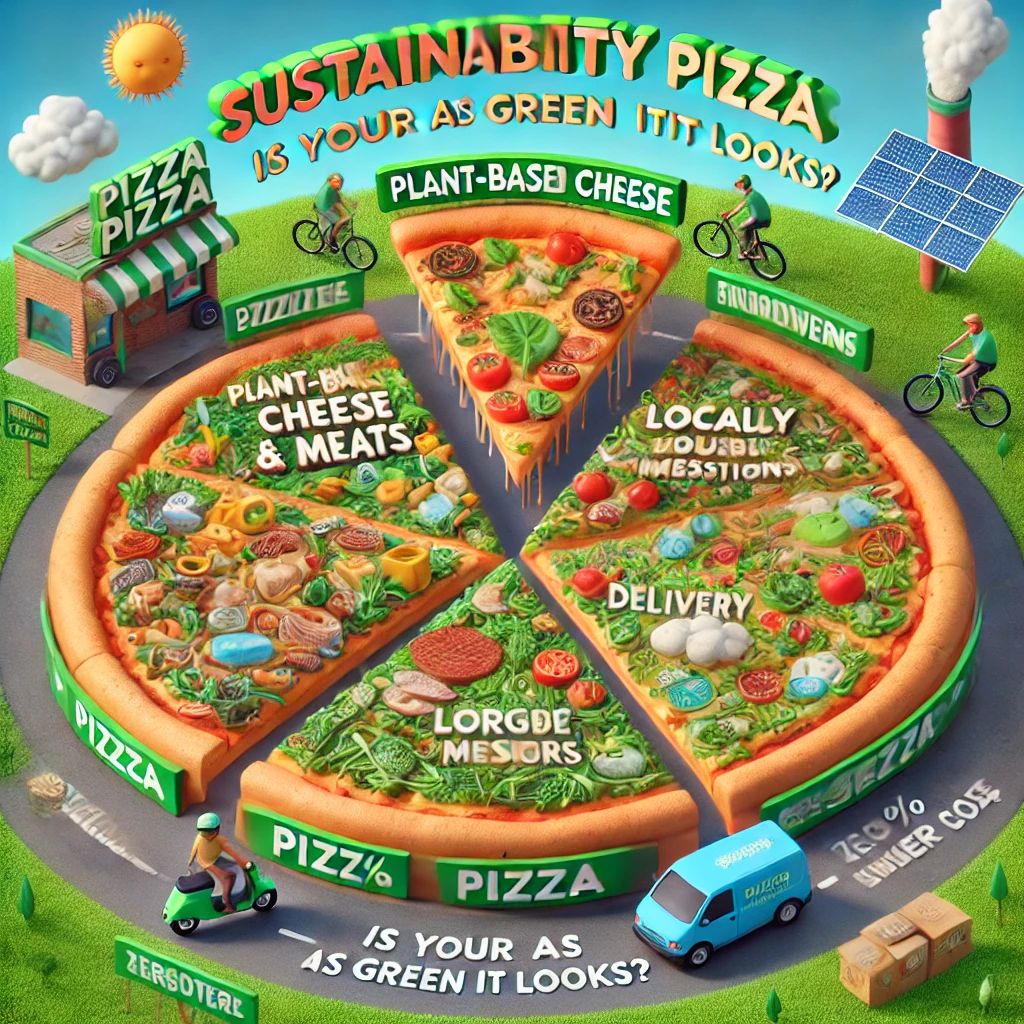
🍕🌱 The_Sustainability_Pizza: Is Your Slice Saving or Polluting the Planet?
Pizza might be the ultimate comfort food, but is it eco-friendly or a hidden climate offender? From cheese emissions to delivery impact, your favorite slice might not be as green as it looks.
📊 The Carbon Footprint of a Pizza
🚨 Dairy Disaster – Cheese production accounts for 60% of a pizza’s total carbon footprint, with dairy farming emitting 4% of global greenhouse gases. (FAO, 2024)
🚨 Meat Overload – Adding pepperoni or sausage increases pizza emissions by 80%, making it one of the least sustainable toppings. (IPCC, 2024)
🚨 Flour Footprint – Wheat farming for pizza dough consumes 35 trillion liters of water annually. (WWF, 2024)
🚨 Packaging Problem – 3 billion pizza boxes are used globally each year, but only 27% are actually recycled due to grease contamination. (EPA, 2024)
🚨 Delivery Emissions – Food deliveries generate 6% of all urban transport emissions, with pizza orders leading the pack. (IEA, 2024)
📌 Reality Check: That cheesy, meaty slice may have a higher footprint than your daily commute.
♻️ How to Make Pizza More Sustainable?
✅ Plant-Based Cheese & Meats – Vegan cheese and alt-meats reduce emissions by 50-80% compared to dairy & pork. (Sustainable Food Report, 2024)
✅ Locally-Sourced Ingredients – Using regional veggies and grains cuts transport emissions by 40%. (UNEP, 2024)
✅ Compostable Pizza Boxes – Some brands now use 100% biodegradable packaging, reducing landfill waste. (Recycling International, 2024)
✅ Energy-Efficient Ovens – New tech lowers energy consumption by 30% while reducing kitchen heat waste. (Clean Energy Council, 2024)
✅ Green Delivery – Bicycle and EV deliveries slash CO₂ emissions by 60% compared to gas scooters. (McKinsey, 2024)
📌 Reality Check: Pizza sustainability isn’t just about the ingredients—it’s the entire supply chain.
🛑 Greenwashing in the Pizza Industry
❌ #‘Eco-Friendly’ Labels Without Action – Some brands highlight one sustainable ingredient while ignoring wasteful packaging and supply chains.
❌ Carbon Offsets Instead of Real Change – Offsetting emissions without actually reducing footprint is a marketing trick.
❌ Recyclable Boxes That Aren’t Recycled – Most pizza boxes are contaminated by grease, making them non-recyclable despite green branding. (Recycling Myths, 2024)
📌 Reality Check: If a pizza brand claims to be ‘green,’ check if their entire supply chain follows through.
🏆 KeyTakeaway
Sustainable pizza could be the next big food revolution, should be focused on reducing food waste & emissions, but would be another greenwashing trend if brands don’t take real action.
👉 Is your favorite pizza actually sustainable, or just a slice of marketing?
SustainableFood GreenPizza EcoFriendlyEats CarbonNeutral CircularEconomy
Originally published on LinkedIn on 2025-02-06 05:19:07: https://www.linkedin.com/feed/update/urn%3Ali%3AgroupPost%3A2474261-7293136103753080832
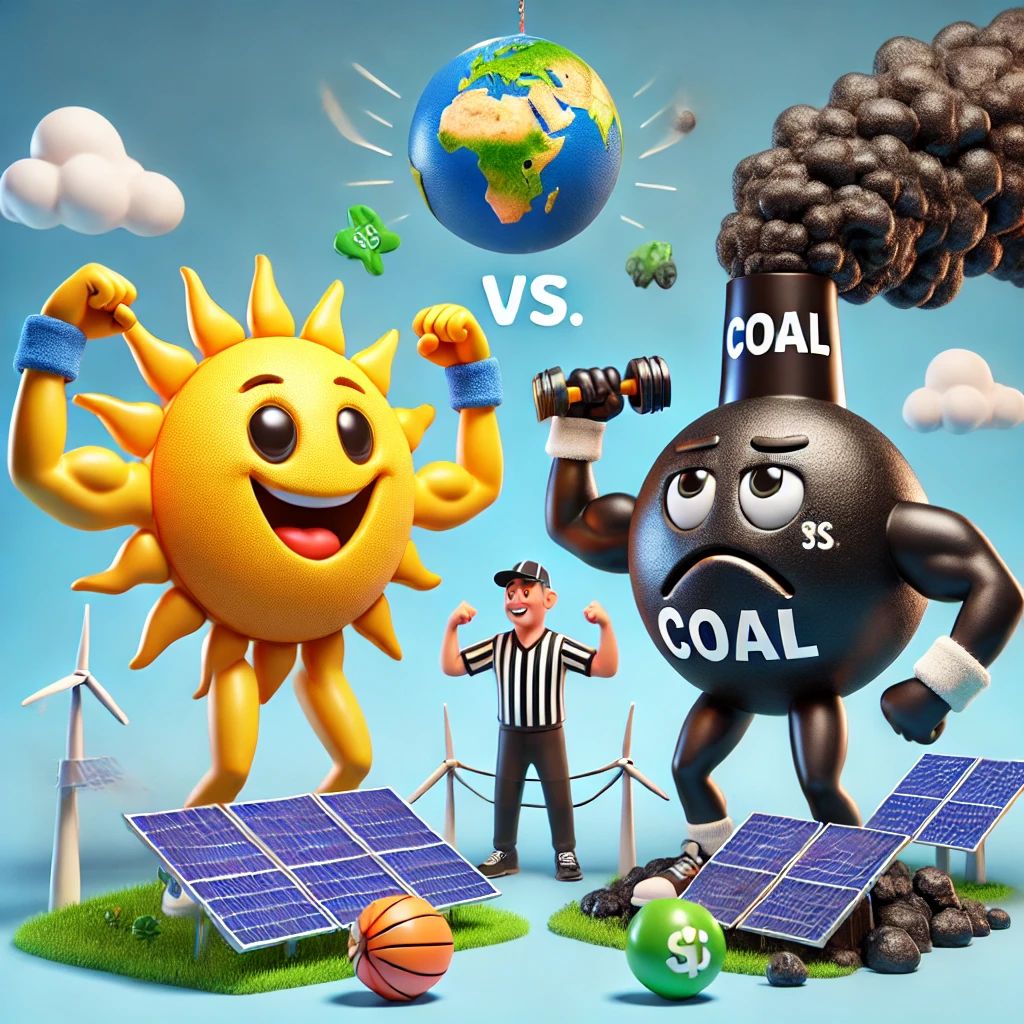
Solar vs. Coal: The USD10_Trillion Energy Disruption We Can’t Ignore” ☀️⚡🔥
Solar is cheaper, cleaner, and scaling fast, but can it fully replace coal? Here’s a data-driven breakdown of efficiency, cost, impact, and future trends.
🔍 Efficiency & Reliability
☀️ Solar – 15-22% efficiency, drops 80-90% at night. (Source: NREL, 2023)
🔥 Coal – 35-45% efficiency, generates 24/7 power. (Source: IEA, 2023)
🏆 Winner: Coal (for base-load power), Solar (for clean production).
💰 Cost & Scalability
☀️ Solar – #$25-$50 per MWh, 89% price drop since 2010. (Source: Lazard, 2023)
🔥 Coal – #$65-$150 per MWh, rising due to fuel costs & carbon taxes. (Source: IEA, 2023)
🏆 Winner: Solar (cheaper & getting cheaper).
🌍 Environmental Impact
☀️ Solar – Zero emissions, but 78M tons of solar waste by 2050. (Source: IRENA, 2023)
🔥 Coal – 820g CO₂ per kWh, highest among energy sources. (Source: IPCC, 2023)
🏆 Winner: Solar (cleaner, but needs better recycling).
🔋 Future Trends
✅ Solar Prices Falling – Expected 50% cheaper than coal by 2030. (Source: BloombergNEF, 2024)
✅ Coal Declining – 40% of coal plants to shut by 2040. (Source: IEA, 2023)
✅ Battery Breakthroughs – Solving solar’s intermittency problem.
🏆 Final Verdict: Solar ✅ (Cleaner, scalable, and cost-effective, but storage & recycling must improve).
KeyTakeaway
Solar is already outcompeting coal, but its future depends on energy storage & recycling innovations. The transition is happening—the only question is how fast.
👉 Will solar dominate, or does coal still have a future?
SolarVsCoal CleanEnergy Sustainability EnergyEfficiency FutureOfEnergy
Originally published on LinkedIn on 2025-01-28 11:16:10: https://www.linkedin.com/feed/update/urn%3Ali%3AgroupPost%3A10334500-7289964467918983170
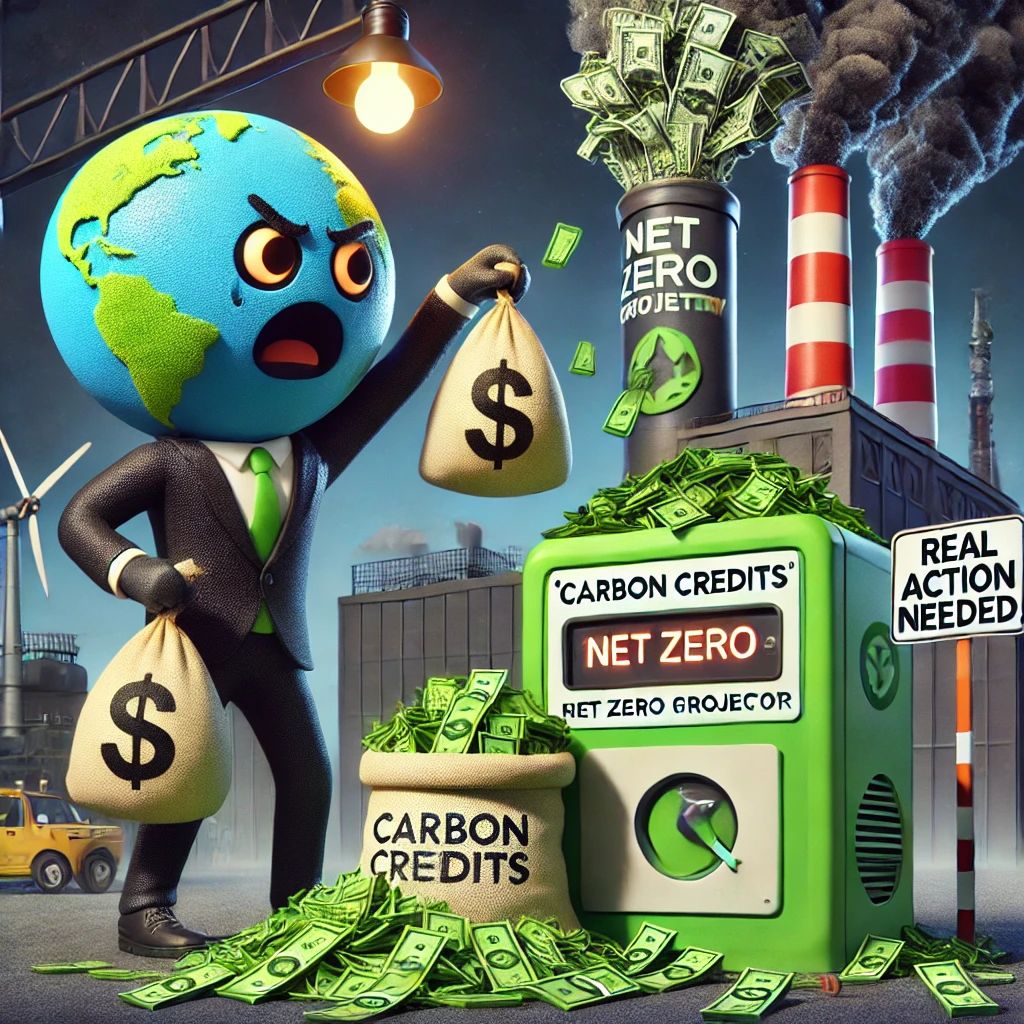
Carbon Hustling: Loopholes or Lies in the Green Revolution?” 🌍💨
Carbon hustling—the deliberate exploitation of carbon reduction schemes—undermines global climate goals. Recent cases reveal systemic exploitation, not mistakes, in corporate carbon management.
🔍 4 Examples of Carbon Hustling
1️⃣ Shell’s Carbon Credit Controversy
Issue: Claimed neutrality using offsets tied to forests at minimal risk of deforestation.
Data: 80% of credits failed to reduce emissions. (Source: ProPublica, 2023)
Why It’s Hustling: Chose unverifiable offsets over real reductions.
2️⃣ Volkswagen’s Double Counting
Issue: Overstated Brazil emissions reductions by 35% with double-counted credits.
Data: Fined #€30 million for systemic misreporting. (Source: Reuters, 2024)
Why It’s Hustling: Exploited weak oversight in carbon markets.
3️⃣ Chevron’s Flawed Net Zero Claims
Issue: Used reforestation offsets; 60% failed verification standards.
Data: Stock dropped 5% after audits exposed discrepancies. (Source: Financial Times, 2023)
Why It’s Hustling: Relied on low-impact projects to mask emissions.
4️⃣ India’s Coal Offsetting Scheme
Issue: An Indian power company financed “green energy” while expanding coal.
Data: Emissions rose 40%, offset benefits negated. (Source: CSE, 2023)
Why It’s Hustling: Used minor green initiatives to greenwash high-pollution activities.
Why It’s Not a Mistake
1️⃣ Systemic Exploitation: Lack of audit standards costs #$2 billion annually in fraud. (Source: UNEP)
2️⃣ Profit over Integrity: Cheap offsets prioritized over genuine reductions.
3️⃣ Strategic Greenwashing: 83% of consumers now demand transparency. (Source: Edelman Trust Barometer, 2024)
KeyTakeaway
Carbon hustling is a systemic issue, delaying real progress. Stricter audits and credible carbon markets are essential to end the hustle.
👉 Are your carbon claims authentic or just optics?
CarbonHustling Greenwashing Sustainability ESGCompliance ClimateAction Transparency

Originally published on LinkedIn on 2025-01-28 03:06:32: https://www.linkedin.com/feed/update/urn%3Ali%3AgroupPost%3A2474261-7289841246922014720
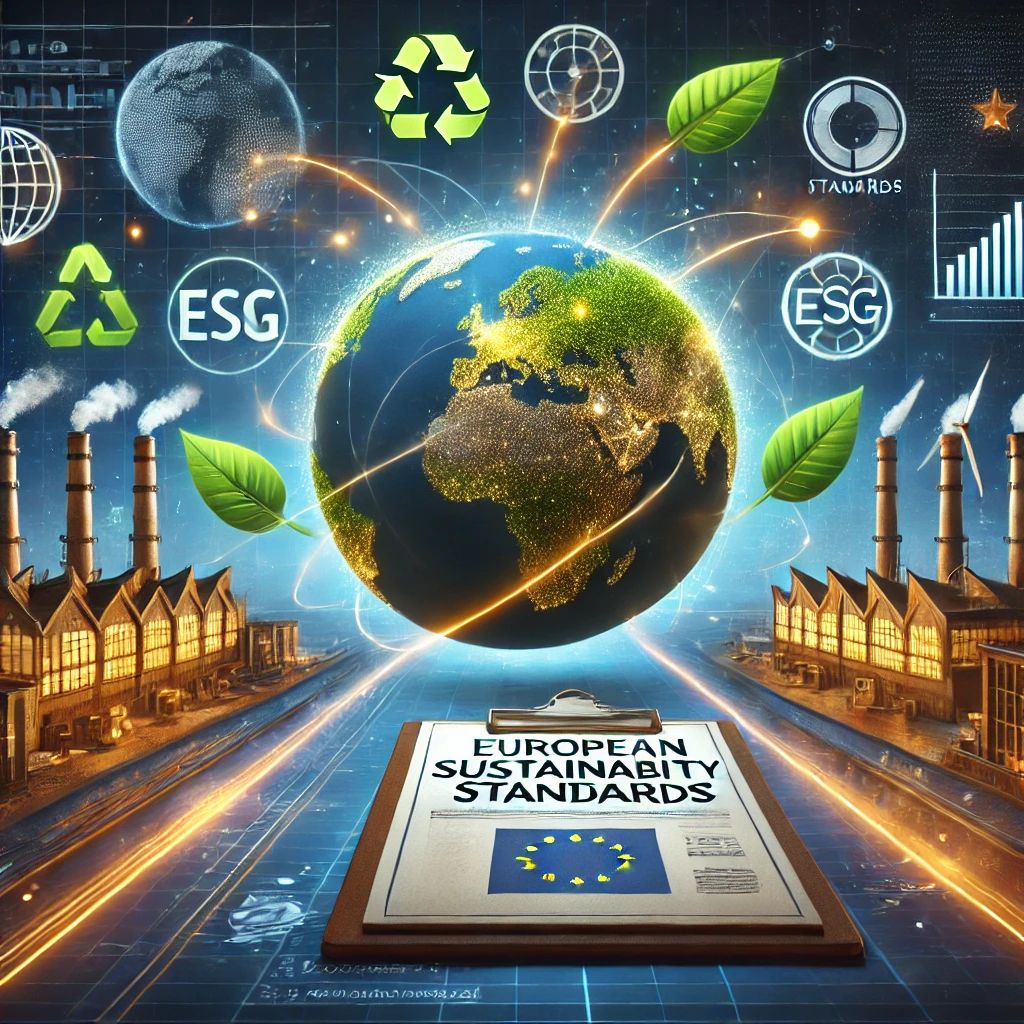
NamasteIndia ESRS_Ripple_Effect:Europe’s Global_Disruptor_Rules Reshape Indian Businesses” 🇮🇳
With the EU’s European Sustainability Reporting Standards (ESRS) coming into effect, Indian businesses are set to feel the heat. Here’s a data-driven breakdown of how these standards will impact India:
🔵 Indian Exporters Face Compliance Pressure
Fact: India exported goods worth #€65 billion to the EU in 2022, making the EU one of India’s largest trading partners. (Source: Eurostat)
Impact: Exporters must now meet ESRS-aligned requirements like carbon reporting, labor conditions, and water usage transparency.
Example: 45% of Indian textile exports go to the EU, which requires ESG disclosures from supply chains.
🟢 Subsidiaries of EU Companies Must Adapt
Fact: Over 4,000 EU-based companies have subsidiaries in India, spanning sectors like IT, pharmaceuticals, and manufacturing. (Source: EU Delegation to India)
Impact: Indian branches will face stricter ESG reporting as EU headquarters comply with ESRS.
Example: Indian operations of EU automotive giants must disclose scope 1, 2, and 3 emissions to support parent company reports.
🟡 Supply Chain Scrutiny to Intensify
Fact: 70% of EU companies rely on global supply chains, with India being a critical link. (Source: EFRAG)
Impact: Indian suppliers must provide accurate sustainability data or risk losing contracts.
Example: EU pharma imports from India, valued at #€8 billion annually, will require ESG-aligned disclosures like energy use and labor practices.
🟠 Regulatory Convergence in India
Fact: India’s BRSR framework, introduced in 2021, already mandates ESG reporting for the top 1,000 listed companies. (Source: SEBI)
Impact: ESRS accelerates India’s regulatory momentum, pushing companies to adopt global ESG benchmarks.
🟣 Opportunities in Green Tech and Consulting
Fact: The ESG consulting market in India is projected to grow at a CAGR of 35%, reaching #$1.2 billion by 2030. (Source: PwC India)
Impact: Indian firms offering ESG solutions—like software platforms for tracking emissions—stand to gain as EU firms outsource compliance support.
🔴 Competitive Advantage for ESG Leaders
Fact: 83% of EU investors prefer companies with strong ESG credentials. (Source: EY)
Impact: Indian companies with advanced sustainability practices will become preferred partners for EU buyers.
Example: Tata Steel’s carbon-neutral initiatives make it a strong supplier for ESG-conscious European firms.
Key Stats That Matter
#€85 billion: Total trade between India and the EU in 2022. (Source: Eurostat)
4,000+: EU-based companies with operations in India. (Source: EU Delegation to India)
35% CAGR: Growth of India’s ESG consulting market by 2030. (Source: PwC)
👉 Are Indian companies ready to navigate the ESG revolution and seize the opportunity?
SustainabilityLeadership ESRSImpact IndiaAndEU ESGCompliance GreenEconomy
Originally published on LinkedIn on 2025-01-27 11:33:17: https://www.linkedin.com/feed/update/urn%3Ali%3AgroupPost%3A3880479-7289606387402207232
🌟 India’s Chemical Industry: The Catalyst for Global Leadership (2025–2030) 🌟
The #$4 trillion global chemical industry is evolving rapidly, with trends like green chemistry, digital transformation, and supply chain diversification shaping its future. By 2030, the market is set to grow to #$5.5 trillion, and India has a golden opportunity to lead the charge. 🚀
Why India’s Chemical Industry is a Game-Changer
✅ Economic Engine: Contributes 7% to GDP; projected to hit 9% by 2030.
✅ Export Potential: Current exports at #$30 billion, with a target of #$60 billion.
✅ Job Creation: Can generate 2 million new jobs in specialty and green chemicals.
✅ Sustainability Leadership: Opportunity to capture 10%-15% of the #$150 billion green chemical market.
Global Trends: Challenges & Opportunities
🌍 China’s Dominance:
Controls 35% of the global chemical market.
Investing #$300 billion in green hydrogen and renewable feedstocks.
Pivoting to high-value specialty chemicals.
💡 Opportunity for India:
Reduce 33% import dependency (primarily on China).
Leverage PLI schemes for specialty and bio-based chemicals.
Build world-class chemical hubs and integrated logistics infrastructure.
📊 Global Sustainability Push:
Bio-based materials growing at a CAGR of 12%.
Over 50% of global chemical firms adopting digital supply chains by 2030.
India’s Roadmap for 2030
🔹 Market Expansion: Grow the domestic market to #$400 billion at an 8% CAGR.
🔹 R&D Investments: Increase spending to 1% of industry revenue (vs. current 0.3%-0.5%).
🔹 Skill Development: Train 500,000 professionals in green and digital technologies.
🔹 Sustainability Incentives: Develop bio-refineries and scale carbon-neutral production
The Numbers That Matter
💬 The Takeaway: India’s chemical industry is more than just a sector—it’s the foundation for sustainable growth, global competitiveness, and economic resilience. With the right policies, investments, and innovation, India can lead the global stage by 2030. 🌱
Let’s build a greener, stronger, and more self-reliant future. 💼💡
ChemicalIndustry IndiaGrowth Sustainability MakeInIndia 2030Vision
Source / shared link: https://m.economictimes.com/industry/indl-goods/svs/chem-/-fertilisers/budget-2025-chemical-industry-seeks-tweaking-in-customs-duties-to-boost-manufacturing/articleshow/117429274.cms
Originally published on LinkedIn on 2025-01-22 11:41:38: https://www.linkedin.com/feed/update/urn%3Ali%3AgroupPost%3A3880479-7287796548950745088

